How to Calculate Food Additive Dosage Safely for Your Needs?

Time:2026-09-02 Author:Liam
0%

Understanding how to calculate food additive dosage safely is crucial in the food industry. According to the Food and Agriculture Organization (FAO), approximately 30% of food products contain additives regulated for safety. However, improper use can lead to health risks. Dr. Emily Carter, a leading food safety expert, emphasizes, "Precision in dosage ensures safety and compliance." Her research highlights the importance of accurate calculations for both consumers and manufacturers.

The safety thresholds for food additives vary widely. For instance, the European Food Safety Authority (EFSA) provides detailed guidelines on acceptable daily intake levels. These metrics help food professionals navigate the complexities of additive use. Yet, discrepancies in application can occur. It's vital to not only rely on guidelines but also consider specific product formulations and population sensitivities.

Calculating dosage is not just a routine task; it requires expertise. In practice, many professionals struggle to strike the right balance between safety and effectiveness. Miscalculations can lead to potential health hazards or ineffective products. Thus, understanding how to calculate food additive dosage safely remains an ongoing challenge in the industry, deserving more attention and refinement.
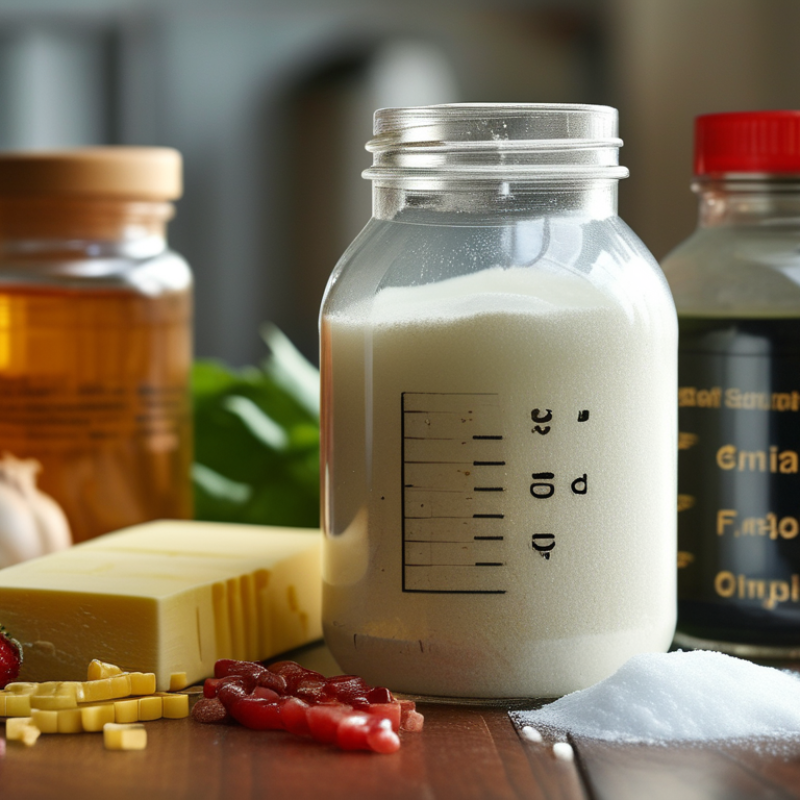
How to Calculate Food Additive Dosage Safely for Your Needs?

Understanding Food Additives and Their Purpose

Understanding food additives is essential for anyone interested in food safety and nutrition. These substances enhance flavor, appearance, and shelf life. According to the Food and Agriculture Organization, about 3,000 food additives are currently approved worldwide. They fall into categories like preservatives, flavor enhancers, and emulsifiers. Each serves a distinct purpose, but the implications of their use are often misunderstood.

When calculating the dosage of food additives, it’s crucial to reference reliable scientific data. For instance, the acceptable daily intake (ADI) for many additives is set by the Joint FAO/WHO Expert Committee on Food Additives. This ensures consumer safety while allowing food manufacturers to meet flavor and preservation needs. However, not all additives have the same safety profile. Some studies indicate potential risks associated with excessive consumption, raising concerns about long-term health impacts.

Consider small adjustments when preparing food with additives. Always measure accurately, and avoid exceeding recommended limits. Keep in mind that individual tolerance levels may vary. It is vital to keep a close eye on how certain additives affect your health. Reflect on your consumption patterns and consider opting for natural alternatives when possible. Recognizing the purpose and dosage of food additives is a step towards informed decision-making in your dietary choices.

Identifying Your Specific Needs for Food Additives

Identifying your specific needs for food additives is crucial to ensuring safety and effectiveness. Different food additives serve various purposes, such as preservation, flavor enhancement, or texture improvement. Understanding your dietary requirements and any allergies will help you pinpoint which additives are necessary. For example, if you are allergic to certain preservatives, it’s vital to consider alternatives like natural preservatives.

When considering food additives, focus on your health goals. Are you trying to reduce sodium intake or avoid artificial colors? Carefully read labels to identify ingredients that match your needs. This approach can lead to better decisions. Use local resources or consult with a food expert to make informed choices.

Tips can be helpful in making the right decisions. Always balance the benefits of an additive with potential consequences. Some additives can have cumulative effects if consumed excessively. Also, consider experimenting with small quantities before fully integrating an additive into your diet. Monitor how your body reacts, and adjust accordingly for a safe and enjoyable experience.

Calculating Accurate Dosage Based on Product Guidelines

Calculating accurate dosage based on product guidelines is crucial for safely using food additives. Start by reviewing the product label thoroughly. Each additive has specific recommendations based on its intended use. Pay close attention to measurements, as some may be in parts per million (ppm) while others use grams or ounces.

Improper dosage can lead to unintended effects. For example, too much of a preservative may alter the taste. Conversely, too little could compromise food safety. Measure carefully to avoid these issues.

When unsure, consult a reliable source or an expert. They can offer personalized advice based on your needs. Always err on the side of caution. Knowing the recommended levels helps ensure your food stays safe and enjoyable. Keep a journal of your experiments. Track what works and what does not. This reflection can refine your approach over time, enhancing your skills in food preparation.

Safety Precautions When Using Food Additives

Using food additives can be safe when proper precautions are taken. Understanding the dosage is crucial. Knowing how much to use can prevent health risks. Start by researching the specific additive. Each one has a different safety profile. Look for reliable sources that provide detailed information. Consult experts if you are unsure about dosage.

Pay attention to individual sensitivities. People may react differently to the same additive. It’s important to use small amounts initially. Monitor how your body responds before increasing dosage. This cautious approach allows for safer use. Always consider the quality of the additives. Purity can vary significantly between suppliers.


Storing food additives correctly also matters. Exposure to heat or moisture can alter their effectiveness. Keep them in a cool, dry place. Regularly check expiration dates. Using expired additives can pose health risks.

A thoughtful approach is essential when incorporating food additives into your diet. Balance is key. Not all additives are necessary for every dish. Reflect on their role in your cooking. Making informed decisions leads to safer and healthier food preparation.

Monitoring Effects and Adjusting Dosage Accordingly

When utilizing food additives, monitoring effects becomes essential for safety and efficacy. Research indicates that 30% of consumers report adverse reactions to certain additives. Therefore, it’s crucial to track any changes in health after consuming products containing these substances. Notably, studies show that individual responses can vary significantly. Factors like body weight, age, and existing health conditions all play a role.

Recording symptoms and changes can provide insights into how your body responds. Keeping a detailed food diary is a practical method. By noting the time of intake, dosage, and subsequent health effects, individuals can establish patterns over time. The FDA suggests that consumers should consider starting with a lower dosage. Gradually increasing the amount allows for safer adjustments. If adverse effects occur, decreasing dosage or discontinuing use is recommended.

Adjustments to food additive dosages should be made thoughtfully. The acceptable daily intake (ADI) varies widely among different additives. For example, the ADI for certain colors is set at 5 mg/kg, while others may be much lower. Understanding these numbers can help in making informed decisions. Always remember to prioritize personal health and ongoing monitoring. Changes to dosage should be based on real experiences, not just numerical guidelines. This approach fosters a more individualized and safe consumption experience.

FAQS

: Why is it important to identify my specific needs for food additives?

: Identifying your needs ensures safety and effectiveness. Different additives serve various functions like preservation or flavor enhancement.

How can allergies affect my choice of food additives?

If you're allergic to preservatives, consider alternatives like natural options. Understanding your health is crucial for safe choices.

What should I focus on when considering food additives?

Focus on your health goals. Reducing sodium or avoiding artificial colors can guide your choices effectively.

How can I ensure I use the correct dosage of food additives?

Review product labels carefully. Each additive has specific recommendations based on its purpose. Accurate measuring is key.

What happens if I use too much or too little of an additive?

Too much may spoil taste, while too little can risk food safety. Balance is crucial to avoid these issues.

What should I do if I’m unsure about using an additive?

Consult reliable sources or experts for personalized advice. Always err on the side of caution to ensure safety.

How can I monitor my body's reaction to food additives?

Start with small amounts and observe how your body reacts. Adjust the dosage based on your monitoring.

Why is it important to check the quality of food additives?

Purity varies greatly among suppliers. Using high-quality additives ensures effectiveness and safety in your cooking.

How should I store food additives?

Keep them in a cool, dry place. Exposure to heat or moisture can alter their effectiveness, compromising safety.

What’s a good practice to refine my approach to food additives?

Keep a journal to track what works and what doesn’t. Reflecting on your experiments enhances your skills over time.

Conclusion

In the article "How to Calculate Food Additive Dosage Safely for Your Needs," the importance of understanding food additives and their functions is emphasized as a crucial first step. Identifying your specific needs for food additives allows for a more tailored approach, ensuring that the chosen additives align with your dietary requirements. To calculate food additive dosage safely, it is essential to refer to product guidelines that provide recommended dosages based on the intended use.

Safety precautions are also critical when using food additives, including thoroughly understanding potential reactions and adhering to suggested limits. Furthermore, monitoring the effects of the additives after consumption helps in adjusting the dosage accordingly. By following these structured steps, individuals can ensure they know how to calculate food additive dosage safely, leading to informed and health-conscious decisions regarding their food intake.

Liam

Liam

Liam is a dedicated marketing professional with a profound expertise in the industry, where he excels at highlighting the unique advantages of our core products. With a keen understanding of market trends and consumer needs, Liam frequently updates our company’s professional blog, providing......