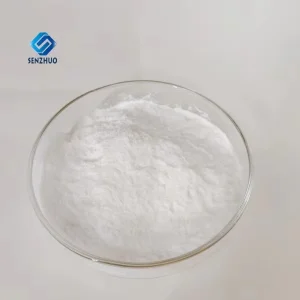
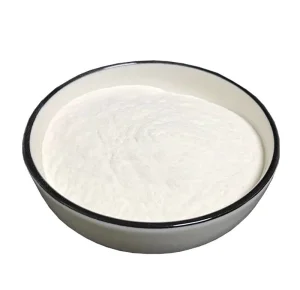
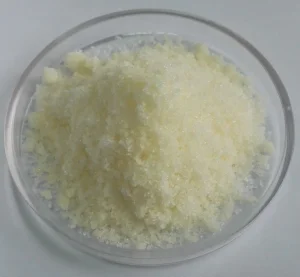
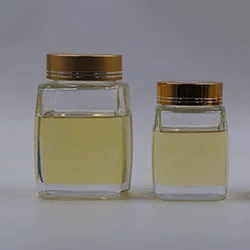
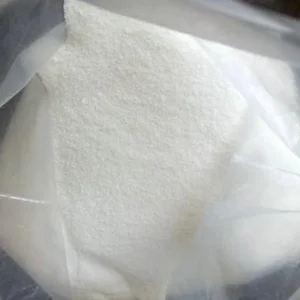
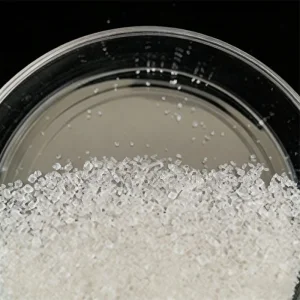
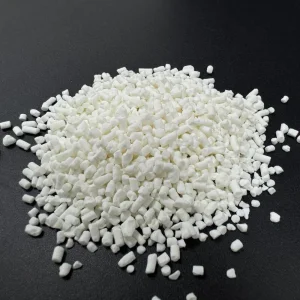
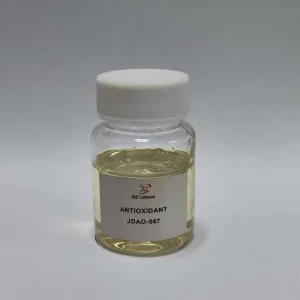
Explore our premium grade additives manufactured in state-of-the-art facilities with strict global compliance standards.
Protecting Organic Systems against Thermo-Oxidative Degradation
In modern industrial chemistry and materials science, organic substrates—including plastics, synthetic elastomers, lubricating oils, and biological compounds—are inherently susceptible to oxidation. Auto-oxidation is a free radical chain reaction initiated by heat, mechanical shear, ultraviolet (UV) exposure, or metal impurity catalysts. If left unchecked, this mechanism results in rapid polymer chain scission, cross-linking, discoloration, cracking, loss of tensile strength, and systemic mechanical failure. This makes the implementation of advanced antioxidant additives a core necessity for product longevity, safety, and performance.
Antioxidant additives factories synthesize and compound highly specialized chemicals designed to break these destructive oxidative pathways. These stabilizers are fundamentally categorized into two main groups based on their chemical role in inhibiting radical propagation:
Primary antioxidants act as free radical scavengers. Typically consisting of sterically hindered phenols or secondary aromatic amines, they rapidly donate active hydrogen atoms to propagate peroxy radicals (ROO•) or carbon radicals (R•). The resulting phenoxyl or aminyl radicals are highly stabilized through resonance, effectively neutralizing the reactive species before they can abstract hydrogen from the polymer backbone. Notable primary antioxidants include Sunshow Antioxidant AO1010, Gallic Acid, and Butylated Hydroxyanisole (BHA).
Secondary antioxidants decompose hydroperoxides (ROOH)—the primary catalysts for autocatalytic degradation—into non-reactive, stable alcohol species. By destroying hydroperoxides without forming free radicals, they prevent the chain-scission reaction from repeating. The main chemical families used in secondary protection are organophosphites (such as Worldsun Antioxidant PDP Polymer or Antioxidant 618) and thioesters. These act synergistically when blended with primary hindered phenols.
Synergistic Blends: In industrial applications, factories rarely use a single antioxidant class. Synergistic mixtures of hindered phenols (for long-term thermal stability) and phosphites (for processing protection at elevated extrusion temperatures) provide optimal cost-to-performance efficiency. These systems protect polymers during both the high-heat manufacturing cycle and the product’s operational lifespan.
How specific antioxidant additives protect materials across diverse sectors and operating environments.
Thermoplastics like Polypropylene (PP), Polyethylene (PE), and Polycarbonate (PC) are processed at temperatures exceeding 250°C. Heavy mechanical shear inside extrusion lines triggers rapid degradation. Adding Antioxidant 618 (CAS 3806-34-6) and AO1010 maintains melt flow rate stability, preventing yellowing and preserving mechanical toughness for automotive parts, pipe systems, and consumer packaging.
Combustion engines and heavy industrial gearboxes generate intense heat and mechanical friction, inducing lubricant oxidation. This process yields sludge, acidic byproducts, and viscosity changes. High-purity ZDDP (Zinc Dithiophosphates) and Amino Thioester T323 act as dual-purpose additives, delivering both antioxidant protection and extreme-pressure wear resistance under severe hydrodynamic friction.
Industrial paints and outdoor coatings face constant exposure to oxygen, atmospheric moisture, and solar UV radiation. Over time, this exposure causes chalking, loss of gloss, and paint peel-off. Formulating coatings with Lencolo 8540 and Benzotriazole (BTA) rust-preventers protects the underlying polymer matrix, ensuring long-term aesthetic and structural durability.
For lipids, oils, and fats in the food industry, rancidity represents a major source of waste and food safety risk. Synthetic primary antioxidants such as Butylated Hydroxyanisole (BHA), Gallic Acid, and inorganic preservatives like Potassium Metabisulfite (Potassium Pyrosulfite) prevent lipid oxidation. This extends shelf life, stabilizes flavors, and maintains nutritional value in compliance with global food regulations.
Elastomers, particularly natural and synthetic rubbers used in tires, hoses, and seals, degrade under ozone exposure and cyclic mechanical strain. Applying specialty stabilizers like Antioxidant 405 prevents micro-cracking and maintains elasticity, ensuring critical components perform safely in harsh, dynamic environments.
Navigating the evolution toward greener, high-molecular-weight, and highly-dispersible stabilizers.
Modern compounding requires additives that remain stable and non-volatile at high processing temperatures. Low-molecular-weight antioxidants can migrate out of the polymer or volatilize during extrusion, causing gas emission and reduced efficiency. Factories are shifting production toward high-molecular-weight polymers like Worldsun Antioxidant PDP Polymer, which offer superior thermal resistance and extraction resistance in water-contact applications.
To simplify industrial manufacturing, suppliers are developing single-additive molecules with multimodal properties. For example, a single stabilizer molecule containing both a sterically hindered phenol group (primary antioxidant function) and a phosphite group (secondary antioxidant function) provides built-in synergy. This design ensures uniform distribution throughout the polymer matrix during processing.
As global regulations tighten around synthetic chemical migration, research is shifting toward bio-derived alternatives. Plant-derived antioxidants like Gallic Acid, tocopherols, and rosemary extracts are being modified to match the heat stability of synthetic compounds. This transition supports sustainable polymer manufacturing and helps industries meet circular economy targets.
Enterprise capacity delivering stable, certified chemical stabilizers worldwide.
Who We Are & How We Guarantee Excellence
Shaanxi Mirae Biology Co., Ltd. is a professional manufacturer and global supplier specializing in the research, development, production, and distribution of high-quality plant extracts, nutritional ingredients, cosmetic raw materials, peptides, and specialty chemicals.
Located in Shaanxi Province, China—a region renowned for its rich botanical resources and advanced biotechnology industry—we combine premium natural ingredients with modern extraction technology to provide innovative and reliable solutions for customers worldwide.
With a strong commitment to quality, innovation, and customer satisfaction, we serve clients across the pharmaceutical, nutraceutical, cosmetic, food, and research industries. Our experienced technical team and strict quality control system ensure that every product meets international standards for purity, safety, and consistency. Today, our products are exported to customers in North America, Europe, Southeast Asia, the Middle East, and many other international markets, earning a reputation for dependable quality and professional service.
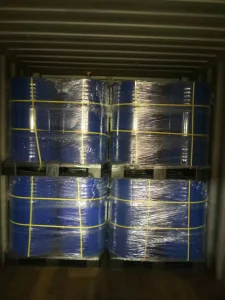
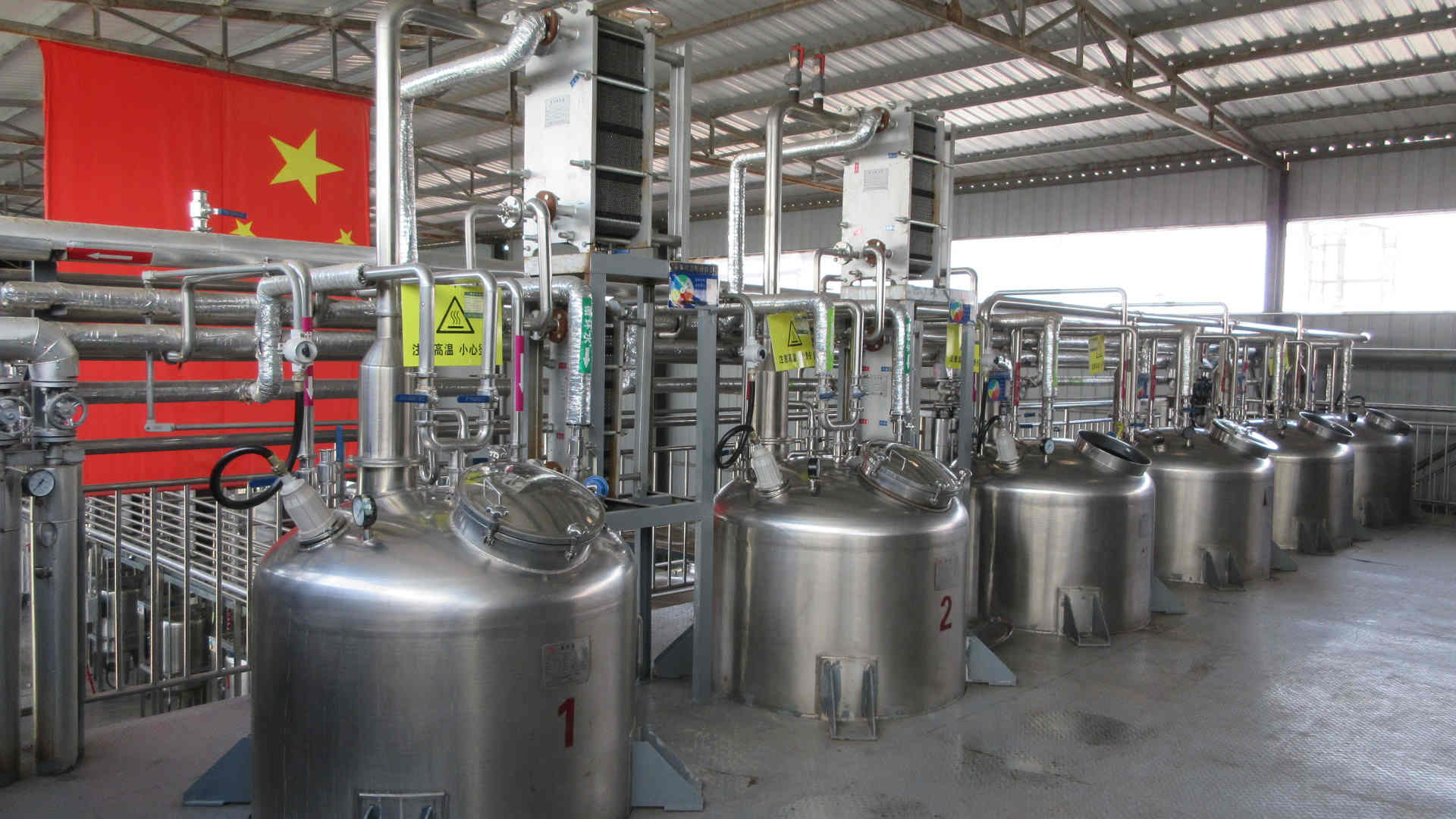
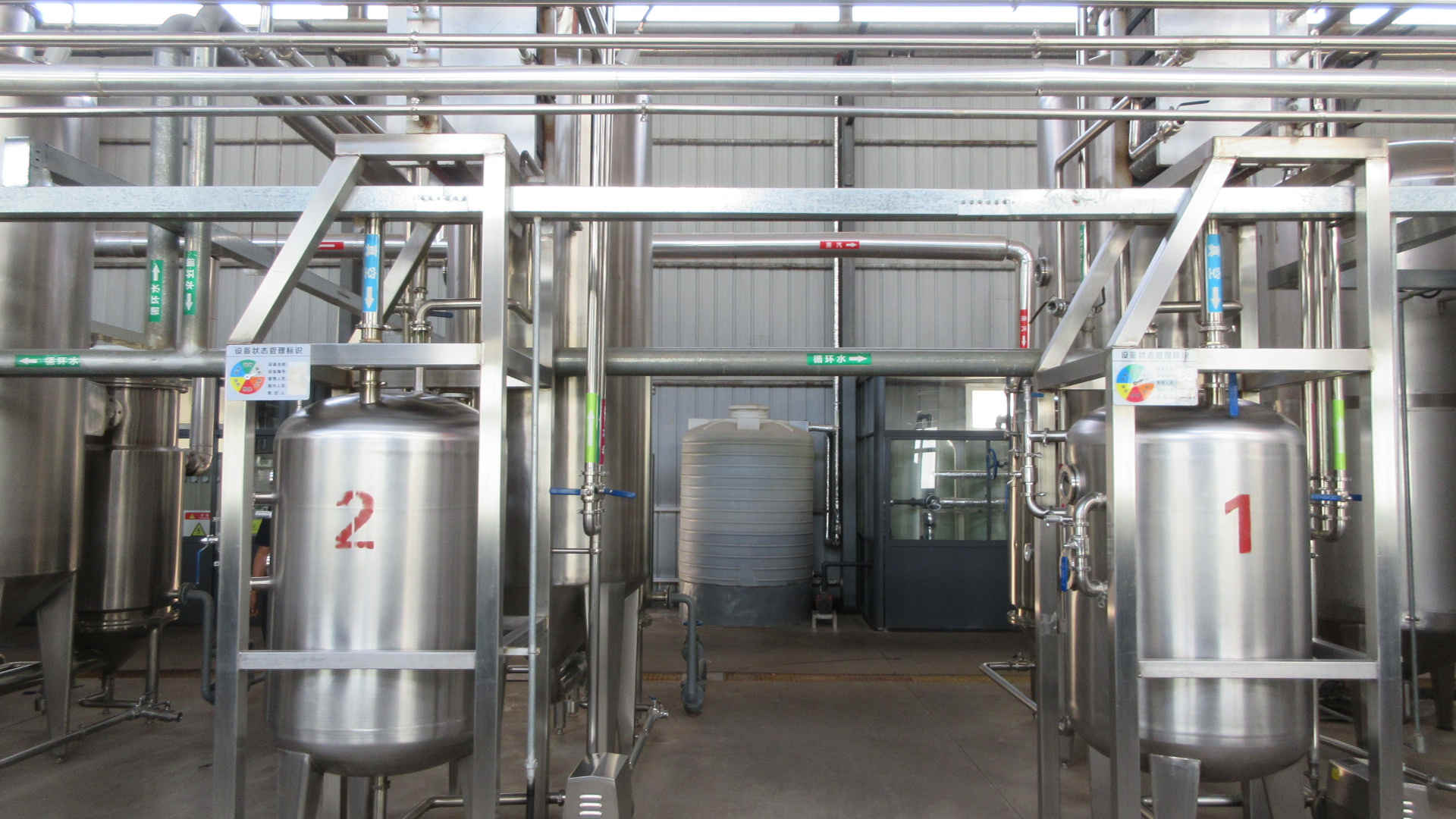
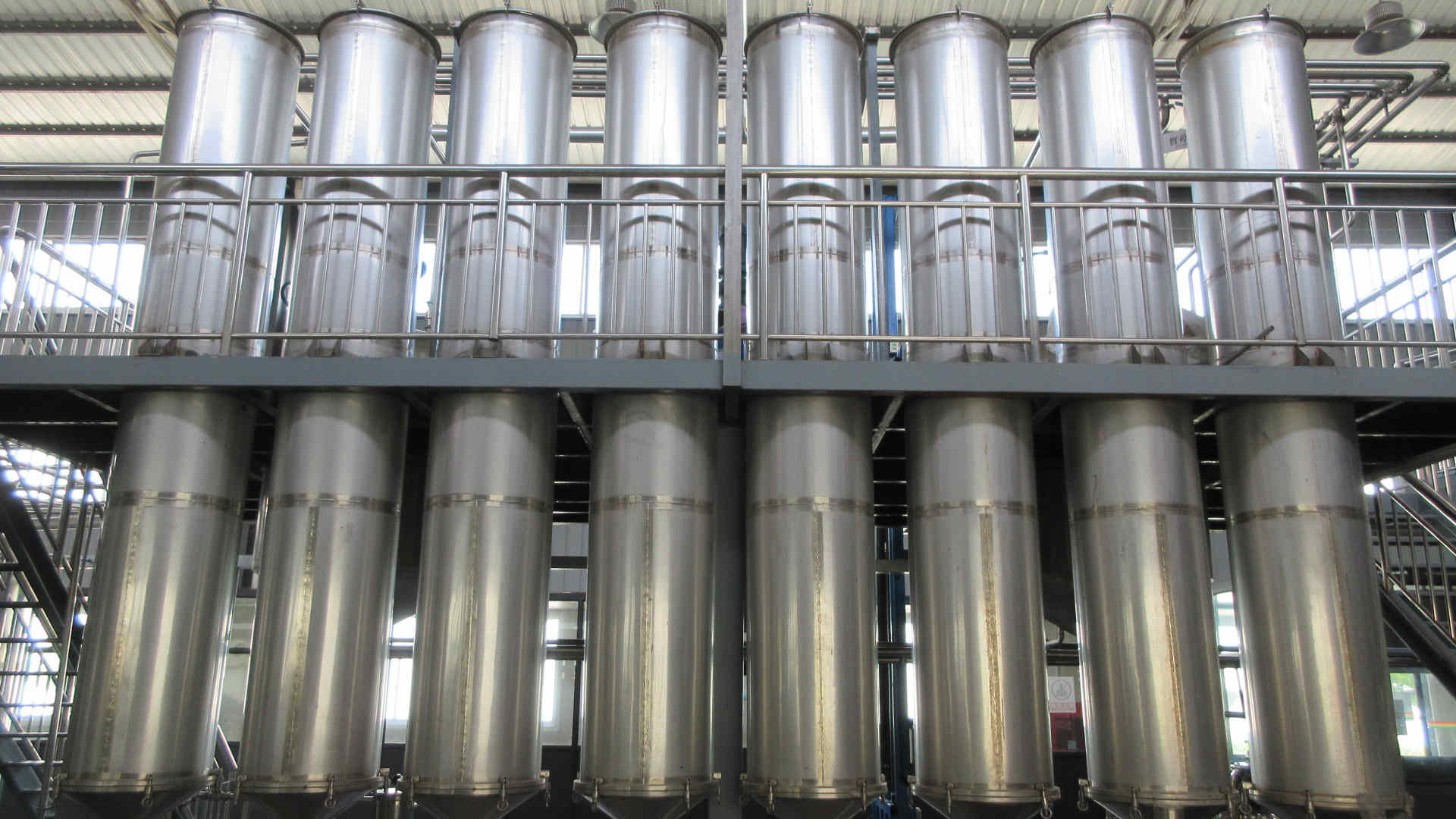
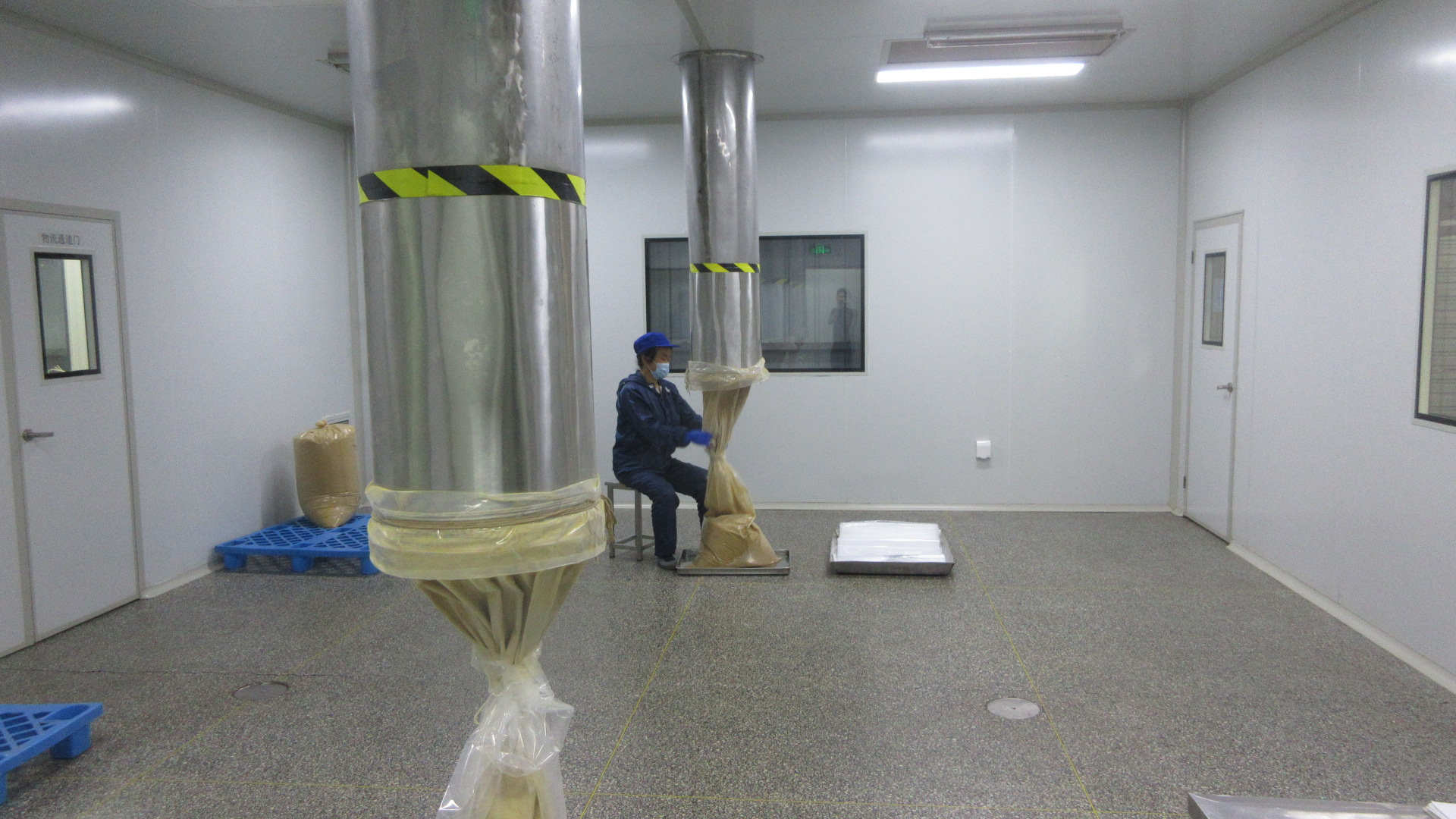
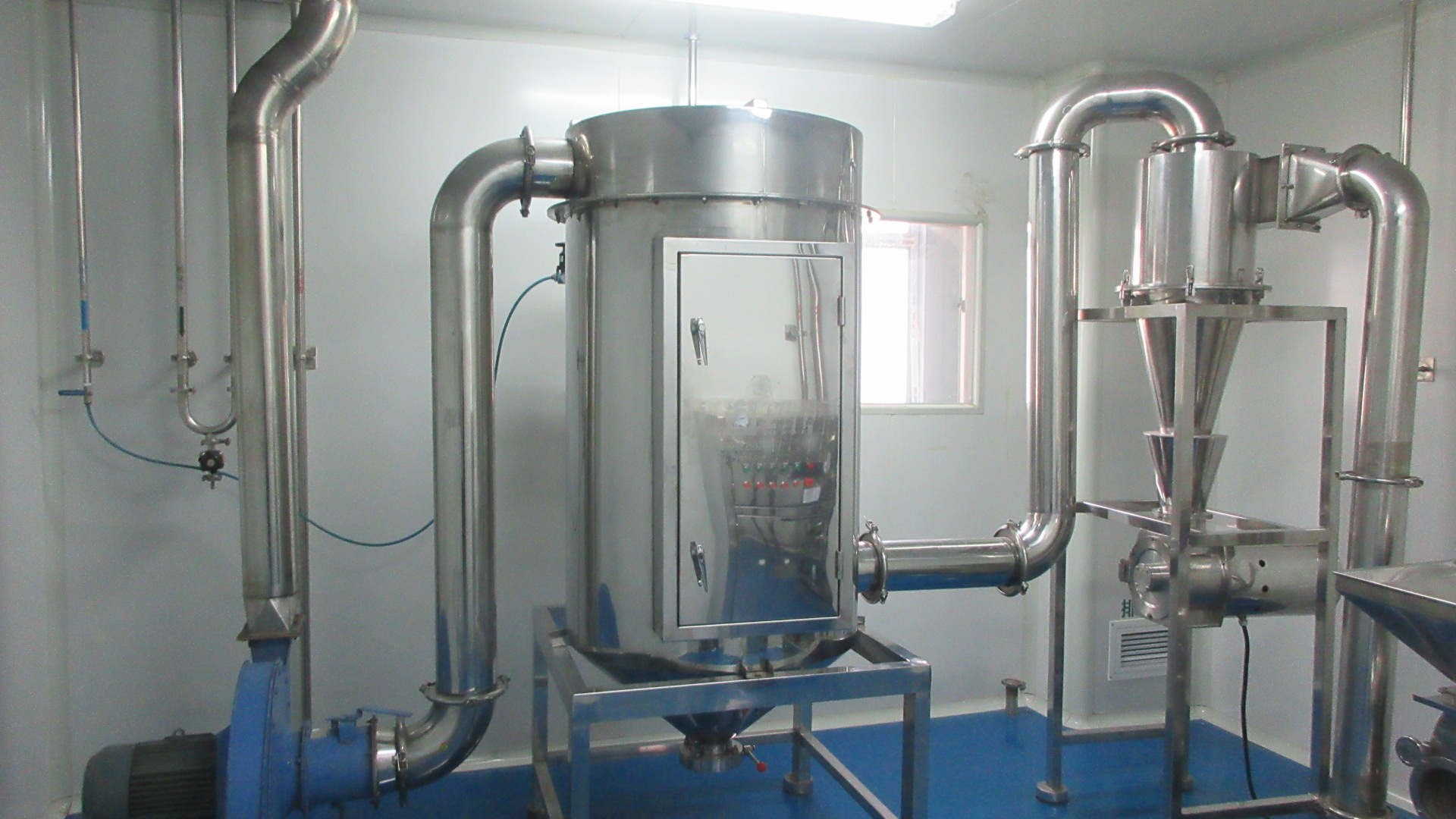
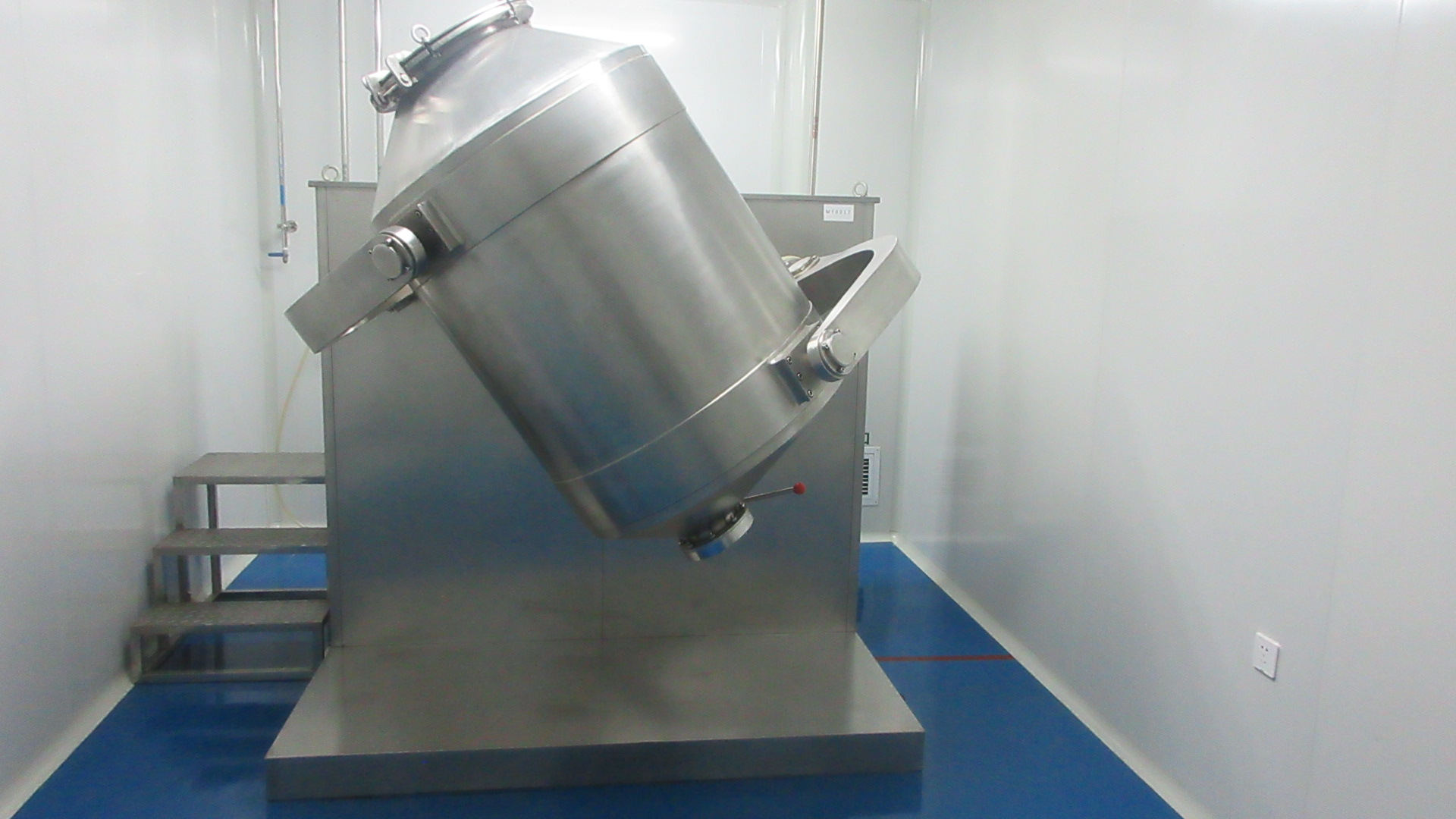
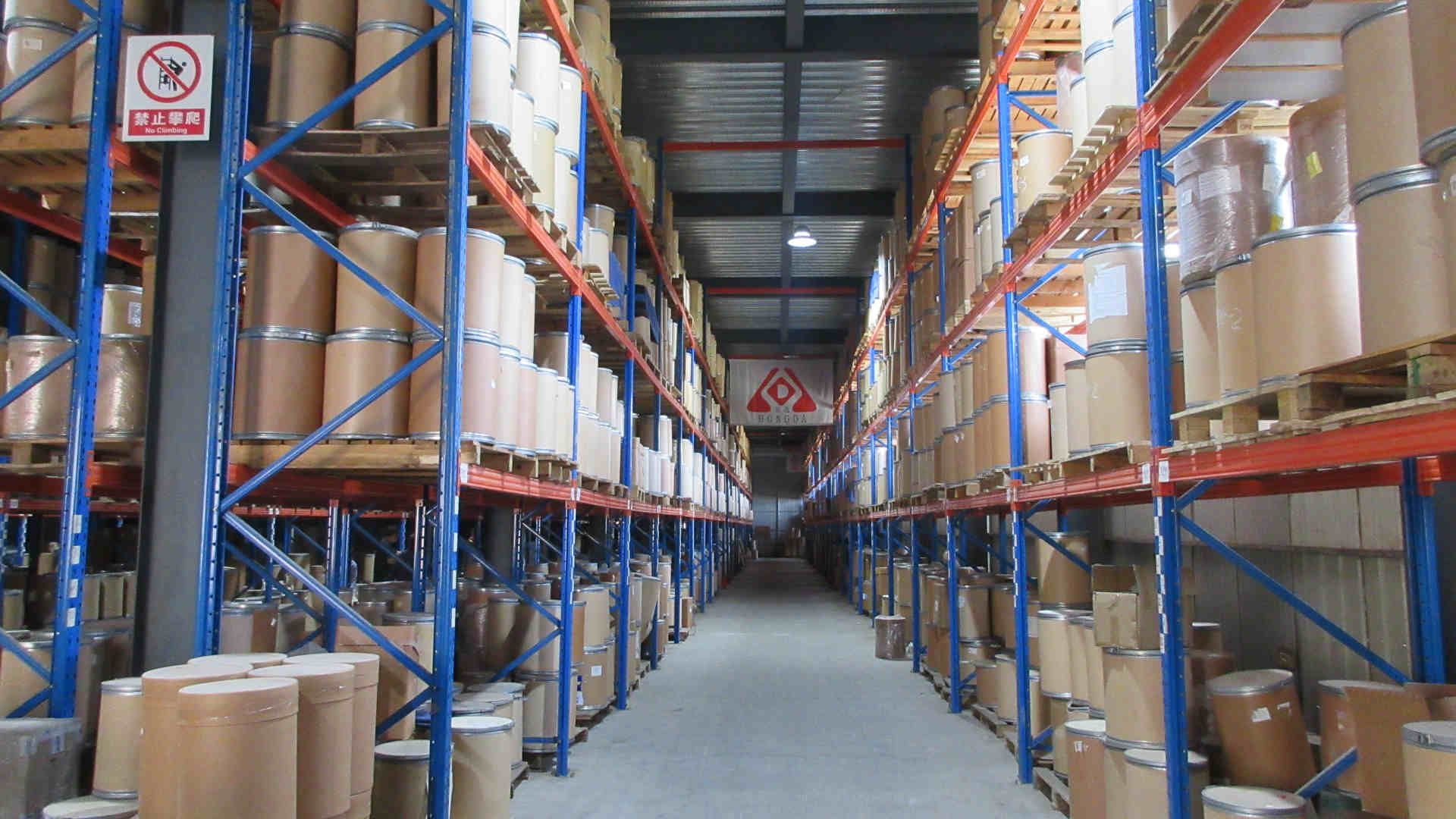
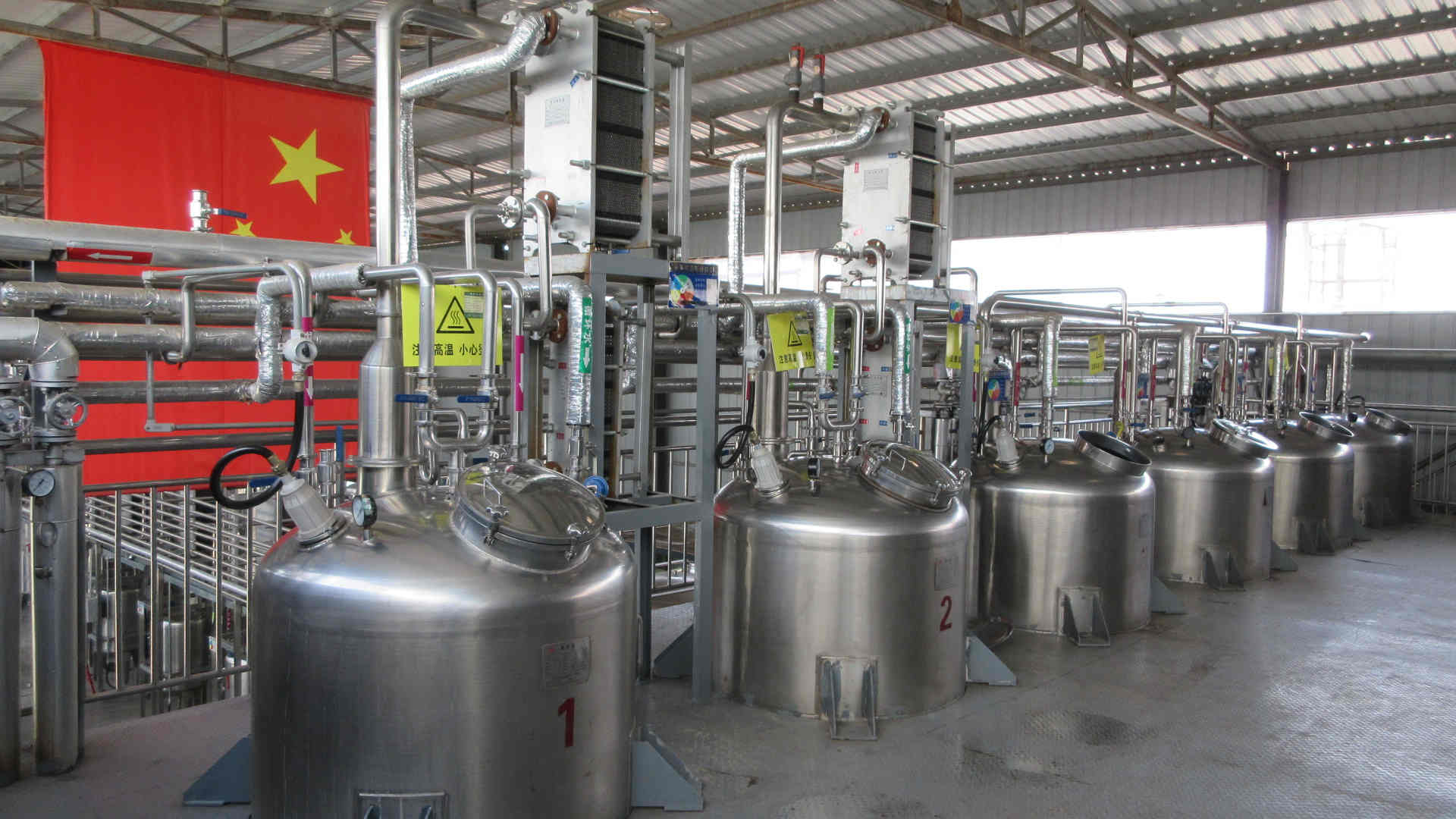
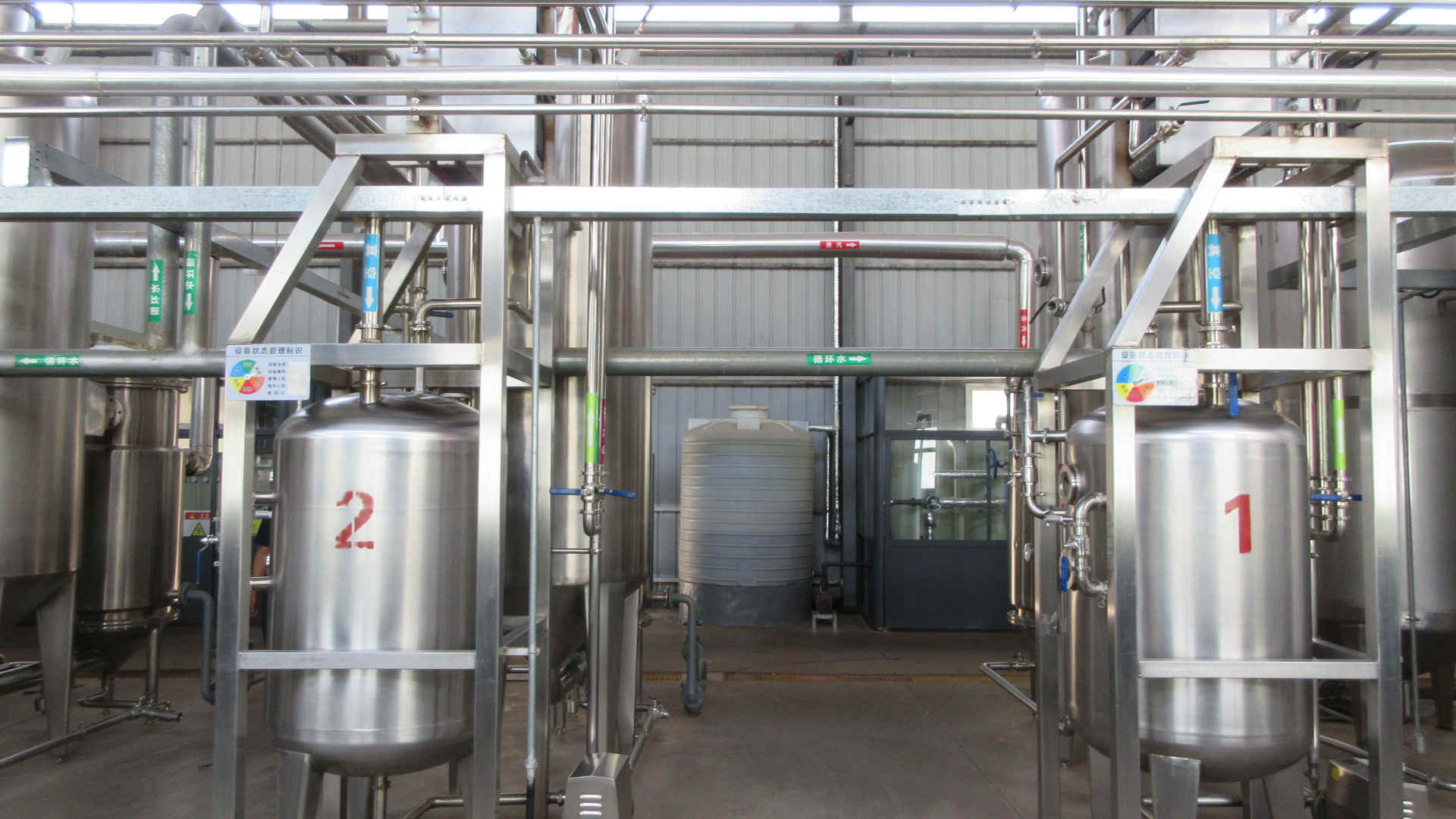
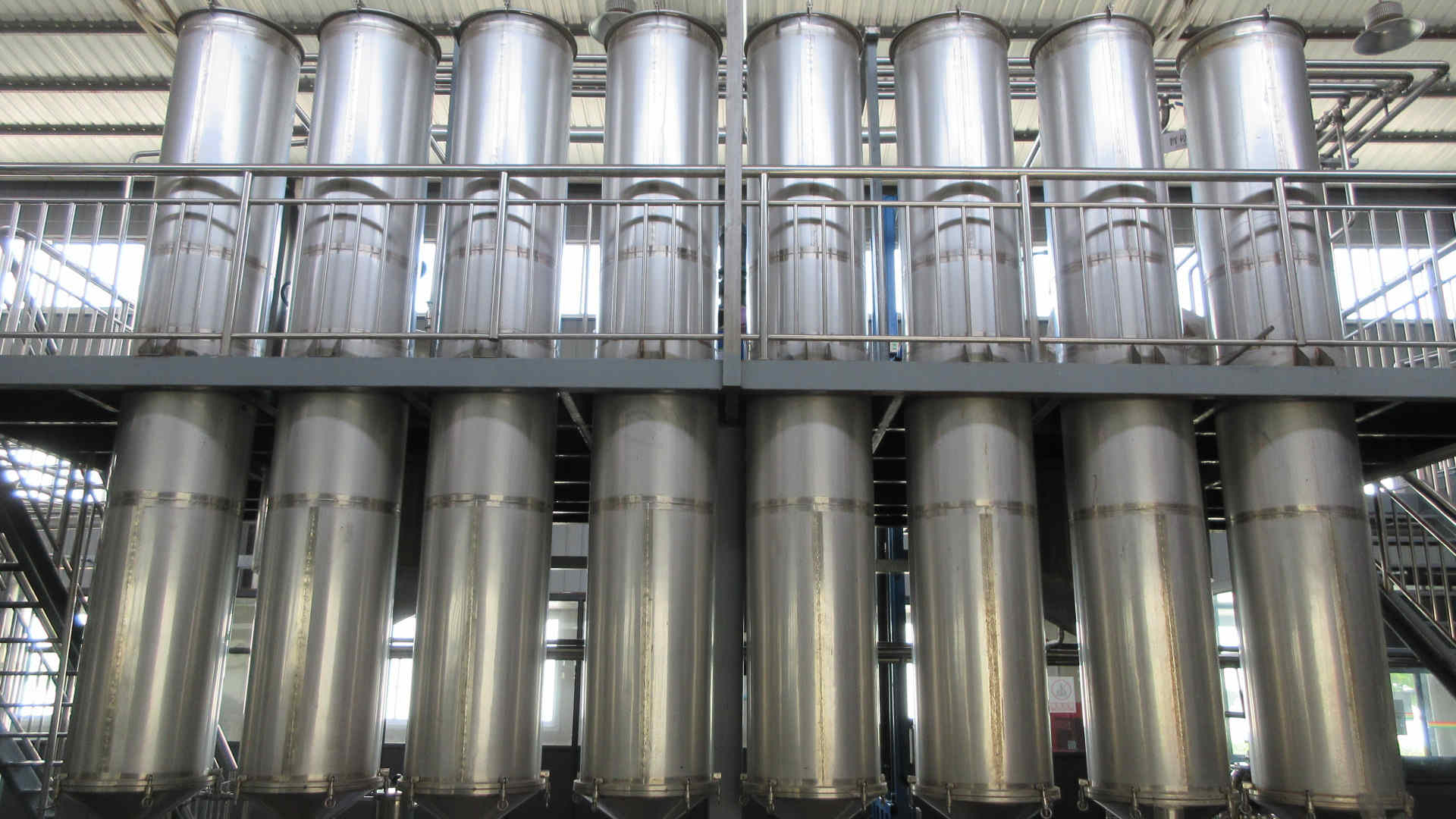
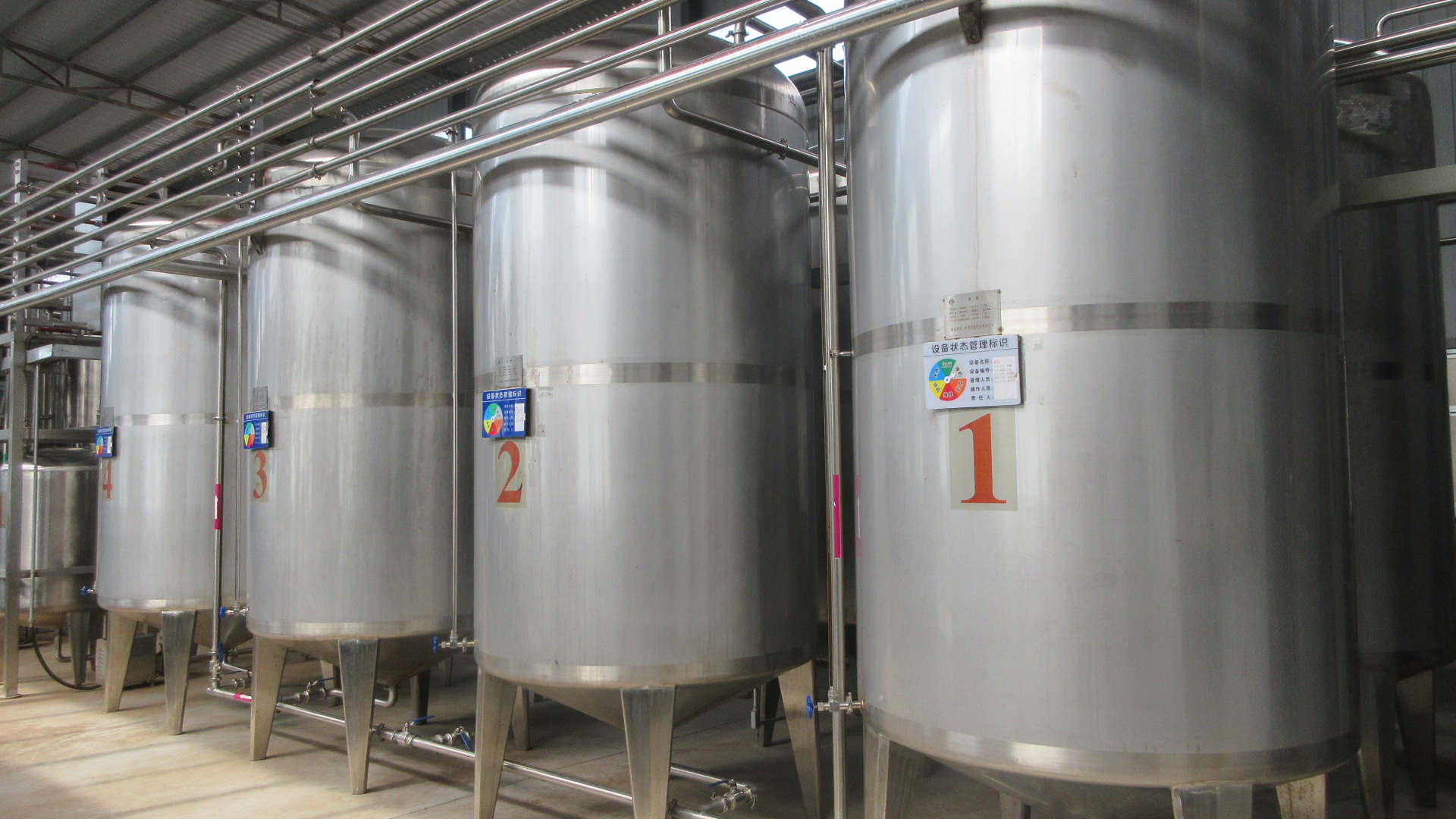
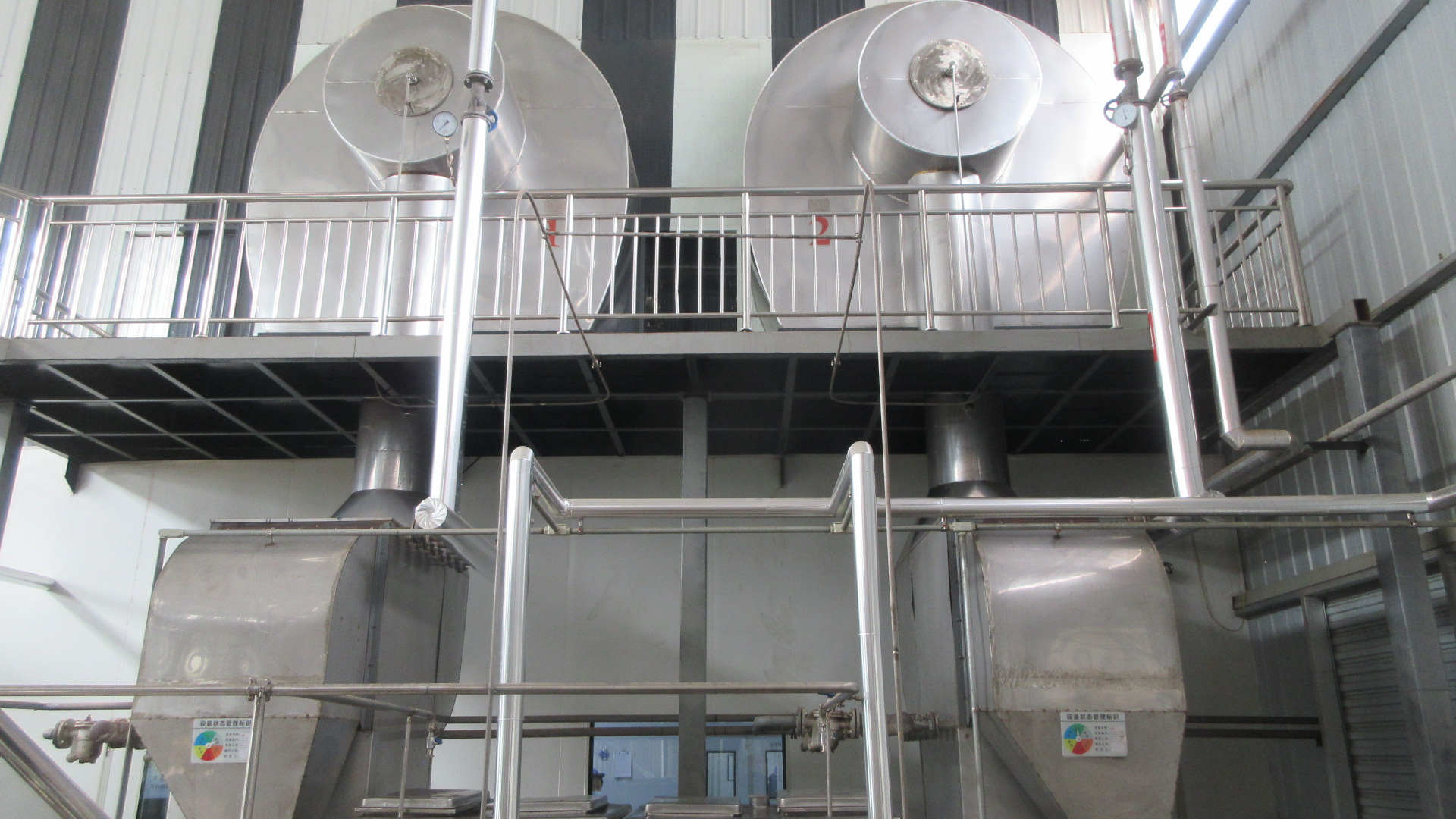
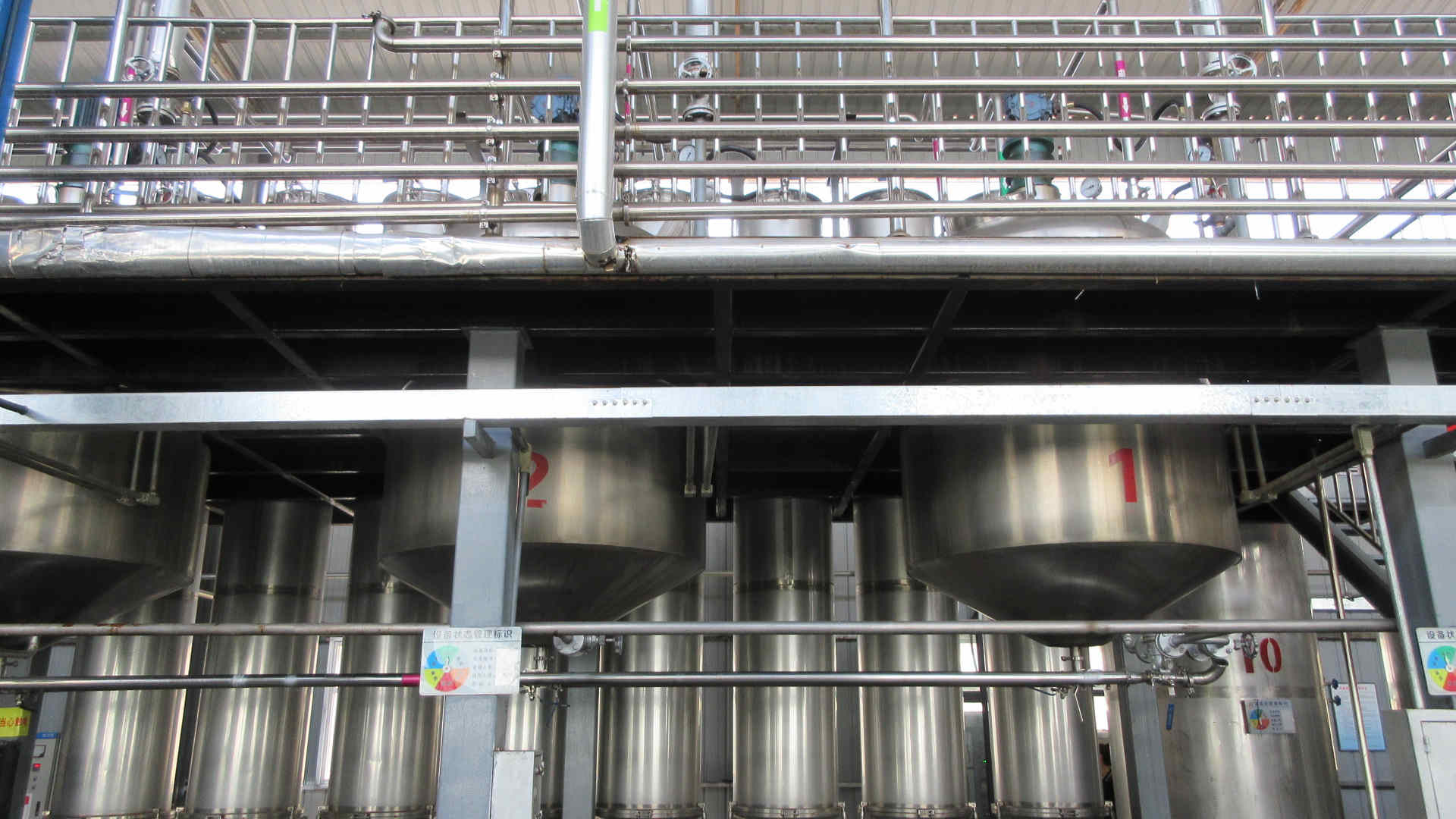
Tour our state-of-the-art production plant, showcasing our quality control equipment, synthesis chambers, and extraction tanks.
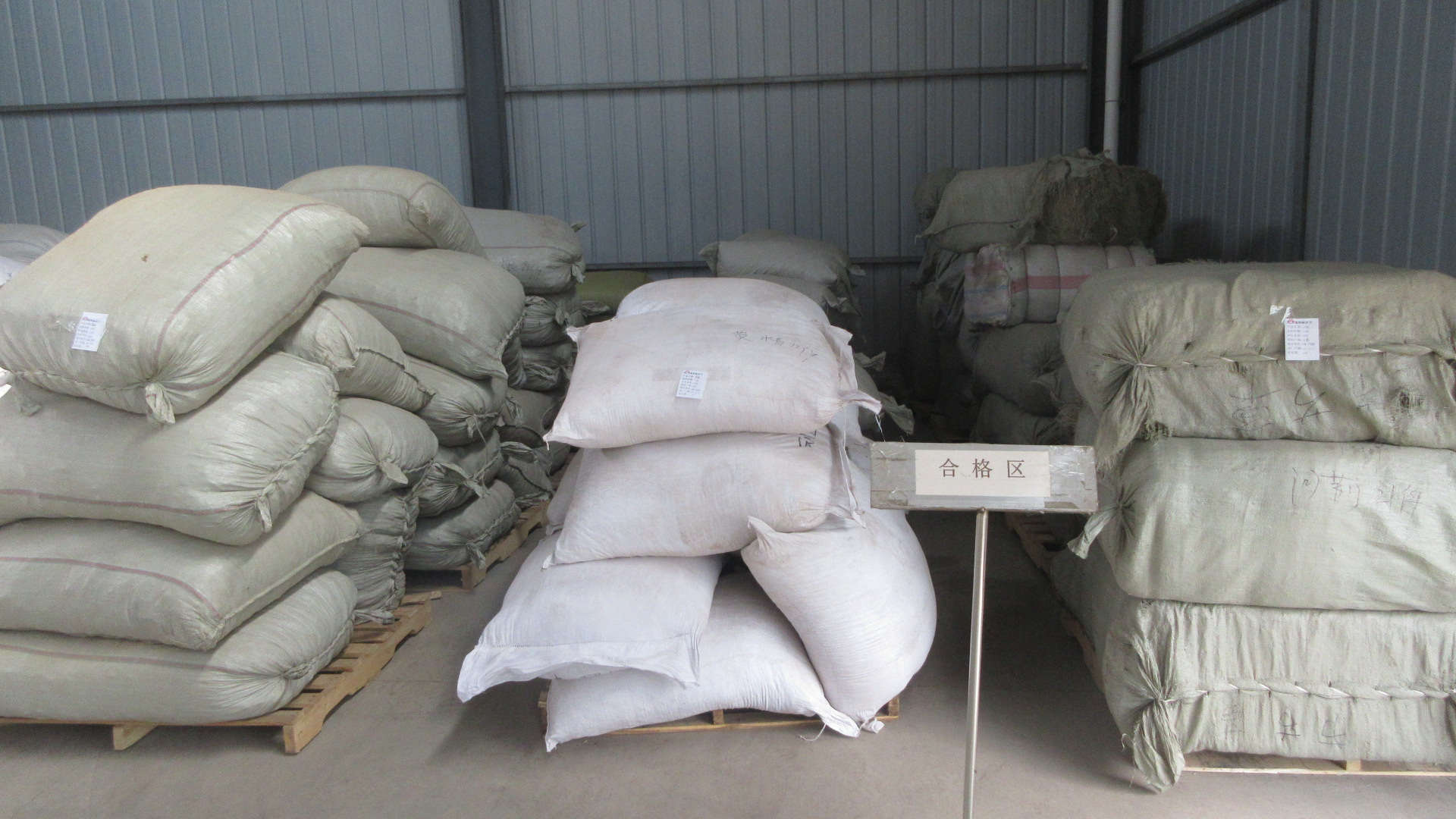
Why sourcing from an integrated Chinese manufacturing hub ensures supply chain stability and economic viability.
China is a leading global producer of primary and secondary antioxidant additives. The country's chemical industrial parks offer integrated supply chains, providing easy access to key upstream chemical raw materials. This proximity reduces transportation costs, limits raw material bottlenecks, and minimizes production delays.
Shaanxi Mirae Biology utilizes local raw material networks and advanced synthesis infrastructure to ensure consistent production. This integration allows us to keep costs stable and maintain inventory levels, even during times of energy cost fluctuations or logistics disruptions in the global market.
Sourcing chemical additives globally requires strict compliance with international health, safety, and environmental regulations. Our production facilities operate under ISO 9001 and ISO 14001 certification to ensure consistent quality and environmental management.
For polymer-grade additives used in food-contact packaging, we verify compliance with FDA (Food and Drug Administration) regulations and the European Union's REACH regulations. This guarantees that our stabilizers, including Butylated Hydroxyanisole (BHA) and Antioxidant 618, meet the purity requirements needed for import into North American and European markets.
Expert answers to common technical, manufacturing, and shipping questions about industrial antioxidant additives.
Explore our industrial range of stabilizers designed to withstand extreme pressure, heat, and weathering.
 Mirae Biology