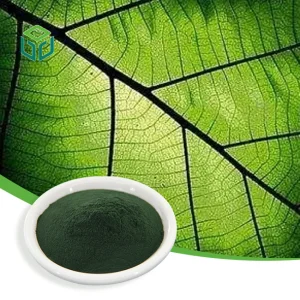

Natural Plant Pigments Supplier & Exporter

Pioneering the Future of Clean Label Formulation: Scientific Extraction, Global Industrial Capacity, and High-Stability Natural Color Chemistry

Global Industry & Botanical Chemistry Landscape

Undergoing an unprecedented transition, the global color industry is migrating from synthetic coal-tar derivatives to plant-based molecules. Driven by strict international regulations and ESG alignment, we explore this paradigm shift.

5.8%
Natural Pigment CAGR (2024-2032)
100%
Clean Label Non-Toxic Target
<2.0ppm
Heavy Metal Threshold Compliance
>98%
Batch-to-Batch Active Purity
In the current regulatory and manufacturing era, Natural Plant Pigments are no longer merely aesthetic additives; they represent critical functional ingredients that direct purchasing decisions and ensure regulatory compliance. Global regulatory authorities such as the European Food Safety Authority (EFSA) and the U.S. Food and Drug Administration (FDA) have implemented rigorous restrictions on synthetic azo dyes (e.g., Tartrazine, Sunset Yellow, Allura Red) due to their correlation with hypersensitivity and behavioral fluctuations in children. Consequently, the demand for natural raw matrices such as Phycocyanin (Spirulina Blue), Sodium Copper Chlorophyllin, and Beetroot Betalains is expanding exponentially.
However, substituting synthetic pigments with botanical extracts presents complex biochemical challenges. Natural molecules are inherently sensitive to external parameters such as pH shifts, thermal degradation during processing, light exposure, and oxidation. For instance, anthocyanins derived from purple yam or sorghum display a bathochromic shift from bright red to dull blue-purple when transitioning from acidic to neutral pH environments. Similarly, Phycocyanin, a high-value phycobiliprotein, faces quick denaturation above 60°C.
As a premier global exporter, Shaanxi Mirae Biology Co., Ltd. addresses these challenges through advanced matrix protection technologies. By utilizing microencapsulation, spray-drying modifications, and carrier-stabilization strategies, we optimize botanical pigments to withstand demanding manufacturing pipelines.

Scientific Classification of Key Botanical Pigment Profiles

Understanding the molecular architecture is vital for selecting the appropriate colorant. Below is a comprehensive breakdown of our primary botanical pigment categories.

Phycobiliproteins (Natural Blue)

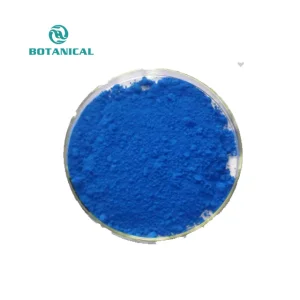
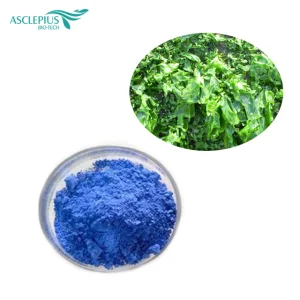
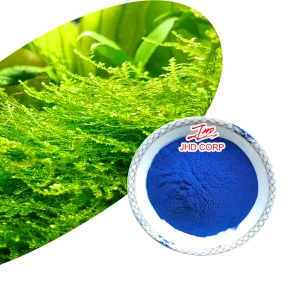
Extracted primarily from Arthrospira platensis (Spirulina), Phycocyanin (E18-E25) is the only FDA-approved natural blue pigment for food and beverage formulations. It functions as a brilliant sky-blue shade while acting as a potent antioxidant with bioactive therapeutic properties.

Porphyrins (Green Chlorophylls)

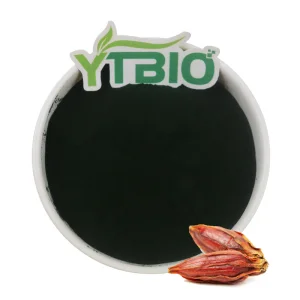
Our Sodium Copper Chlorophyllin is a highly stable, water-soluble derivative of natural chlorophyll. By substituting the central magnesium ion with copper, we ensure resistance against acid degradation and thermal discoloration, providing a vivid green shade.

Betalains & Anthocyanins (Reds)

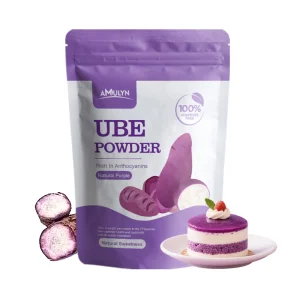
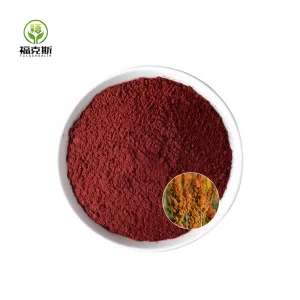
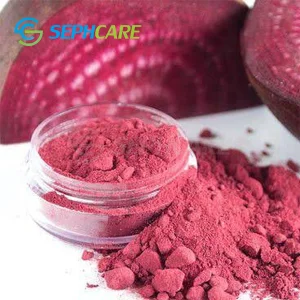
Utilizing premium beetroot matrices (Betanin) and Purple Yam (Anthocyanin extracts), we offer a spectrum ranging from deep violet-pink to scarlet red. Ideal for dairy applications, confectionery, and functional beverage systems.

Shaanxi Mirae Biology Co., Ltd.

Your Trusted Global Development Partner for Highly Standardized Plant Extracts and Natural Ingredients

Who We Are

Shaanxi Mirae Biology Co., Ltd. is a professional manufacturer and global supplier specializing in the research, development, production, and distribution of high-quality plant extracts, nutritional ingredients, cosmetic raw materials, peptides, and specialty chemicals.

Located in Shaanxi Province, China, a region renowned for its rich botanical resources and advanced biotechnology industry, we combine premium natural ingredients with modern extraction technology to provide innovative and reliable solutions for customers worldwide.

With a strong commitment to quality, innovation, and customer satisfaction, we serve clients across the pharmaceutical, nutraceutical, cosmetic, food, and research industries. Our experienced technical team and strict quality control system ensure that every product meets international standards for purity, safety, and consistency.

Today, our products are exported to customers in North America, Europe, Southeast Asia, the Middle East, and many other international markets, earning a reputation for dependable quality and professional service.

Why Choose Shaanxi Mirae Biology Co., Ltd.

  • Professional manufacturer with years of deep-rooted industry experience.
  • Strict quality control protocols coupled with complete testing procedures (HPLC, GC, MS, ICP-MS).
  • Advanced extraction, concentration, and spray drying technologies.
  • OEM & ODM customization services to tailor particle sizes, colors, and concentrations.
  • Competitive pricing backed by stable and resilient local supply capacity.
  • Fast global delivery networks and highly responsive customer support teams.
  • Dedicated technical assistance before and after-sales for smooth regulatory clearances.

Modern Extraction Technology & Industrial Manufacturing Pipeline

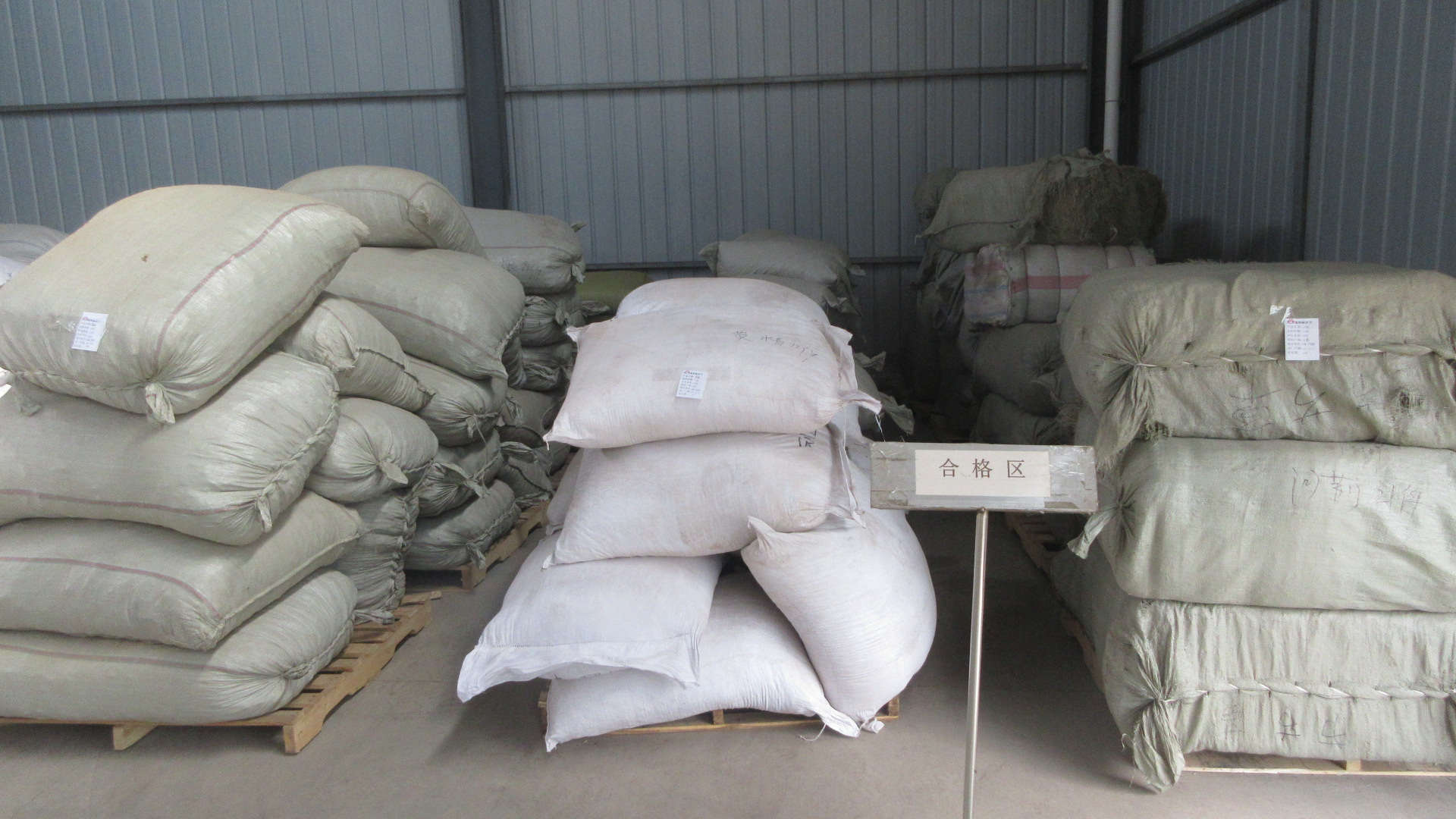
We maintain full traceability and precise engineering parameters from harvesting the raw biomass to final formulation packaging.
The 8-Step Extraction and Refining Pathway

Raw Materials
1. Raw Materials
Extract
2. Extract
Concentration
3. Concentration
Adsorb
4. Adsorb
Drying & Spraying
5. Drying & Spraying
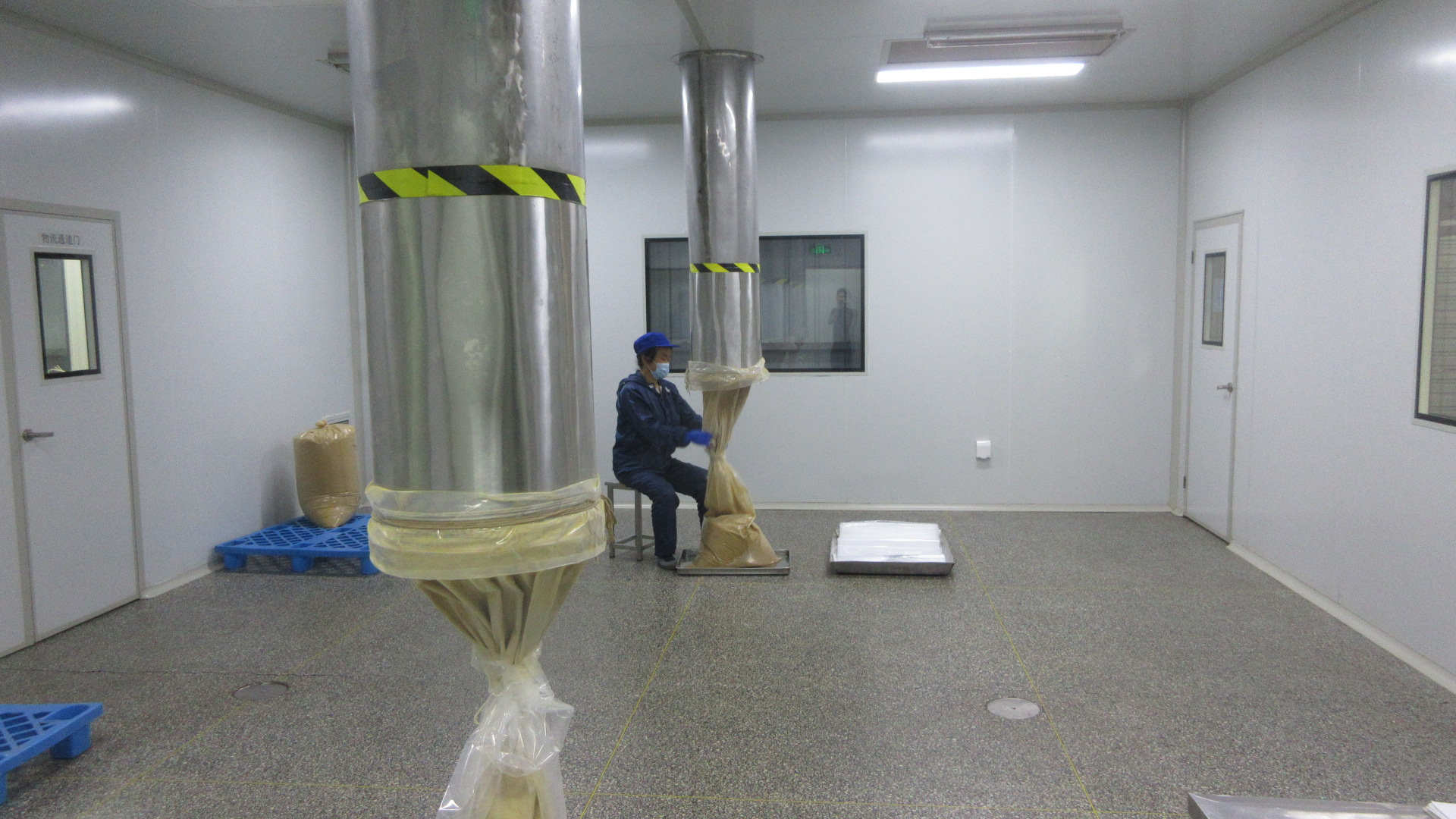
Smashing & Sieving
6. Smashing & Sieving
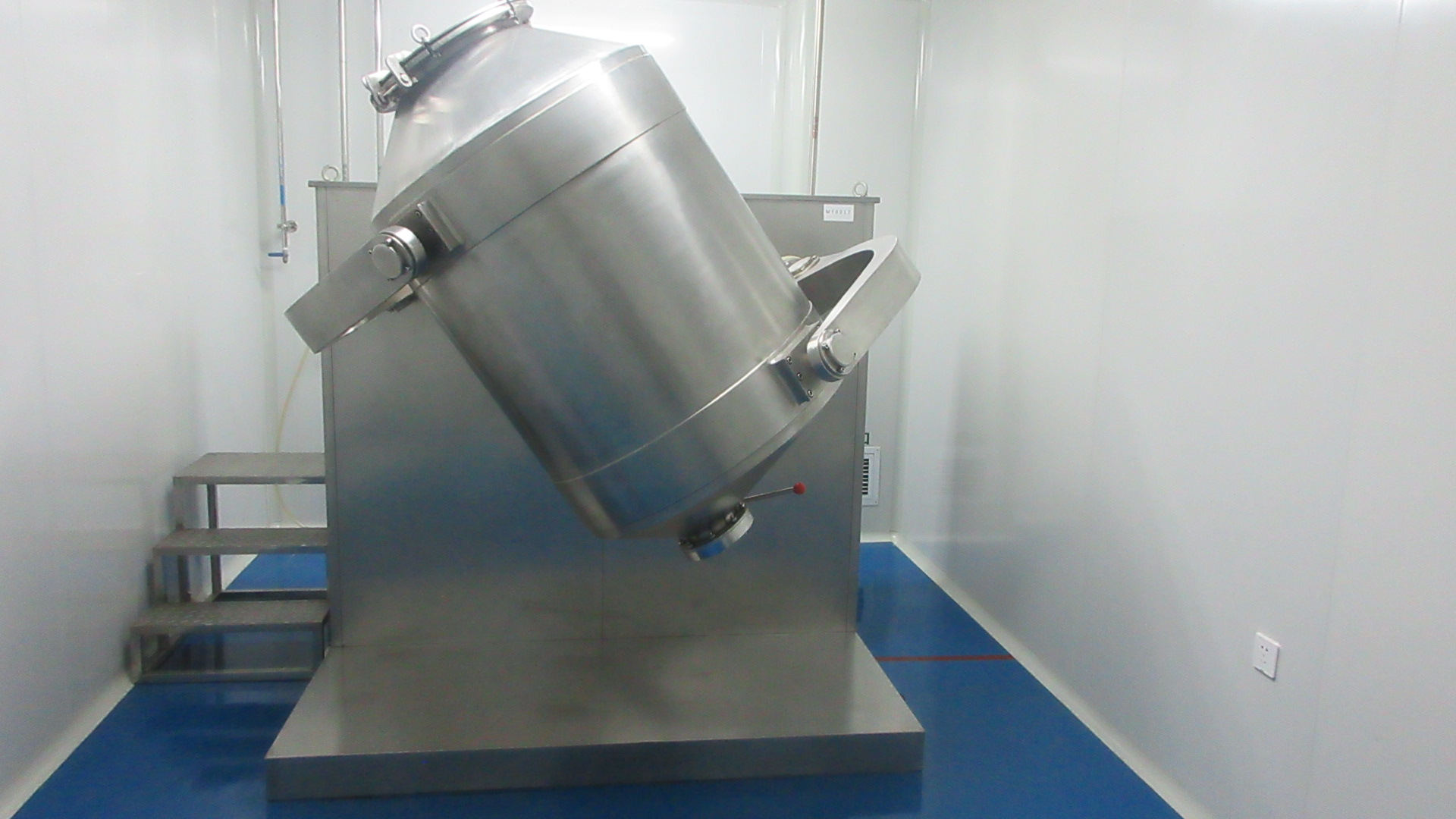
Mixing
7. Mixing
Finished Product
8. Finished Product

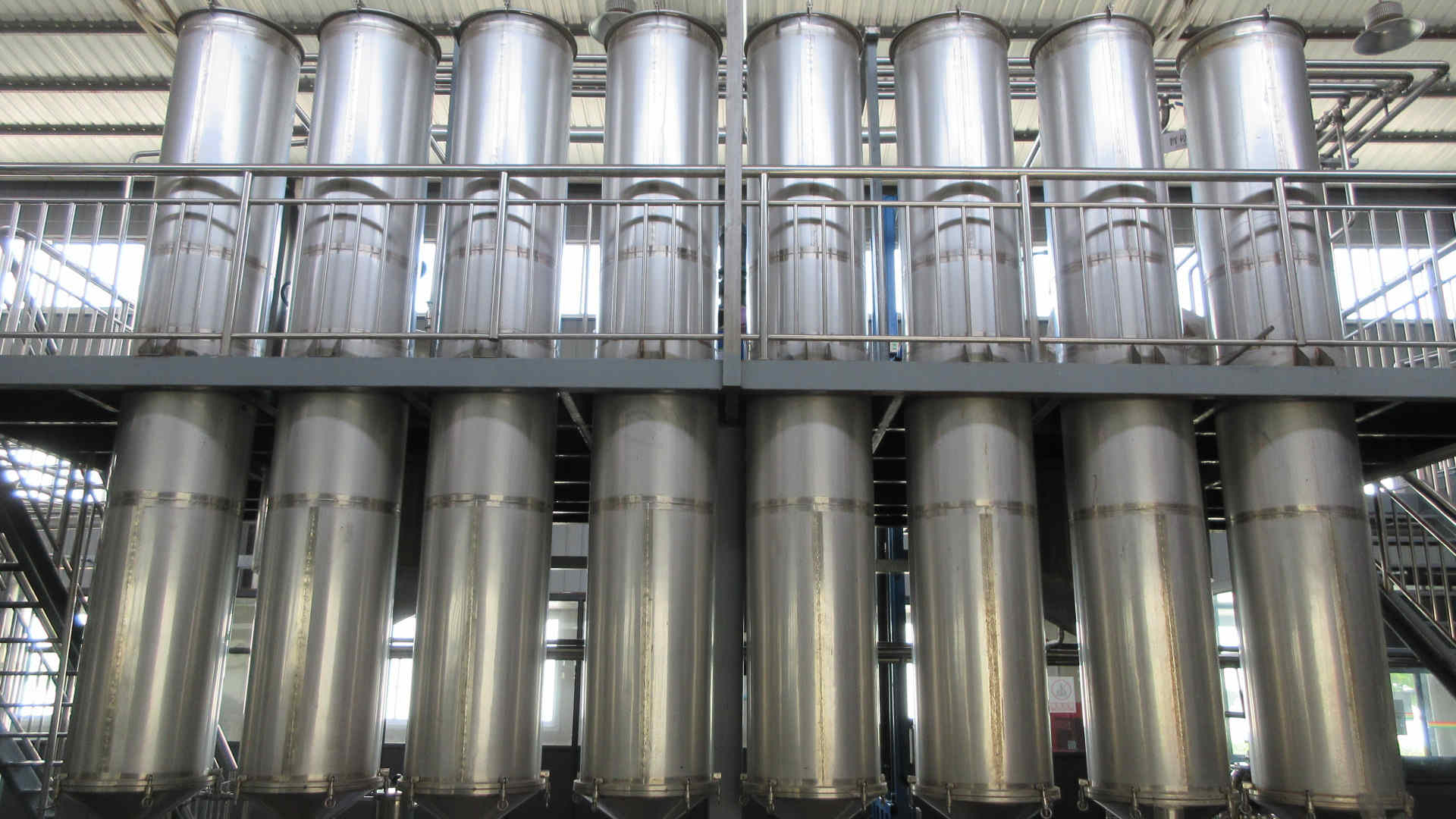
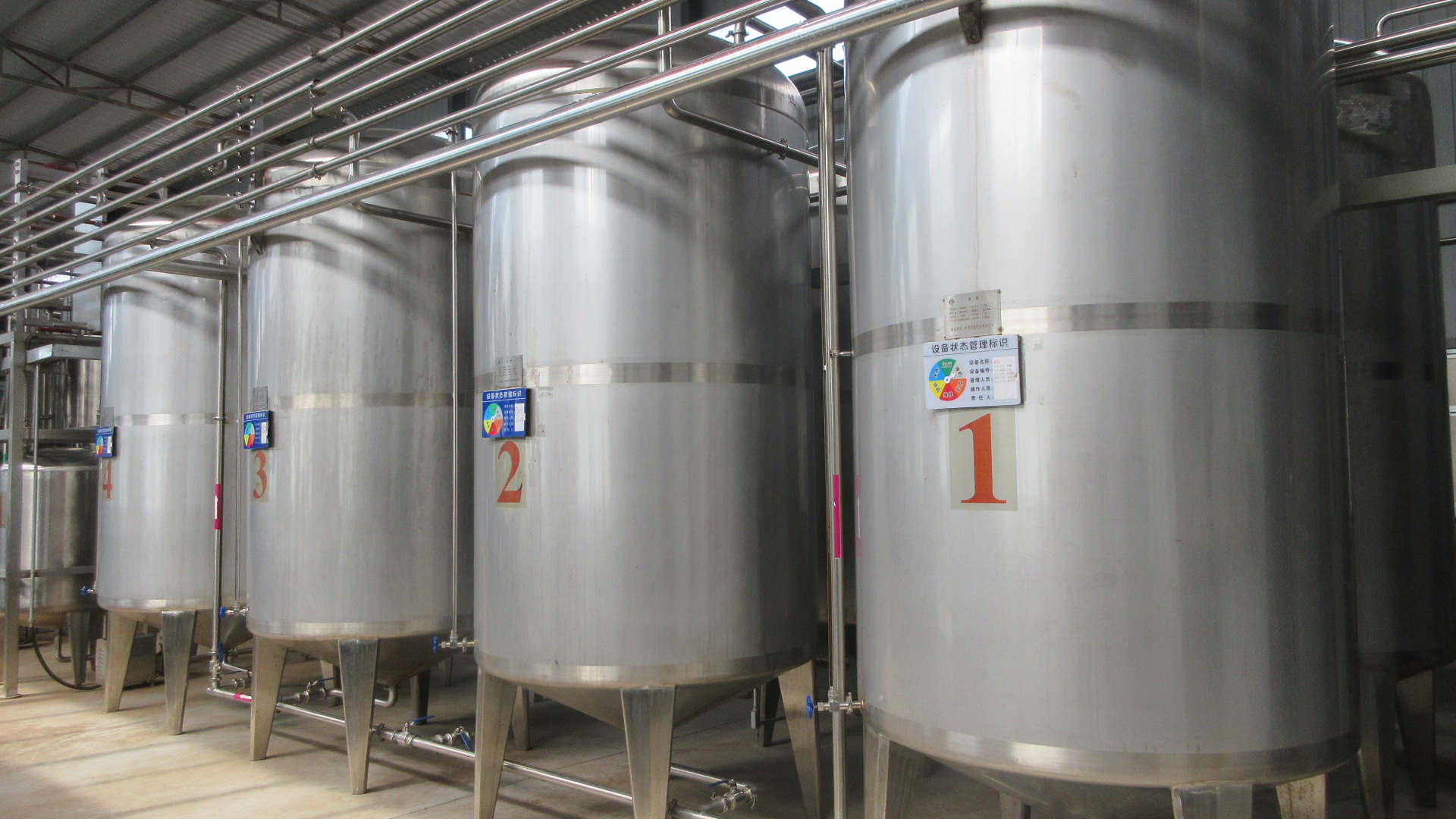
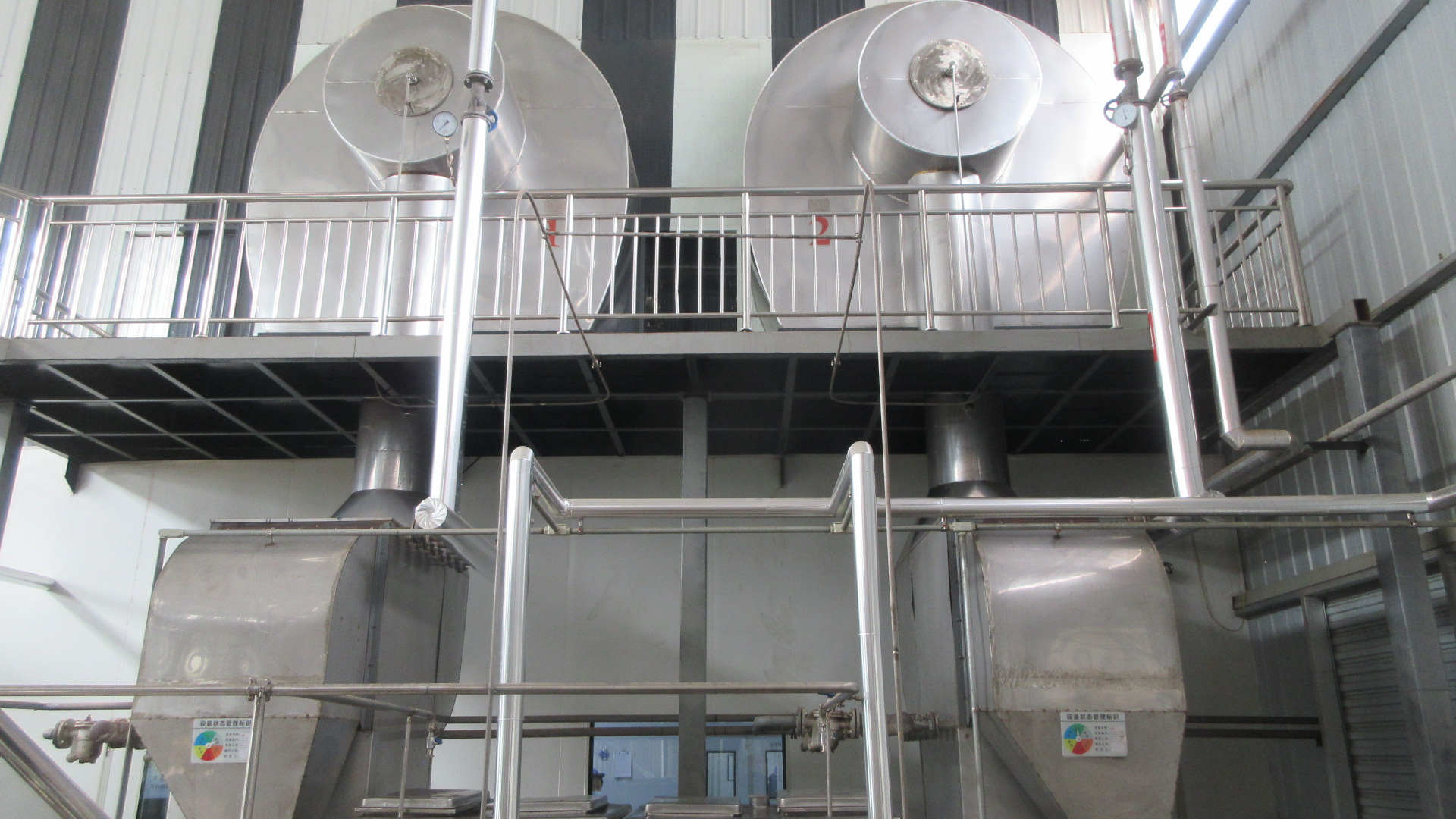
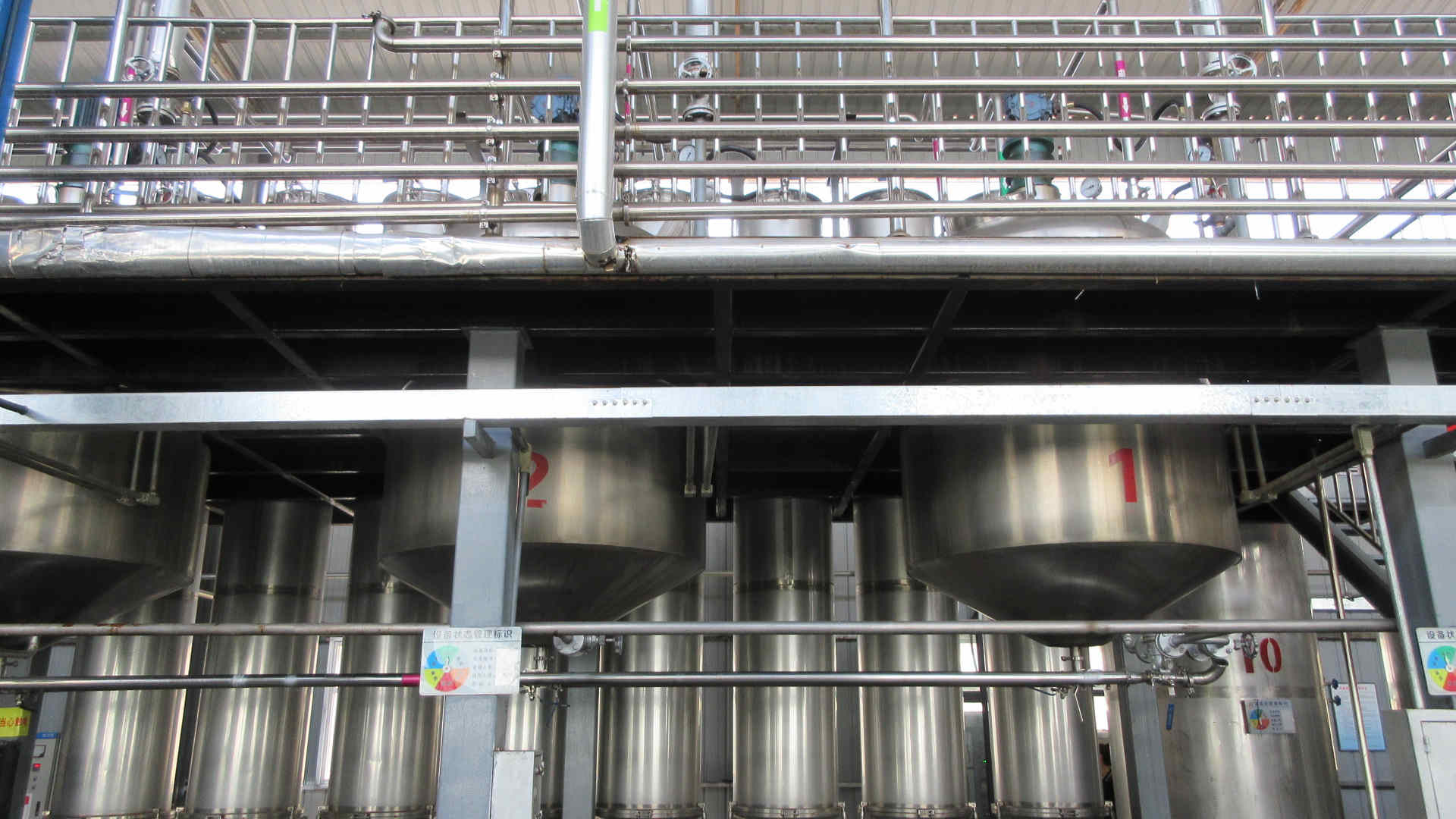
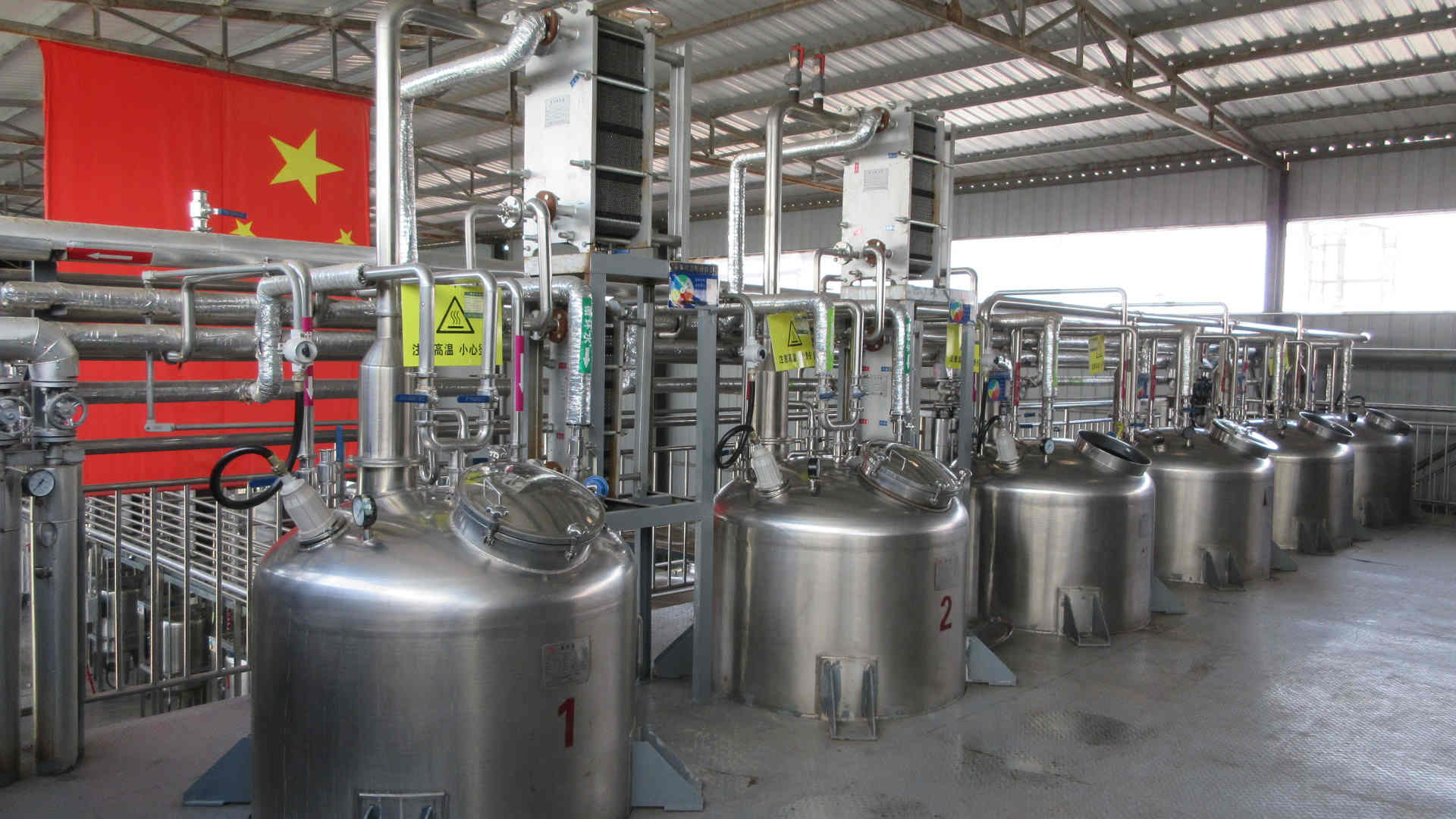
Precision Industrial Equipment Setup

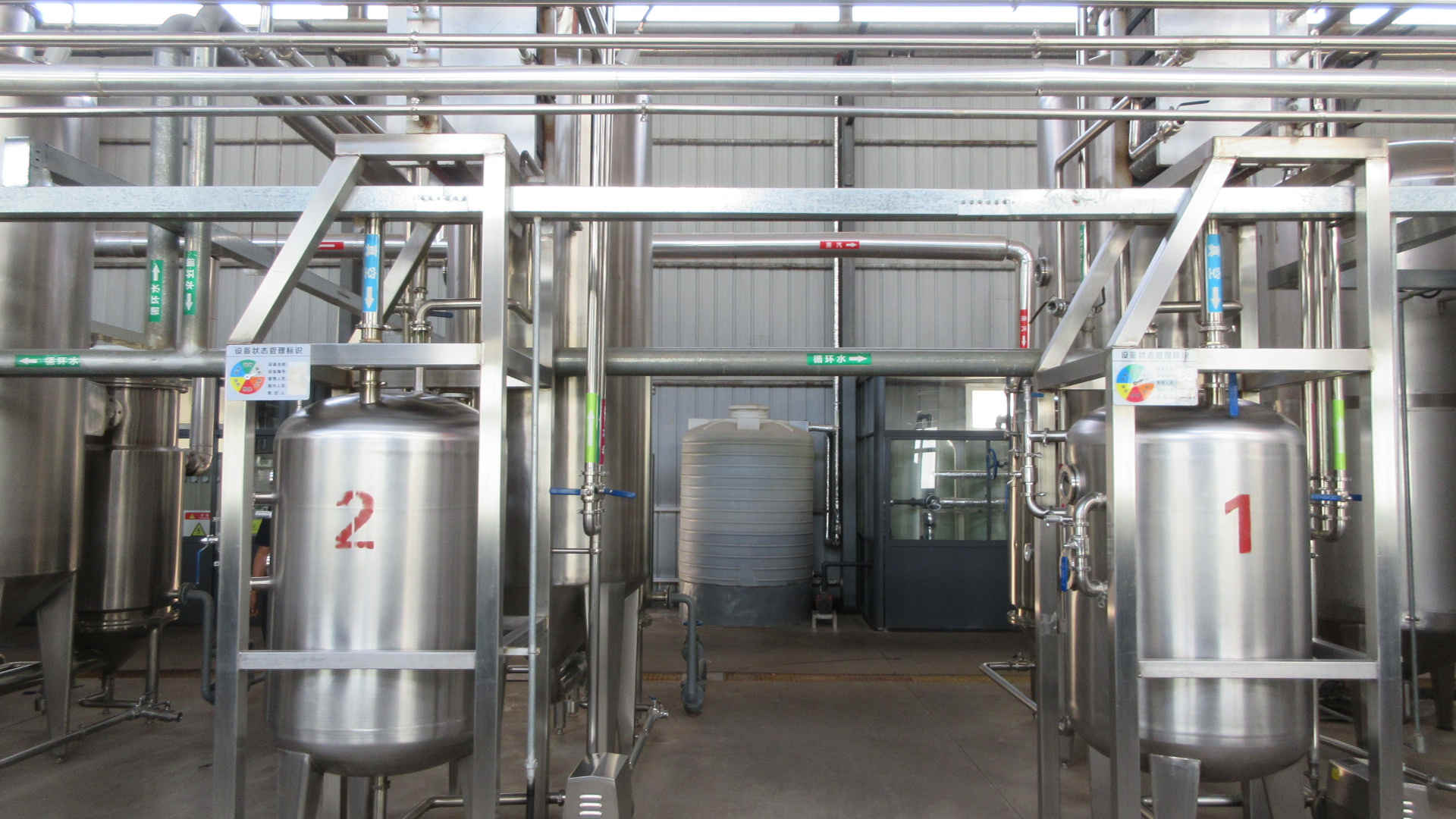
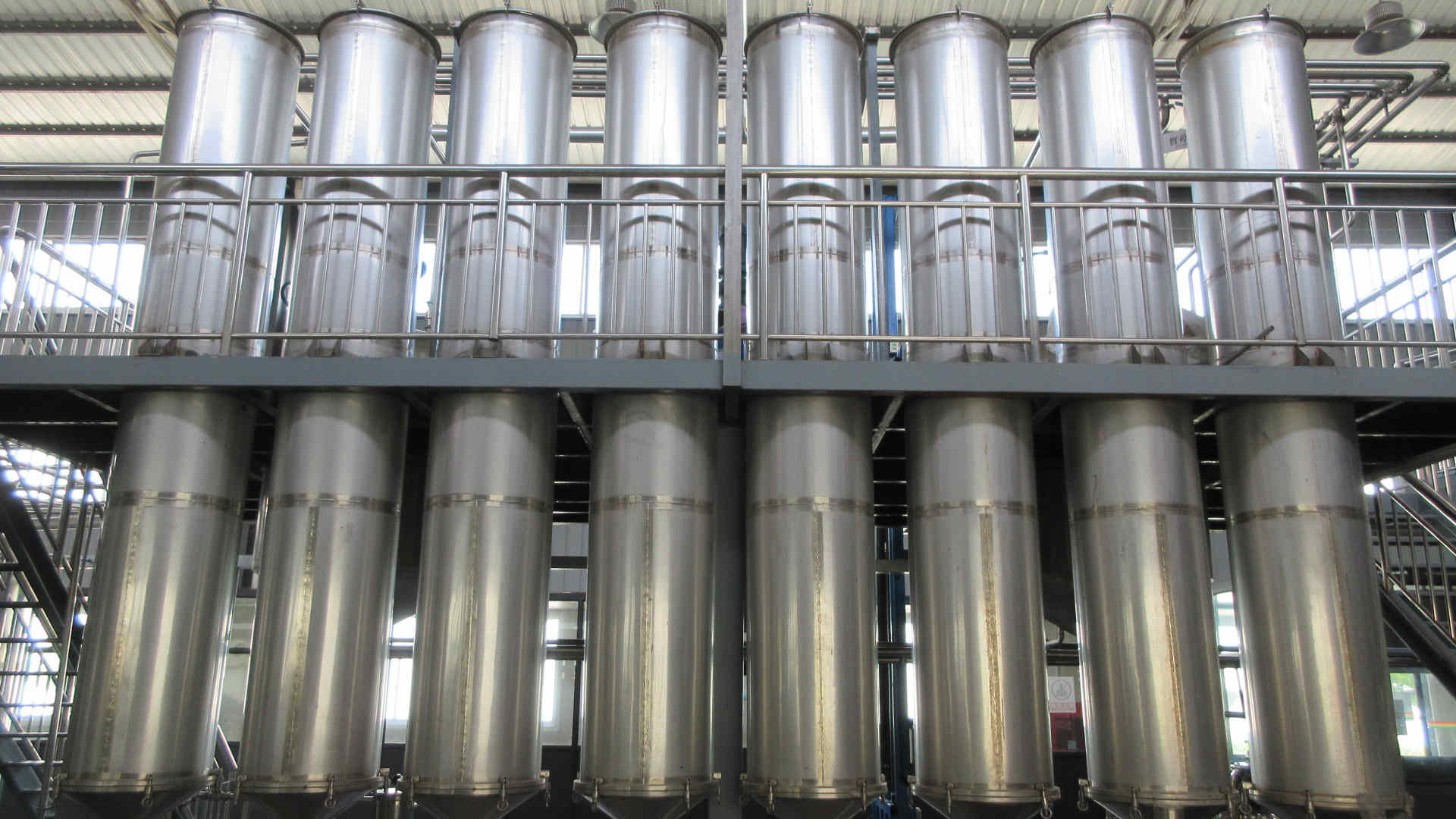
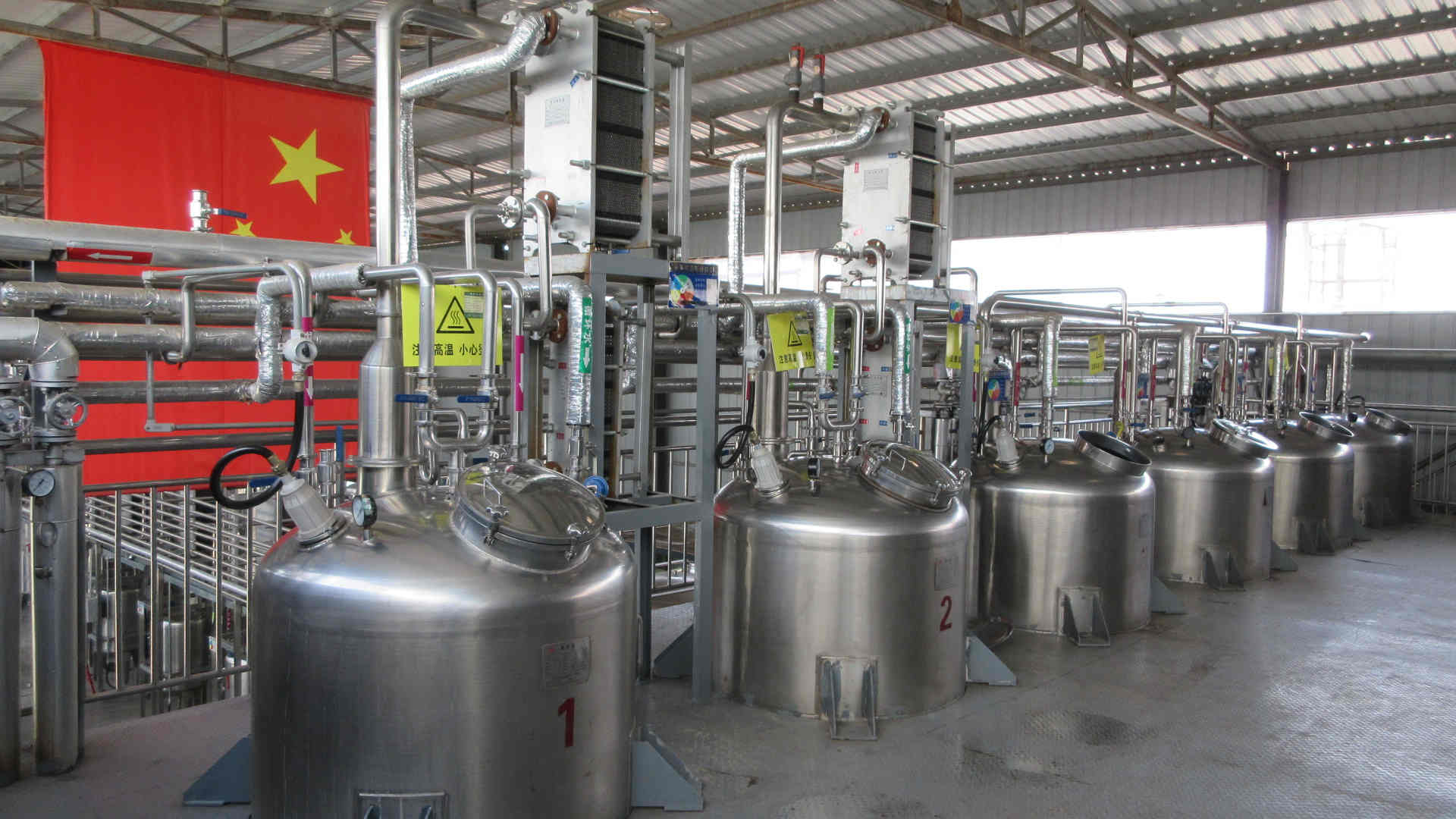
Extract Tank
Extract Tank
Concentrator
Concentrator
Adsorb Equipment
Adsorb Equipment
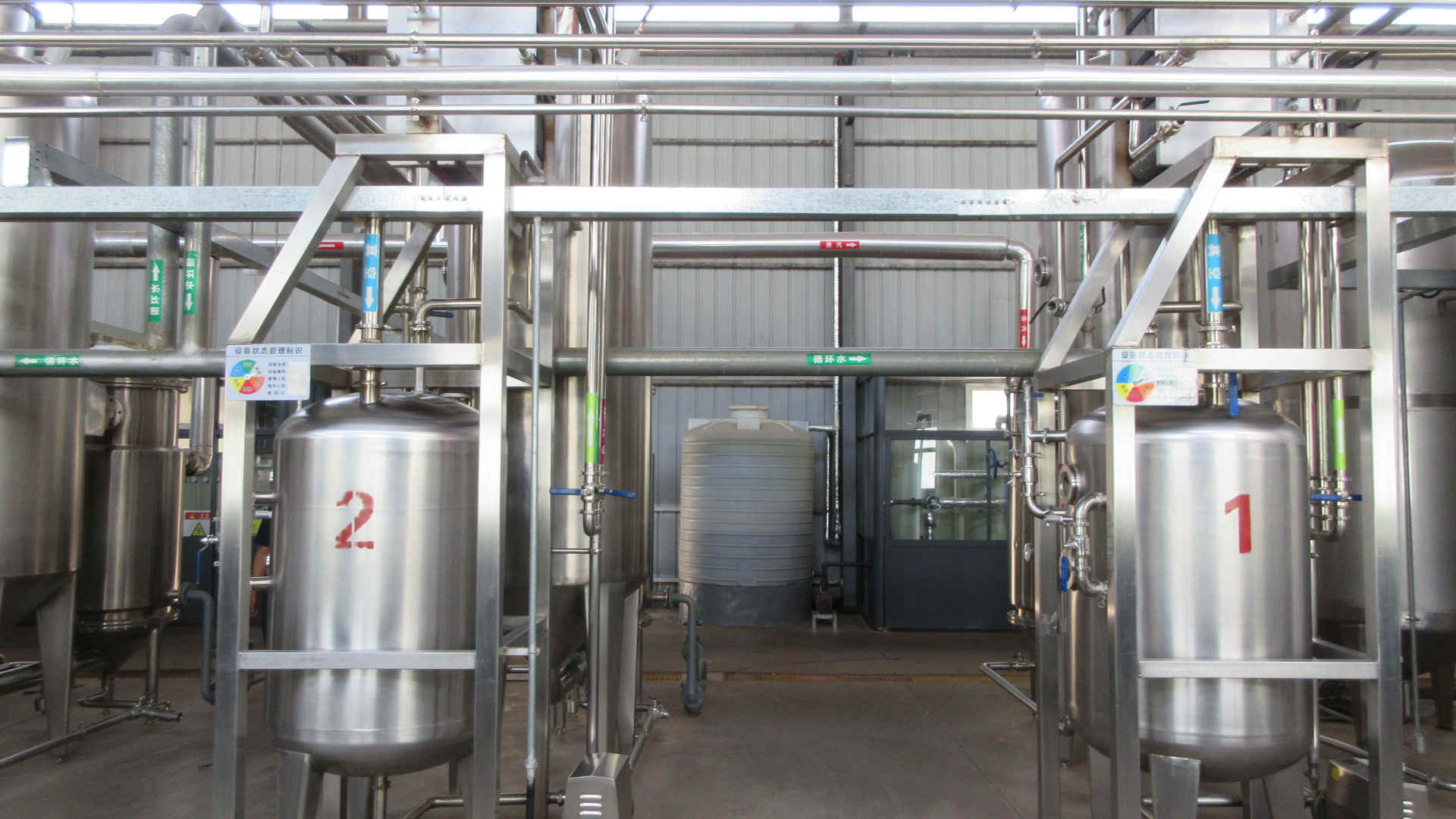
Storage tanks
Storage tanks
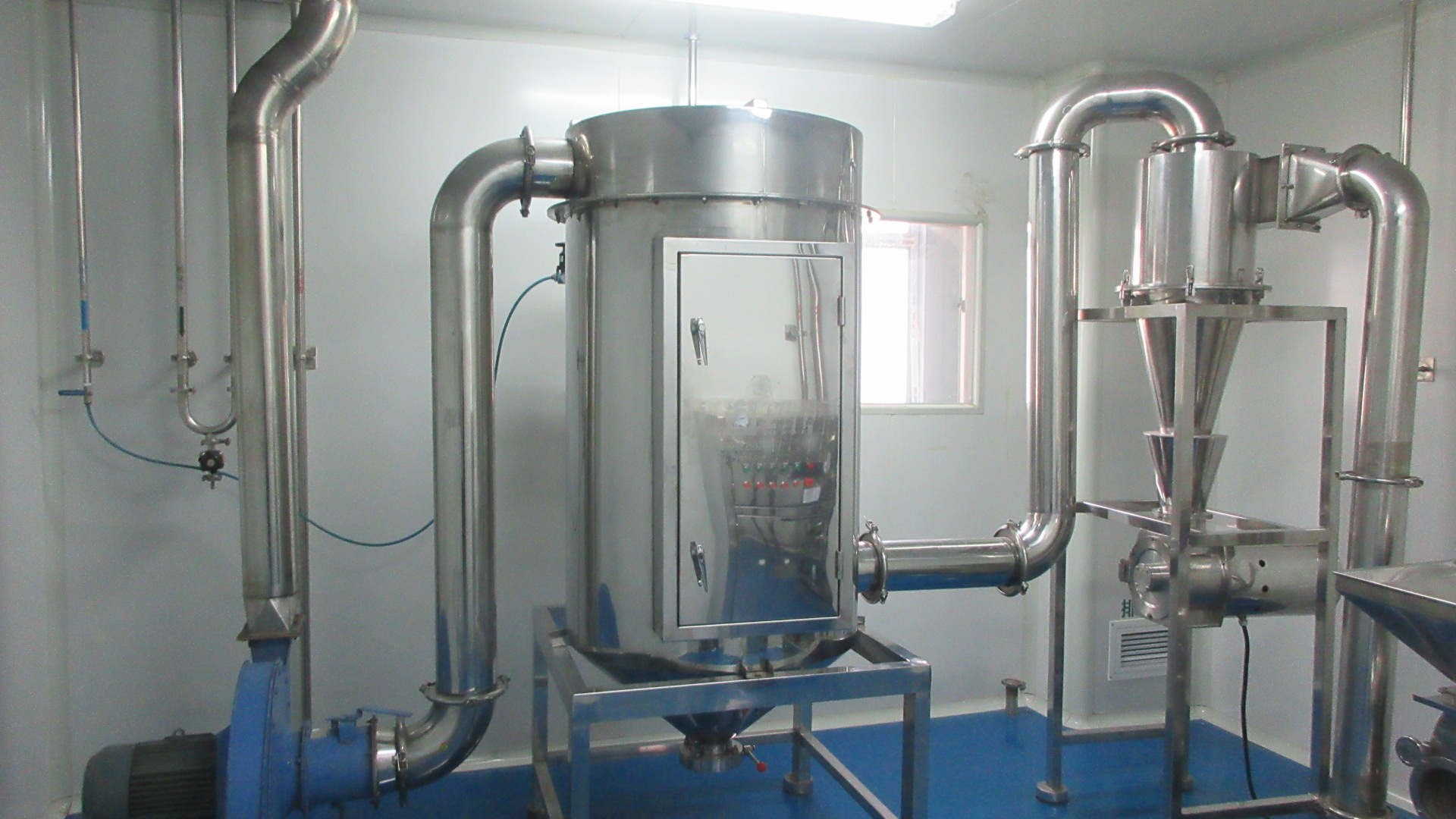
Spray Tower
Spray Tower
Reaction Tank
Reaction Tank

Industrial Superiority: Shaanxi's Integrated Production Platform

Why Shaanxi Province dominates the global bioprocessing arena, combining geographical bio-abundance with cutting-edge manufacturing clusters.

Shaanxi Province is globally recognized as the central hub of China's botanical extraction industry. The Qinling Mountains, which cross the region, provide a rich source of diverse plant species, supplying raw materials such as sorghum, beetroot, gardenia, and yellow yam. This eliminates long-distance transit degradation, allowing Shaanxi Mirae Biology to process freshly harvested biomass within hours.
In addition to raw material proximity, our facility utilizes highly automated extraction lines. By integrating continuous countercurrent extraction (CCE) and multi-stage membrane filtration, we achieve extraction yields up to 20% higher than traditional batch processes. This technological efficiency significantly lowers energy consumption per kilogram, enabling us to offer stable, competitive pricing to our global partners without compromising product purity.
Additionally, our strict adherence to GMP and Kosher/Halal standards makes our raw materials ready for immediate formulation in regulated international markets. From agricultural sourcing to customs clearance, Shaanxi Mirae Biology provides a secure, vertical supply chain that reduces procurement risk.

Global Application Framework for Plant-Derived Colorants

From pH-sensitive food systems to skin-friendly cosmetic formulations, we optimize natural pigments to fit your target matrix.

Clean-Label Food & Beverage

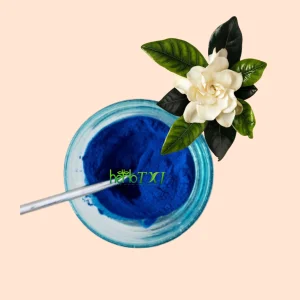
Excellent for active sports drinks, functional beverages, dairy formulations (yogurts, plant-based milks), and confectionery. We recommend utilizing Phycocyanin E18 for heat-monitored formulations, and Gardenia Blue or Green for complex temperature pasteurizations.

Cosmetics & Personal Care

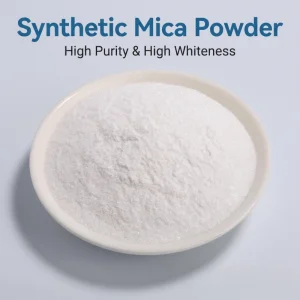
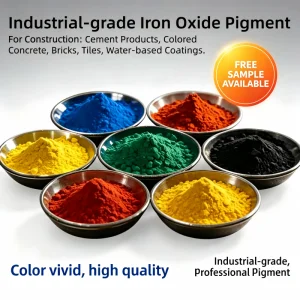
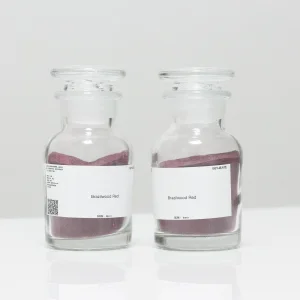
With the rising demand for vegan beauty products, our natural beetroot red, purple yam powder, and heavy-metal-free synthetic mica offer premium alternatives to synthetic dyes in lipsticks, eyeshadows, and mineral powders.

Nutraceuticals & Pharmaceuticals

Used as natural film-coating agents for tablet formulations and soft gel capsules. Ingredients like Sorghum Red and Chlorophyllin serve a dual purpose: coloring the matrix while providing antioxidant benefits that enhance shelf stability.
Industry Outlook & Future Trends: 2025 - 2030

The plant pigment industry is moving beyond basic extraction into specialized molecular optimization. Key trends driving the market include:
  • AI-Driven Crop Monitoring: Utilizing machine learning models to predict pigment concentrations in standing crops, optimizing harvest schedules for maximum potency.
  • Hybrid Stabilizers: Integrating plant proteins (e.g., pea protein isolates) with anthocyanins to prevent fading caused by pH changes and light exposure.
  • Microencapsulation Systems: Surrounding sensitive active compounds like Phycocyanin in maltodextrin or gum arabic matrices to shield them during thermal processing.
  • Global Regulatory Alignment: Increasing pressure from consumer groups to phase out artificial colors (like Titanium Dioxide, E171), speeding up the transition to natural white mineral carriers and clean-label alternatives.
Shaanxi Mirae Biology continues to invest in advanced research and development, collaborating with research universities to design next-generation color stabilizers. This ensures our clients remain ahead of regulatory changes.

Natural Plant Pigments: Procurement & Technical FAQ

Detailed answers to common technical, logistics, and quality assurance questions for international buyers.

1. How does Shaanxi Mirae Biology ensure the color stability of plant-derived pigments?
We use specialized extraction and formulation methods, including spray drying with protective carriers like maltodextrin and microencapsulation. These techniques shield heat-sensitive molecules (e.g., Phycocyanin) from temperature variations, oxidation, and UV light, ensuring consistent color performance during processing.
2. What international certifications do your natural pigments carry?
All our manufacturing processes and final ingredients comply with international standards. We maintain ISO9001, Kosher, Halal, and GMP certifications. Detailed certificates of analysis (COA), allergen statements, and heavy metal test reports (ICP-MS) are provided with every batch.
3. How do pH shifts affect pigments like beetroot red and purple yam?
Anthocyanin-based pigments (like purple yam and sorghum red) change color based on the pH of the medium, appearing red in acidic conditions (pH 1-3) and shifting to purple/blue at neutral to alkaline pH. Betalains (like beetroot red) remain stable across a broader pH range (pH 3.5-7), making them ideal for dairy and confectionery formulations.
4. Can I request customized particle sizes or concentrations?
Yes. We offer OEM and ODM services to meet your specific formulation requirements. We can customize particle size distributions (mesh sizes) and concentration ratios (e.g., E-values for Phycocyanin) to ensure optimal solubility and dispersion in your manufacturing processes.
5. What is the standard packaging and shelf life for your pigment powders?
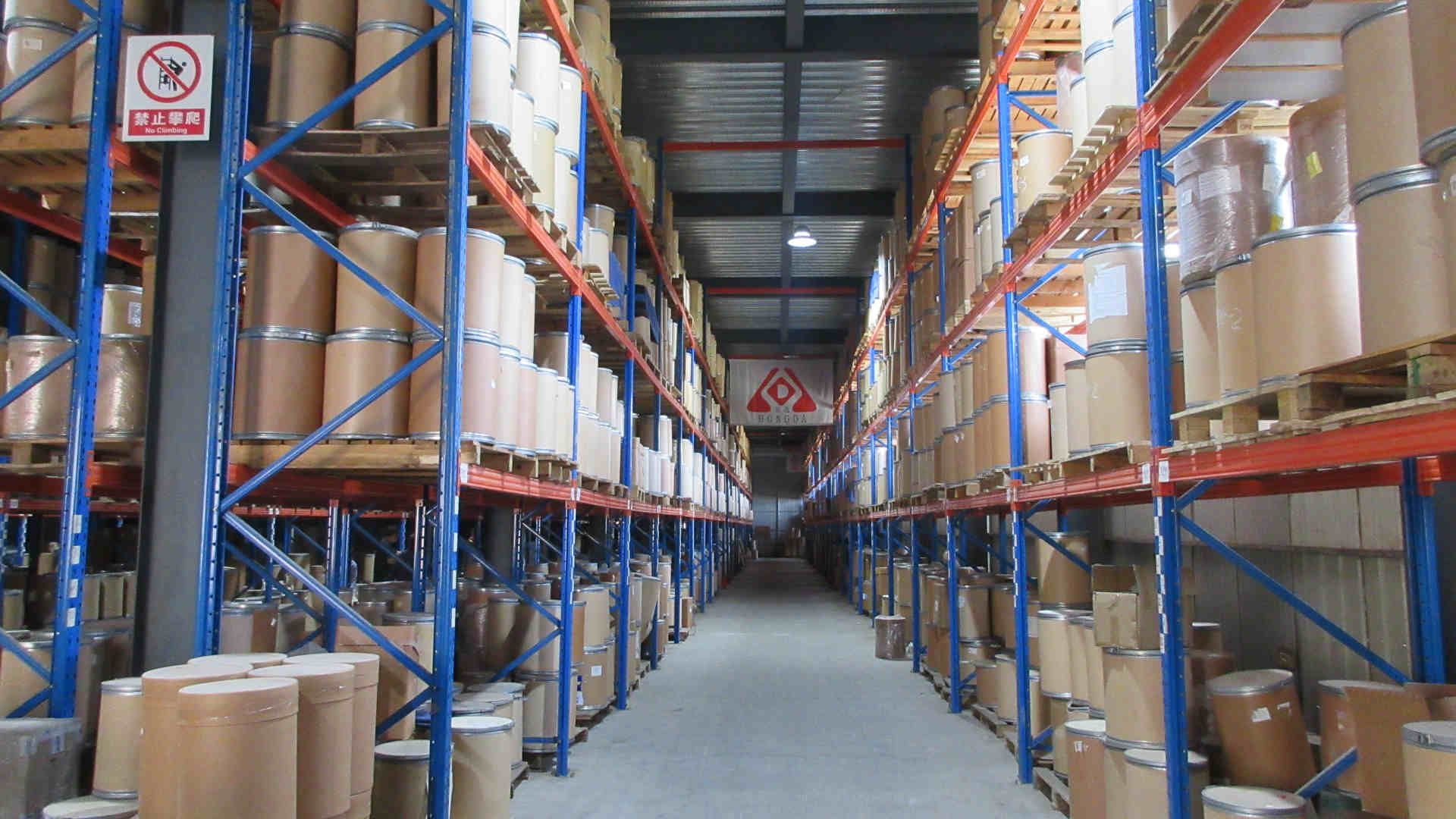
Typically, our pigments are packaged in 25kg fiber drums lined with double-layered food-grade polyethylene bags. Under optimal storage conditions—cool, dry, and away from direct sunlight—our plant-derived pigments have a shelf life of 24 months.
All Natural Plant Pigments Products