China Manufacturer Factory Price Food Antioxidants Butylated Hydroxyanisole Food Additives

Still deciding? Get samples of $ !
Request Sample

Product Description

  • Overview
  • Product Description
  • Product Parameters
  • Detailed Photos

Basic Info.

Model NO.
BHA
EINECS
246-563-8
Packaging Material
Plastic
Storage Method
Normal
Shelf Life
>12 Months
Type
BHA
Resource
Natural
MOQ
25kg
Form
Powder
Color
Yellow
Sample
Available
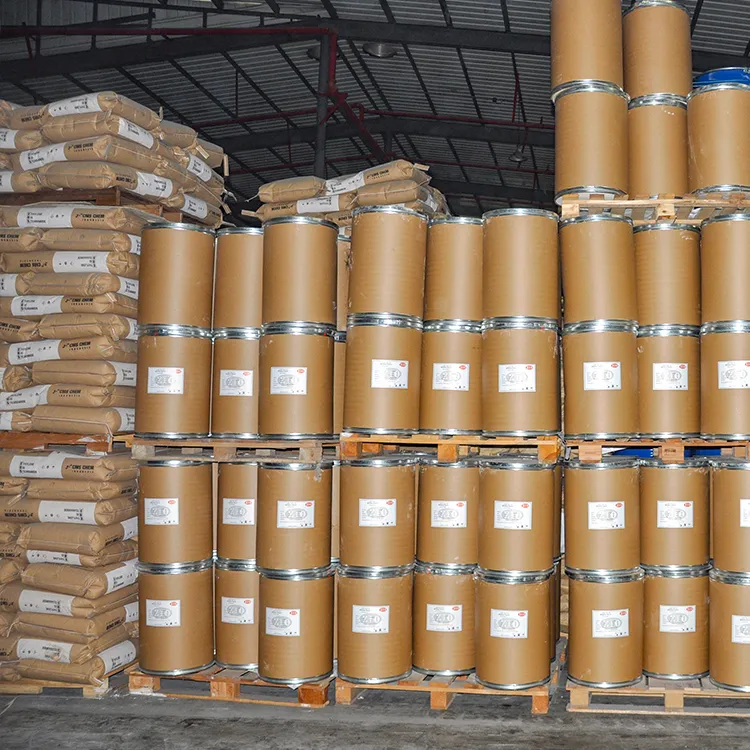
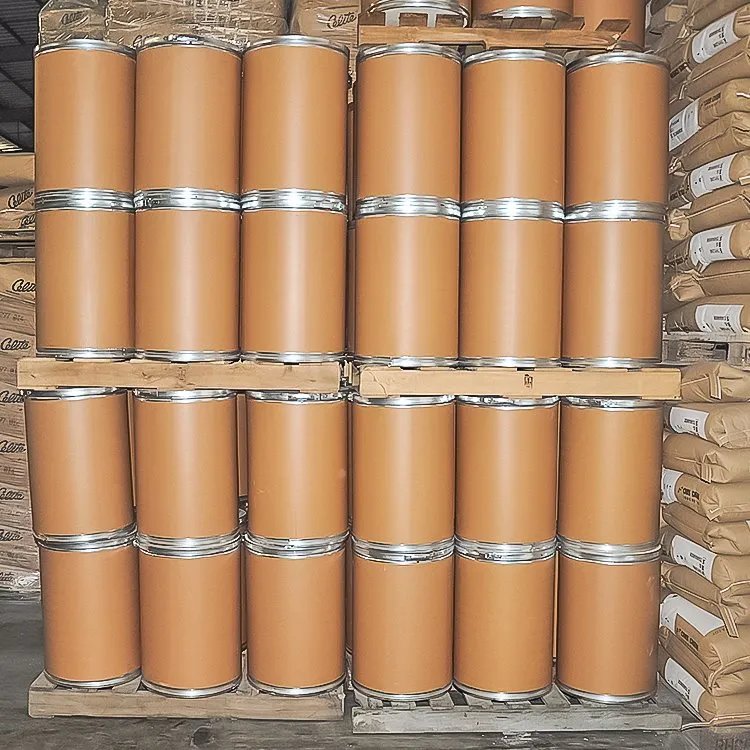
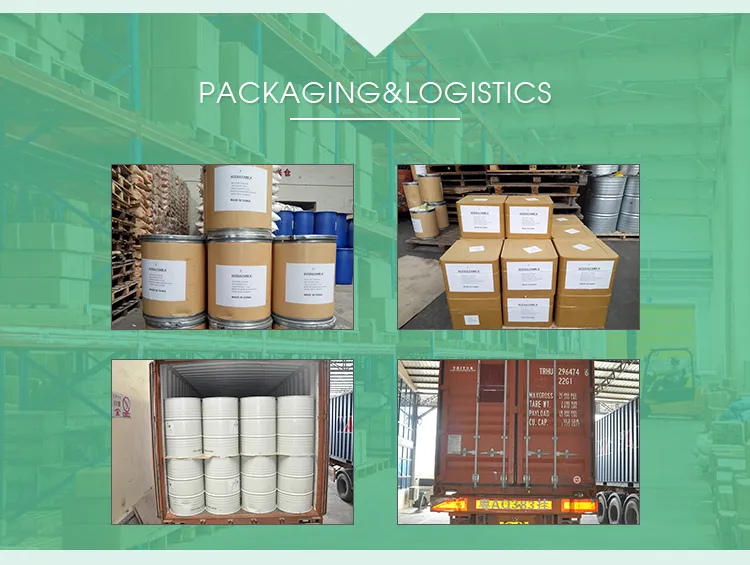
Transport Package
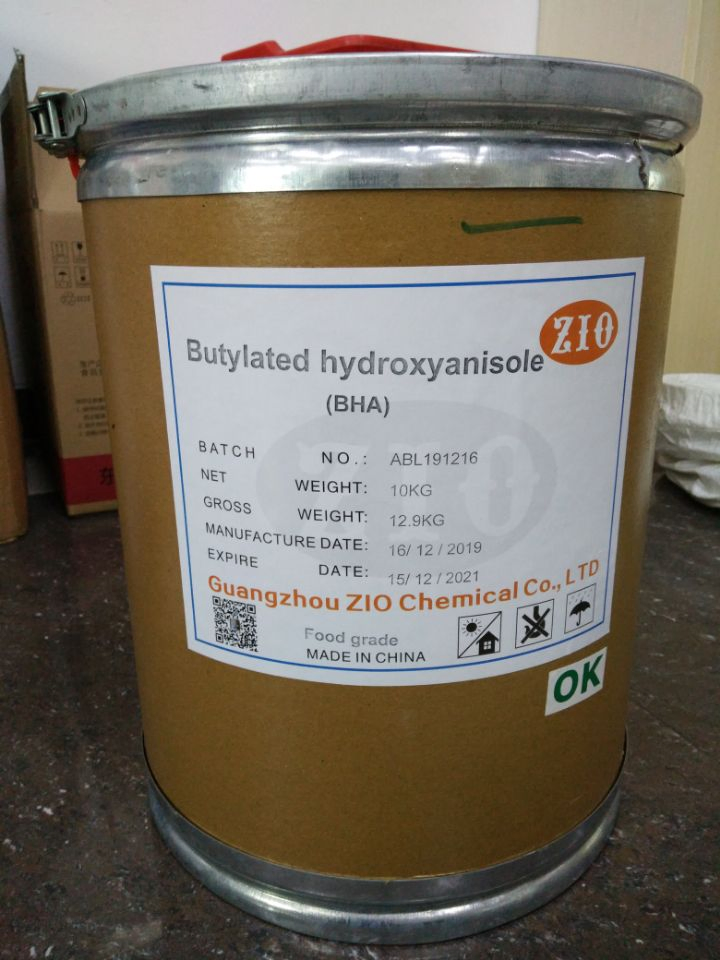
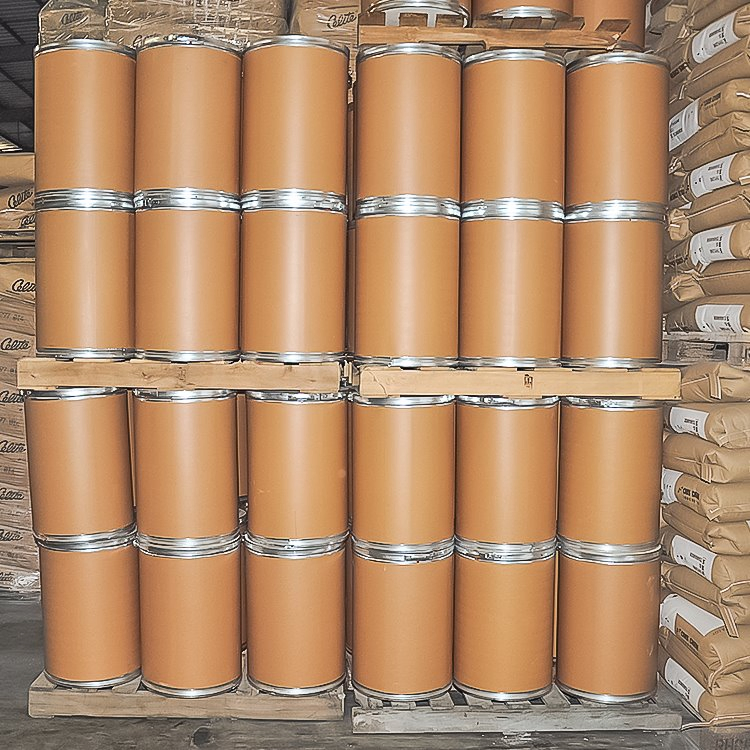
Drum
Specification
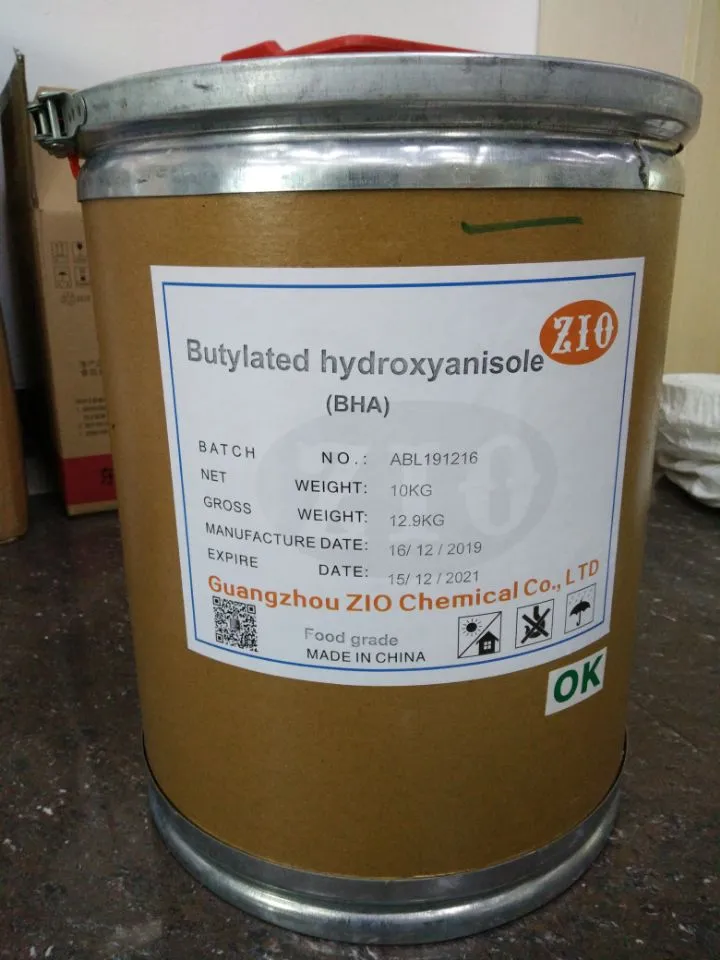
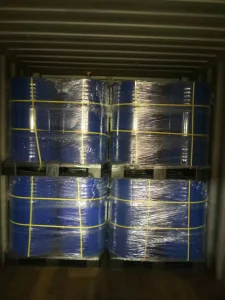
25kg/drum
Origin
China
Production Capacity
10000kg/Months

Product Description

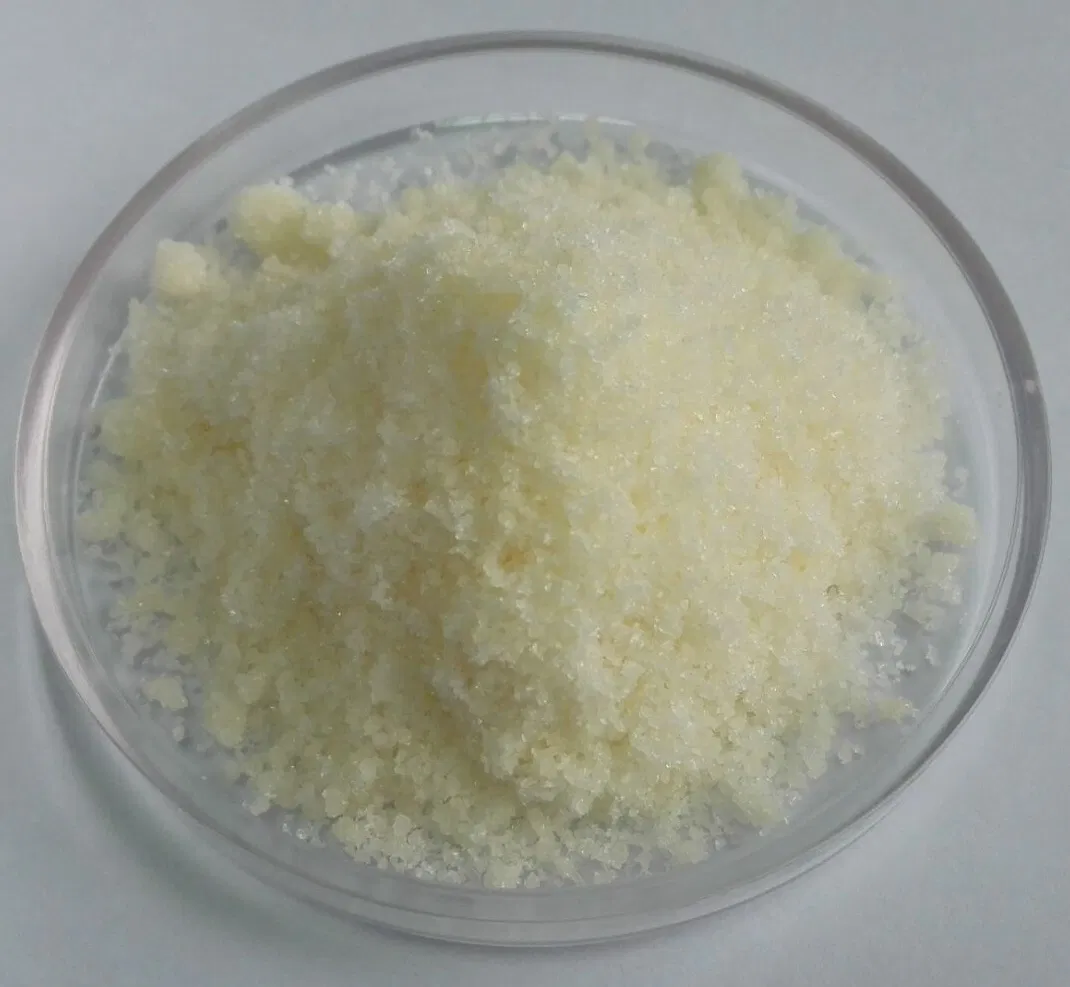
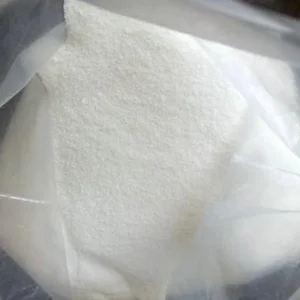
Butylated hydroxyanisole, referred to as BHA. Its appearance is white granular material with a specific odor of phenols and a pungent smell. The melting point varies with the mixing ratio. BHT has monophenol-type volatility and is slightly volatile in pig fat at 61°C. Almost non-hygroscopic. It is quite stable to heat, and the color becomes darker when exposed to light for a long time. It is relatively stable under weakly alkaline conditions.

Butylated hydroxyanisole is relatively stable to heat and is not easily destroyed under weakly alkaline conditions, so it is a good antioxidant. The antioxidant effect of BHA on animal fats is more effective than on unsaturated vegetable oils. Especially suitable for bakery products using animal fat. BHA has the property of changing color due to interaction with alkaline earth metal ions, so iron and copper containers should be avoided when using it. Mixing chelating citric acid or tartaric acid with this product not only synergizes, but also prevents coloration caused by metal ions. BHA has a certain volatility and can be distilled by water vapor, so it is easily lost in high-temperature products, especially in boiled and fried products. BHA can also be used in food packaging materials.

Product Parameters

As a fat-soluble antioxidant, BHA is suitable for fatty foods and fat-rich foods. Due to its good thermal stability, it can be used under frying or baking conditions. In addition, BHA has a strong antioxidant effect on animal fats, but has a poor antioxidant effect on unsaturated vegetable fats. BHA can stabilize the pigment of raw beef and inhibit the oxidation of ester compounds. BHA combined with sodium tripolyphosphate and ascorbic acid can delay the spoilage of frozen pork chops, slightly extend the shelf life of spray-dried whole milk powder, and improve the shelf life of cheese. BHA can stabilize the color of chili peppers and chili powder and prevent oxidation of walnuts, peanuts and other foods. Adding BHA to baking oils and salt can preserve the flavor of baked goods and salty peanuts. Extend the shelf life of baked goods. BHA can be mixed with other fat-soluble antioxidants for better results. If used in combination with dibutylated hydroxytoluene, it can protect carp, chicken, pork chops and frozen bacon slices.

Item Name Specification Details
Item Name Butylated hydroxyanisole (BHA)
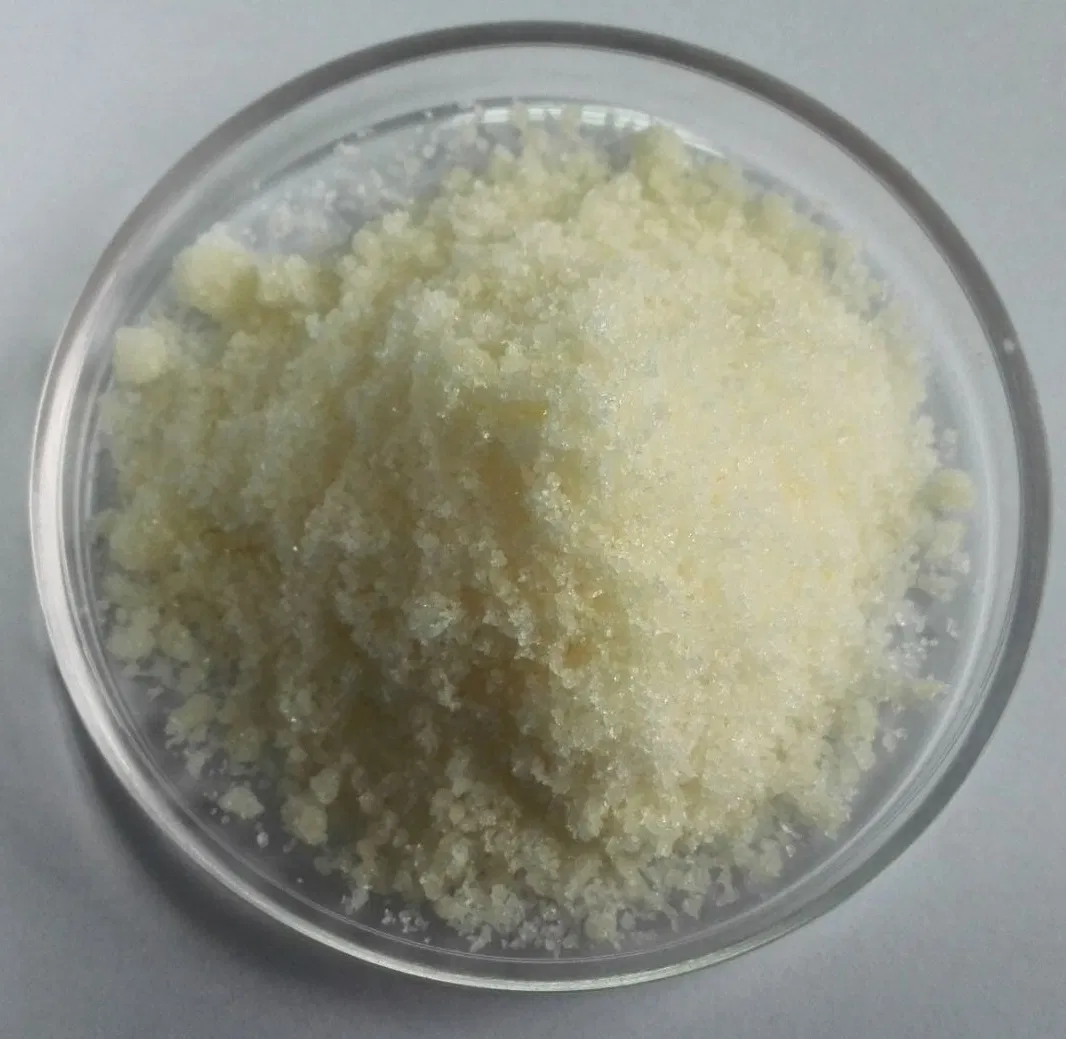
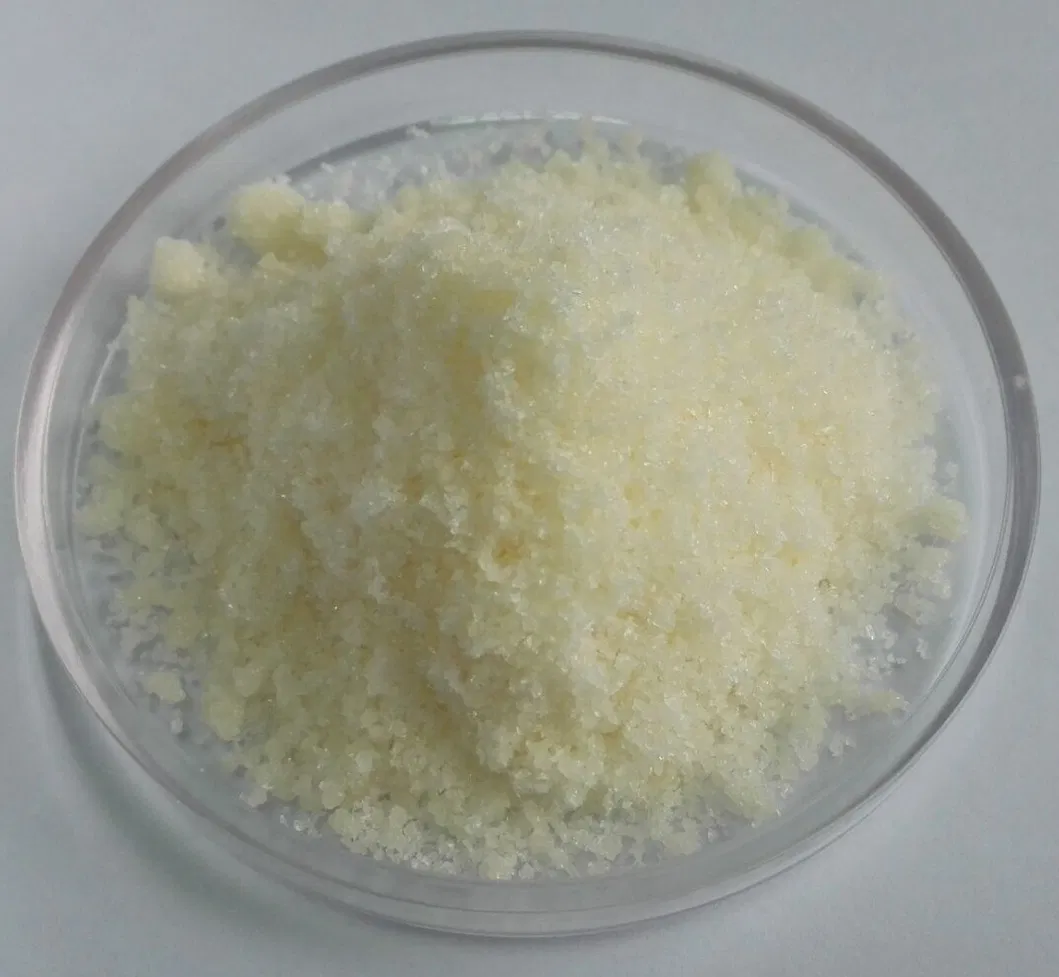
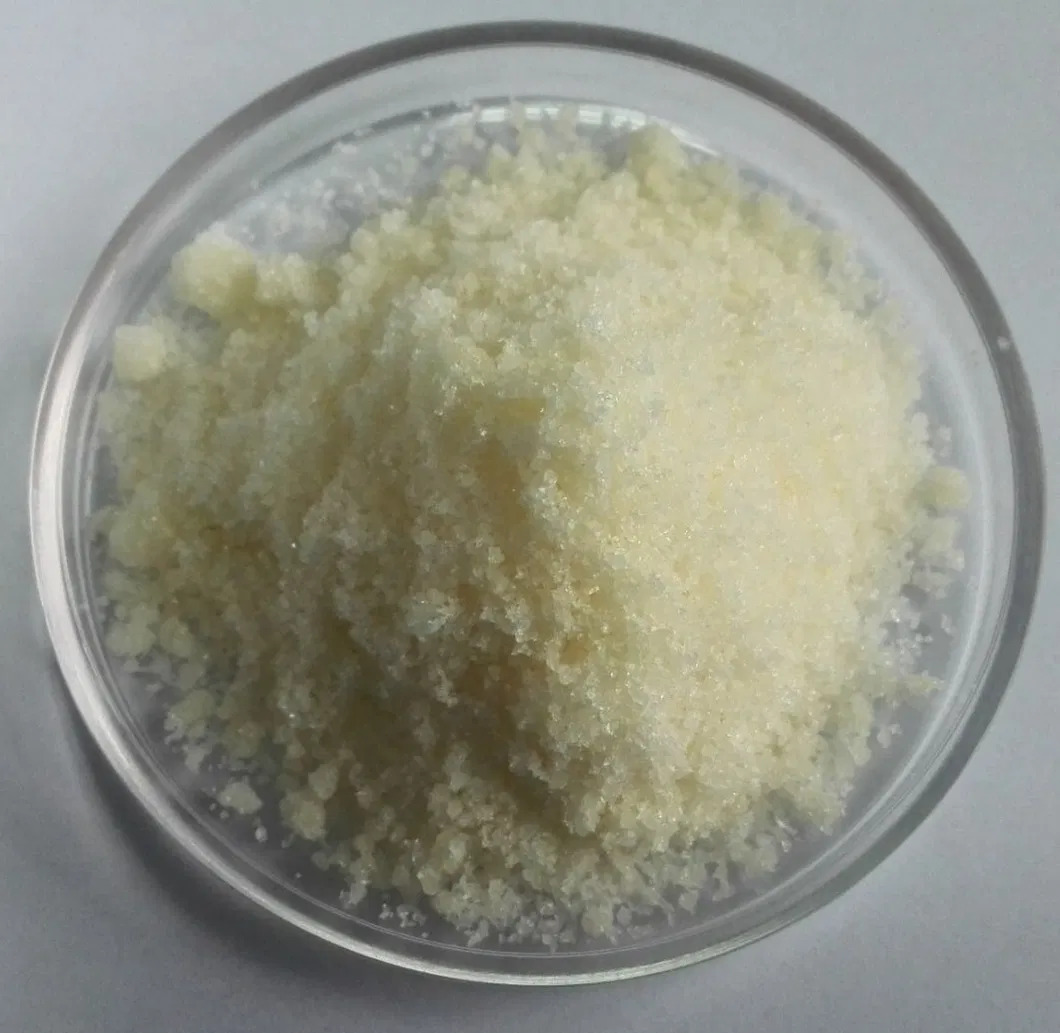
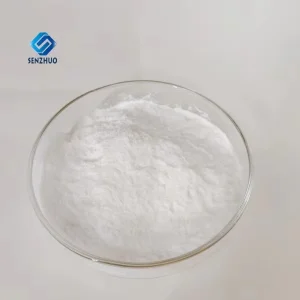
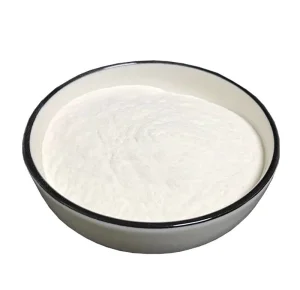
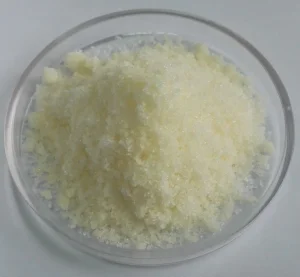
Description White to cream coloured flakes with characteristic odor
Solubility Freely soluble in alcohol, propylene glycol. Insoluble in water
Melting point 62.4ºC
Identification Conforms
Residue on ignition, % 0.0039
Assay(HPLC), % 99.29
Phenolic impurities <0.5
Heavy metal(as Pb), ppm <10
Hydroquinone, % Nil
Arsenic(As), ppm <2
Lead(Pb), ppm <2
Mercury(Hg) <1
SP.ABS(E1% 1cm in ethanol at 290nm) 198.90
SP.ABS(E1% 1cm in ethanol at 228nm) 340.27

Detailed Photos

Food Antioxidants Butylated Hydroxyanisole Food Additives

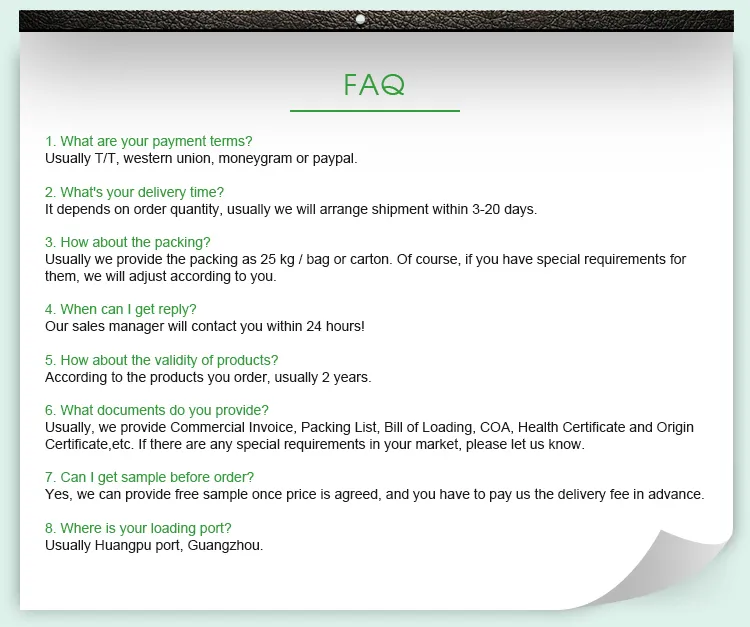
Frequently Asked Questions (FAQ)

1. What is Butylated Hydroxyanisole (BHA)?
Butylated hydroxyanisole (BHA) is a fat-soluble food antioxidant commonly used to preserve fats and oils, preventing them from oxidizing and going rancid. It appears as a white to cream-colored crystalline flake with a mild, characteristic phenolic odor.
2. How does BHA perform under high temperatures?
BHA exhibits excellent thermal stability, making it highly effective for use in foods that undergo high-temperature processing, such as baking and frying. However, because it has some volatility, it can be distilled by water vapor and may undergo slight loss in boiled or fried products.
3. What types of food products is BHA best suited for?
BHA works exceptionally well in animal fats, bakery products, raw beef, frozen pork chops, spray-dried whole milk powder, cheese, walnuts, peanuts, and chili powder. It helps stabilize colors and flavors to extend the shelf life of these foods.
4. Can BHA be used in combination with other antioxidants?
Yes, BHA is often combined with other fat-soluble antioxidants like dibutylated hydroxytoluene (BHT) for synergistic effects. Combining it with chelating agents like citric acid or tartaric acid also prevents discoloration caused by metal ions.
5. Why should copper and iron containers be avoided when using BHA?
BHA can interact with alkaline earth metal ions, which may cause the product to change color. To prevent this chemical discoloration, it is highly recommended to avoid using iron or copper containers during handling and storage.
6. What is the standard packaging and solubility of BHA?
BHA is freely soluble in alcohol and propylene glycol but is insoluble in water. It is typically packed in plastic packaging and drums, with a standard specification of 25kg per drum.

Related Products