How to Effectively Dissolve Plant Extracts in Water for Use?

Time:2026-07-24 Author:Isabella
0%

Dissolving plant extracts in water can be challenging but essential for many applications. Understanding how to dissolve plant extracts in water enhances their benefits in herbal remedies, cosmetics, and food products. The process requires precise technique and appropriate ratios.

Water is a common solvent, yet not all extracts dissolve easily. Certain compounds may need heat or agitation for better solubility. Practicing different methods can lead to unexpected results. It’s important to document these trials. Reflecting on failures enables improvement and deeper understanding.

For effective use, knowing the properties of the plant extracts is crucial. Each extract has unique characteristics affecting solubility. Different plants yield varying results. Experimenting with dilutions and additives can also be beneficial. While there are general guidelines, adjustments may be necessary. Embracing these challenges is part of the learning process.
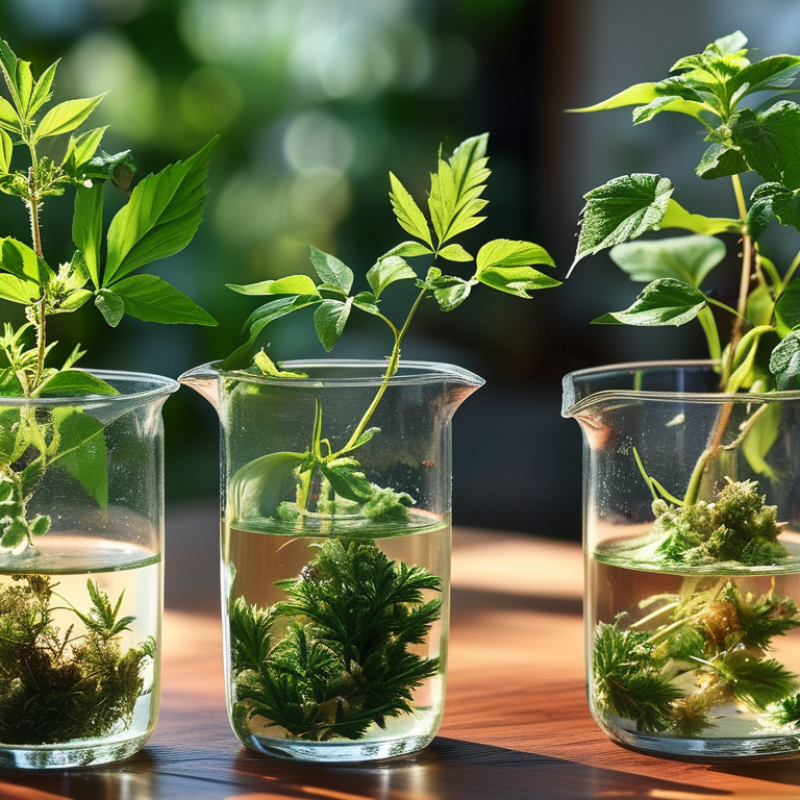
How to Effectively Dissolve Plant Extracts in Water for Use?

Understanding Plant Extracts and Their Solubility in Water

Understanding plant extracts requires a grasp of their solubility characteristics. Many plant extracts contain active compounds that vary in solubility. For instance, flavonoids, common in many plants, dissolve well in water. However, some essential oils are hydrophobic and do not mix with water. This inconsistency can lead to challenges when formulating products that rely on uniformity.

Research shows that about 80% of natural products are poorly soluble in water. This is a significant barrier in various applications, including pharmaceuticals and cosmetics. Effective techniques must be employed to enhance solubility. For instance, microemulsions have shown promise, yielding up to a 50% increase in the solubility of certain extracts. Yet, these methods can sometimes lead to variability in the composition of the final product.

Additionally, the extraction method influences solubility. Cold extraction might preserve volatile compounds, yet it may limit other active components' availability. In contrast, hot extraction could enhance extraction but may also degrade sensitive elements. Understanding these nuances is crucial when addressing solubility challenges. A balanced approach considers the plant's unique properties while optimizing the extraction methodology for better outcomes.

Factors Influencing the Dissolution of Plant Extracts

When dissolving plant extracts in water, several factors come into play. Temperature is crucial; warmer water often promotes better solubility. The solubility of extracts can vary greatly depending on the plant source. For example, some extracts dissolve easily while others do not. The particle size of the extract also matters; finer powders typically dissolve more effectively.

The pH level of the water can influence extraction as well. Acidic or basic conditions can alter the solubility of various compounds. In some cases, adding a surfactant might help increase the dissolution rate. However, not all surfactants are compatible with plant extracts, leading to potential compromise in their efficacy. Understanding these variables may seem straightforward, but many often overlook them in practical applications.

Lastly, agitation or mixing can significantly improve dissolution. Yet, excessive agitation may degrade sensitive compounds. Striking the right balance is essential. Experimentation is key; learning from outcomes can lead to better methods in the future.

Step-by-Step Methods for Dissolving Plant Extracts in Water

Dissolving plant extracts in water can be challenging. Understanding the properties of the extracts is crucial. Different plants have unique compounds that affect solubility. For instance, oils and tannins may not mix well with water.

Start by choosing the right temperature. Warm water often helps to dissolve extracts more effectively. Use a heat source like a thermos or a kettle. Avoid boiling water, as it may degrade sensitive compounds. Stir the mixture gently to encourage the dissolution process.

Another method involves using an emulsifier. This can help in mixing extracts that are oily or have low solubility. Adding a small amount of lecithin or honey can make a difference. These agents trap volatile components and enhance the quality. Always observe how the texture changes. Reflect on whether the mixture achieves the desired consistency. Experimenting with ratios can lead to better results.

Common Challenges and Solutions in Extract Dissolution

Dissolving plant extracts in water presents several challenges. Solubility is often a primary concern. Many plant extracts contain compounds that are hydrophobic. This can lead to a lower dissolution rate. Research shows that up to 90% of plant-based compounds may not fully dissolve in water. This inefficiency can alter the expected therapeutic properties.

To address these challenges, understanding the chemistry of extracts is crucial. For instance, improving temperature can enhance solubility. Studies indicate that heating water to around 60°C increases the solubility of certain compounds by up to 70%. Utilizing emulsifiers or surfactants can also facilitate dissolution. Reports have highlighted that adding lecithin or polysorbate can increase extract solubility significantly.

However, the choice of solubilizer can be a double-edged sword. Some additives might influence the extract's stability. Furthermore, their safety and compatibility with human consumption need evaluation. This highlights the importance of conducting thorough testing. Reflection on these factors can lead to more effective solutions in using plant extracts in various applications. Adequate research and testing can ultimately enhance the efficacy of natural products.

Best Practices for Storing and Using Dissolved Plant Extracts

Storing dissolved plant extracts requires careful attention to detail. Use amber or dark-colored glass containers to block light. Light can degrade the extracts over time. Always label the containers with the date and type of extract. This helps track freshness and potency. Avoid plastic; it may leach chemicals into the solution.

Temperature plays a crucial role. Store extracts in a cool, dark place. Refrigeration is often ideal. However, freezing can alter the texture. When using the extracts, try to minimize exposure to air. Oxygen can cause oxidation, leading to the loss of beneficial properties.

Regularly inspect your stored extracts. Look for changes in color or smell. Uneven consistency may indicate spoilage. If you’re unsure about the quality, it’s safer to discard them. Always account for potential variations in potency after storage. What worked yesterday may not hold true today. Understanding these nuances can improve your experience with plant extracts.

FAQS

: What influences the solubility of plant extracts?

: Active compounds in extracts have varying solubility, affecting product formulation.

Why are most natural products poorly soluble in water?

About 80% of natural products struggle with water solubility, posing challenges in industries like cosmetics.

How can solubility be enhanced for specific plant extracts?

Techniques like microemulsions can improve solubility by up to 50%.

What role does extraction method play in solubility?

Cold extraction preserves volatile compounds but may limit others. Hot extraction enhances yield, but can degrade some elements.

How should dissolved plant extracts be stored?

Use amber glass containers, keep them in cool, dark places, and avoid plastic to prevent chemical leaching.

What happens if extracts are exposed to light?

Light exposure can degrade plant extracts, reducing their effectiveness over time.

How often should stored extracts be inspected?

Regular checks for color and smell changes are important to identify spoilage.

What is the ideal storage temperature for extracts?

A cool, dark place is best; refrigeration is preferable, but freezing can change texture.

Why is it essential to label extract containers?

Labeling helps track freshness and potency, ensuring you use effective extracts.

What should be done if the quality of an extract is uncertain?

If unsure about quality, it's safer to discard the extract. Trust your observations.

Conclusion

In the exploration of how to dissolve plant extracts in water, it is essential to understand the nature of plant extracts and their solubility properties. Various factors, including the polarity of the extract and the temperature of the water, significantly influence the dissolution process. By following systematic methods, one can effectively dissolve these extracts, ensuring better solubility and bioavailability for various applications.

However, practitioners may encounter challenges, such as incomplete dissolution or separation over time. Addressing these issues through proper techniques and understanding the right storage conditions can enhance the efficacy of the dissolved extracts. Adopting best practices not only improves the quality of the extracts but also ensures their optimal usage in formulations.

Isabella

Isabella

Isabella is a dedicated marketing professional with a sharp focus on driving brand growth and engagement through strategic content creation. With an extensive background in digital marketing, she combines her passion for storytelling with her keen understanding of industry trends to deliver......