How to Formulate a Stable Natural Serum in China?

Time:2026-09-12 Author:Ethan
0%

China’s skincare market is large, but natural positioning does not guarantee product stability. The National Bureau of Statistics reported approximately RMB 414.2 billion in cosmetics retail sales in 2023. Euromonitor International also identifies facial skincare as a major category in China’s beauty market. These figures show commercial opportunity, not automatic consumer trust.

The practical question is how to formulate a stable natural serum for China’s climate, supply chain, and regulatory environment. A formula may look clear at 25°C, then separate after refrigerated transport or summer warehouse exposure. Natural oils, botanical extracts, and fermentation ingredients can introduce oxidation, color drift, microbial risk, or unexpected odor. Stability testing must therefore include heat, freeze–thaw cycles, light exposure, packaging compatibility, and preservative challenge testing. Small details matter. A 30 ml amber glass bottle, an airless pump, and a controlled pH can change the risk profile.

China’s Cosmetics Supervision and Administration Regulation requires responsible safety assessment and compliant claim support. NMPA guidance should be reviewed before ingredient selection, labeling, and efficacy communication. ISO 22716 principles can strengthen manufacturing controls, while supplier certificates should be checked rather than accepted blindly. It is not enough.

This guide combines formulation practice, laboratory verification, and market evidence. It also recognizes an uncomfortable limitation: “natural” ingredients vary between harvests, suppliers, and extraction methods. A stable serum may require compromises between sensory elegance, preservation, cost, and botanical content. Those compromises should be documented, tested, and explained honestly.
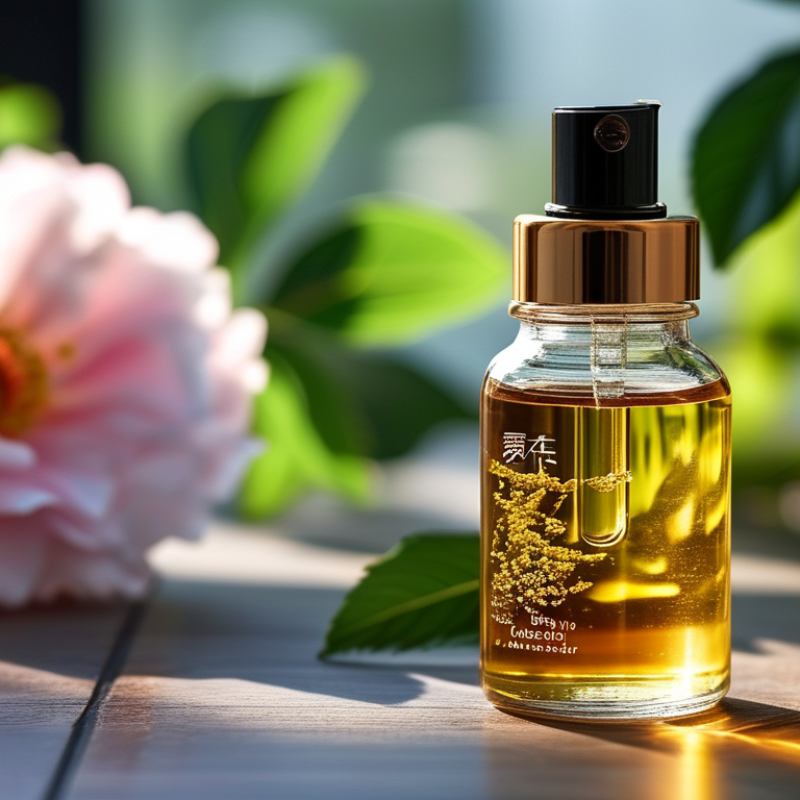
How to Formulate a Stable Natural Serum in China?

Define Stability Goals for a Natural Serum in China

How to Formulate a Stable Natural Serum in China?

Define Stability Goals for a Natural Serum in China

Stability goals should reflect China’s climate, transport, and consumer habits. China’s National Medical Products Administration requires safety assessments to address product stability and preservation risks. The 2021 Technical Guidelines for Cosmetic Safety Assessment support this approach. A natural serum should remain uniform, odor-stable, and microbiologically safe throughout its stated shelf life. That sounds obvious. It is not.

I would set testing targets at 25°C and 60% relative humidity for real-time storage. Accelerated studies should include 40°C and 75% relative humidity, following common cosmetic development practice. Add five freeze-thaw cycles, light exposure, and short-term heat stress. ISO 11930 supports preservative-efficacy testing, while ISO 17516 provides microbiological quality expectations. Test the finished package, not only the bulk serum. Airless packaging may reduce oxygen exposure, but it can also create dispensing problems.

Botanical extracts require special attention. Their color, odor, and active compounds can shift between harvests. A 2023 industry report from China’s cosmetics sector highlighted ingredient traceability and quality consistency as continuing concerns. Therefore, define acceptable limits before formulation begins. For example, pH may vary by 0.3 units, but not freely. I would also test three production batches. One batch can hide a weak process. Perfect stability is unrealistic, and I have seen attractive formulas fail after packaging changes. That failure deserves investigation, not excuses.

Select Compatible Natural Ingredients and Suppliers

How to Formulate a Stable Natural Serum in China?

Natural serum development in China starts with supplier selection, not a beautiful ingredient list. Grand View Research valued the global natural cosmetics market at approximately USD 34.5 billion in 2022. Its report projects a 9.6% compound annual growth rate through 2030. This growth attracts more botanical extract suppliers, but quality varies sharply. Ask for botanical identity, extraction solvent, origin, harvest date, and a complete certificate of analysis. Traceability matters. Request pesticide, heavy-metal, microbial, and residual-solvent results from independent laboratories. A polished specification sheet is not enough.

Choose ingredients with compatible chemistry and realistic Chinese supply conditions. Water-rich aloe, hydrosols, and plant extracts can increase microbial risk. Oxidation-sensitive oils may require low-oxygen filling and suitable antioxidants. Suppliers should provide stability data at elevated temperature, not only fresh appearance photographs. In pilot batches, compare odor, color, viscosity, pH, and microbial counts after storage. Small errors spread. Confirm minimum order quantities, batch consistency, lead times, and documentation before signing. The McKinsey Future of Wellness 2023 report estimated global wellness spending at USD 1.8 trillion, reflecting strong demand for credible natural products. Yet consumer interest cannot replace technical evidence. I would also challenge “natural” claims when suppliers cannot explain preservation, allergen control, or seasonal variation. That uncomfortable question often reveals the real formulation risk.

Design the Serum Formula and Preservation System

How to Formulate a Stable Natural Serum in China?

A natural serum begins with a clear performance target. Decide whether it should hydrate, calm, brighten, or support the skin barrier. Then select water, humectants, oils, and botanical extracts with compatible properties. Extract quality can vary between harvests. That variation needs control. Check pH, odor, color, and microbial limits for every incoming batch. A formula that looks elegant on paper may still separate after two weeks at 40°C.

The preservation system must match the formula, package, and production environment. Natural ingredients do not automatically make a serum safer. Water-rich products need reliable protection against bacteria, yeast, and mold. Adjust the pH only after checking ingredient stability and skin compatibility. Use an airless container when repeated finger contact could increase contamination. However, packaging cannot replace preservation. Test the finished product with a recognized preservative efficacy method, such as ISO 11930, and conduct stability studies under controlled conditions.

In China, documentation should support applicable cosmetic safety and quality requirements. Keep records for raw material specifications, supplier qualification, batch testing, and manufacturing controls. Small details matter. Record the exact botanical extract ratio, mixing temperature, and filling speed. These factors can change viscosity and preservation performance. I would also review the formula after pilot production, not only after laboratory samples. This step is sometimes overlooked. A strong serum is not merely natural; it is reproducible, testable, and suitable for its intended market.

Control Manufacturing Conditions and Packaging Choices

How to Formulate a Stable Natural Serum in China?

Control Manufacturing Conditions and Packaging Choices

Natural serums can oxidize quickly when exposed to oxygen, heat, light, or moisture. Coastal Chinese warehouses may exceed 70% relative humidity during summer. Treat environmental control as part of the formula, not an afterthought. A practical starting point is 20–25°C and 40–60% relative humidity during filling. Record room conditions, bulk holding time, and transfer temperatures for every batch. Manufacturing procedures should follow ISO 22716 principles, including documented cleaning, hygiene, and traceability. Small details matter.

Use accelerated stability testing at 40°C and 75% relative humidity, adapted from ICH Q1A(R2). Real-time testing remains essential for natural ingredients. Check color, odor, viscosity, pH, microbial limits, and active-marker levels. Test at least three pilot batches when possible. I have seen attractive formulas fail because the bulk waited too long before filling. Do not guess. Review the evidence.

Packaging deserves equal attention. An airless pump can reduce repeated oxygen exposure, while opaque glass or high-barrier plastic limits light damage. Test pump compatibility, leakage, spray performance, and container weight loss. The Ellen MacArthur Foundation’s 2023 Global Commitment report noted that participating organizations represented over 20% of global plastic packaging volume. This pressure supports lighter, recyclable designs, but material reduction must not weaken protection. McKinsey’s 2023 beauty industry report projected the global beauty market could approach 580 billion dollars by 2027, making reliable scale-up increasingly important. More testing is not always better. Better-designed testing is.

Test Safety, Stability, and Regulatory Compliance in China

How to Formulate a Stable Natural Serum in China?

Natural ingredients can oxidize quickly in a warm, humid warehouse. Stability testing must examine color, odor, pH, viscosity, and microbial growth. A serum may look clear yet fail after repeated opening. That happens more often than expected.

China’s CSAR requires safety assessment before cosmetic registration or notification. NMPA guidance also expects ingredient compliance, safety evidence, and product testing records. Use GB 7916-2013 for microbiological limits and ISO 11930 for preservative efficacy testing. ISO 11930 measures microbial reduction after controlled inoculation. This gives stronger evidence than a simple total-count test.

Keep samples at room temperature, elevated temperature, low temperature, and under freeze–thaw cycles. Record changes at defined intervals, such as 0, 7, 14, 28, and 90 days. Do not rely on one laboratory result.

Packaging deserves equal attention. Airless pumps can reduce oxygen exposure, but compatibility testing is still necessary. Check leakage, discoloration, weight loss, and pump performance.

China’s NIFDC technical resources emphasize standardized safety evaluation and traceable test documentation. Preserve every batch record, raw-material specification, and laboratory report.

Some natural extracts vary between harvests. That weakness needs reflection. A formula that passed once may not remain stable after sourcing changes. Independent testing and qualified Chinese regulatory review can reveal those gaps before market submission.

FAQS

What should be checked before choosing natural ingredient suppliers?

Request botanical identity, extraction solvent, origin, and harvest date. Ask for a complete certificate of analysis. Traceability matters. Check pesticide, heavy-metal, microbial, and residual-solvent results from independent laboratories.

Why are supplier documents not enough?

A polished specification sheet can hide inconsistent batches. Compare odor, color, viscosity, pH, and microbial counts during pilot storage. Fresh photographs prove very little. The uncomfortable part is seasonal variation.

Which natural ingredients create higher formulation risks?

Aloe, hydrosols, and plant extracts contain significant water. They can support bacterial, yeast, and mold growth. Oxidation-sensitive oils may develop unpleasant odors. Low-oxygen filling and suitable antioxidants may help.

How should a serum’s performance target guide formulation?

Define whether the serum should hydrate, calm, brighten, or support the skin barrier. Then select compatible water, humectants, oils, and extracts. A beautiful ingredient list is not a performance plan.

How can formulators reduce separation and instability?

Check pH, odor, color, and viscosity after storage. Run controlled stability studies, including elevated-temperature conditions. For example, inspect samples after two weeks at 40°C. The formula may separate unexpectedly.

What preservation approach is suitable for a water-rich natural serum?

Match preservation to the formula, packaging, and production environment. Test protection against bacteria, yeast, and mold. Confirm preservative performance with a recognized efficacy method. Packaging cannot replace preservation.

Can airless packaging solve contamination problems?

Airless packaging can reduce repeated finger contact and exposure. It cannot compensate for weak preservation or poor manufacturing controls. Not always. The complete system still needs testing.

What production records should be maintained?

Keep supplier qualifications, raw material specifications, batch tests, and manufacturing records. Record extract ratios, mixing temperature, and filling speed. These details can affect viscosity and preservation. Pilot production may reveal problems laboratory samples missed.

Conclusion

Learning how to formulate a stable natural serum in China begins with clearly defining stability goals, including the desired shelf life, texture, appearance, scent, and performance under temperature and humidity changes. Natural ingredients should be selected for compatibility, quality, and traceability, while suppliers are evaluated for consistent specifications, testing documentation, and reliable production capacity. The formula should balance botanical extracts, oils, humectants, emulsifiers, and active ingredients without creating unwanted reactions or separation.

A suitable preservation system is essential, especially because water-based serums may support microbial growth. Manufacturing conditions should be carefully controlled through hygienic processes, accurate weighing, validated mixing, and appropriate filling procedures. Packaging must protect the serum from light, air, moisture, and contamination. Finally, the product should undergo safety assessments, microbial testing, accelerated and long-term stability studies, and compatibility checks between the formula and its container. All ingredients, labels, claims, and production processes should also be reviewed against applicable cosmetic requirements in China before market release.

Ethan

Ethan

Ethan is a seasoned marketing professional with a deep expertise in our company's innovative product line. With a passion for sharing knowledge and insights, he takes the lead in regularly updating our corporate blog, where he explores industry trends, product features, and effective marketing......