Many people turn to health food supplements to improve their well-being. They seek various benefits, hoping for quick results. However, some may wonder, "why is my health food supplement not working?" This question can lead to frustration. It’s important to understand that individual responses to supplements can vary significantly.
Perhaps the supplement isn’t right for your specific needs. Dosage may play a crucial role as well. Are you taking the recommended amount? On the flip side, some supplements require consistent use over time to show effects. Patience is key in this journey.
Additionally, combining supplements with a poor diet can diminish their effectiveness. If you’re not eating nutrient-rich foods, you might not see results. It’s essential to maintain a balanced lifestyle. Reflecting on these factors can help you uncover the reasons behind your supplement struggles.
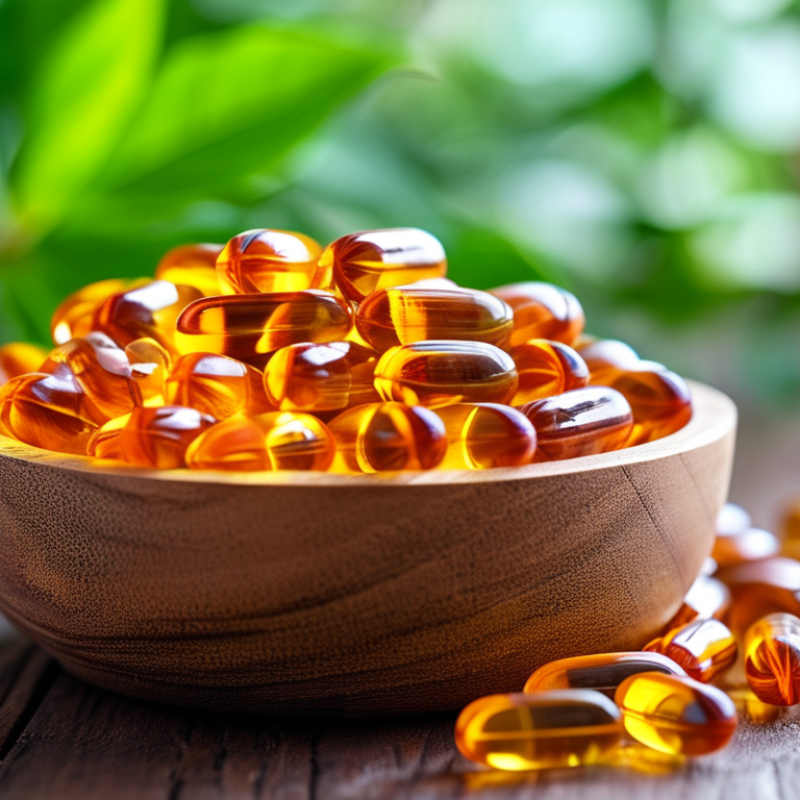
When it comes to health food supplements, individual nutritional needs play a crucial role. Each person's body absorbs nutrients differently. Factors such as genetics, age, and health history influence how well a supplement works. For some, certain vitamins or minerals may not be effectively utilized, leading to unsatisfactory results.
Bioavailability is another important concept to consider. This term refers to how much and how quickly a nutrient is absorbed into the bloodstream. Some supplements are formulated with ingredients that enhance bioavailability. Others may not provide adequate absorption, leaving individuals frustrated. Thoughtful consideration of your diet and lifestyle can help identify why a supplement may not be delivering desired effects.
It's worth reflecting on your own health goals and dietary habits. Are you taking supplements consistently? Are they in line with your specific needs? Sometimes, even minor adjustments to your routine can make a difference. Exploring various nutrient sources could enhance overall effectiveness. Personalization is key in nutrition.
Timing and dosage play crucial roles in the effectiveness of health supplements. Research shows that up to 50% of users do not take supplements at the optimal time. For example, many nutrients are best absorbed with food, while some may be more effective on an empty stomach. A study in the *Journal of Nutritional Science* found that timing significantly influenced the absorption rates of vitamins and minerals, affecting overall health outcomes.
Dosage is equally important. An analysis published in *Nutritional Research Reviews* suggests that taking too little of a supplement can lead to suboptimal results. Many individuals underestimate the required dosage for specific benefits. For instance, vitamin D has established daily recommendations, but studies indicate that higher doses may be necessary for individuals with low serum levels.
Moreover, personal factors, such as age and metabolic rate, can affect how supplements work. This variability can lead to frustration for those expecting immediate results. It's essential to reflect on whether one is using the right dosage at the right time. Finding the right balance can take time and experimentation. Adjustments may be needed based on ongoing assessments of one’s health and lifestyle.
| Supplement Type | Recommended Dosage (mg) | Timing for Effectiveness | Common Issues Identified |
|---|---|---|---|
| Omega-3 Fish Oil | 1000 - 3000 | With meals for better absorption | Gastrointestinal discomfort if taken on an empty stomach |
| Vitamin D | 600 - 2000 | In the morning for optimal absorption | Ineffective if taken without fat-source food |
| Magnesium | 310 - 420 | Before bedtime to aid relaxation | May cause laxative effect if overdosed |
| Probiotics | 1 - 10 billion CFUs | On an empty stomach for maximum benefit | Varies by strain; not all survive stomach acid |
| B Vitamin Complex | 50 - 100 | In the morning for energy boost | Can cause jitters if taken too late in the day |
When considering why your health food supplement may not be as effective as hoped, medication interactions often play a significant role. According to a report by the National Institutes of Health (NIH), over 50% of Americans take dietary supplements, yet many do not realize how their medications can interfere with these products.
For instance, some supplements can alter the metabolism of certain medications. A study found that St. John's Wort can reduce the efficacy of antidepressants by accelerating their breakdown. Similar interactions exist with other supplements, such as calcium or magnesium, which can hinder the absorption of certain antibiotics.
Individuals often overlook these factors. Over 70% of people may not understand the potential for drug-supplement interactions. This lack of awareness creates a gap between expected and realized benefits. Consulting with a healthcare professional can help bridge this gap. This approach ensures that both supplements and medications work effectively to improve health outcomes. Always prioritize informed decisions regarding your health.
Gut health plays a critical role in how effectively health food supplements work. The gut houses trillions of bacteria, forming a complex microbiome that aids in nutrient absorption. Research indicates that about 70% of immune function originates in the gut. This implies that an unbalanced microbiome can hinder the absorption of essential nutrients from supplements. Factors like diet, stress, and medication all influence gut health.
Lifestyle choices also significantly impact nutrient absorption. Regular physical activity enhances circulation and digestion, aiding in nutrient delivery throughout the body. Conversely, high-stress levels can lead to a leaky gut, where toxins enter the bloodstream, disrupting nutrient absorption. A study published in the Journal of the American College of Nutrition highlighted that individuals consuming a diet rich in fiber and fermented foods report better absorption of nutrients.
Many overlook the importance of hydration. Dehydration can slow down the digestive process, further impairing nutrient absorption from supplements. A study found that even mild dehydration could reduce the body’s overall efficiency in absorbing vitamins and minerals. Reflecting on these factors may provide insights into why some health food supplements do not seem effective.
Quality control and regulation are crucial in the supplement industry. Many consumers invest in health supplements with the hope of improving their well-being. However, not all products deliver the promised results. This can often be traced back to inconsistent quality standards among manufacturers.
Various companies have different approaches to formulation and testing. Some may prioritize profits over efficacy, leading to inferior products. Regulation varies widely by country, and in some places, the supplement industry is less scrutinized than pharmaceuticals. This discrepancy can result in supplements that contain unwanted fillers or insufficient active ingredients.
Additionally, consumers often overlook product sourcing and ingredient transparency. A lack of third-party testing can mean lower reliability in terms of potency and purity. It’s essential to seek products that adhere to stringent quality checks. Understanding where your supplements come from can empower you to make informed decisions. If your supplement isn’t working, reflecting on its quality and regulation may reveal answers.
: Timing affects the absorption of nutrients. Many nutrients are absorbed better with food or on an empty stomach.
Taking a low dosage can lead to suboptimal results. Many people underestimate the necessary amount for benefits.
Yes, age and metabolic rate can influence supplement effectiveness. This variability can cause frustration for users.
Look for products with third-party testing and ingredient transparency. This can help ensure potency and purity.
Different companies have varying quality standards. Some prioritize profits over product effectiveness, leading to inferior supplements.
Regulation varies by country, and some regions lack strict scrutiny compared to pharmaceuticals. This inconsistency can cause quality issues.
Reflect on the quality and timing of your supplement. Adjusting dosage and ensuring sourcing may provide answers.
Finding the right dosage may require time and experimentation. Ongoing assessments of your health are crucial.
Many users fail to follow dosage guidelines or take supplements at the wrong time. These mistakes can hinder results.
Yes, low-quality supplements may contain fillers or insufficient active ingredients, leading to ineffective results.
When exploring the question of "why is my health food supplement not working," it’s essential to consider various factors affecting its effectiveness. Individual nutritional needs and the bioavailability of the supplement play critical roles; not every supplement is suitable for every person. Additionally, dosage and timing significantly influence how well a supplement performs. Taking it at the wrong time or in an inadequate amount can hinder its intended benefits.
Moreover, interactions between supplements and medications must be acknowledged, as they can alter absorption rates and overall effectiveness. Factors such as gut health and lifestyle choices, including diet and exercise, greatly impact how well the body absorbs nutrients. Lastly, quality control and regulation in the supplement industry can vary, leading to discrepancies in product effectiveness. Understanding these aspects can help address concerns about supplement performance.
Mirae Biology