In the world of natural skincare, many consumers face a common dilemma: "why is my natural moisturizer separating?" This issue can cause frustration and concern about product effectiveness. Dr. Emily Larson, a renowned skincare chemist, emphasizes the importance of understanding the components of natural moisturizers. She once stated, "The stability of natural products relies heavily on their formulation and storage conditions."
When natural moisturizers separate, it's often due to the absence of synthetic stabilizers. Natural ingredients can behave unpredictably, particularly with temperature changes. For instance, oils and water-based components may not blend harmoniously if kept in fluctuating environments. This can lead to an unsightly appearance, raising questions about the product's safety and efficacy.
However, separation doesn't always mean the product is unusable. Users should always evaluate the smell and texture before usage. Learning from experts like Dr. Larson can help consumers navigate these challenges. Understanding why separation occurs can lead to better skincare choices and enhance product longevity. Recognizing the imperfections in natural products can pave the way for deeper appreciation of their benefits.
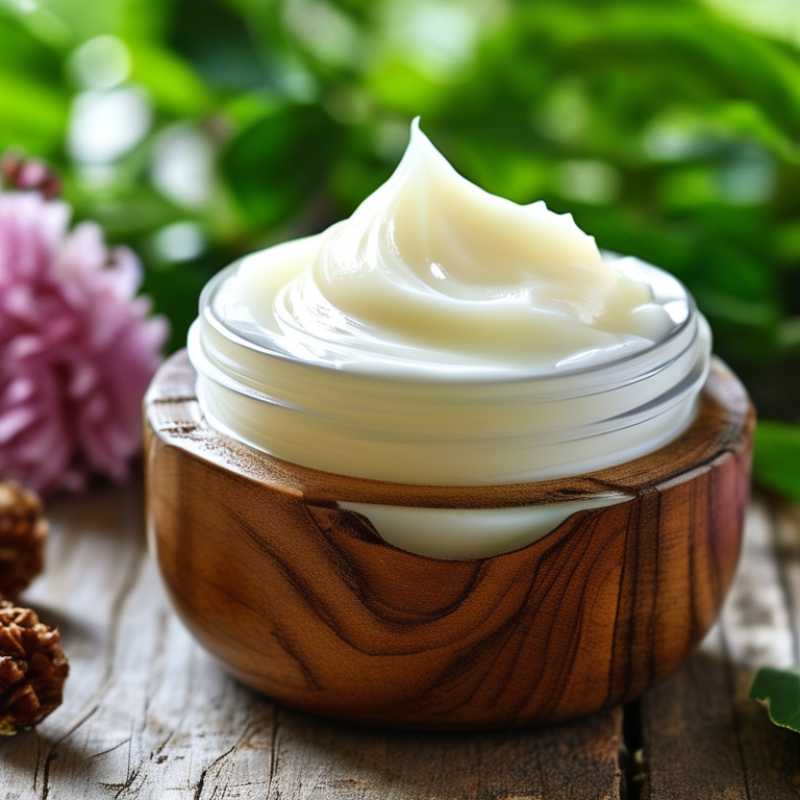
Natural moisturizers often separate due to their composition. Most of these products contain a blend of oils, water, and emulsifiers. If oil and water do not mix properly, separation occurs. According to a market research report, 70% of natural moisturizers rely on natural emulsifiers like beeswax or plant-derived emulsifying agents. These ingredients can vary in quality, impacting their performance.
Tip: Always shake natural moisturizers before use. This can help redistribute separated ingredients, improving texture and efficacy.
Another crucial aspect is storage. Heat and light can alter ingredient stability. For optimal results, keep your products in a cool, dark place. Don't assume every product will maintain its consistency, even if stored properly. The effects of natural ingredients can lead to unexpected results, so it's essential to observe your skin's response.
Tip: Check expiration dates regularly. Natural products can have shorter shelf lives, affecting their effectiveness.
Natural moisturizers often face separation issues. This occurs due to various factors involving ingredients and formulation techniques. One common cause is ingredient incompatibility. Emulsifiers used may not effectively bind oils and water. A survey of cosmetic scientists indicated that 42% noted this as a frequent issue in natural formulations.
Another cause is temperature fluctuations. Exposure to extreme heat or cold during storage can destabilize products. A study showed that nearly 30% of natural moisturizers experienced some degree of separation under varying temperatures. Natural oils, while beneficial, can separate if not stabilized properly.
Lastly, ingredient degradation over time can lead to separation. Natural ingredients typically have a shorter shelf life. As they break down, their ability to remain emulsified diminishes. It’s essential to use products within the recommended time to ensure effectiveness. Understanding these factors can help consumers select and store their natural moisturizers wisely.
Temperature and storage play crucial roles in the stability of natural moisturizers. When exposed to high temperatures, the ingredients in a moisturizer can begin to separate. This is especially true for emulsions, which rely on a balanced mix of oil and water. Over time, heat can break down emulsifying agents, leading to a less cohesive product.
For best results, storing moisturizers in a cool, dark place can extend their shelf life. Fluctuating temperatures can also destabilize formulations. For instance, moving a product from a hot car to an air-conditioned environment may shock the emulsion. This might not result in separation immediately but can compromise effectiveness over time. Observing changes in texture or scent can be signs of deterioration.
Some users may notice that their natural moisturizer separates after several months. This can be frustrating and might raise questions about its quality. However, this is often a natural consequence of ingredient interactions or improper storage. Understanding these factors empowers consumers to better care for their products. A little mindfulness goes a long way in enjoying the full benefits of a trusted moisturizer.
Homemade moisturizers can sometimes separate, leaving you frustrated. One reason for this is the incorrect emulsion process. Natural oils and water need a sturdy emulsifier to blend seamlessly. If your emulsifier is weak or not evenly mixed, separation occurs.
To prevent this issue, start with properly measured ingredients. Use a digital scale for precise measurements. Slowly blend oil and water phases. Use a hand blender for better emulsification. Keeping the mixture warm during blending helps too. Experimenting with different ratios can also yield better results.
Don’t be discouraged by initial failures. Each attempt teaches you about the ingredients. Over time, you'll learn which combinations work best. Understand that even experts face challenges in formulation. Each batch may vary slightly, but that’s part of the process. Embrace experimentation for improved skills.
| Issue | Causes | Solutions |
|---|---|---|
| Separation of Oils and Water | Improper emulsification | Use a high-quality emulsifier during mixing |
| Grainy Texture | Incompatible ingredients or temperature changes | Ensure all ingredients are at the same temperature before mixing |
| Cloudiness | Insufficient emulsification or too much water | Adjust the ratio of emulsifier to water |
| Bacterial Contamination | Inadequate preservation methods | Incorporate appropriate preservatives or create an anhydrous formulation |
| Odor Changes | Oxidation of oils | Store in cool, dark places and use antioxidants |
Natural moisturizers can separate due to various factors. Emulsions, combined mixtures of oil and water, may break if the balance shifts. This can happen with temperature changes or when ingredients have different densities. The result is a product that appears unappealing and may seem ineffective.
Re-emulsifying a separated moisturizer requires careful attention. Start by gently shaking or stirring the product. If separation persists, try warming it slightly in your hands. This can help the components blend together. Remember, some natural ingredients are sensitive to heat. Always test a small amount first to avoid damage.
Tip: Store moisturizers in a stable environment. Extreme temperatures can alter their texture. Avoid leaving products in direct sunlight or damp areas. Regularly check your moisturizer for any signs of separation.
Tip: If separation happens frequently, reflect on your formulation. Adjusting the emulsifier or the ratios of ingredients may help achieve a more stable product. Enhancing your understanding of emulsions can lead to more reliable results.
: Separation often arises from ingredient incompatibility, temperature fluctuations, and ingredient degradation over time.
Use a strong emulsifier and measure ingredients precisely. Slowly blend oil and water phases for best results.
Try gently shaking or stirring the product. Warming it slightly in your hands might help re-emulsify it.
Natural ingredients have a shorter shelf life, which can lead to separation and reduced effectiveness over time.
Extreme heat or cold can destabilize the product, causing separation or altering its texture.
Yes, initial failures are common. Learning from each attempt is essential for improvement and understanding ingredients.
Keep them in a stable environment, away from direct sunlight and extreme temperatures, to maintain their consistency.
Regularly inspect your product, especially if separation happens frequently, to ensure it's effective and safe to use.
It's best to re-emulsify it first. Continuous separation may indicate formulation issues that need addressing.
Reflect on your emulsifier choice and ingredient ratios. Adjustments might lead to a more stable and effective product.
In exploring the question of "why is my natural moisturizer separating," it's essential to understand the composition of natural moisturizers, which often include a blend of oils, butters, and emulsifiers. Separation can occur due to various factors, such as ingredient incompatibility, improper emulsification processes, or exposure to extreme temperatures that destabilize the formula.
Temperature fluctuations and storage conditions can significantly impact the stability of these products, leading to undesirable separation. For those making homemade moisturizers, incorporating effective emulsifying agents and following precise blending techniques can help prevent separation. If separation does occur, there are methods to re-emulsify the mixture, restoring the desired consistency and effectiveness of the moisturizer. By grasping these principles, users can better maintain the quality and performance of their natural skincare products.

Mirae Biology