Top 10 Plant Extracts to Replace Synthetic Chemicals?

Time:2026-08-13 Author:Madeline
0%

As the demand for sustainable solutions grows, many are exploring how to substitute synthetic chemicals with plant extracts. Natural ingredients offer numerous benefits while minimizing harm to the environment. This shift toward botanical alternatives is backed by extensive research, emphasizing their effectiveness and safety.

Plant extracts can serve multiple purposes. From cosmetics to cleaning products, they can replace harmful synthetics. For instance, essential oils known for their antibacterial properties can be utilized in personal care items. Additionally, herbal extracts can bring about vibrant colors in food and textiles without toxic impacts.

Despite these advantages, transitioning to plant extracts requires careful consideration. Not all extracts are equal in potency or safety. The quality and sourcing of these plants matter greatly. Consumers must navigate potential allergens and effectiveness. This ongoing journey calls for a blend of experience and knowledge to ensure choices are both reliable and impactful.
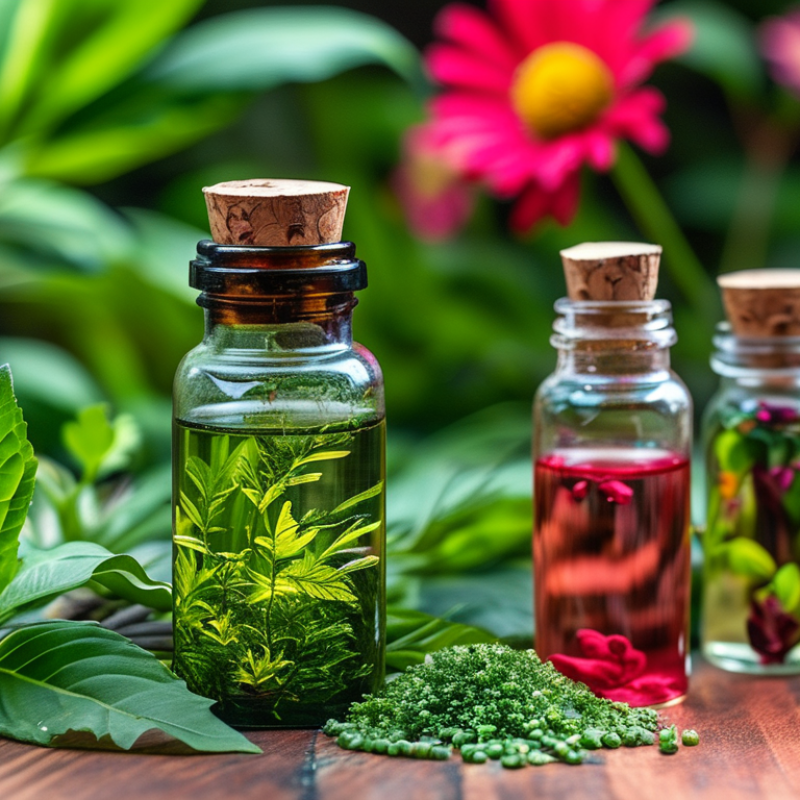
Top 10 Plant Extracts to Replace Synthetic Chemicals?

Overview of Synthetic Chemicals in Consumer Products

The prevalence of synthetic chemicals in consumer products raises concerns about their safety and environmental impact. Many everyday items, from personal care products to cleaning supplies, contain substances linked to health issues. Chemicals like parabens and phthalates often appear on ingredient lists. These compounds can disrupt hormonal balance and may lead to long-term health effects.

As consumers become more aware, the demand for natural alternatives grows. Plant extracts offer promising replacements. Ingredients like aloe vera and tea tree oil possess natural antibacterial properties. They can serve as effective substitutes for synthetic preservatives. However, the effectiveness and safety of these natural extracts depend on their concentration and application methods.

Despite their benefits, not all plant extracts are equal. Some may cause allergic reactions or have limited efficacy. It is crucial to research and understand each ingredient's profile. Additionally, sourcing and processing methods can impact sustainability. Using plant extracts requires careful consideration and an informed approach to formulate effective products.

Benefits of Plant Extracts in Replacing Synthetic Chemicals

Plant extracts offer remarkable benefits in replacing synthetic chemicals. These natural alternatives are often safer for human health and the environment. For example, extracts such as green tea and aloe vera are known for their antioxidant properties. They can protect skin from damage and can enhance overall well-being.

Using plant extracts can reduce the risk of allergies and skin irritations. Many individuals find synthetic chemicals harsh, leading to various side effects. Natural extracts, such as chamomile and calendula, soothe sensitive skin. These plants have been used for centuries in traditional medicine, demonstrating their reliability.

Tips: Consider introducing one new plant extract into your skincare routine. Remember, not all plant extracts work for everyone. Proceed with caution and test for allergies. Research each option thoroughly to understand its benefits and potential downsides. Always consult a professional if unsure. This approach can support a smooth transition away from synthetic products.

Top 10 Plant Extracts to Replace Synthetic Chemicals

This bar chart illustrates the benefits of various plant extracts in replacing synthetic chemicals. Each extract has unique properties that contribute to sustainability and health.

Top Plant Extracts with Proven Efficacy in Various Industries

The use of plant extracts in various industries is gaining popularity. Certain extracts show great promise in replacing synthetic chemicals. For example, aloe vera is well-known for its soothing properties. This extract is used in skincare products for its moisturizing effects. Similarly, tea tree oil is appreciated for its antimicrobial properties. It finds applications in both personal care and household cleaning products.

Moreover, rosemary extract is a powerful antioxidant source. It helps in food preservation and enhances flavor without artificial additives. Curcumin, from turmeric, offers anti-inflammatory benefits. This makes it valuable in health supplements and natural pain relief formulations. Meanwhile, chamomile extract is renowned for its calming effects, often used in herbal teas and beauty products. These plants provide safe alternatives, but challenges remain.

Not all extracts work equally for everyone. Future research is needed to ensure efficacy across diverse populations. Balancing safety with natural benefits requires careful assessment. As the industry grows, more studies will clarify potential risks and rewards of these plant extracts.

Comparative Analysis: Plant Extracts vs. Synthetic Alternatives

Plant extracts are gaining traction as alternatives to synthetic chemicals in various industries, including cosmetics and food. Many plant-derived compounds offer unique properties without the potential risks associated with synthetic ingredients. For instance, essential oils from lavender and tea tree possess antimicrobial properties. These natural extracts can provide similar benefits to synthetic preservatives but come with a more favorable safety profile.

Despite the benefits, there are challenges to consider. The efficacy of plant extracts can vary greatly depending on their source and extraction method. Some users may experience skin irritation from certain extracts, making safety testing essential. Additionally, the availability of high-quality plant materials can be inconsistent, which poses a scalability issue for manufacturers. Understanding local flora and cultivation practices is crucial for sustainable sourcing and efficacy.

The shift towards plant extracts reveals a growing consumer preference for natural products. While there is clear potential, it requires ongoing research and education. Not every plant extract is a one-to-one substitute for synthetic chemicals. Its complexity demands a sophisticated approach to formulation. Further studies are necessary to enhance reliability and ensure effectiveness in diverse applications.

Future Trends in the Use of Plant Extracts for Sustainable Solutions

The shift towards plant extracts as alternatives to synthetic chemicals is gaining momentum. Industries are increasingly recognizing the need for sustainable solutions. Plant extracts offer a plethora of benefits, such as being biodegradable and less harmful to ecosystems. For example, essential oils derived from lavender or tea tree can have antibacterial properties, making them viable substitutes in cleaning products.

Consumer demand for eco-friendly products is driving innovation. Researchers are exploring various plants for their unique properties. For instance, turmeric's curcumin has anti-inflammatory effects, which could replace synthetic additives in health supplements. However, such applications raise questions about sourcing and sustainability. Overharvesting can threaten biodiversity. Therefore, mindful extraction practices are vital.

Moreover, regulations surrounding plant-derived products are evolving. Transparency and quality assurance in sourcing can build consumer trust. Yet, it's crucial to approach this change with a critical lens. Not every plant product is inherently safe or effective. Ongoing research and skepticism will be essential as we navigate this green revolution.

Top 10 Plant Extracts to Replace Synthetic Chemicals

Plant Extract Source Plant Uses Benefits Sustainability Index
Aloe Vera Extract Aloe Vera Skincare, Cosmetics Moisturizing, Healing properties High
Green Tea Extract Camellia sinensis Antioxidants, Supplements Rich in antioxidants Medium
Lavender Extract Lavandula angustifolia Aromatherapy, Skincare Relaxation, Anti-inflammatory High
Turmeric Extract Curcuma longa Health Supplements, Skincare Anti-inflammatory, Antioxidant Medium
Peppermint Extract Mentha piperita Digestive Health, Aromatherapy Soothing, Refreshing High
Ginger Extract Zingiber officinale Health Supplements, Culinary Anti-nausea, Anti-inflammatory Medium
Chamomile Extract Matricaria chamomilla Skincare, Tea Calming, Anti-inflammatory High
Rosemary Extract Rosmarinus officinalis Food Preservation, Skincare Antioxidant, Preservative High
Holy Basil Extract Ocimum sanctum Health Supplements, Herbal Remedies Adaptogenic, Stress-relieving Medium

FAQS

: What are the benefits of using plant extracts?

: Plant extracts offer unique properties, biodegradable options, and are often less harmful to the ecosystem.

Do plant extracts have antimicrobial properties?

Yes, extracts like lavender and tea tree oil have shown antimicrobial properties, similar to synthetic preservatives.

Can plant extracts cause skin irritation?

Some users may experience skin irritation from certain extracts. Testing for safety is essential before use.

How important is the quality of plant materials?

The quality of plant materials can be inconsistent, which can impact product scalability and efficacy.

Are plant extracts always a direct substitute for synthetic ingredients?

No, not all plant extracts can directly substitute synthetic chemicals. Each requires careful formulation.

What challenges exist in sourcing plant extracts?

Sourcing can be challenging due to local flora knowledge and the need for sustainable practices.

Why is consumer demand shifting towards natural products?

Consumers are increasingly seeking eco-friendly options, driving innovation in sustainable product development.

How can overharvesting affect biodiversity?

Overharvesting can threaten biodiversity, making mindful extraction practices crucial for sustainability.

Are all plant products safe?

Not every plant product is inherently safe or effective; research is necessary to confirm their benefits.

What is the role of regulations in this shift?

Evolving regulations can enhance transparency and quality assurance, helping to build consumer trust in plant extracts.

Conclusion

As the demand for sustainable products rises, exploring how to substitute synthetic chemicals with plant extracts has become increasingly relevant. Synthetic chemicals are prevalent in many consumer products, often posing health and environmental risks. Plant extracts present a natural alternative, offering numerous benefits such as biodegradability, reduced toxicity, and enhanced safety for consumers and ecosystems alike.

This article highlights the top plant extracts that have proven efficacy across various industries, showcasing their potential to replace traditional synthetic alternatives. A comparative analysis reveals that, in many cases, plant extracts outperform synthetic chemicals in terms of effectiveness and safety. Looking ahead, the future of consumer products may increasingly favor plant-based solutions, signaling a critical shift towards more sustainable and eco-friendly practices in manufacturing and product development.

Madeline

Madeline

Madeline is a dedicated marketing professional with a wealth of expertise in our company's core offerings. With a keen understanding of the industry, she brings a unique perspective to her role, consistently delivering high-quality content that highlights the superior aspects of our products. As......