Top 10 Tips for Storing Chemical Raw Materials Safely?

Time:2026-07-04 Author:Henry
0%

Storing chemical raw materials poses significant challenges. Understanding how to store chemical raw materials safely is essential for companies in the industry. A recent report by the Chemical Safety Board revealed that improper storage can lead to hazardous incidents. Inadequate safety measures result in over 600 accidents annually in processing facilities.

Effective storage solutions minimize risks and ensure compliance with safety regulations. A good practice is to maintain clear labeling and regular inspections. These steps can often prevent costly mistakes that arise from mismanagement. Industry experts suggest that approximately 30% of chemical incidents stem from poor storage practices.

Yet, many organizations overlook essential guidelines. They may neglect the importance of temperature control or chemical compatibility, leading to dangerous situations. Investing in proper storage systems is not just about safety; it’s a critical aspect of operational efficiency. Maintaining a proactive approach to storage can prove beneficial in securing both personnel and resources.
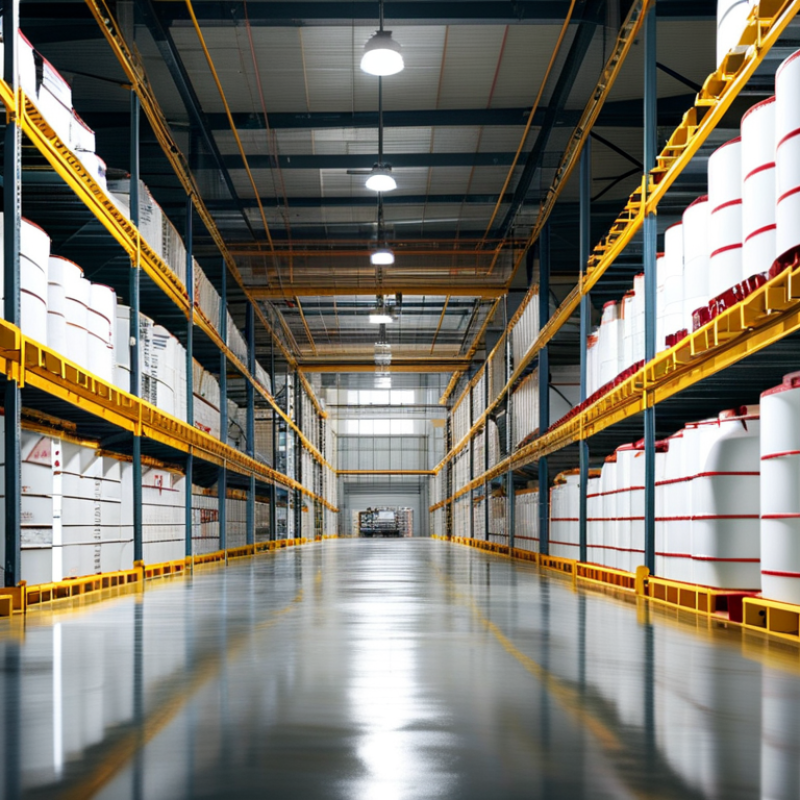
Top 10 Tips for Storing Chemical Raw Materials Safely?

Best Practices for Selecting Storage Locations for Chemical Raw Materials

Choosing the right storage locations for chemical raw materials is crucial for safety and efficiency. Many facilities overlook the importance of environmental conditions. Studies indicate that appropriate climate control can extend the shelf life of chemicals significantly. For instance, materials stored in high humidity can degrade faster, leading to potential safety hazards.

When selecting storage areas, consider accessibility as well. Locations should be easy for trained personnel to reach. This reduces the risk of accidents and ensures timely access in emergencies. Always place high-risk materials away from frequently used areas to minimize exposure. Regular inspections are essential to ensure that the storage environment remains compliant with safety standards.

Tip: Utilize secondary containment systems. These can prevent leaks from contaminating other materials. It's vital to train staff on recognizing signs of chemical degradation. Awareness fosters a proactive approach to safety. Regular training sessions also create a culture of caution and readiness. Remember, complacency can lead to risks that could have easily been avoided.

Top 10 Tips for Storing Chemical Raw Materials Safely

Tip Number Tip Description Importance Level Recommended Storage Conditions
1 Ensure proper labeling of all chemicals. High Cool, dry area
2 Store incompatible chemicals away from each other. High Separated storage cabinets
3 Use secondary containment to prevent spills. Medium Containment trays
4 Maintain an organized storage area. Medium Clear shelving
5 Regularly inspect stored materials for leaks. High Regular monitoring
6 Ensure proper ventilation in storage areas. High Ventilated cabinets
7 Train staff on chemical handling and storage. High Training sessions
8 Implement a solid waste disposal program. Medium Designated disposal bins
9 Use appropriate personal protective equipment (PPE). High PPE available on-site
10 Keep an emergency response kit nearby. High Accessible location

Understanding Chemical Compatibility to Prevent Hazardous Reactions

Understanding chemical compatibility is crucial for safe storage of raw materials. Mixing incompatible chemicals can lead to dangerous reactions. For instance, storing oxidizers near flammable substances can trigger fire hazards. It is essential to know the properties of each chemical.

Keep detailed records of all stored materials. This includes their compatibility ratings, hazards, and handling instructions. Regularly review these records. Staff should be trained to recognize incompatible substances. Labeling containers correctly can prevent accidents. Using color-coded systems may also help.

It's important to reflect on past mistakes. Many incidents occur due to overlooked compatibility. A failure to classify chemicals properly can lead to severe consequences. Conducting regular audits can enhance safety measures. Learning from previous incidents can guide better practices.

Regulatory Guidelines on Chemical Storage from OSHA and EPA

Storing chemical raw materials requires adherence to regulatory guidelines. The Occupational Safety and Health Administration (OSHA) and the Environmental Protection Agency (EPA) provide crucial standards. OSHA emphasizes proper labeling, safety data sheets, and employee training. These measures ensure workplace safety and compliance with legal requirements.

According to a report from the National Institute for Occupational Safety and Health (NIOSH), improper storage leads to increased risks of chemical spills. Around 40% of chemical incidents occur due to inadequate storage practices. Such statistics underline the importance of following the established guidelines. Containers should be compatible with the chemicals inside. Incompatible substances can react dangerously.

Moreover, the EPA mandates that storage areas minimize risks of leaks and spills. Secondary containment is essential. It can capture spills and prevent environmental contamination. A recent study indicates that facilities with proper containment practices reduced incidents by 30%. However, many companies neglect these practices. Regular audits and employee training are necessary for improvement. Without reflection on past mistakes, the cycle of incidents will persist.

Importance of Proper Labeling and Signage in Chemical Storage Areas

Proper labeling and signage in chemical storage areas are essential for safety and compliance. According to the Chemical Safety Board (CSB), approximately 70% of chemical accidents could have been prevented with better labeling practices. Clear and accurate labels help staff identify chemicals easily. This reduces the risk of accidental spills or exposure.

Labels should include basic information: chemical name, hazards, and handling instructions. Using color-coded labels can enhance visibility and comprehension. Signage should also indicate emergency procedures and the location of safety equipment. A well-designed layout allows for quick access to information, critical during emergencies. Regular audits of labels can prevent confusion and oversight.

Establishing a labeling protocol is necessary. Train employees on how to interpret and create labels. This can enhance workplace safety and compliance with regulations. Ensuring proper labeling is not just about following rules; it’s about protecting workers. Regular reviews of signage can help identify gaps, allowing continual improvement in safety practices. Each team member's responsibility is vital in maintenance and compliance efforts.

Implementing Temperature and Humidity Controls to Maintain Material Integrity

Maintaining the integrity of chemical raw materials relies heavily on effective temperature and humidity controls. Temperature fluctuations can lead to chemical instability. For instance, some materials may react adversely if exposed to heat. Hence, a regulated environment is essential.

Humidity also plays a critical role in material preservation. Excess moisture can cause degradation or contamination. It's important to utilize dehumidifiers to maintain optimal levels. Simple measurements can prevent significant losses in material integrity. However, monitoring systems may sometimes fail, leading to unexpected storage issues.

Regular inspections and maintenance of storage areas are necessary. Implementing alarms for temperature and humidity deviations can significantly enhance safety protocols. Having a contingency plan for equipment failure is another vital step. These practices ensure the ongoing reliability of stored chemical raw materials and help identify areas for improvement.

Temperature and Humidity Controls Impact on Raw Material Integrity

This chart illustrates the relationship between temperature and humidity levels and the overall integrity of chemical raw materials over time. Maintaining optimal conditions is crucial for preserving material quality.

FAQS

: Why is understanding chemical compatibility important for storage?

: Knowing chemical compatibility prevents hazardous reactions. Mixing incompatible chemicals can create dangerous situations.

What information should be included on chemical labels?

Labels must include chemical name, hazards, and handling instructions. Clear information reduces accidental exposure.

How can color-coded labels help in chemical storage?

Color-coded labels enhance visibility. They help staff quickly identify potential hazards and safe handling procedures.

Why is training staff essential in chemical storage areas?

Training ensures staff can recognize incompatible substances. They are better prepared to handle emergencies effectively.

How can regular audits improve safety practices?

Regular audits can reveal overlooked compatibility issues. Learning from past incidents helps refine safety protocols.

What role does temperature control play in material integrity?

Controlled temperature prevents chemical instability. Fluctuations can lead to adverse reactions in sensitive materials.

Why is humidity management crucial in chemical storage?

Excess moisture can degrade materials or cause contamination. Maintaining proper humidity preserves chemical integrity.

How can monitoring systems fail in storage practices?

Sometimes, monitoring systems may not function correctly. This can lead to unexpected issues and material losses.

What is the impact of proper signage in storage areas?

Clear signage guides employees during emergencies. It helps them locate safety equipment quickly, reducing response time.

What should teams do to maintain compliance with labeling?

Establishing labeling protocols helps ensure compliance. Regular reviews can identify gaps and allow for continuous improvement.

Conclusion

Effective storage of chemical raw materials is crucial for safety and compliance. When considering how to store chemical raw materials safely, it's essential to select appropriate storage locations that minimize risks. Understanding chemical compatibility helps prevent hazardous reactions, ensuring that incompatible materials are not stored together.

Additionally, adherence to regulatory guidelines from agencies like OSHA and EPA is vital for legal compliance and safety standards. Proper labeling and signage in storage areas aid in hazard communication and emergency response. Lastly, implementing temperature and humidity controls can maintain the integrity of materials, preventing degradation or unintended reactions. Following these best practices ensures safe and efficient storage of chemical raw materials.

Henry

Henry

Henry is a dedicated marketing professional with a profound expertise in the company's offerings. With years of experience in the industry, he possesses an impressive understanding of the market dynamics and consumer behaviors that drive success. Henry is committed to sharing his insights through......