Explore our top portfolio of bio-based active chemical reagents, natural coloring components, health promoting isolates, and essential processing equipment.


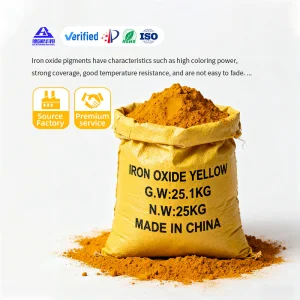
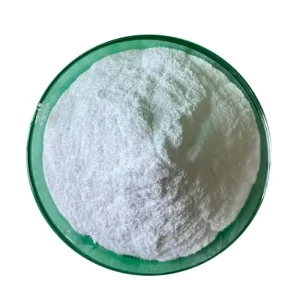
Analyzing the biochemical dynamics and structural engineering of modern lipid alternatives in global food science.
In the contemporary global food landscape, the demand for health-conscious food products has escalated from a niche consumer segment to a macroeconomic imperative. The global rise of metabolic syndromes, obesity, and cardiovascular diseases has driven regulatory bodies to encourage or mandate the reduction of dietary fats. However, fat is not merely an energy-dense component in food matrices; it plays a critical functional role. Fat defines mouthfeel, contributes to creamy textures, facilitates heat transfer, and acts as a solvent for essential volatile flavor compounds. Replicating these complex biophysical traits without the associated caloric load constitutes one of the most challenging research areas in biotechnology today.
Modern food science classifies lipid alternatives into three main groups: Carbohydrate-based mimetics (utilizing dietary fibers, inulins, and starch-derived dextrins), Protein-based mimetics (using microparticulated proteins from whey, soy, or egg whites), and Lipid-based fat replacers (including structured triglycerides, fatty acid esters of sugars like sucrose polyesters, and synthetically modified oils). These substances mimic the molecular behavior of fat globules by trapping water molecules, forming crystalline networks, and producing the lubricating sensation characteristic of natural fat under shear stresses in the human oral cavity.
Achieving compliance under strict European Union (EU) standards is critical for international trade. Our range of CE-certified fat replacers ensures not only compliance with safety protocols, but also structural consistency across diverse manufacturing conditions. By utilizing advanced enzymatic processes and strict separation techniques, we supply ingredients that meet the rigorous standards of global markets, giving food brands the tools to reformulate products without losing customer appeal.
Bridging premium botanical resources with advanced bio-extraction technology to deliver top-tier functional ingredients globally.
Shaanxi Mirae Biology Co., Ltd. is a professional manufacturer and global supplier specializing in the research, development, production, and distribution of high-quality plant extracts, nutritional ingredients, cosmetic raw materials, peptides, and specialty chemicals.
Located in Shaanxi Province, China, a region renowned for its rich botanical resources and advanced biotechnology industry, we combine premium natural ingredients with modern extraction technology to provide innovative and reliable solutions for customers worldwide.
With a strong commitment to quality, innovation, and customer satisfaction, we serve clients across the pharmaceutical, nutraceutical, cosmetic, food, and research industries. Our products are exported to North America, Europe, Southeast Asia, and the Middle East.
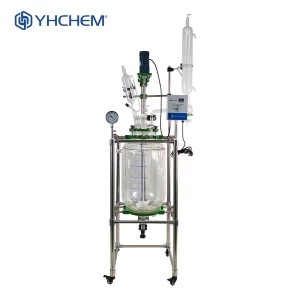
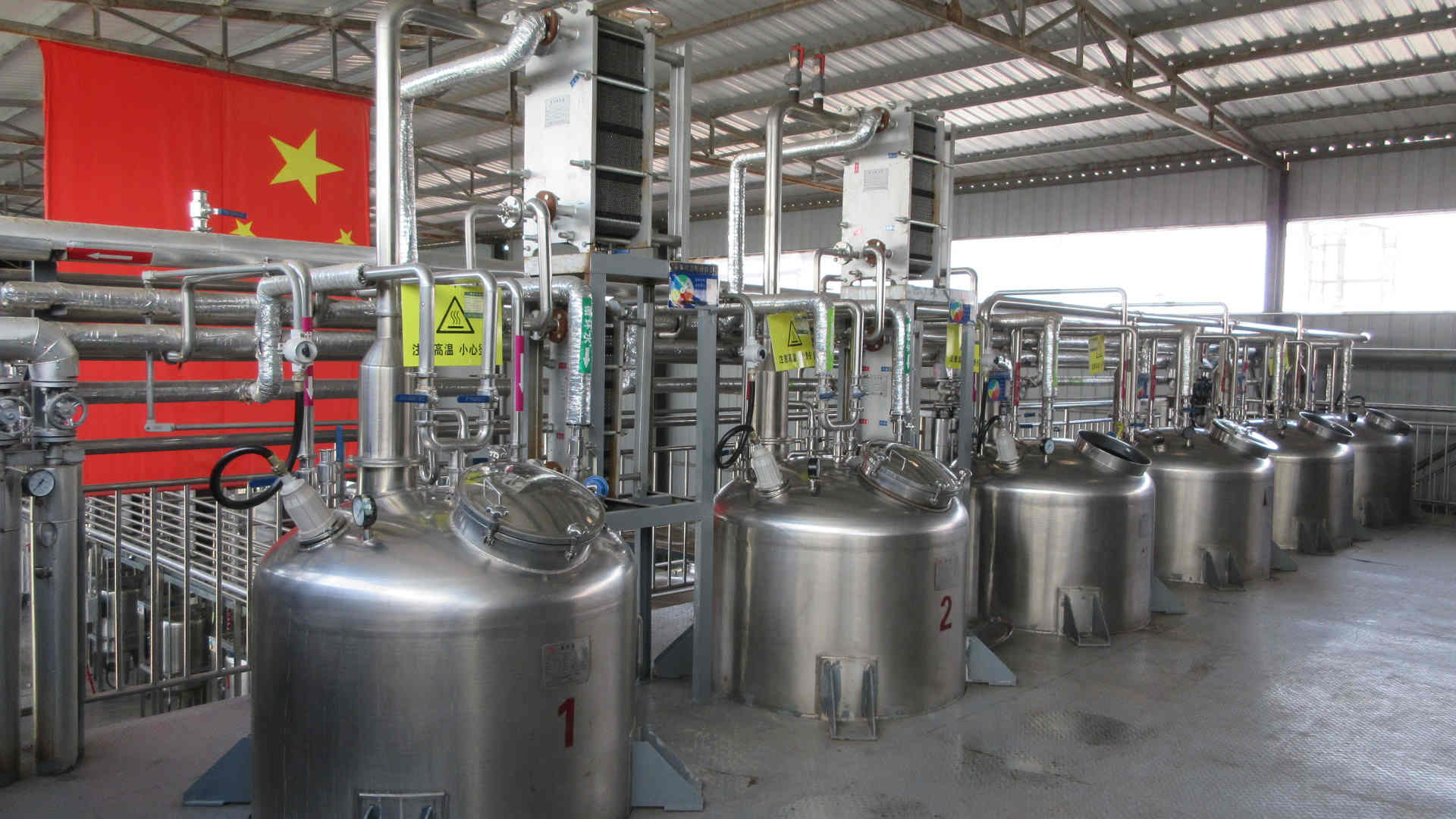
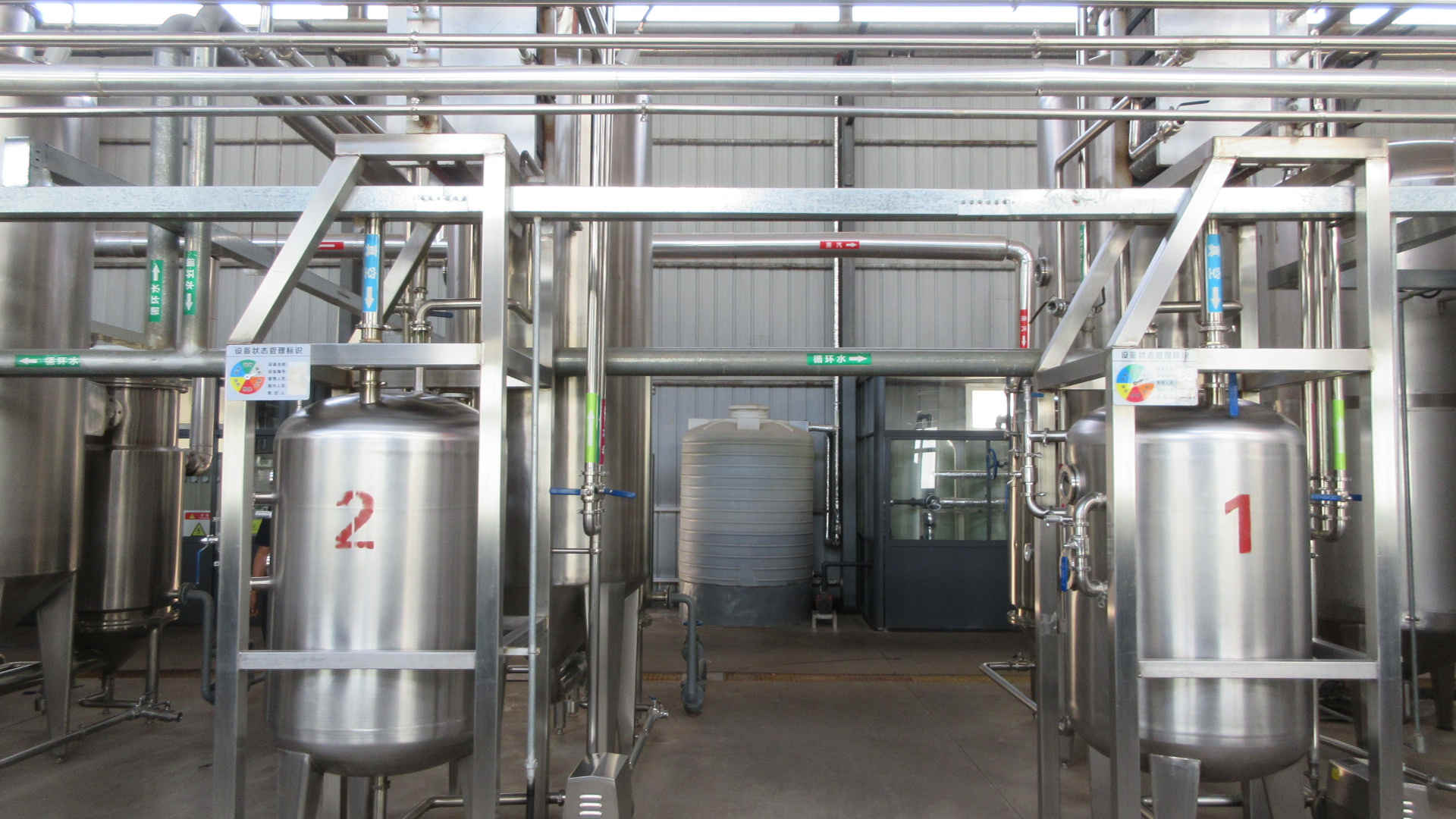
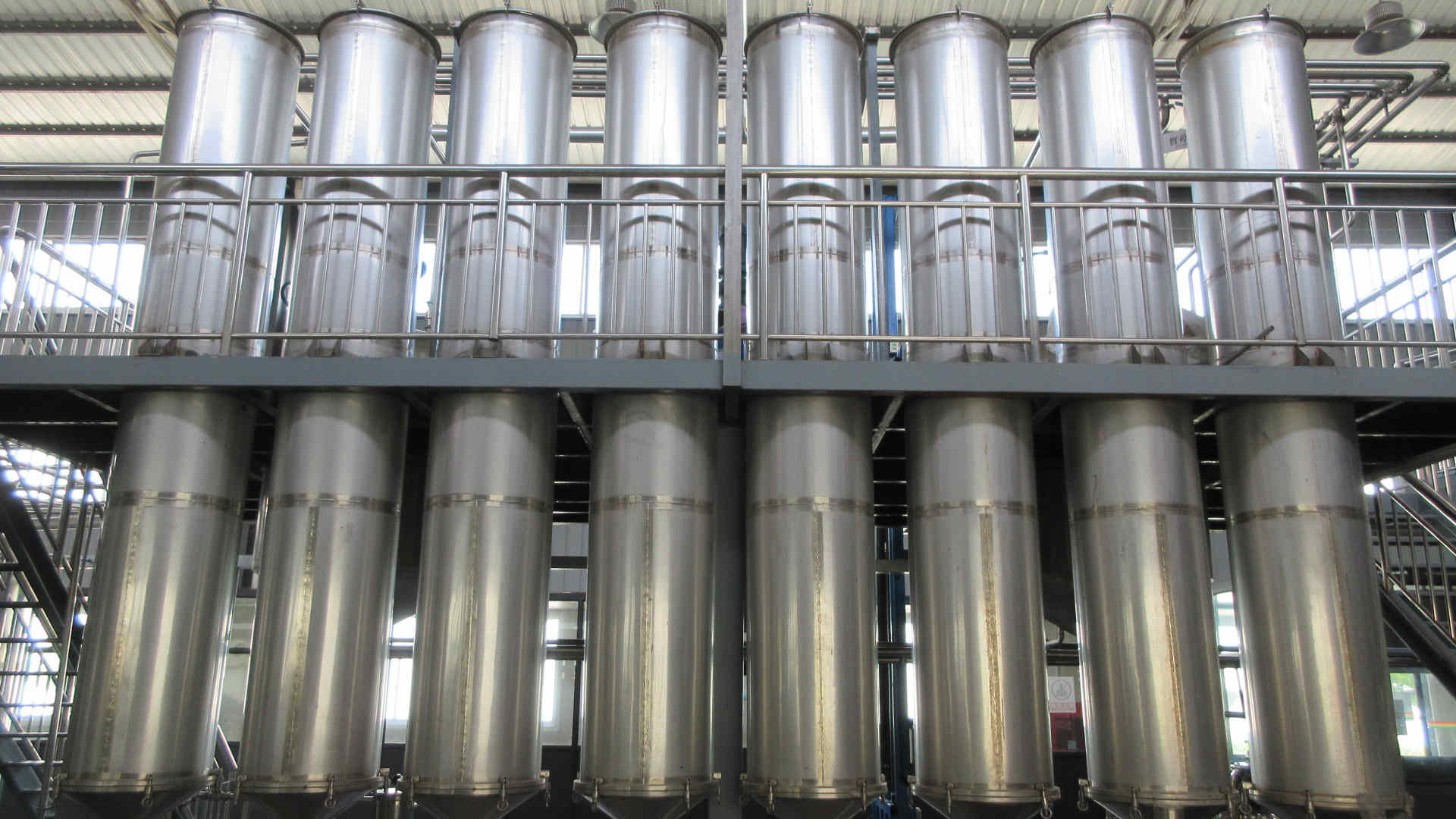
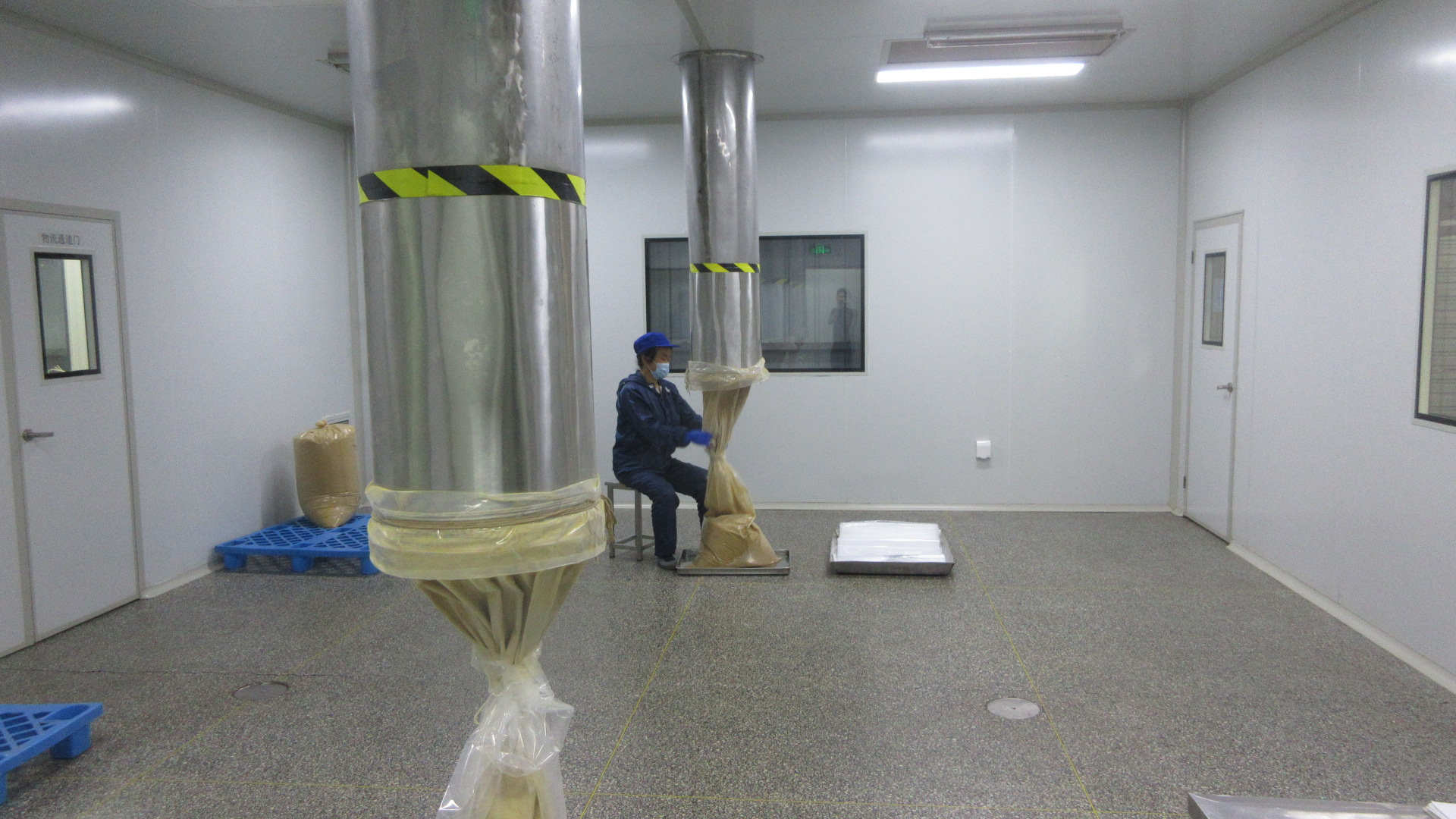
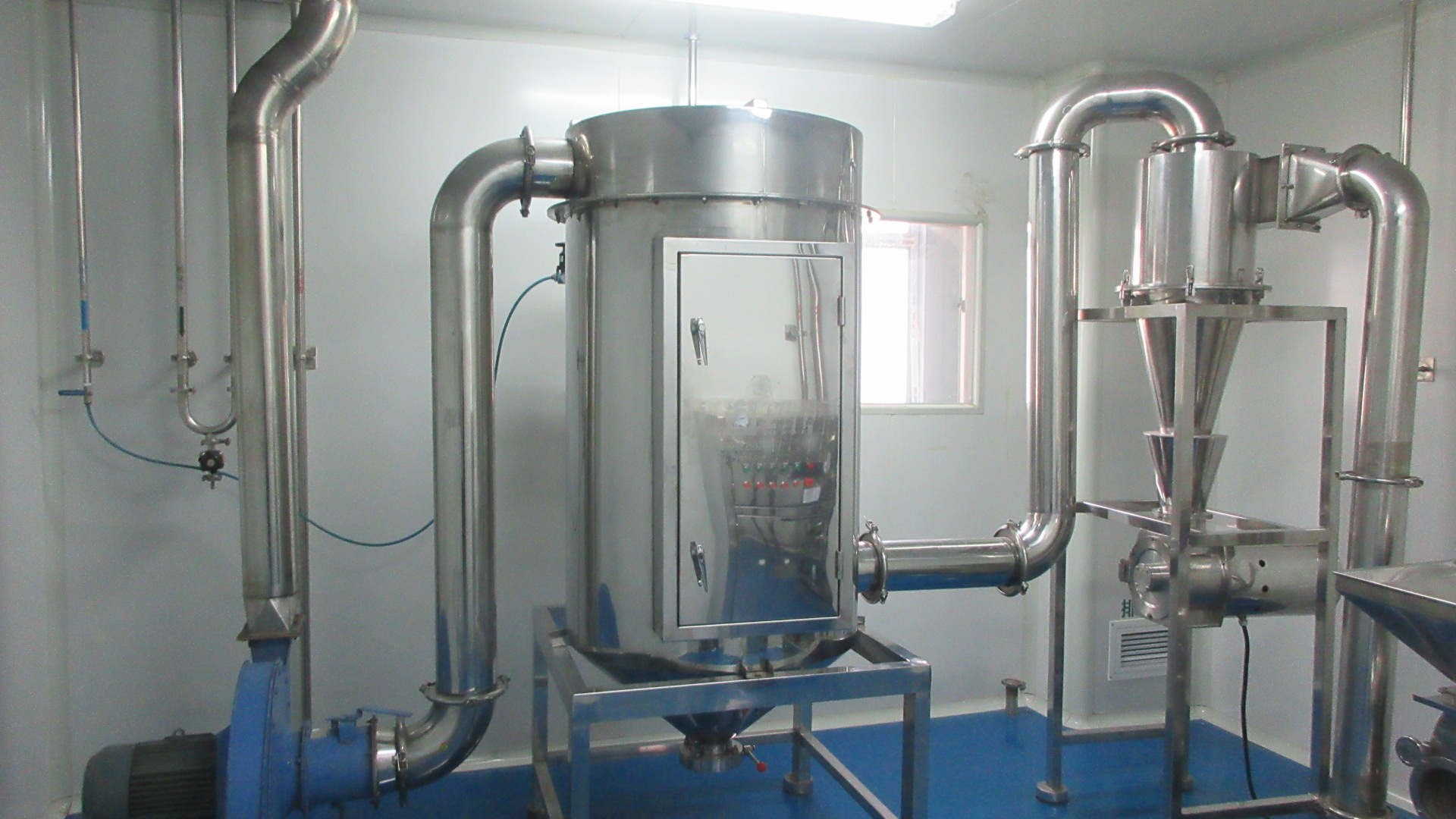
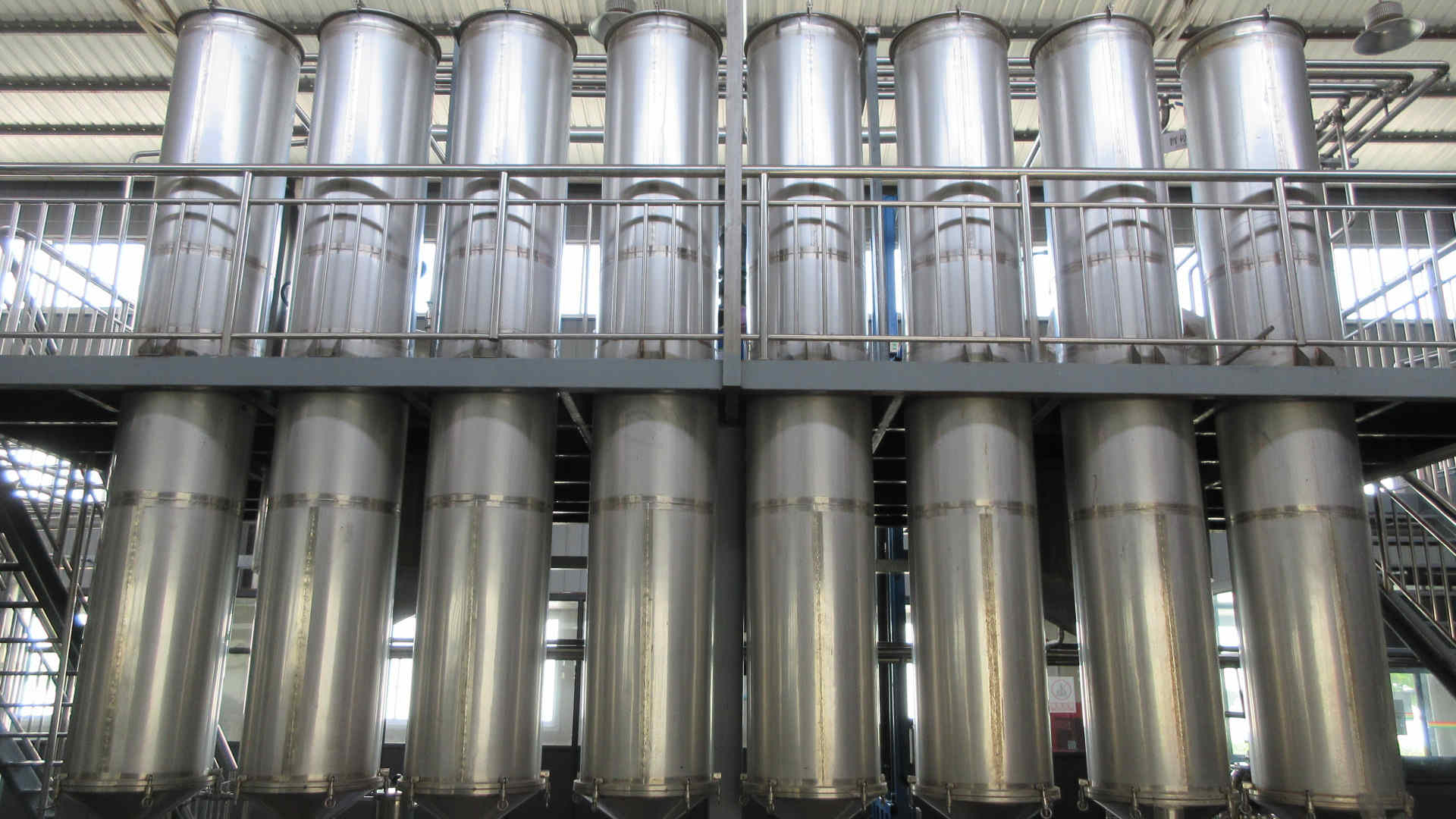
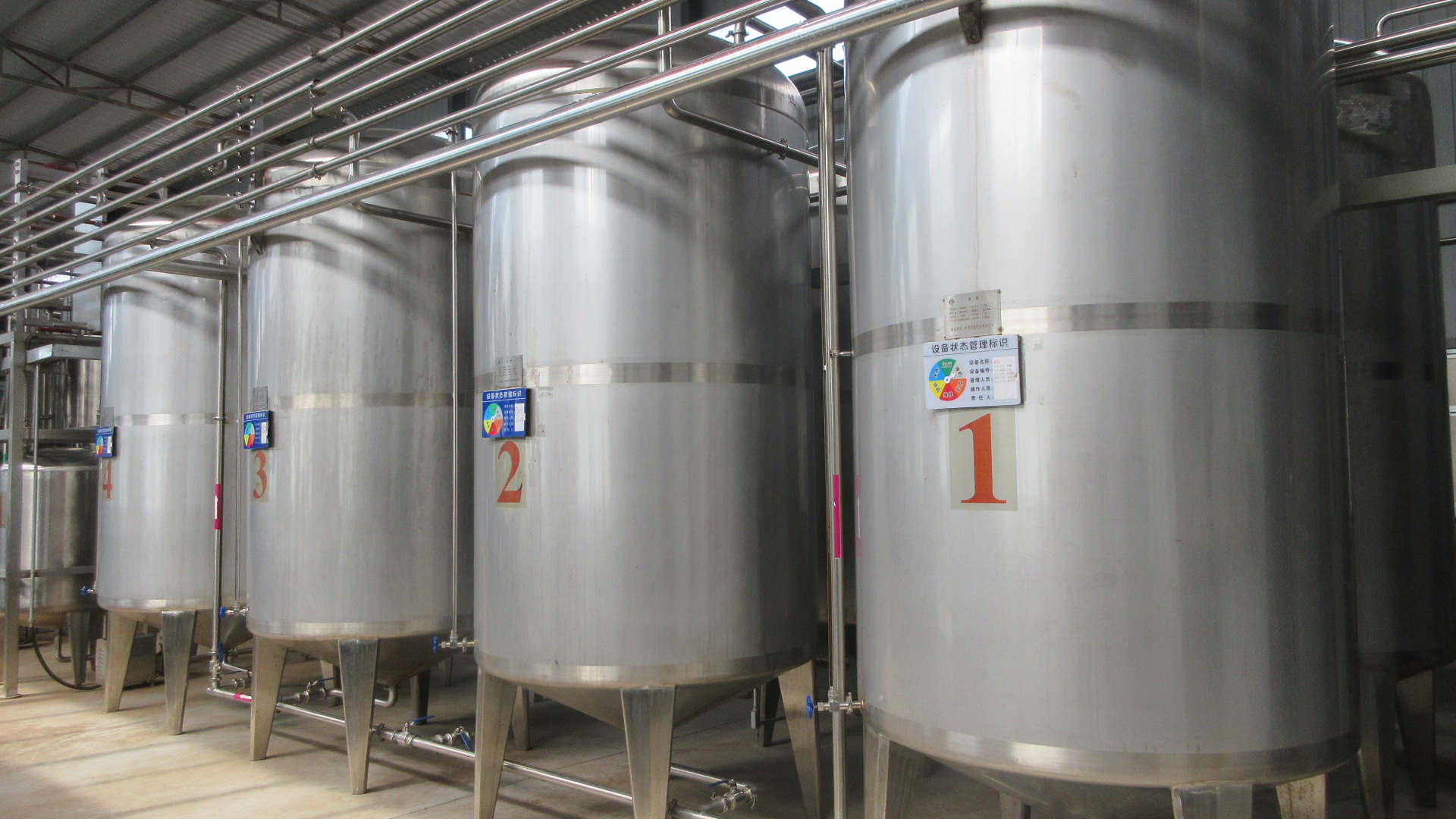
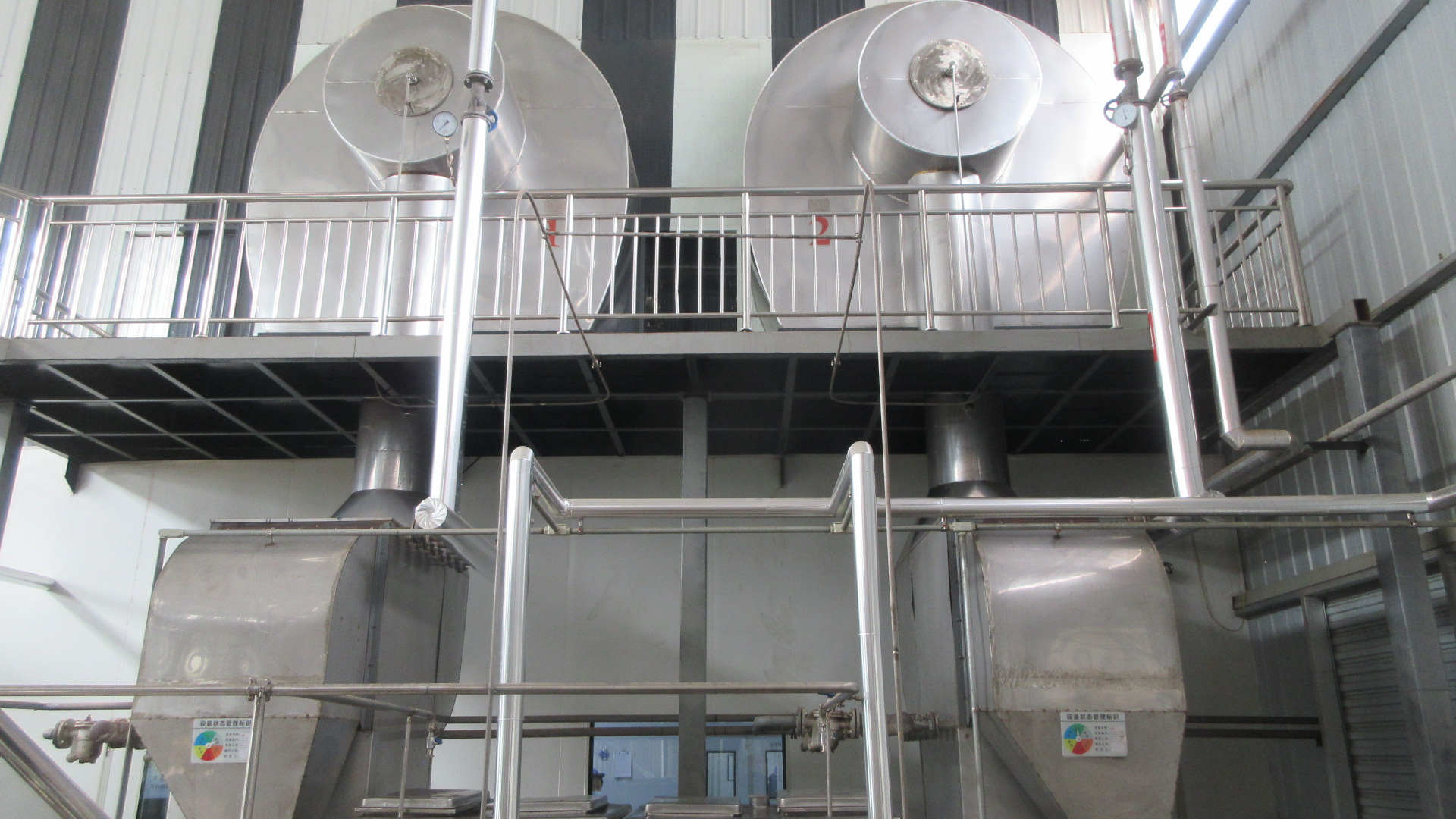
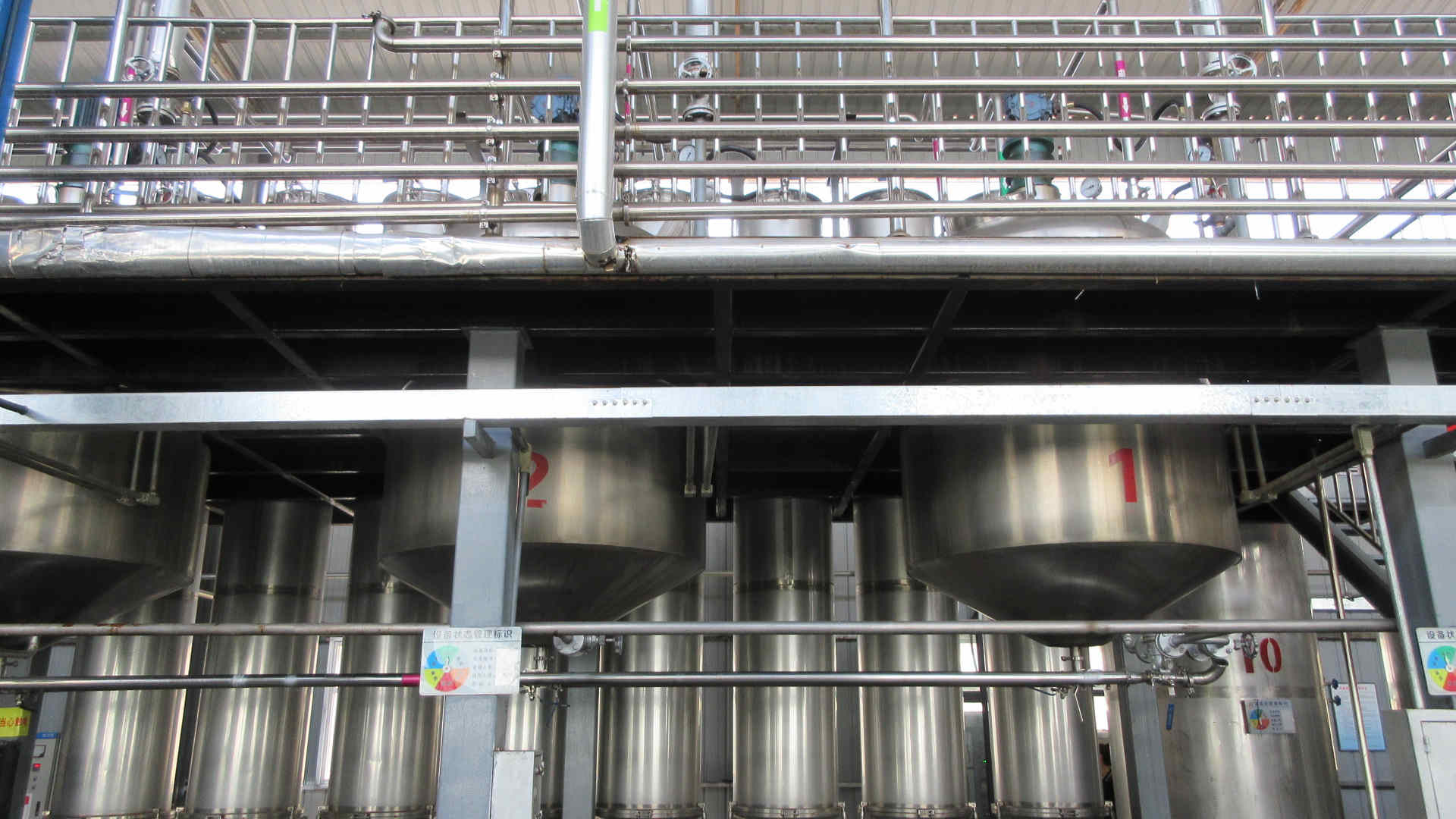
From raw feedstock processing to standardized packaging, our facility utilizes modern extraction systems to ensure high purity and yield.
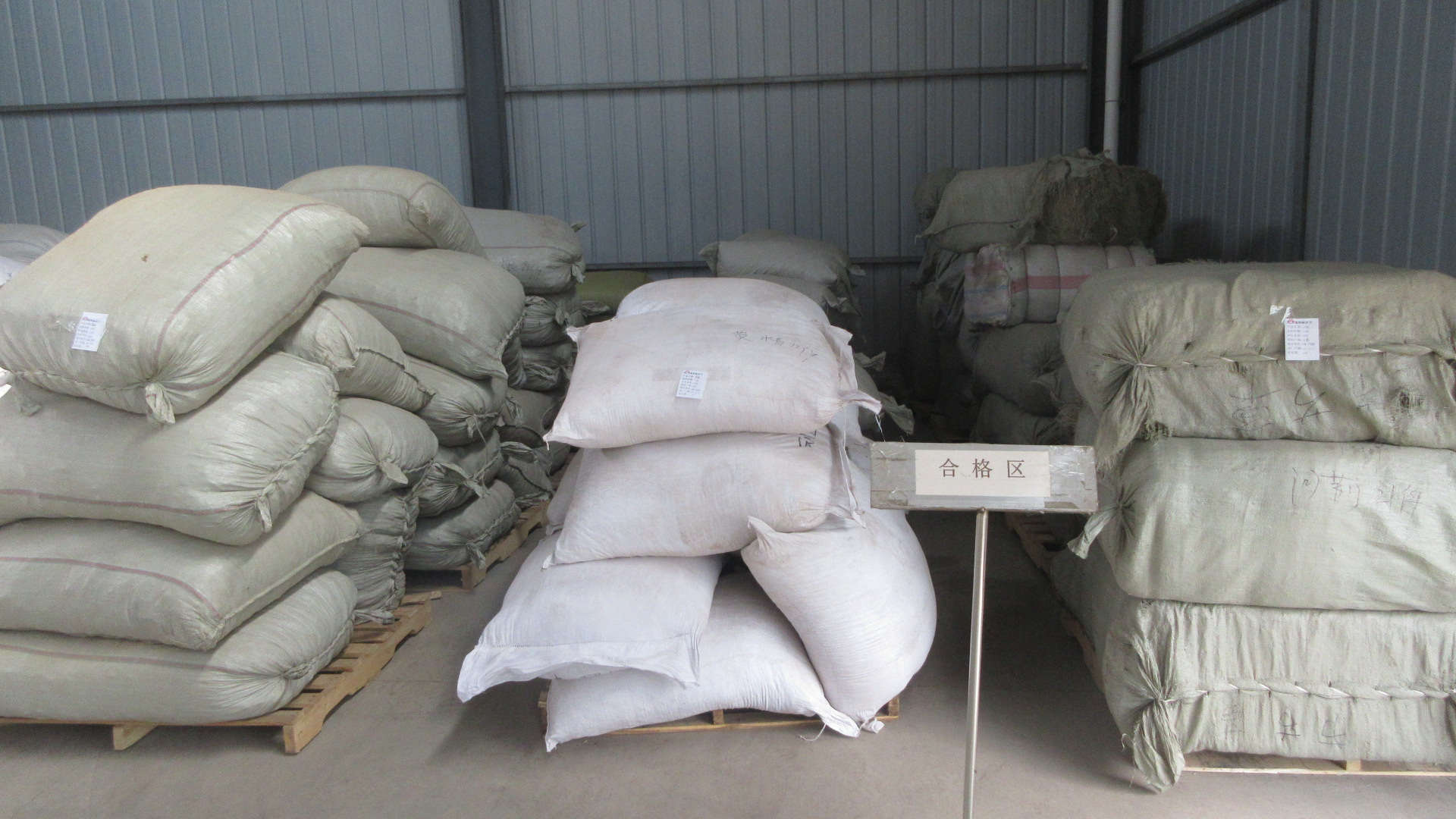
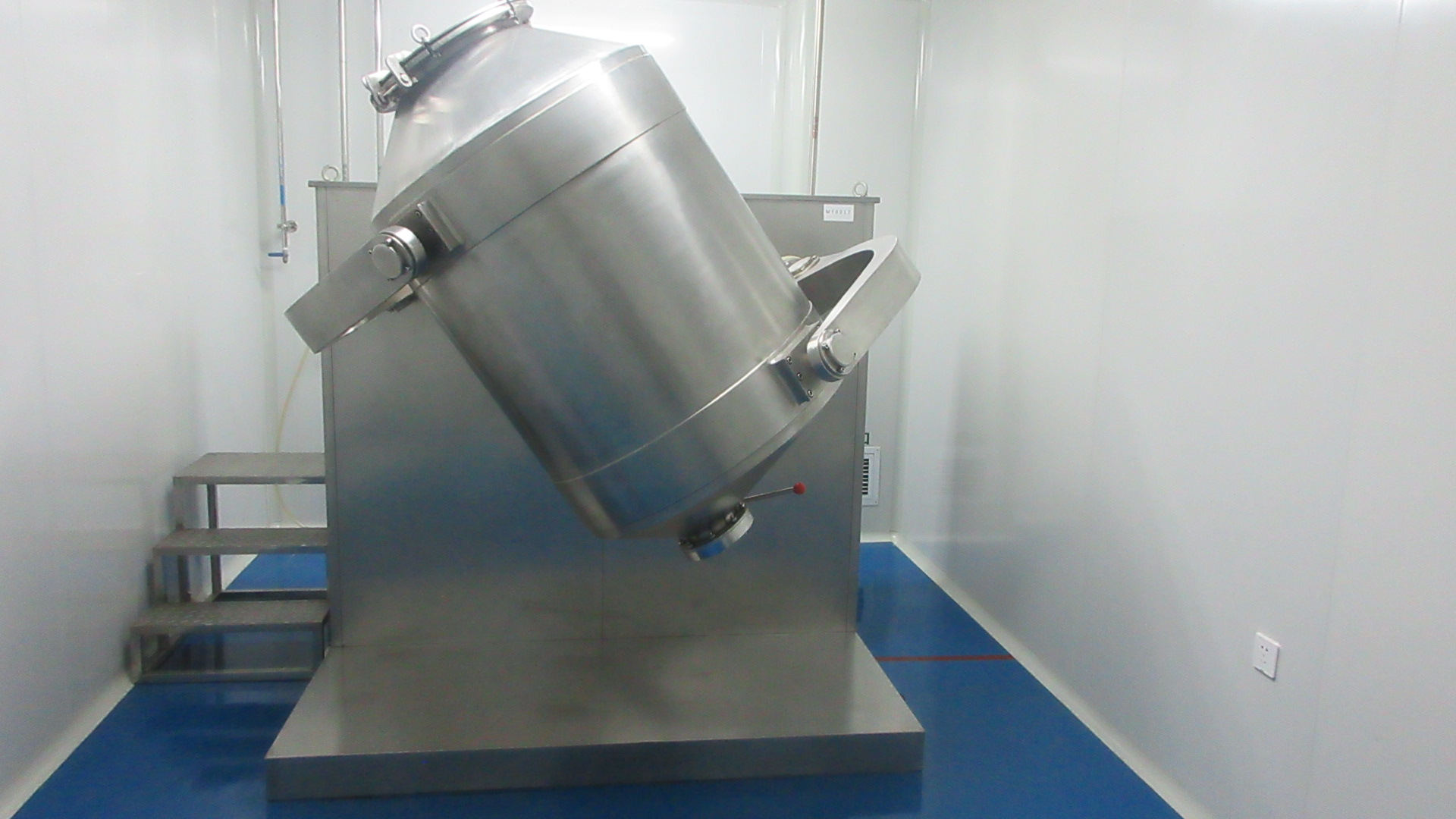
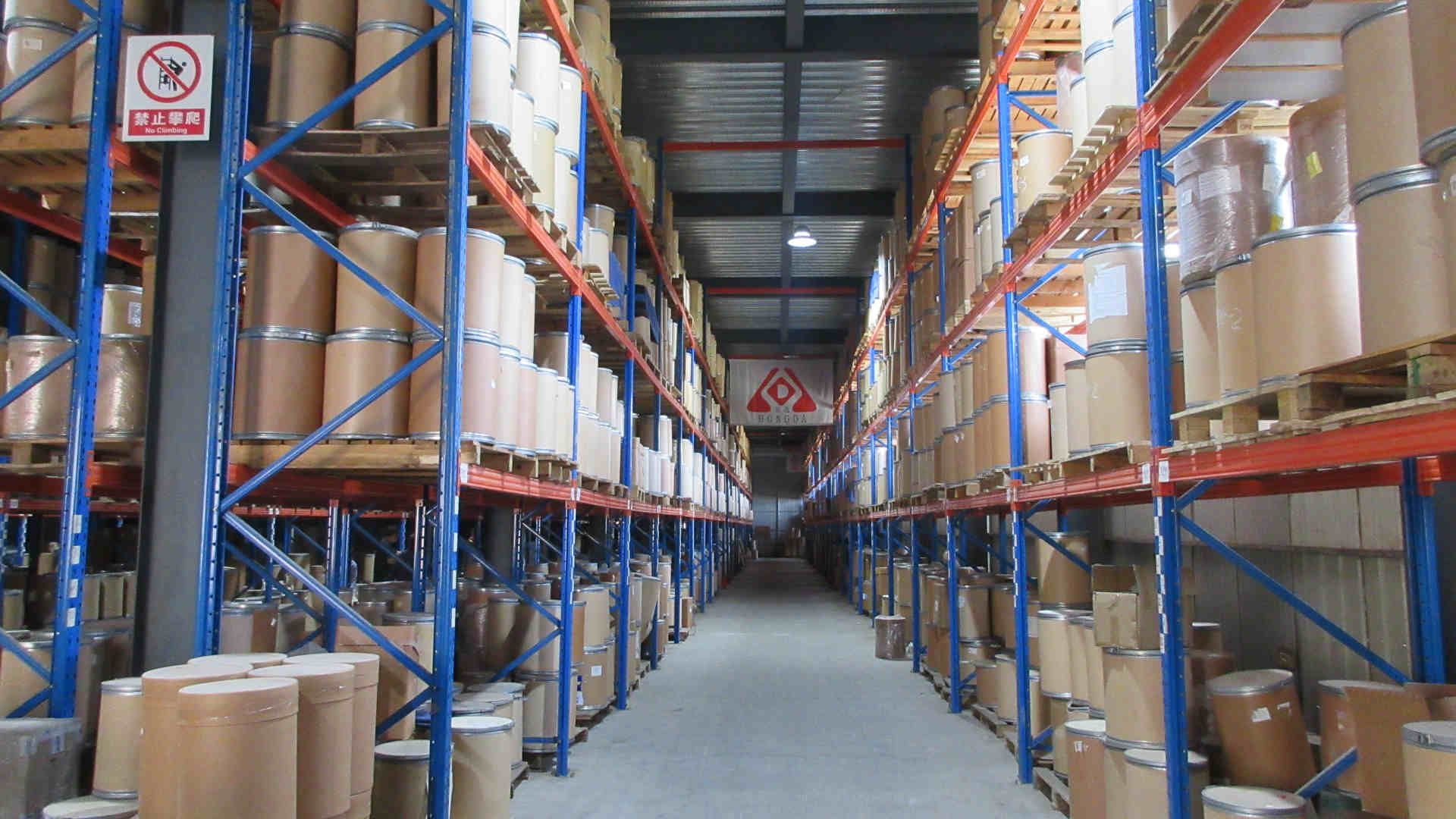
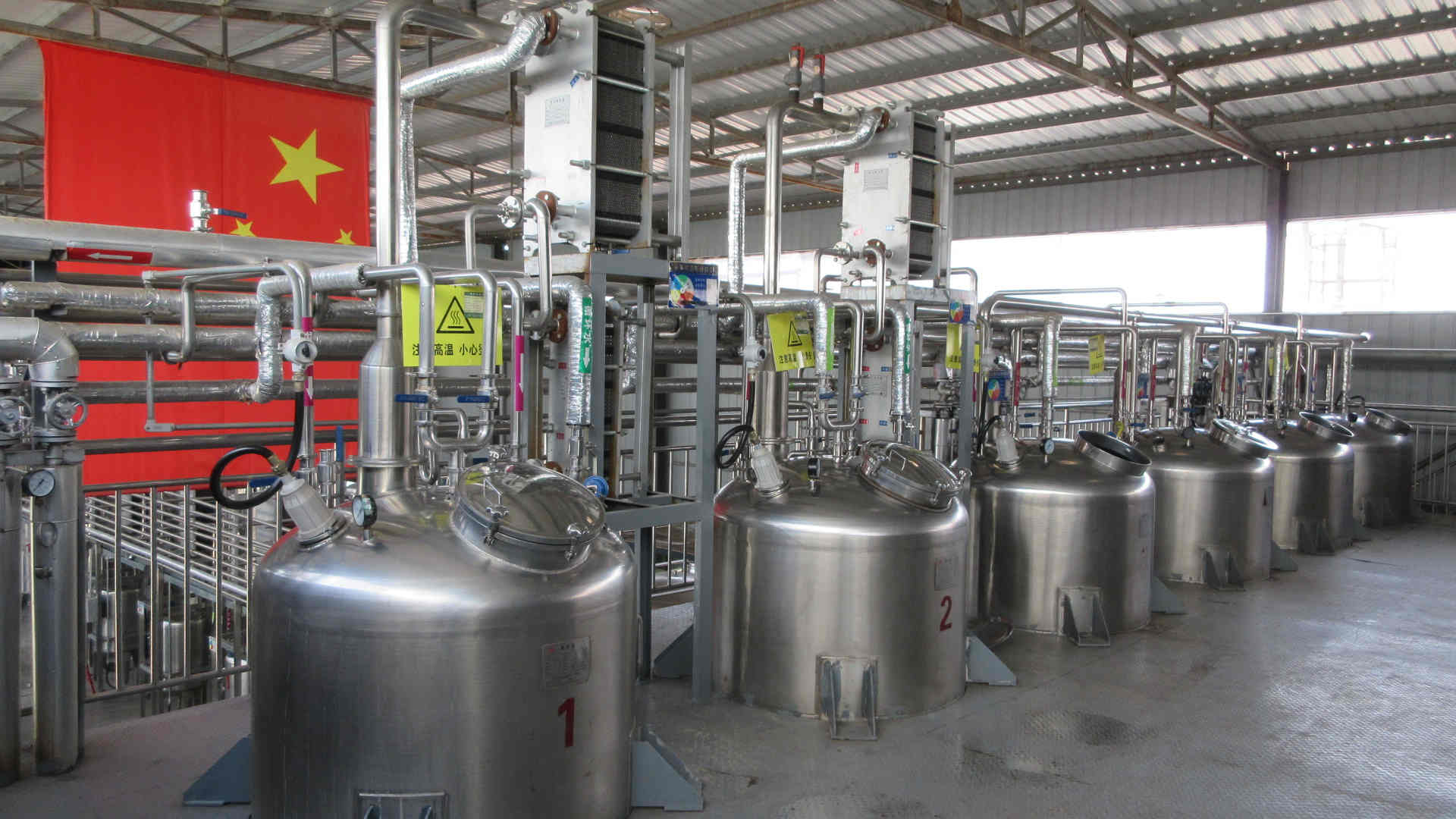
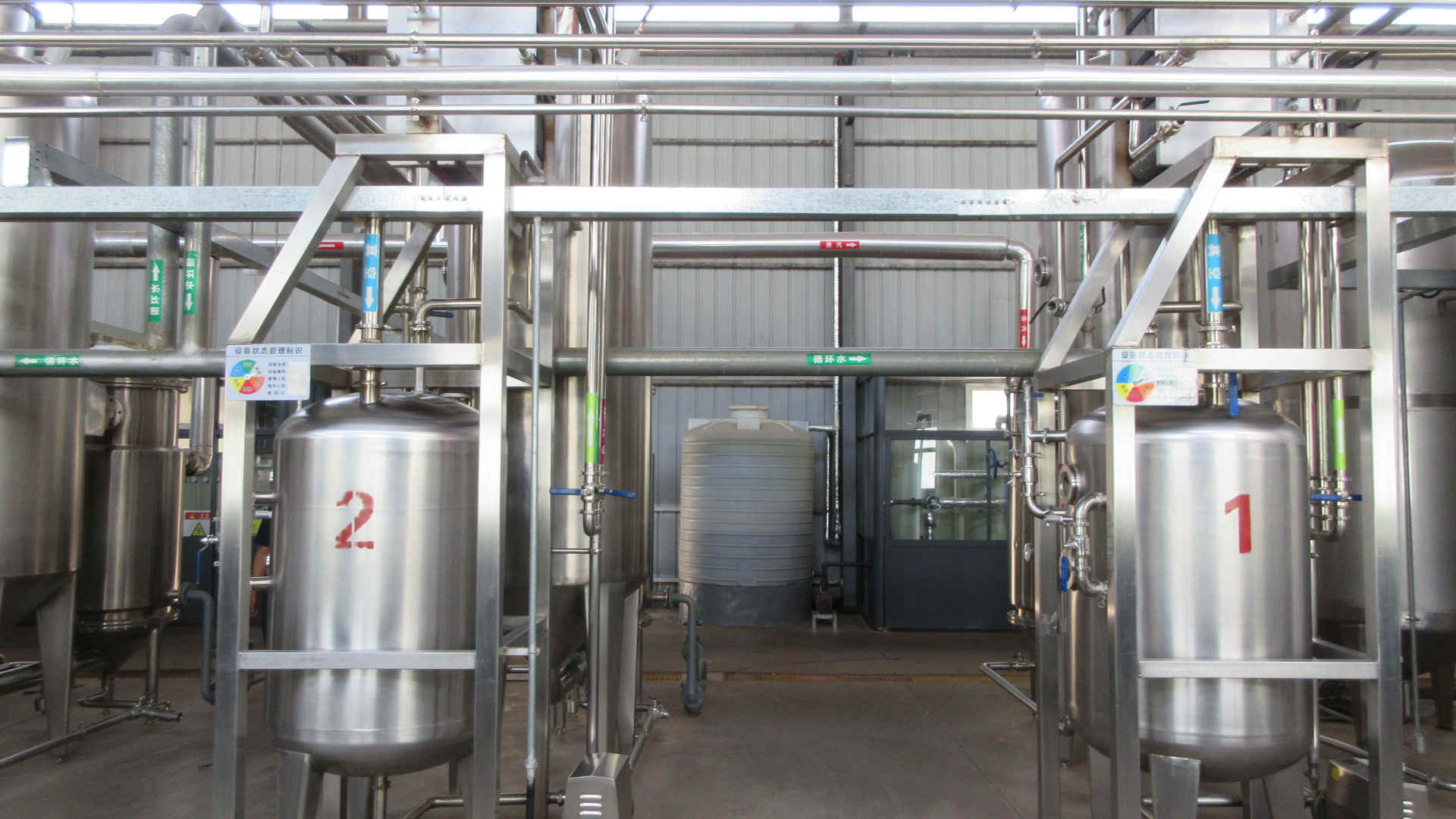
How Chinese raw material access, infrastructure, and technical integration create global value.
China's food ingredients sector has moved beyond simple bulk production to become an innovation-driven hub of bio-synthetic engineering. Factories in Shaanxi Province utilize regional agricultural inputs (like grains, tubers, and oilseeds) alongside advanced enzymatic technology. Our plant extraction facilities combine cost-efficiency with high-precision manufacturing, offering several key advantages to the international food market:
Shaanxi Province is a natural hub for botanical sourcing. Our close proximity to domestic agricultural centers guarantees a steady supply of high-grade raw plant starches, cellular fibers, and legumes. This proximity reduces transport times and limits precursor degradation, helping us maintain batch stability and minimize chemical changes before active extraction.
Instead of relying on chemical alterations that require solvent purging, our plant operates clean enzymatic modifications. We utilize specific amylases, transglutaminases, and lipases to restructure natural starches and proteins. This allows us to replicate the physical attributes of fats—including melt curves, emulsification stability, and viscosity—using clean-label botanical ingredients.
Our facility runs continuous automated production lines, including advanced adsorption arrays and spray towers. This scale allows us to buffer seasonal market shifts and maintain price stability for our international partners. Every batch undergoes testing for heavy metal residue, pesticide footprints, and microbiological loads to ensure safety compliance.
Custom structural profiles designed for dairy, bakery, meat, and processed food formulations.
| Food Category | Technical Challenge | Fat Replacer Solution Type | Functional Outcome & Value |
|---|---|---|---|
| Dairy Alternatives & Cheeses | Syneresis, chalky mouthfeel, lack of meltability. | Enzymatically modified starch + Microparticulated Plant Protein. | Imparts high creaminess, mimics natural milk fat globules, stabilizes water-protein emulsion. |
| Industrial Bakery | Gluten dryness, crumb crumbly texture, rapid staling. | Inulin & Soluble Dextrin complexes. | Retains crumb moisture, extends shelf life, maintains aeration during high-speed dough mixing. |
| Plant-based Meats | Poor binding, structural collapse under high-heat frying. | Emulsified hydrocolloid networks + Lipase modified structured lipids. | Replicates marbled fat appearance, releases lipid-like juices upon thermal activation. |
| Condiments, Dressings, Sauces | Phase separation, structural collapse during transport. | High molecular weight modified cellulose & Xanthan compounds. | Provides shear-thinning behavior, mimics oil-drop suspension, stable across low pH environments. |
In practice, formulating with fat replacers requires matching the ingredient's mechanical properties with the food's processing environment. For instance, in low-fat salad dressings, the primary challenge is viscosity loss. Our starch-based hydrocolloids act as swelling agents that mimic oil droplets under low shear stress, preventing water separation during shipping and storage.
In low-fat bakery reformulations, our soluble dietary fiber mixtures function as moisture-binding networks. They control water migration within the starch matrix, delaying crystallization (staling) and keeping bread crumbly and soft without requiring excess monoglycerides or shortenings.
The future of healthy fats is shaped by clean-label demands, bioactive fortification, and precision manufacturing.
Modern consumers demand simple ingredients list. Synthetic chemical emulsifiers are being replaced by physically modified starches, pea fibers, and oat beta-glucan matrices. Our CE-certified plant-based lines fit clean-label requirements, avoiding chemical classification codes where possible.
Using prebiotic oligosaccharides as fat replacers delivers secondary health benefits. Soluble fibers like chicory inulin mimic the texture of fat while feeding beneficial gut bacteria, helping brands create functional foods that support digestive health.
Interesterified plant oils recreate the melting profiles of trans-fat rich bakery fats without the associated health risks. Our R&D team uses enzymatically catalyzed reactions to target specific molecular structures, offering heat-stable fat replacers tailored for deep frying and industrial baking.
Key quality assurance factors to consider when sourcing fat replacers for international markets.
For B2B procurement managers and food scientists, sourcing functional ingredients requires meeting strict quality and safety standards. To verify the safety and performance of fat replacers, global supply chains depend on clear quality testing frameworks:
Answers to common technical, regulatory, and sourcing questions about our CE-certified fat replacers.
CE certification verifies that our ingredients, extraction equipment, and chemical additives meet EU safety, health, and environmental standards. It confirms compliance with Good Manufacturing Practices (GMP) and EU food additive regulations, ensuring smooth custom clearance and safe integration into consumer food products.
We use plant-derived starches and fibers to create water-binding networks. When processed under shear stress, these hydrocolloids break down into micro-particles that roll over the tongue, mimicking the lubricating sensation of natural fat globules.
Yes. Through our OEM & ODM services, we customize the water-binding capacity, viscosity, and particle size distribution of our starches and proteins to match the specific processing conditions of yogurt, cheese, and frozen desserts.
Our dry powder fat replacers generally have a shelf life of 24 months when stored in a cool, dry place in their original packaging. Keeping them away from moisture and direct sunlight prevents clumping and maintains starch performance.
Every batch of raw botanicals undergoes testing before extraction. We use advanced clean-room milling, concentration, and spray-drying processes, and verify purity levels using HPLC and GC-MS equipment before releasing shipments.
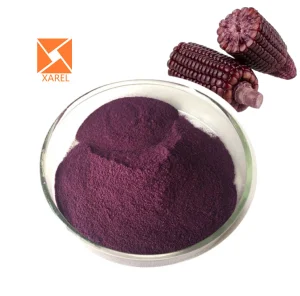
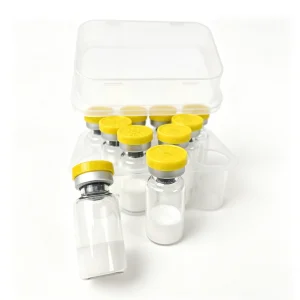
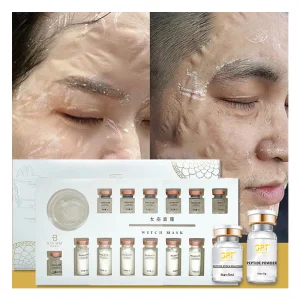
Browse our collection of plant pigments, active peptides, cosmetic grade ingredients, natural preservatives, and organic plant nutrition.

 Mirae Biology