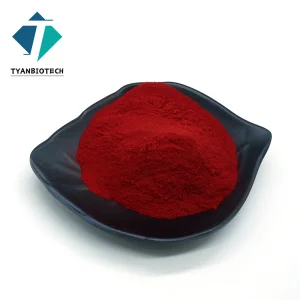
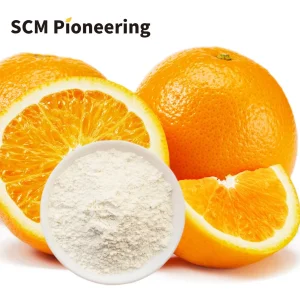
Discover our premier selection of plant-based excipients, natural preservatives, and functional food pigments designed to meet strict clean-label compliance requirements worldwide.
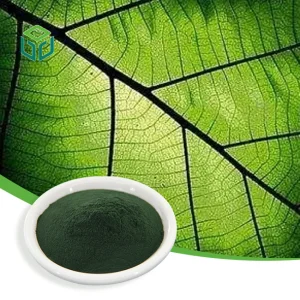

The global food, pharmaceutical, and cosmetic industries are undergoing a massive transition. Artificial colorants (such as FD&C Yellow No. 5, Red No. 40, and Blue No. 1) are facing extreme scrutiny from consumers and regulatory watchdogs like the EFSA (European Food Safety Authority) and the US FDA. Research linking synthetic azo dyes to hyperactivity in children and other hyper-sensitivity responses has driven the market toward natural alternatives.
Traditional synthetic colors are extremely stable under light, heat, and varying pH. The greatest technical challenge for natural pigments is replicating this stability. Advanced solutions utilize botanical co-pigmentation, natural antioxidants, and encapsulation to ensure that colors stay vibrant throughout their shelf life.
Transitioning to plant-derived colors helps brands avoid warning labels required in regions like Europe for azo dyes. By using raw materials like Sodium Copper Chlorophyllin or Sorghum Red, manufacturers can clean up their ingredient decks while enhancing consumer trust.
By wrapping delicate pigments like anthocyanins or carotenoids in natural polysaccharide matrices (such as maltodextrin or gum arabic), manufacturers protect the color molecules from oxidative breakdown during high-heat processes like spray-drying and baking.
The global natural colorants market is projected to surpass USD 3.2 billion by 2030, growing at a CAGR of over 7.2%. The competitive landscape is defined by key global players focusing on raw material backward integration (controlling farming sites to ensure supply security) and innovative extraction methods to maximize pigment yield without using harmful chemical solvents.
| Manufacturer/Supplier Type | Key Plant Pigment Ranges | Core Technology Highlight | Primary Market Alignment |
|---|---|---|---|
| Oterra (formerly Chr. Hansen) | Carotenoids, Anthocyanins, Beetroot Red | Advanced formulation stabilization | Beverages, Confectionery, Dairy |
| Sensient Cosmetic Technologies | Mineral pigments, Chlorophyllin, Annatto | Micronization & surface treatments | Personal Care, Fine Cosmetics |
| GNT Group (Exberry) | Coloring Foods (Fruit & Veg concentrates) | Physical processing (no solvents) | 100% clean-label food applications |
| Shaanxi Mirae Biology Co., Ltd. | Sodium Copper Chlorophyllin, Sorghum Red | High-yield extraction & purification | Pharma, Nutraceuticals, Functional Foods |
| Kalsec Inc. | Paprika Extract, Turmeric (Curcumin) | Spices & Herb co-extraction systems | Savoury sauces, Meat alternatives |
Shaanxi Mirae Biology Co., Ltd. is a professional manufacturer and global supplier specializing in the research, development, production, and distribution of high-quality plant extracts, nutritional ingredients, cosmetic raw materials, peptides, and specialty chemicals.
Located in Shaanxi Province, China, a region renowned for its rich botanical resources and advanced biotechnology industry, we combine premium natural ingredients with modern extraction technology to provide innovative and reliable solutions for customers worldwide.
With a strong commitment to quality, innovation, and customer satisfaction, we serve clients across the pharmaceutical, nutraceutical, cosmetic, food, and research industries. Our experienced technical team and strict quality control system ensure that every product meets international standards for purity, safety, and consistency.
Today, our products are exported to customers in North America, Europe, Southeast Asia, the Middle East, and many other international markets, earning a reputation for dependable quality and professional service.
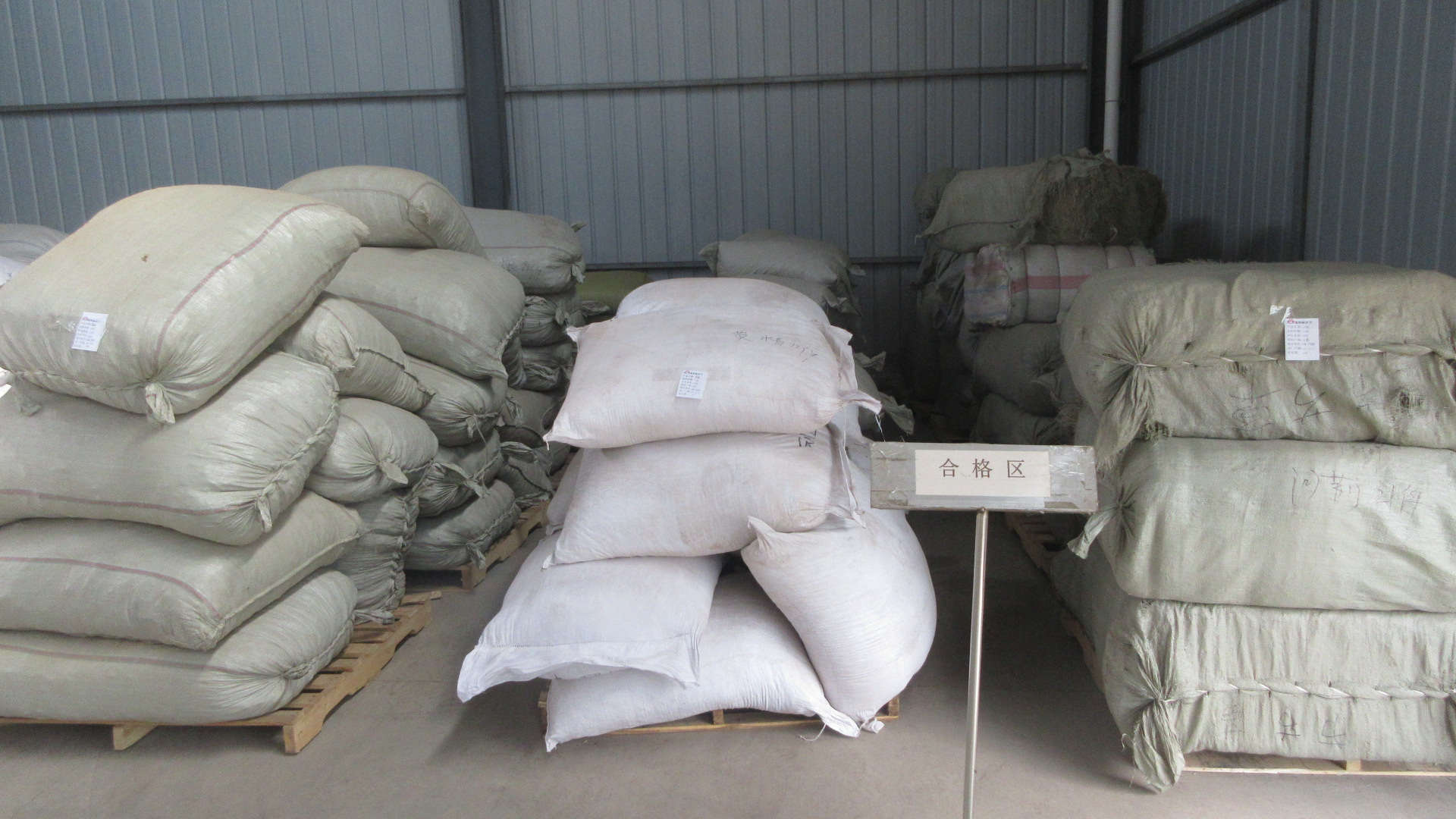
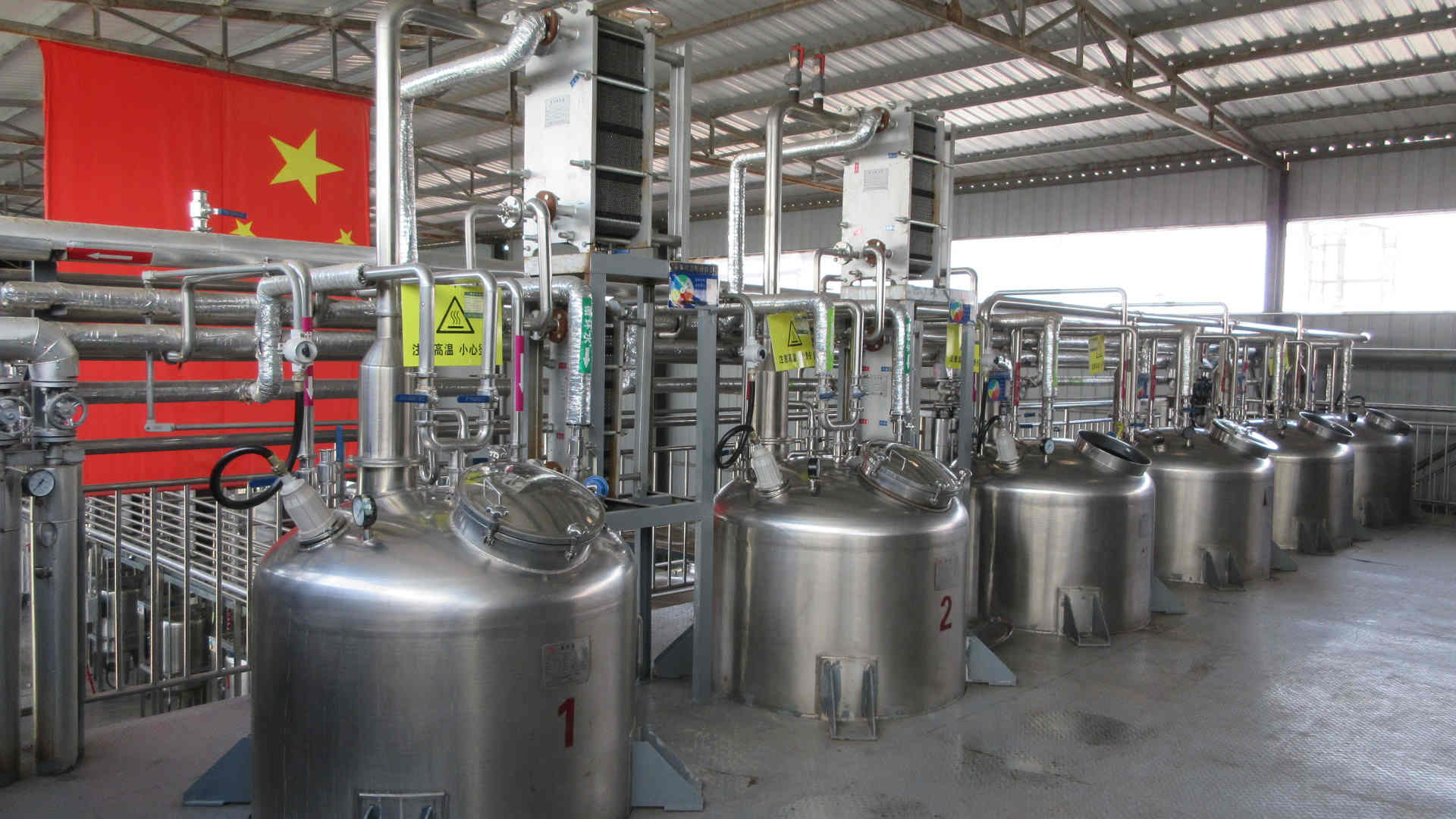
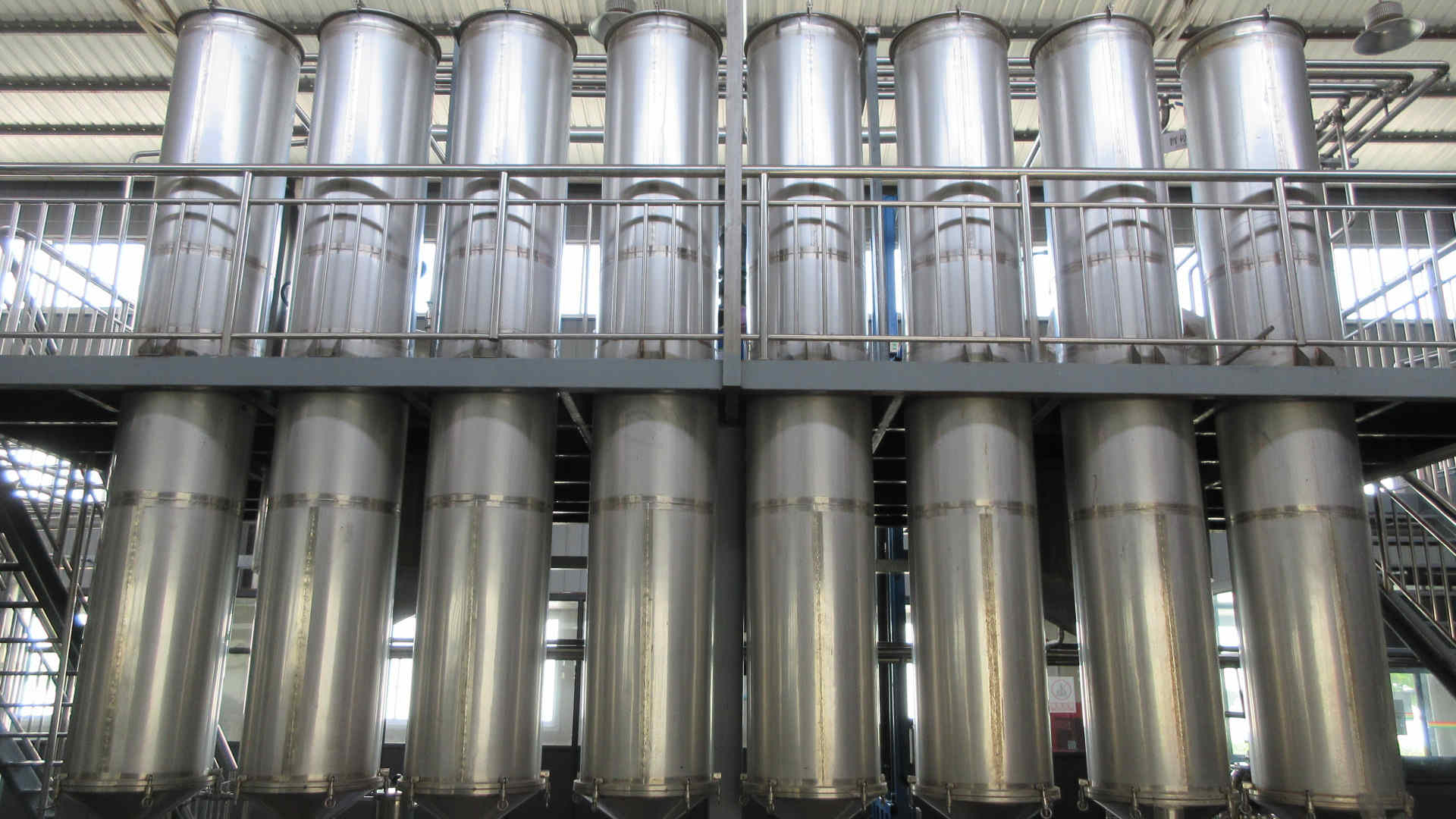
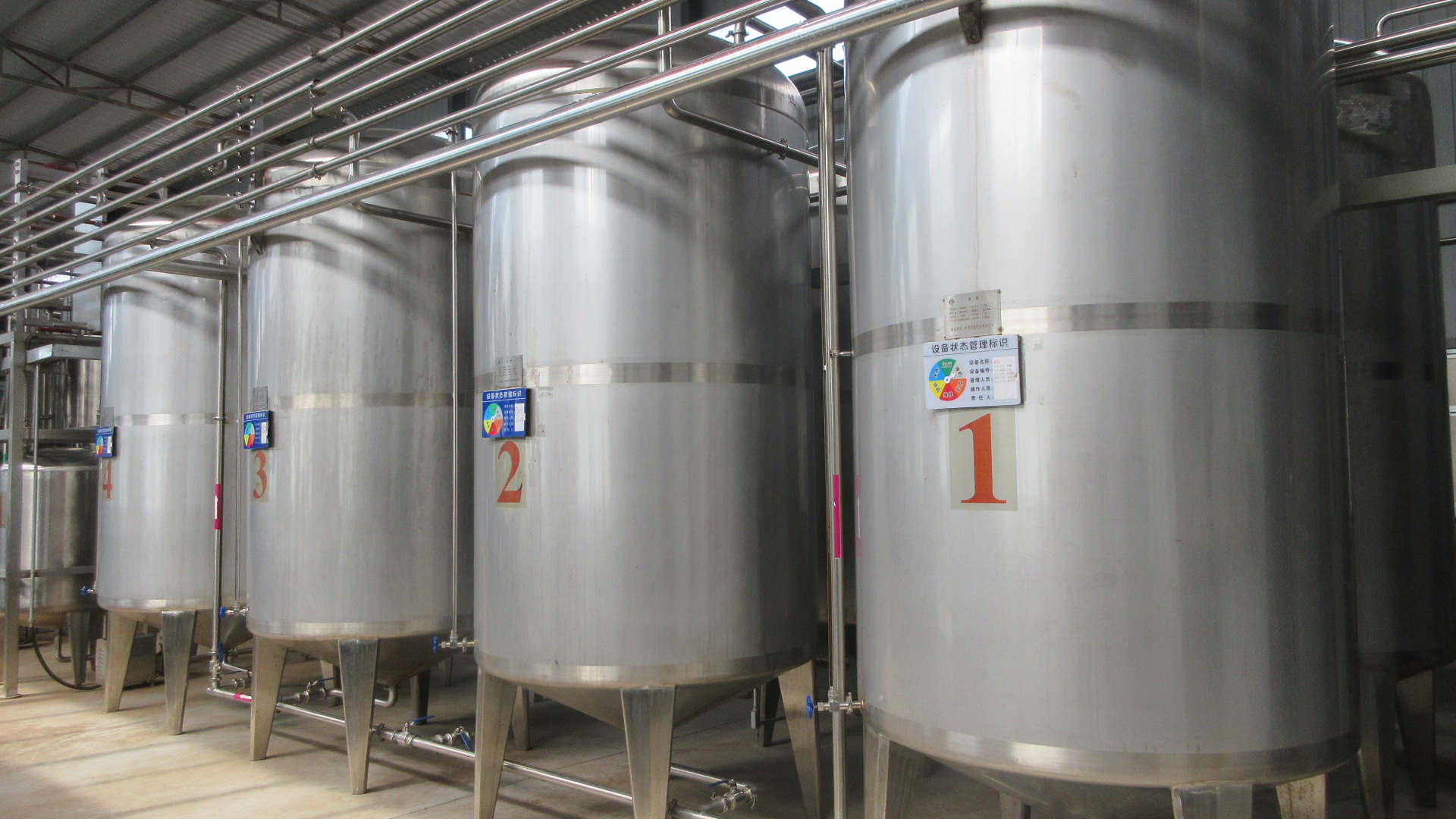
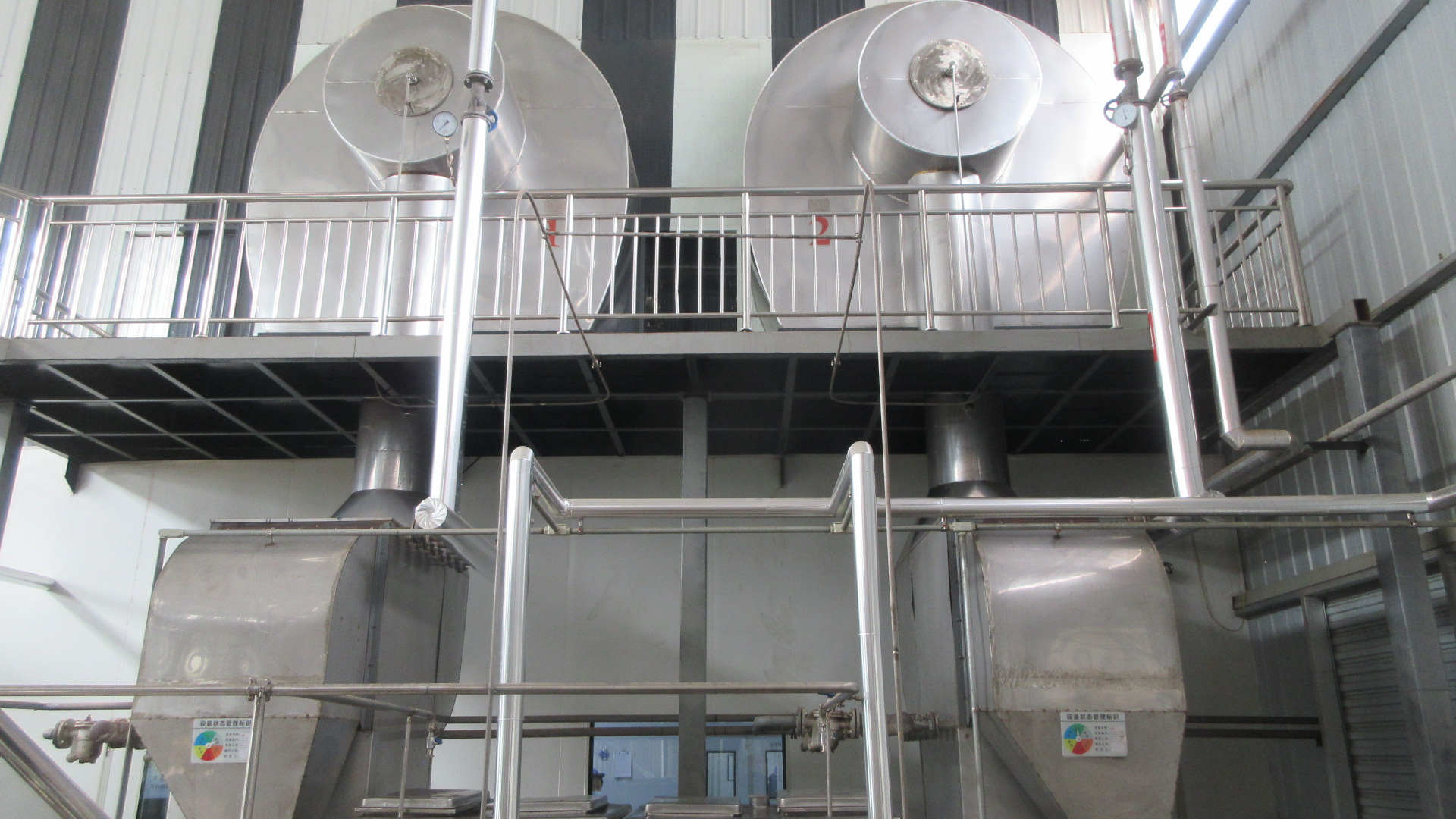
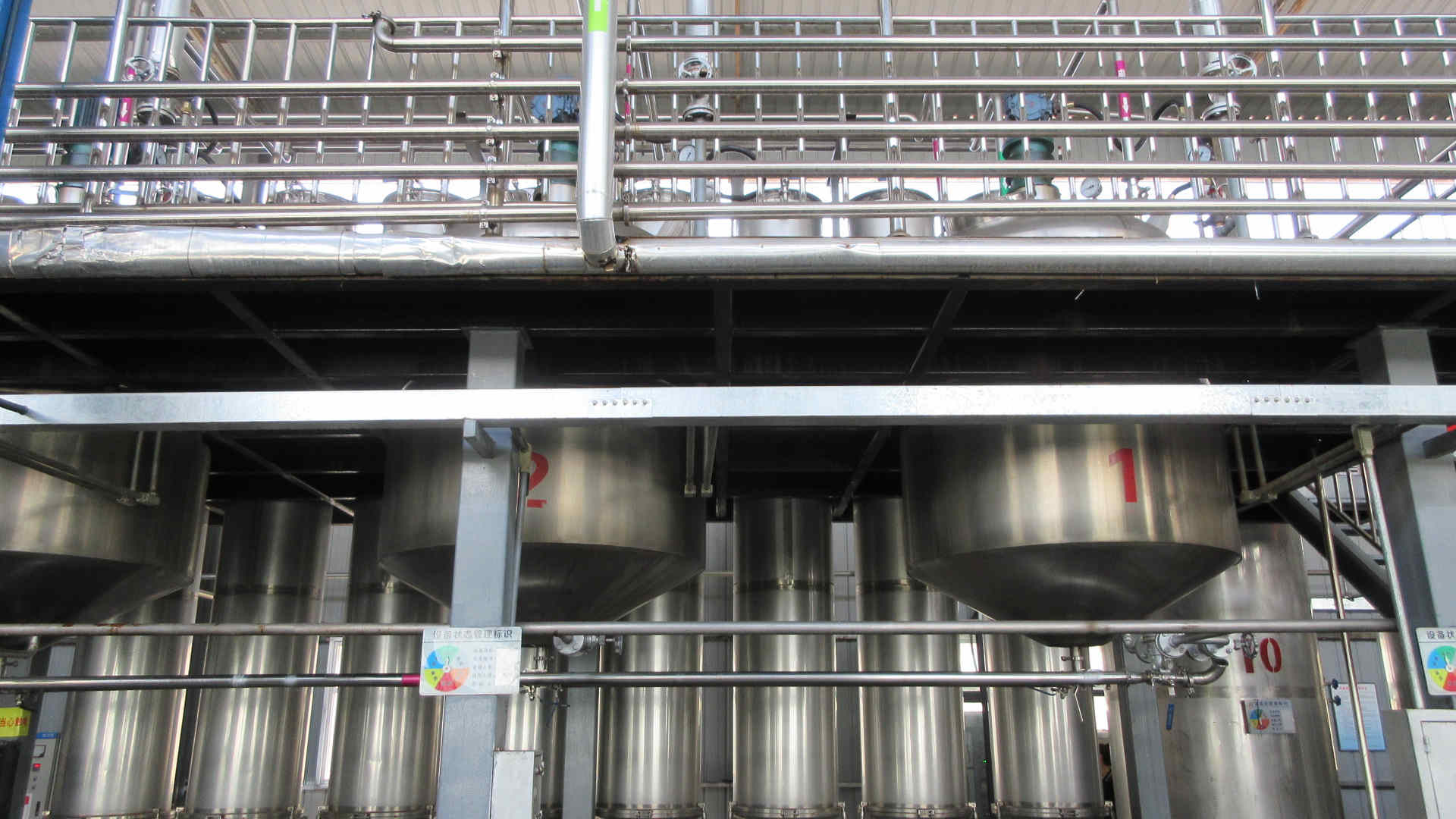
Ensuring the high purity, safety, and stability of botanical ingredients requires strict operational standards. Below is the step-by-step technical pathway utilized in our facility to guarantee quality consistency from raw botanicals to the final standardized powder.
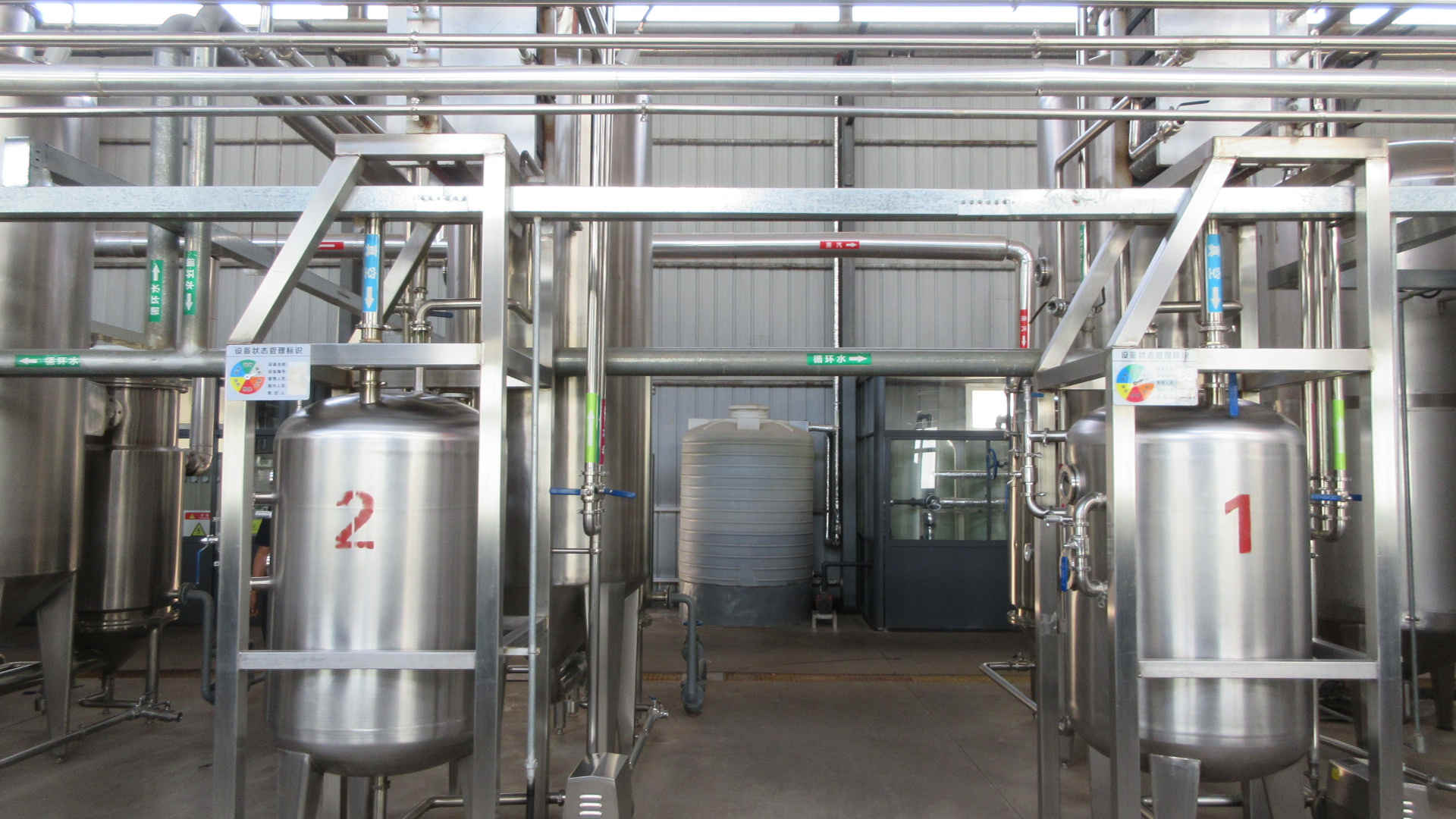
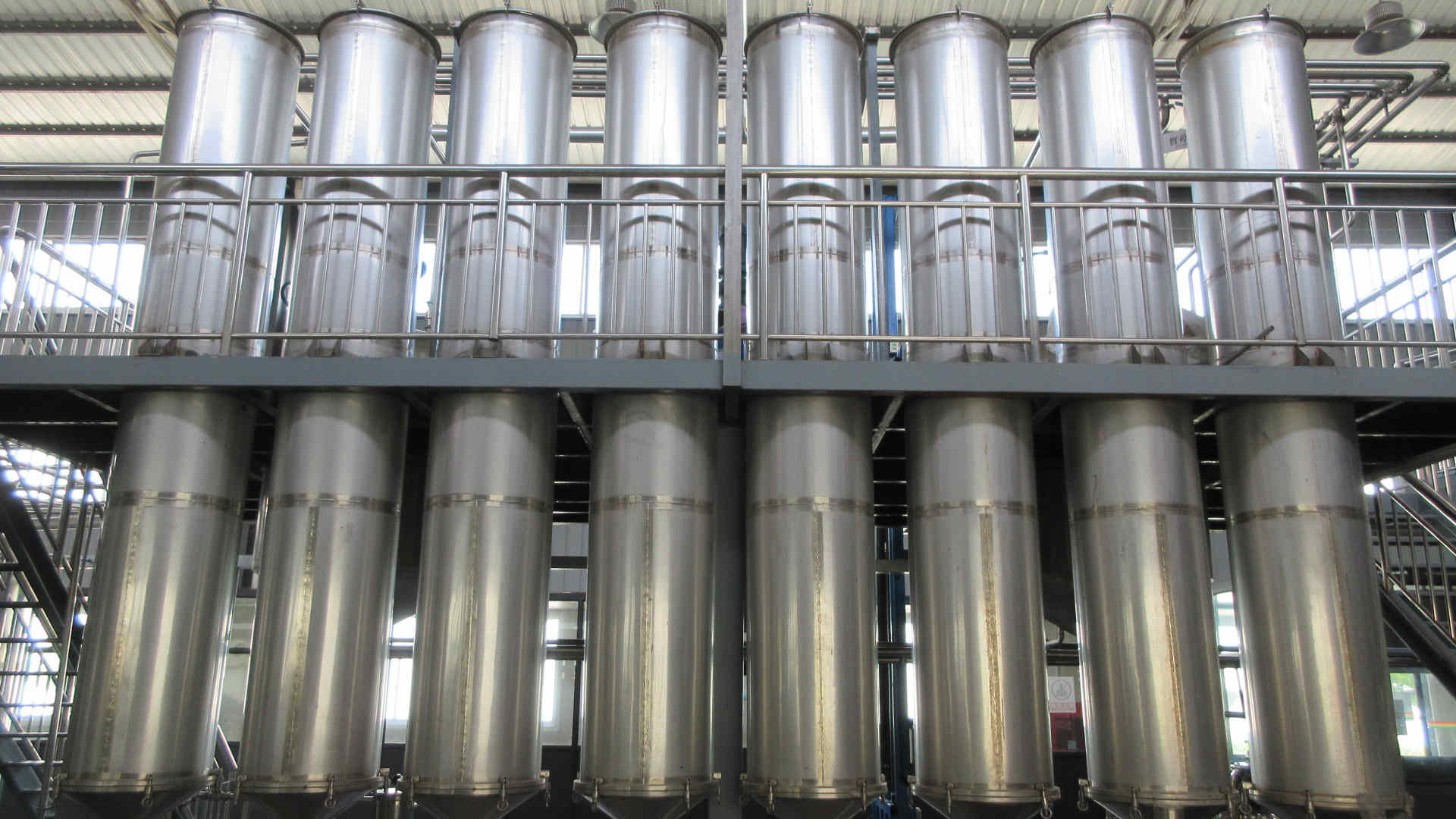
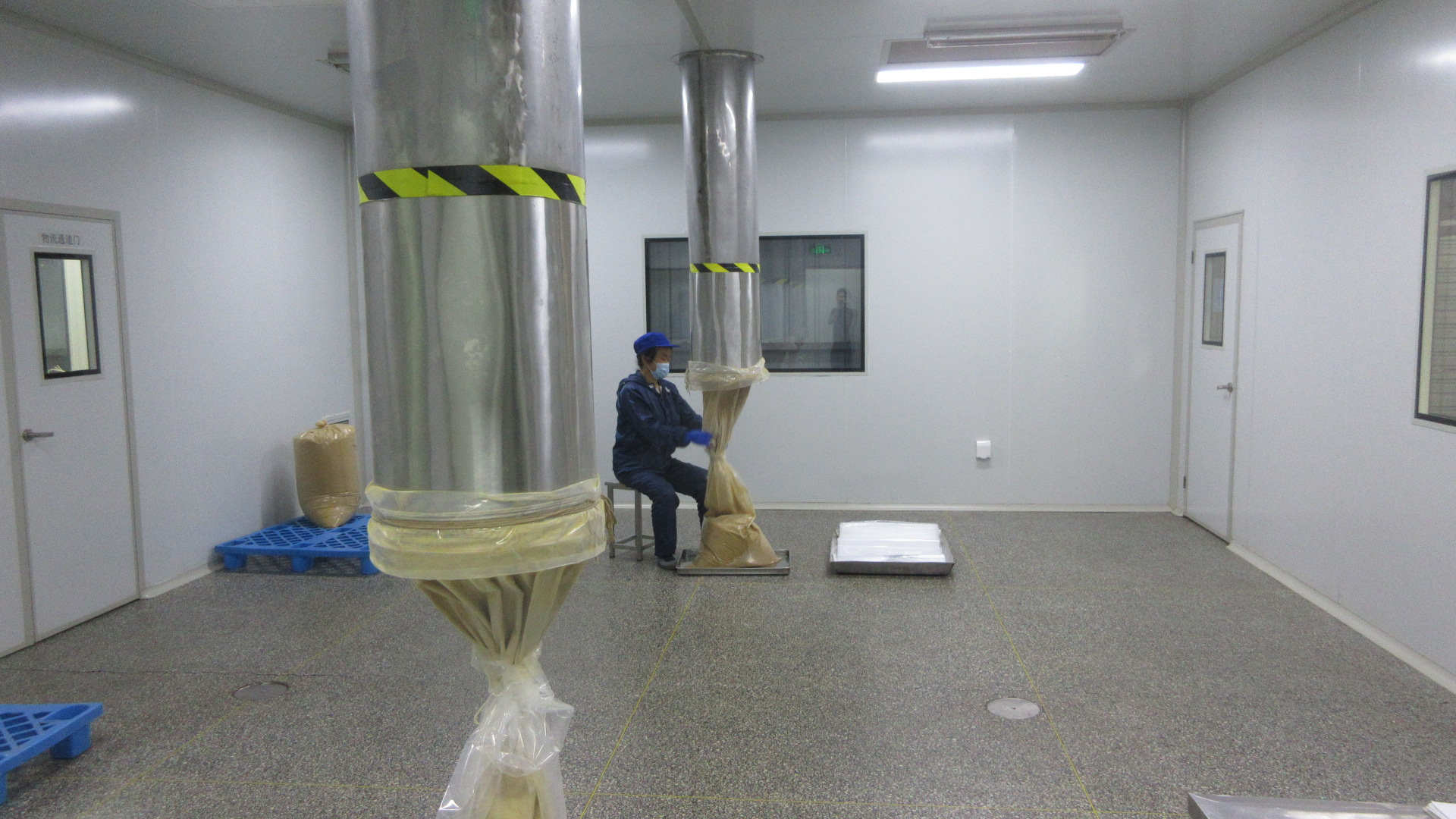
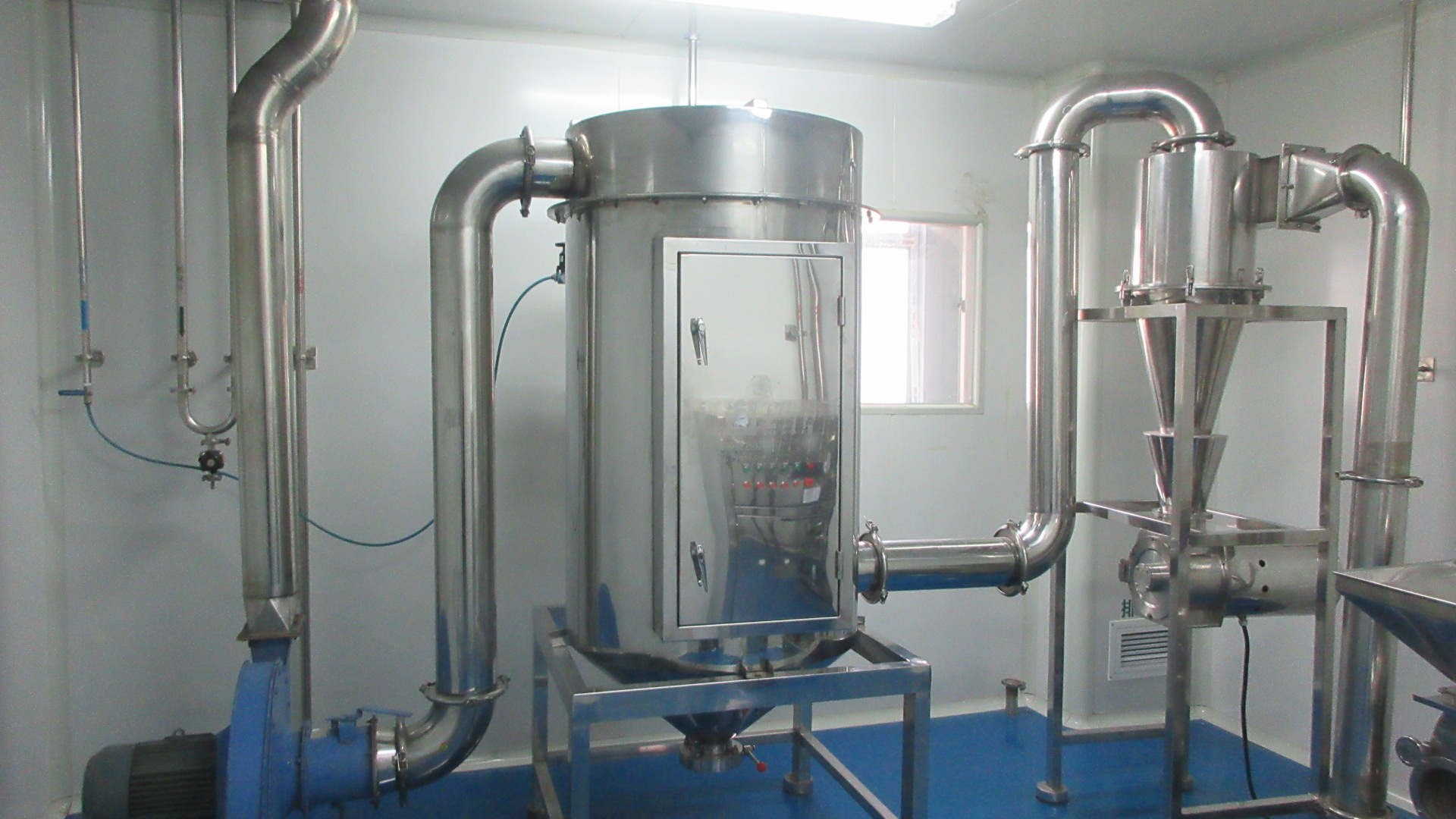
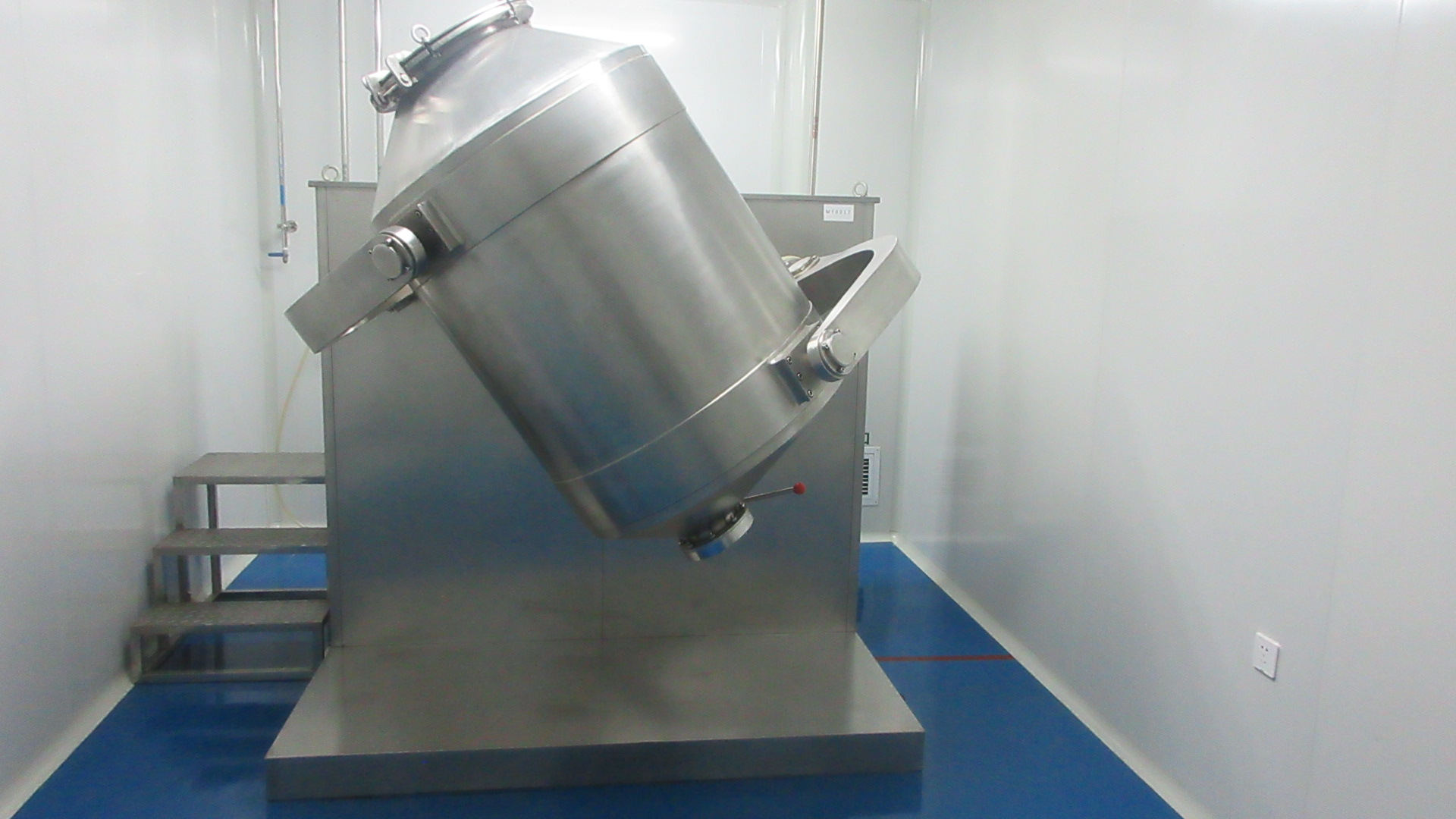
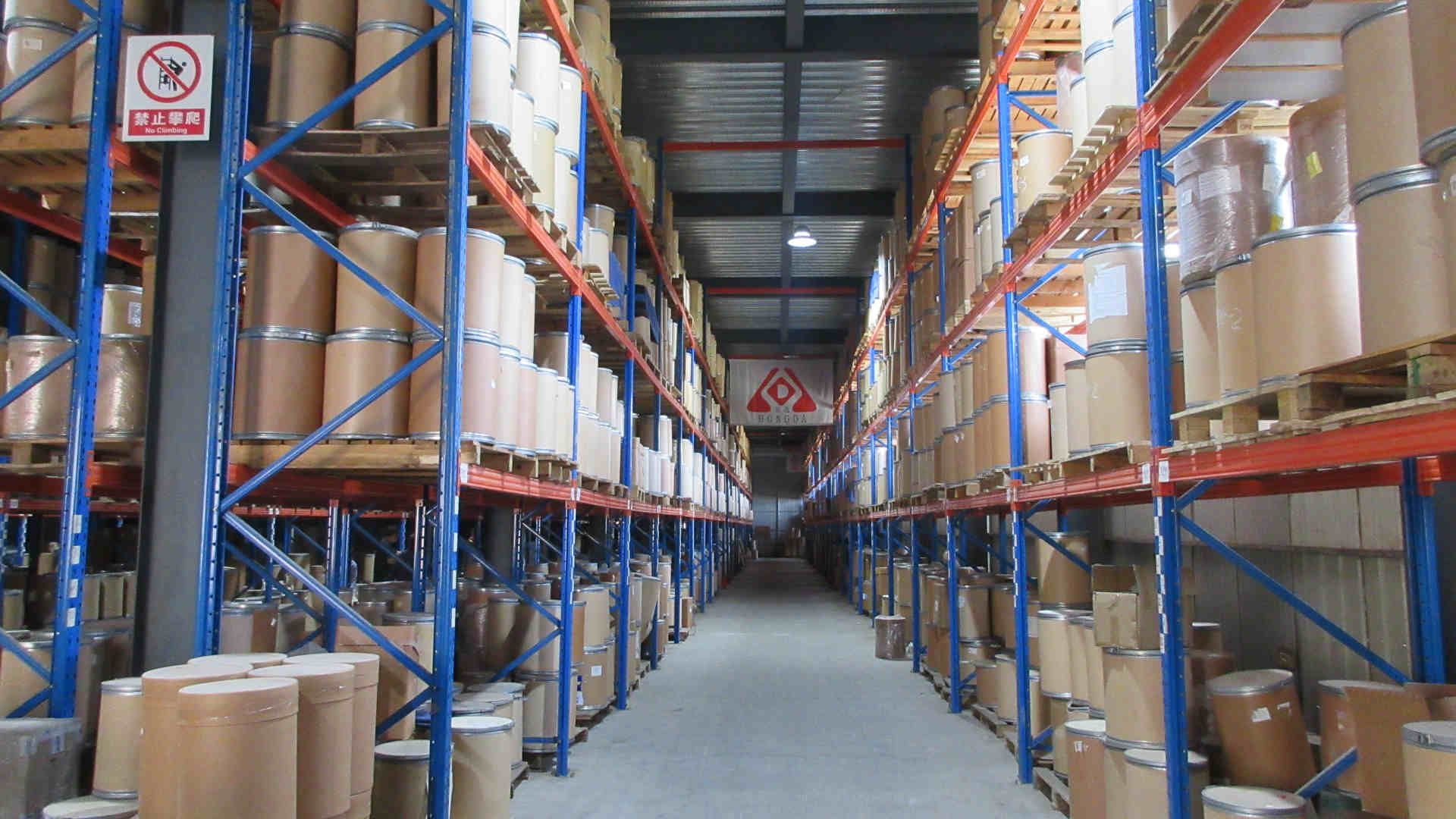
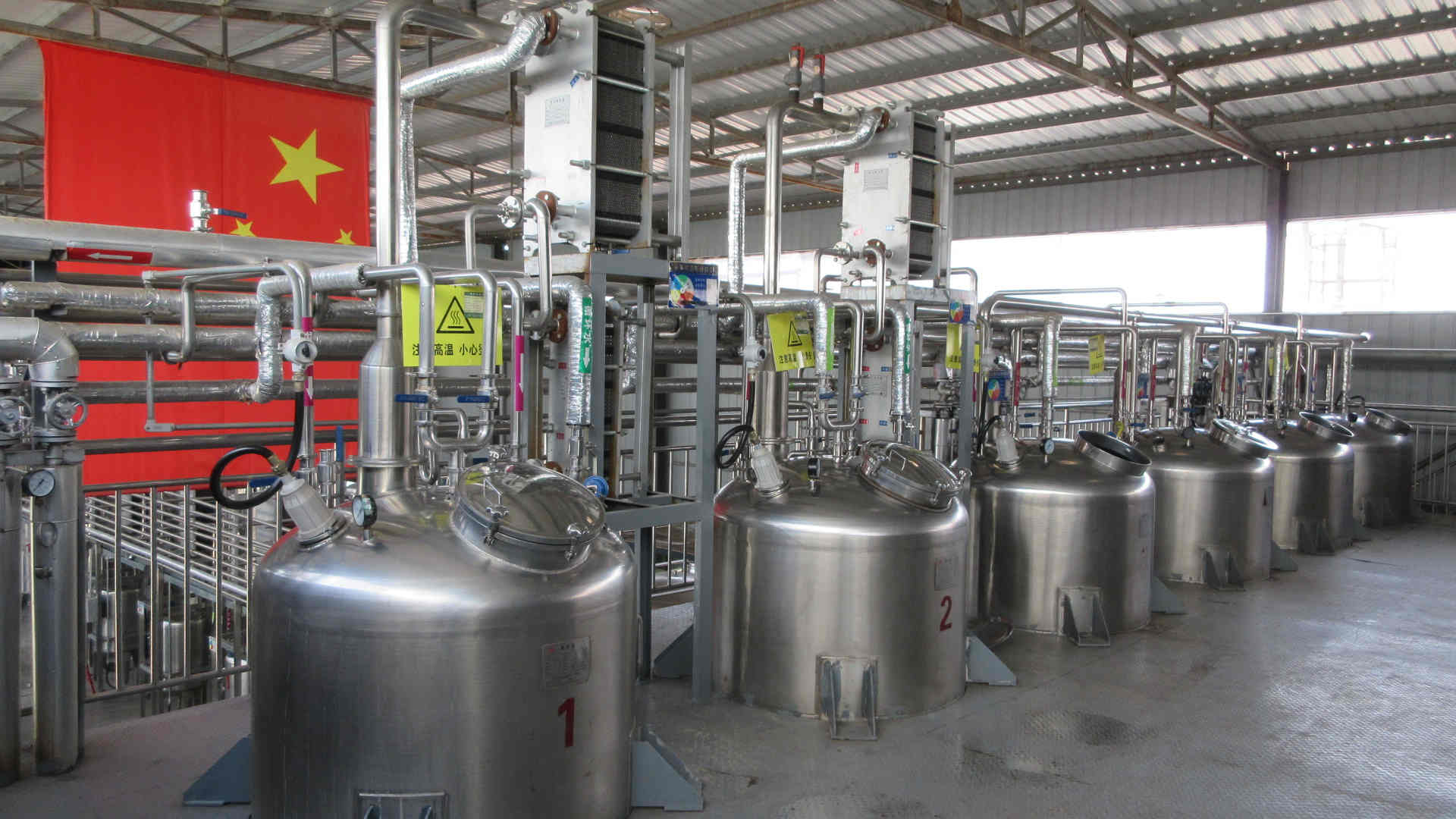
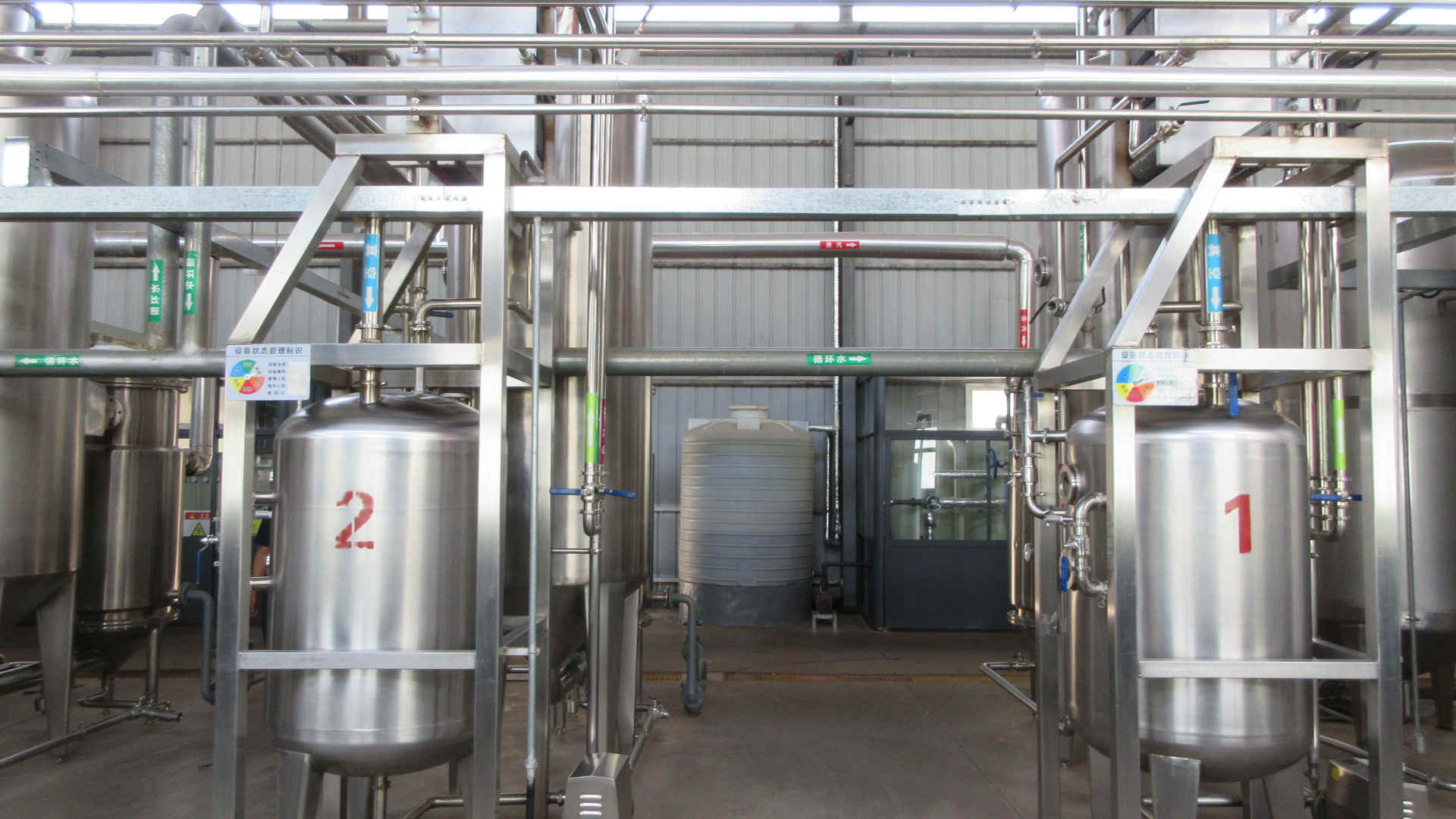
Depending on the target market, the regulatory pathway for natural colorants varies considerably. Navigating this landscape requires regional analytical validation and documentation.
In the United States, natural color additives are regulated under 21 CFR Parts 73, 74, and 82. Unlike synthetic dyes, natural pigments are categorized as "color additives exempt from certification". However, they must still conform to strict identity specifications, heavy metal thresholds (e.g., Lead < 2 ppm, Arsenic < 3 ppm), and pesticide residue limitations. Shaanxi Mirae Biology ensures all colorants destined for the US market meet these parameters, backed by complete COA (Certificate of Analysis) and third-party laboratory verification.
The European market distinguishes between "Coloring Foods" (processed fruits, vegetables, and herbs that retain their essential coloring characteristics) and "Additives" (which carry an E-number, such as E141 for Chlorophyllins). Ensuring compliance requires rigorous extraction methods that utilize only water, ethanol, or food-grade physical carriers. Our facility operates in alignment with these standards, providing clear ingredient declarations that help brands formulate clean labels free of artificial warning requirements.
Color stability is highly system-dependent. For instance, **Sorghum Red** provides a vibrant red-to-purple shade in acidic foods (pH 2.0 - 4.5), making it ideal for carbonated beverages, yogurt, and fruit preserves. However, in neutral pH environments (pH > 6.0), anthocyanins shift to blue-grey tones. To prevent this, our R&D department offers custom lipid coating and pH-buffering systems, ensuring color uniformity across diverse matrices including confectionery, dry beverage powders, and plant-based protein analogs.
The natural color industry is moving toward green extraction techniques and bio-fermentation. Shaanxi Mirae Biology is actively investing in technologies to reduce carbon footprints and eliminate organic solvents completely from the manufacturing chain.
By using pressurized carbon dioxide at supercritical temperatures, we can extract oil-soluble pigments (like lutein, lycopene, and paprika) without leaving any chemical solvent residues in the final color powder.
Working with non-GMO yeast and bacterial cultures allows for the clean-room production of pigments like astaxanthin and beta-carotene, reducing reliance on seasonal agricultural harvests.
Extracting valuable anthocyanins and chlorophylls from agricultural by-products (such as fruit pulp waste and crop leaves) allows us to lower production costs while promoting a circular economy.
Sodium Copper Chlorophyllin is relatively stable compared to raw chlorophyll because the magnesium ion at the center of the ring is replaced with copper. To protect it from light degradation, we recommend using natural antioxidants like ascorbic acid (Vitamin C) or rosemary extract in the formulation. For dry drink powders, microencapsulation using gum arabic protects the molecules from oxygen exposure during storage.
Sorghum Red is an anthocyanin-type pigment, which naturally shifts in color depending on pH. In acidic environments (pH < 4.0), it exhibits a bright, stable red hue. At neutral pH, it turns purple or grey. For neutral pH products like dairy milk or plant milks, we supply specialized stabilized emulsions or recommend shifting to carotenoid-based natural yellow/orange alternatives to avoid shifting colors.
We comply with major international pharmacopoeias and food-grade guidelines. Standard batches guarantee Lead < 2.0 ppm, Arsenic < 1.0 ppm, Cadmium < 1.0 ppm, and Mercury < 0.1 ppm. On the microbiological side, Total Plate Count is kept below 1,000 CFU/g, with Yeast & Mold < 100 CFU/g. Pathogens like E. coli, Salmonella, and Staphylococcus aureus are completely absent.
Yes. Our extraction facility undergoes regular auditing to maintain Kosher and Halal certifications. Because we do not use animal-derived processing aids or gelatin carriers in our standard natural color formulations, they are suitable for vegan, vegetarian, and clean-label foods.
Historically, synthetic colors have had a lower raw ingredient cost. However, when factoring in clean labeling benefits, the removal of EU warning labels, and increased consumer demand, products utilizing natural colors command a market premium. We focus on extraction efficiency and high concentration parameters to lower the cost-in-use for food manufacturers globally.
Browse our full range of natural food colorants, preservation agents, and functional cosmetic raw materials.


 Mirae Biology