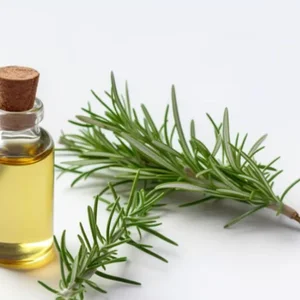

The global personal care industry is undergoing a structural transformation. Driven by regulatory mandates (such as the EU's tightening restrictions on cyclic silicones like D4, D5, and D6) and intense consumer preference for clean labels, the demand for natural emollients has transitioned from a niche luxury to a baseline requirement. Natural emollients—primarily lipophilic compounds sourced from plant oils, natural esters, squalane, and bio-based fatty alcohols—play a critical role in skincare and cosmetics. They serve as the foundation of lipid-barrier repair, sensory modification, and pigment dispersion.
Recent research indicates that the global natural emollients market is projected to expand at a CAGR of 6.8% through 2032. Innovation is currently centered around achieving volatile silicone-like properties (quick absorption, feather-light skin feel, and non-greasy finish) through bio-synthetic pathways. Manufacturers are moving past simple cold-pressed plant oils towards highly engineered ester structures and natural polymer mixtures that mimic the thermodynamic profile of petrochemical alternatives.
Sourcing and procurement executives face significant technical challenges when purchasing industrial-scale ingredients. Unlike standard chemical agents, plant-derived natural emollients exhibit high variability due to crop yields, geographical source deviations, and extraction methods. Key criteria evaluated during technical audits include:
Natural lipids rich in polyunsaturated fatty acids are prone to rancidity. Manufacturers must incorporate advanced antioxidant synergies (e.g., mixed tocopherols) and utilize nitrogen-blanketing technologies during storage and transit to guarantee shelf-life integrity.
Procurement teams map ingredients based on spreadability, absorption velocity, and residual skin friction. This requires suppliers to offer a diverse library of esters, ranging from low-viscosity, fast-spreading oils to high-refractive-index, glossy structural agents.
Entering international consumer markets demands exhaustive compliance portfolios. Essential documents include COSMOS/Ecocert certifications, REACH registration, non-GMO status, cruelty-free compliance, and detailed heavy metal and pesticide residue profiles.
The following is an analysis of the leading manufacturers in the global natural emollients market, recognized for their production capacity, technological innovation, and sustainability standards.
As a global chemical industry leader, BASF specializes in bio-based cosmetic ingredients. Their Cetiol® product range sets the industry benchmark for silicone replacements, utilizing sustainable palm kernel oil and vegetable esters to achieve diverse skin-feel profiles.
Renowned for its emphasis on green chemistry and ethical sourcing, Croda offers high-performance lipid matrices, bio-based esters, and natural lanolin alternatives. Their proprietary technologies focus on circular economy principles and bio-refineries.
Clariant develops high-value cosmetic actives and sensory modifiers. Their Plantasens® range features natural waxes, vegetable oils, and olive-derived squalane designed to elevate the texture and moisture retention properties of luxury emulsions.
Shaanxi Mirae Biology Co., Ltd. is a professional manufacturer and global supplier specializing in the research, development, production, and distribution of high-quality plant extracts, nutritional ingredients, cosmetic raw materials, peptides, and specialty chemicals.
Located in Shaanxi Province, China, a region renowned for its rich botanical resources and advanced biotechnology industry, the company combines premium natural ingredients with modern extraction technology to provide innovative and reliable solutions for customers worldwide. With a strong commitment to quality, innovation, and customer satisfaction, they serve clients across the pharmaceutical, nutraceutical, cosmetic, food, and research industries.
Evonik's Tegosoft® ester line is highly regarded for its customizable properties. Evonik utilizes advanced enzymatic synthesis processes, a biocatalysis method that runs at lower temperatures and consumes less energy than conventional chemical esterification.
Leveraging a massive agricultural supply chain, Cargill Beauty delivers natural starch-based texturizers, carrageenans, and bio-based emollients. Their system focuses on deep farm-to-factory traceability and reliable cost management.
A specialist in lipid chemistry and plant extraction, Gattefossé produces functionalized plant waxes and oil-based textures. Their research focuses on how emollients interact with the skin's microclimate to enhance active ingredient delivery.
An Air Liquide group company, SEPPIC designs innovative green excipients and polymer matrices. Their bio-sourced, biodegradable fluid emollients offer excellent skin tolerance and a light sensory footprint, suitable for daily-wear sunscreens.
Ashland produces bio-functional ingredients and natural polymers. Their green emollient line focuses on film-forming properties that protect the skin barrier while offering pigment wetting characteristics for color cosmetics.
Symrise combines active cosmetics with multifunctionals. Their natural emollient offerings provide both sensory benefits and antimicrobial properties, helping formulators reduce the concentration of traditional preservatives.
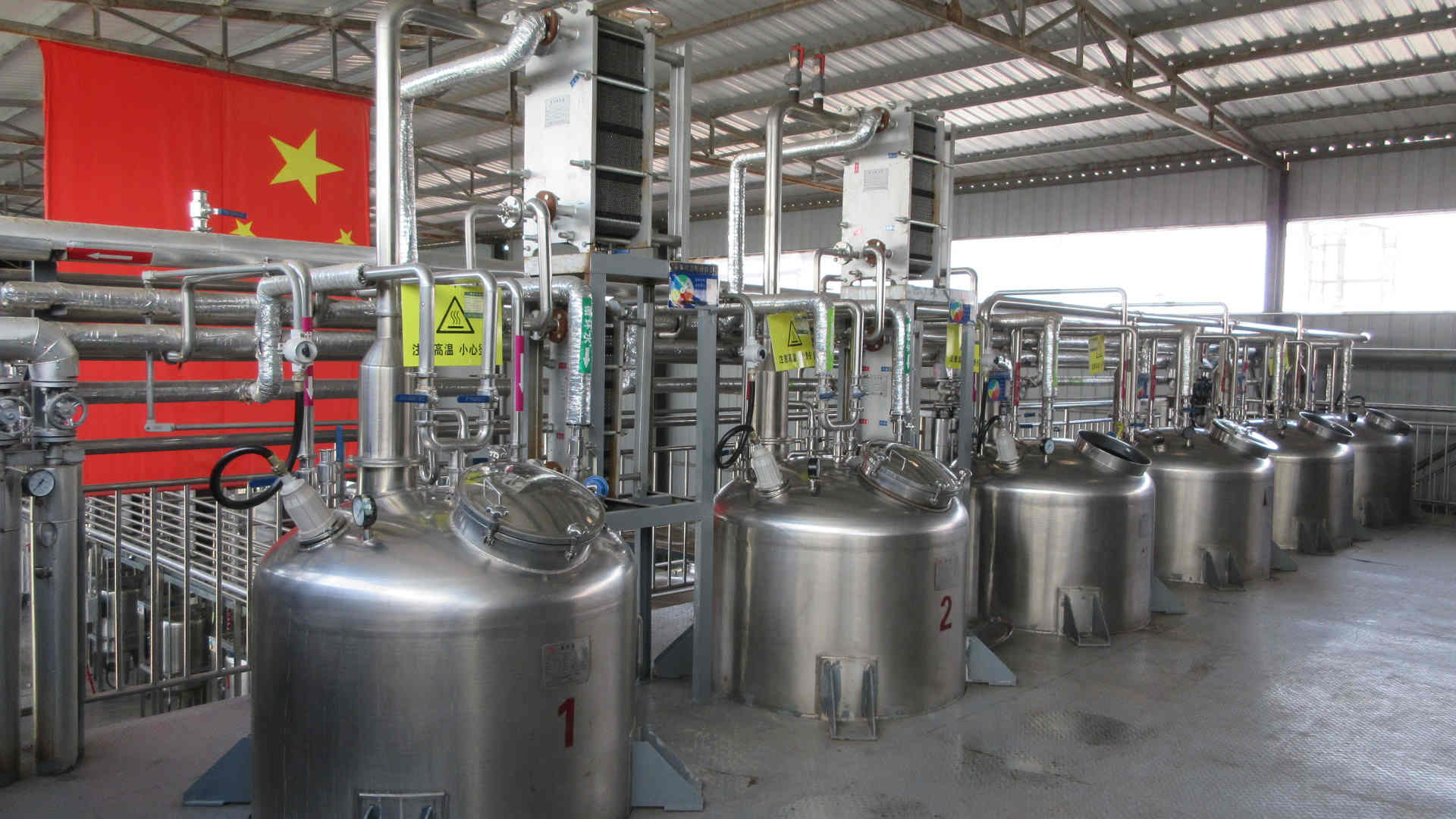
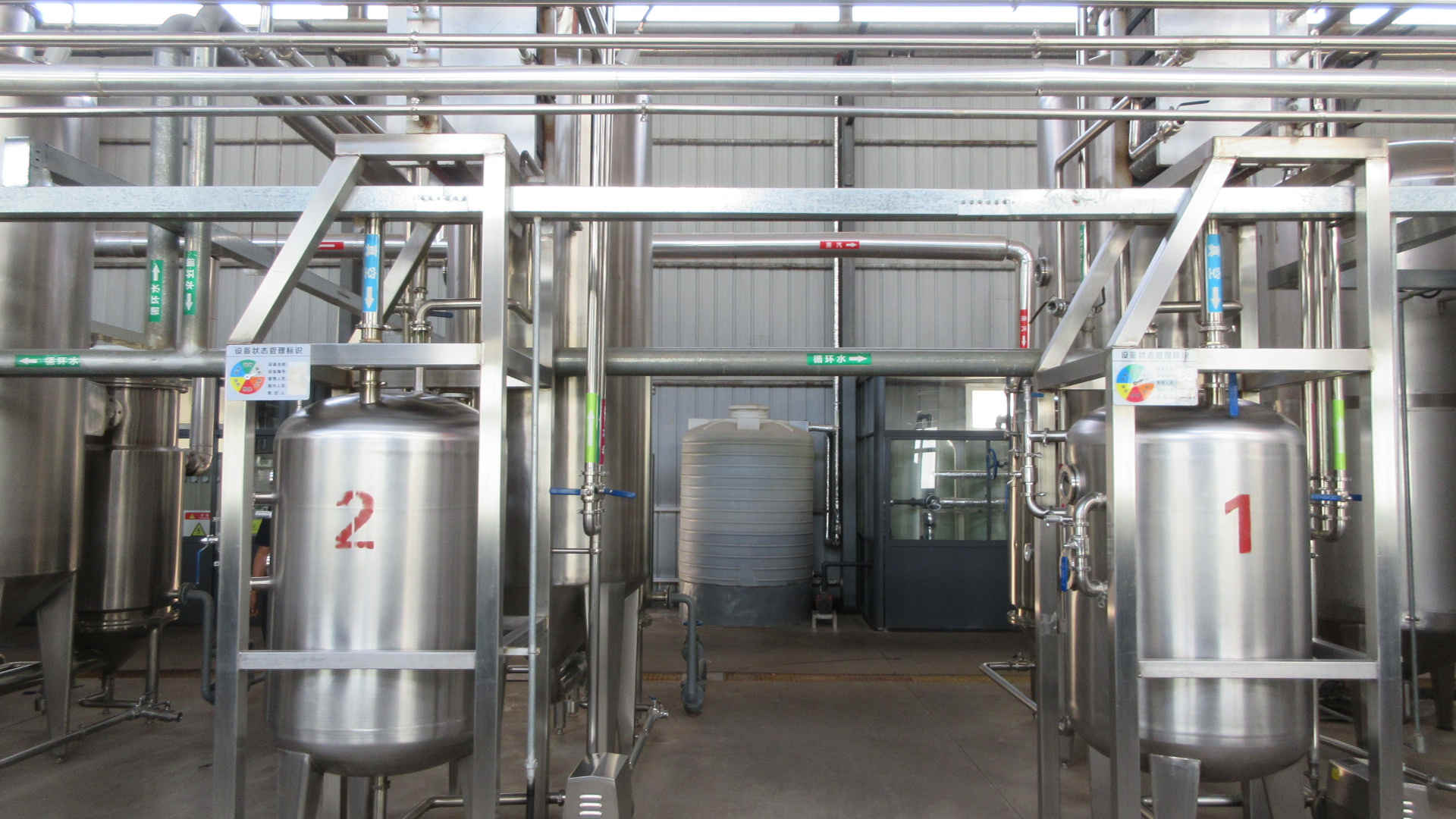
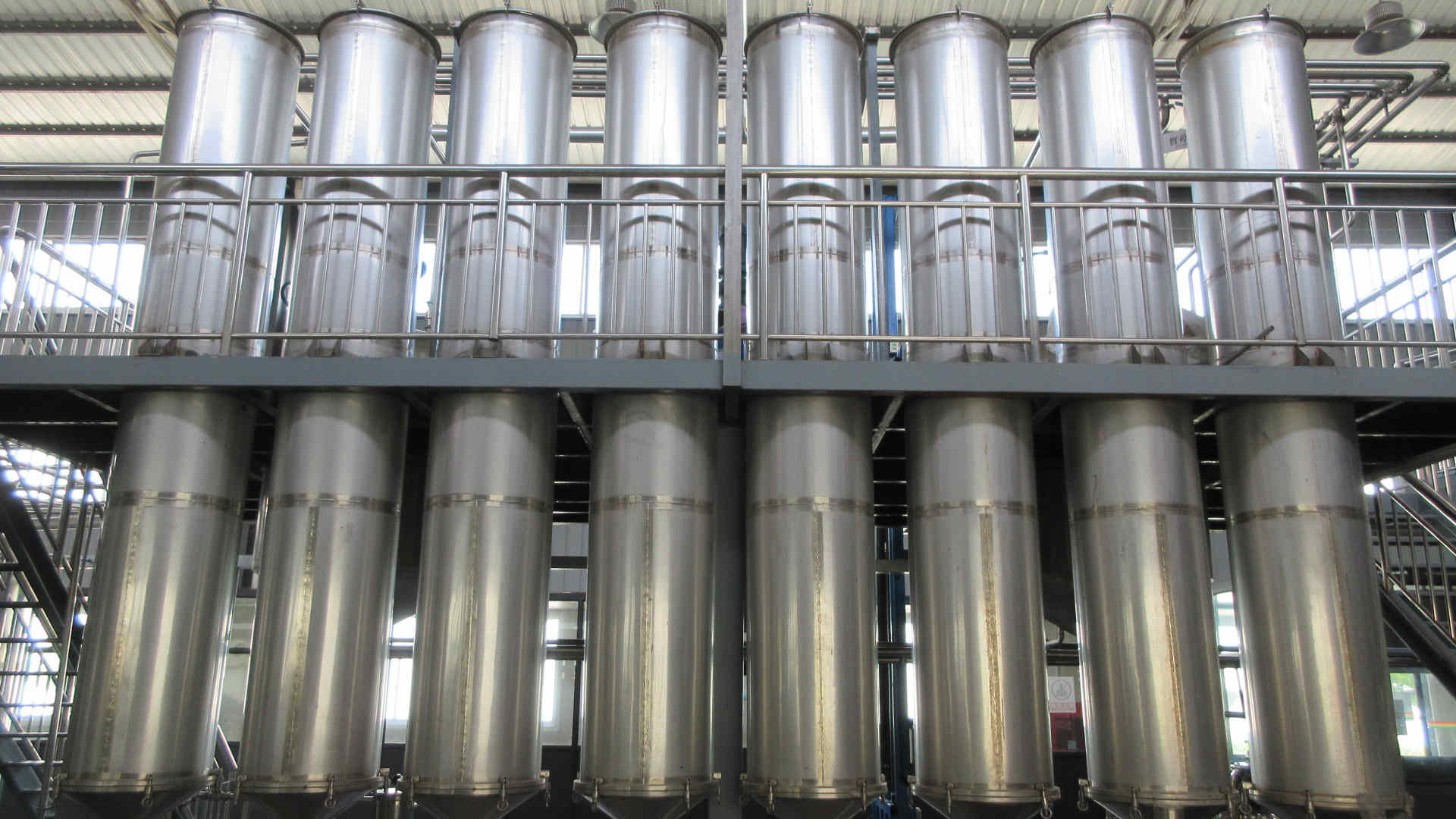
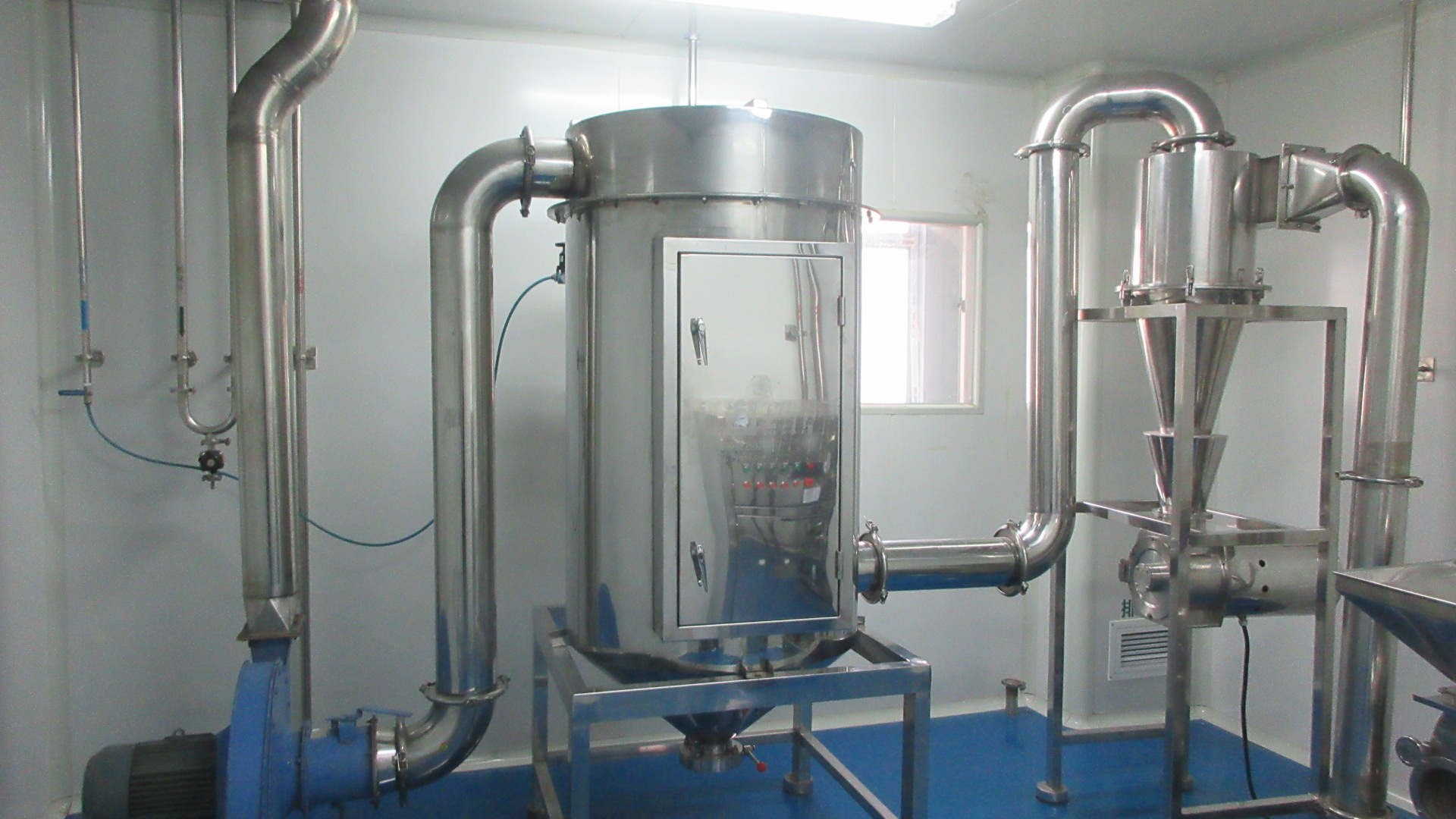
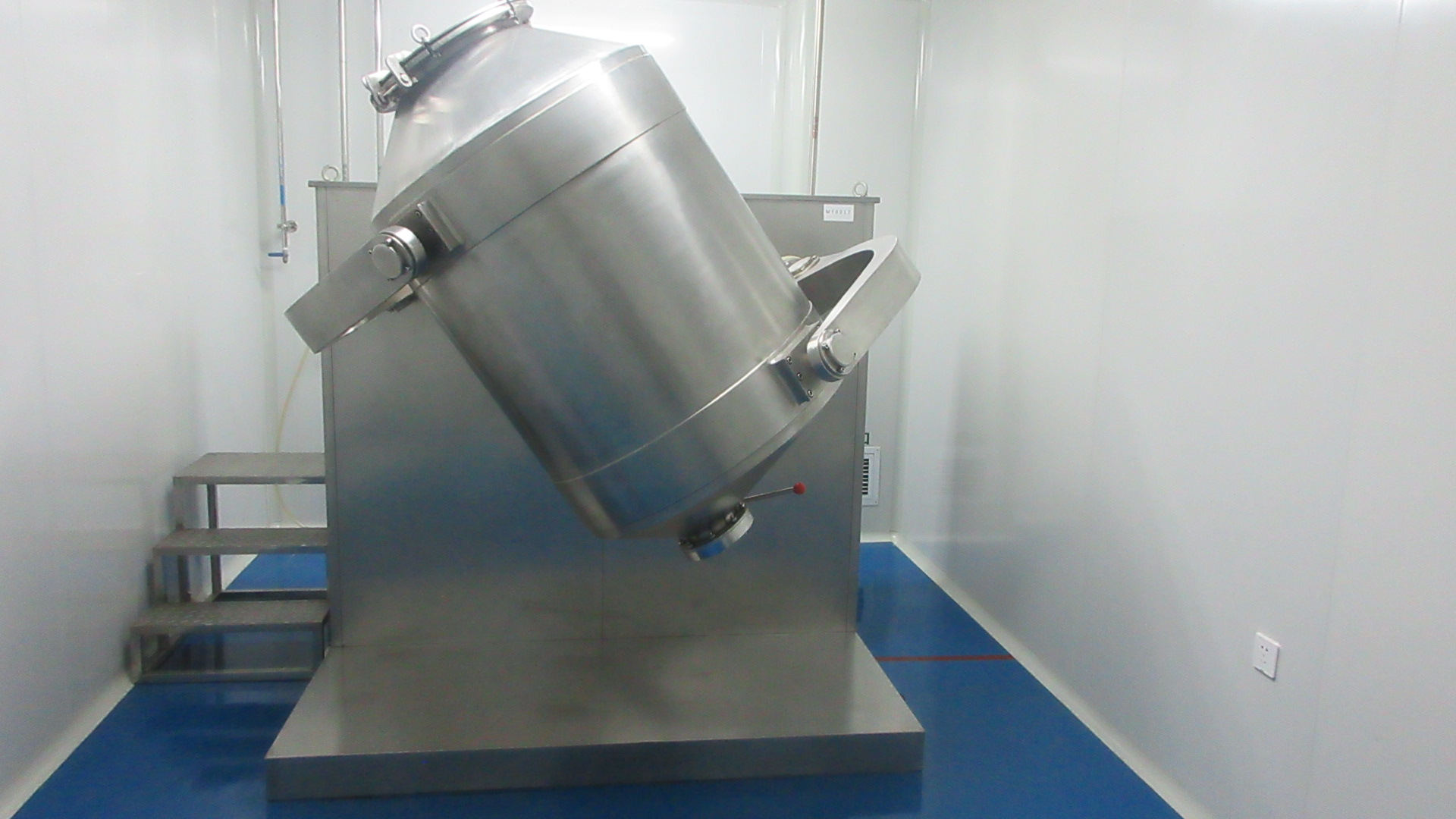
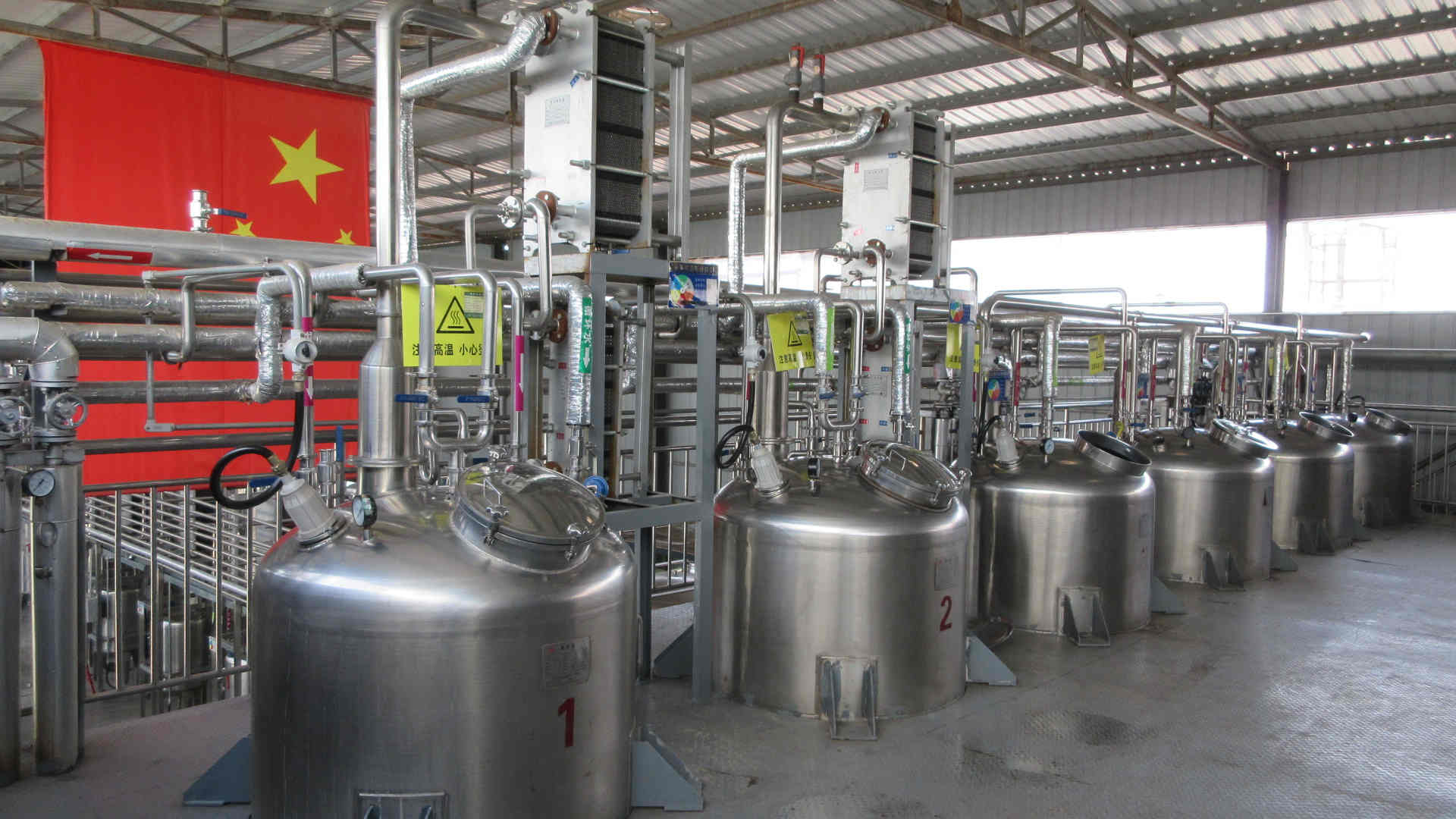
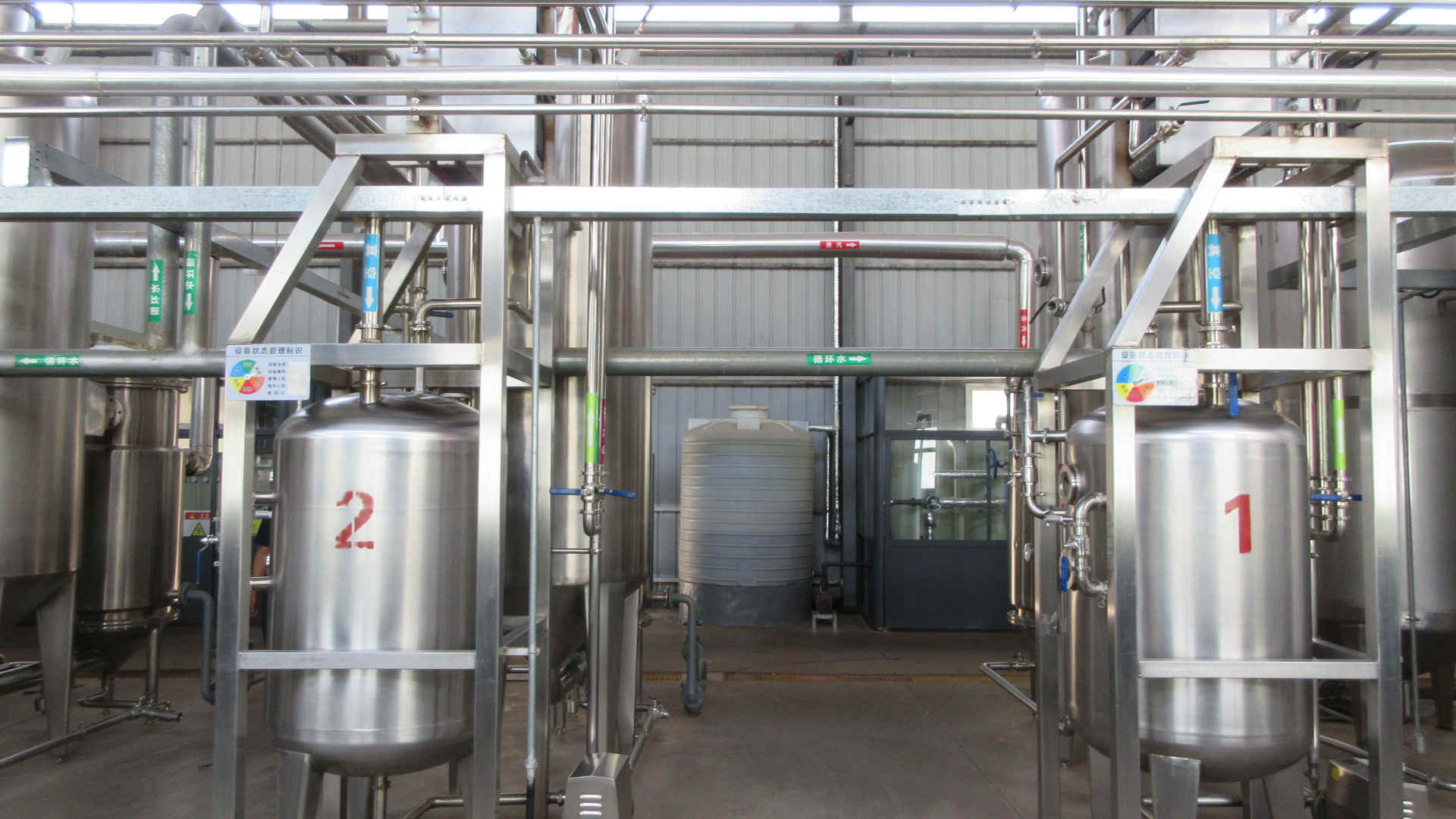
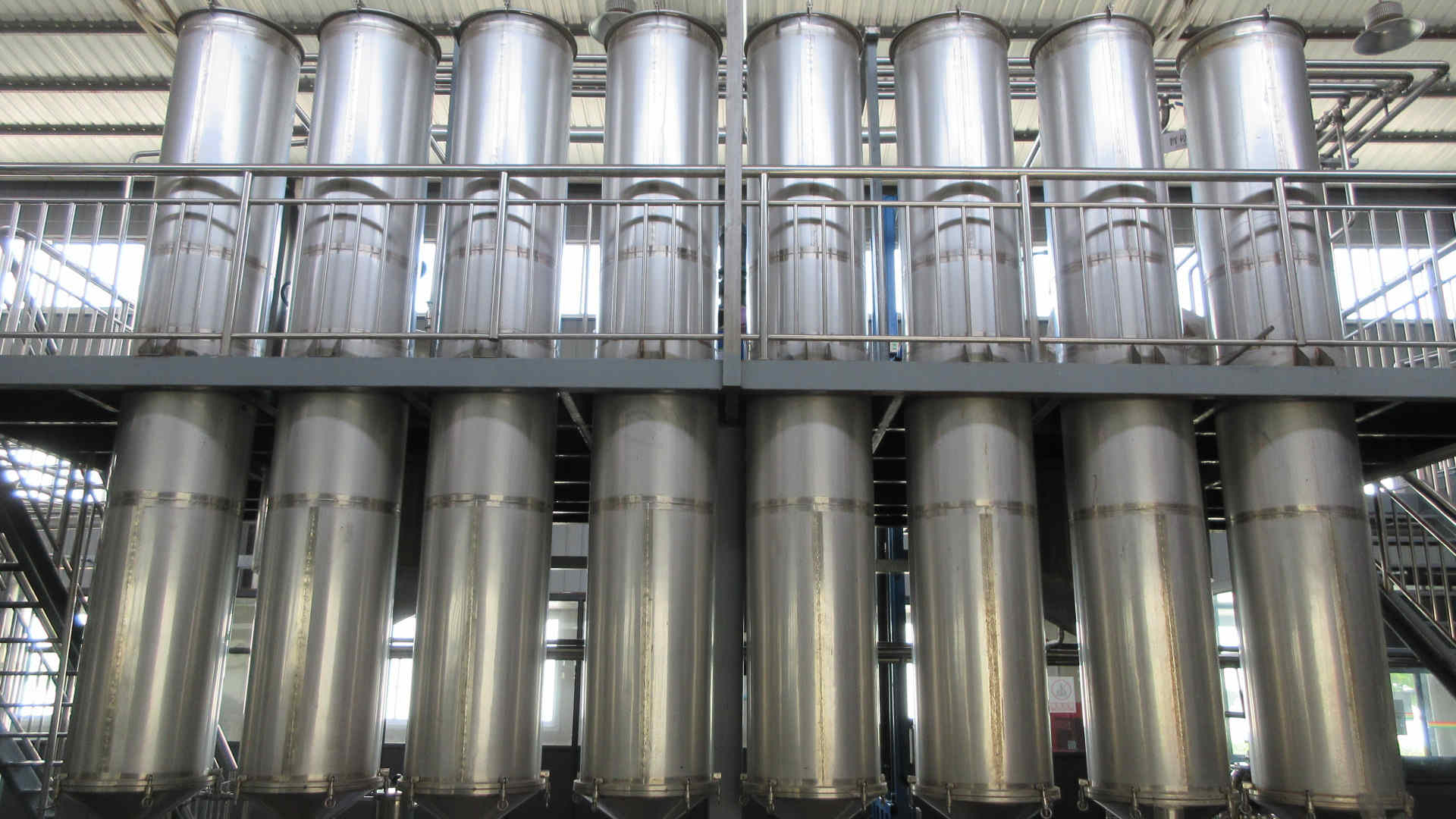
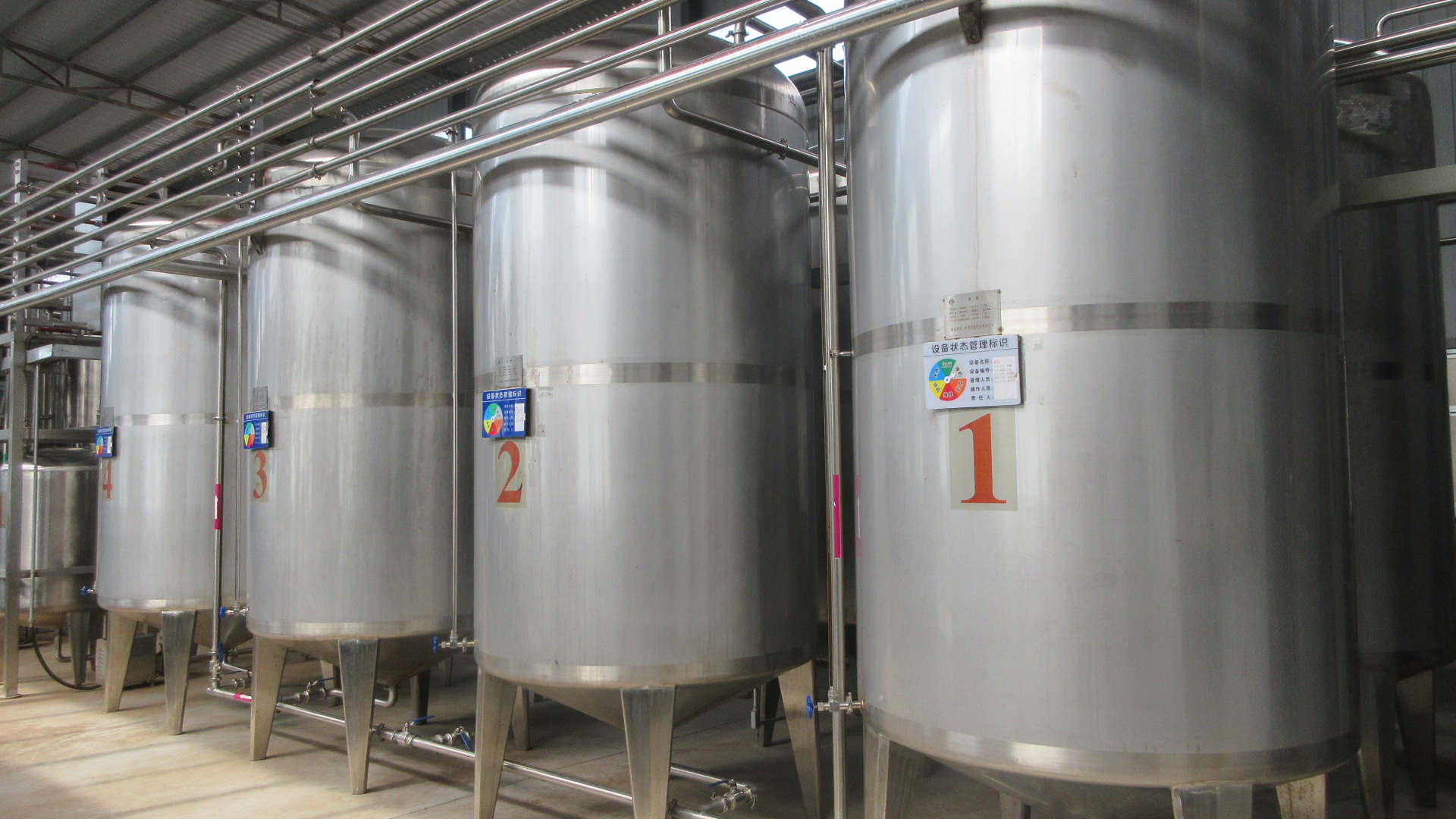
In the global supply chain, Chinese manufacturers have transitioned from high-volume processing to advanced, automated smart factories (Factory 4.0). Leveraging regional raw material abundance and highly optimized chemical process corridors, companies like Shaanxi Mirae Biology Co., Ltd. provide key structural advantages:




Formulation demands vary significantly across target consumer demographics and regional climates. Sourcing managers must align emollient profiles with these local parameters to optimize product performance.
In humid APAC regions, consumers favor fast-absorbing, non-comedogenic formulations. Volatile plant-derived esters (such as Coco-Caprylate/Caprate) are widely selected to provide hydration without leaving a greasy sheen.
The EU market prioritizes high biodegradability and sustainable sourcing. Palm-free certifications and raw materials derived from agricultural upcycling processes (such as fruit seeds or olive pulp waste) are key selection criteria.
With a strong focus on skin barrier science (such as ceramides and fatty acid ratios), North American formulators require lipids with high oxidative stability to support dermatologically backed, long-lasting hydration claims.
At Shaanxi Mirae Biology Co., Ltd., we are committed to providing high-quality ingredients, reliable manufacturing, and professional services to help our global partners succeed. We look forward to building long-term and mutually beneficial partnerships with customers around the world. Our structural advantages in global commerce include:
This Q&A address common technical queries from procurement officers and research and development (R&D) teams globally.



 Mirae Biology