Advanced biochemical sugar alternatives and sensory modulators calibrated for high stability and sugar reduction efficiency.
The contemporary New Zealand food and beverage industry stands at a critical regulatory and consumer intersection. Driven by the Health Star Rating (HSR) system and shifting consumer demand for holistic health, manufacturers nationwide—from Auckland's craft breweries to the Waikato dairy processing heartlands—are aggressively reformulating recipes to decrease sucrose dependency. However, substituting sugar cannot come at the expense of taste kinetics, mouthfeel, or industrial functionality.
As a leading biological synthesis and plant-extraction authority, Shaanxi Mirae Biology Co., Ltd. offers New Zealand food technologists the tools to achieve seamless sucrose replacement. By combining rare sugars like D-Allulose and D-Tagatose with ultra-potent botanical proteins such as Thaumatin and Steviol Glycosides, we deliver multi-dimensional sweetening matrices that bypass traditional synthetic off-notes, ensuring compliance, safety, and superior sensory profiles.
New Zealand's agricultural exports, specifically high-value dairy solids, functional nutrition powders, and premium beverages, command global respect. To maintain this premium positioning, local brands must align with stringent clean-label directives.
The molecular engineering behind modern sweetening agents: achieving sugar equivalence without biological penalties.
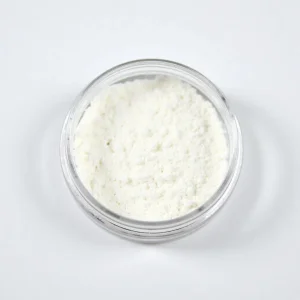
Our enzymatic crystallization routes convert D-fructose into high-purity D-Allulose and D-Tagatose. These molecules retain the bulk and caramelization capabilities of sucrose while passing through the human metabolic system virtually unmodified, preserving glycemic indexes.
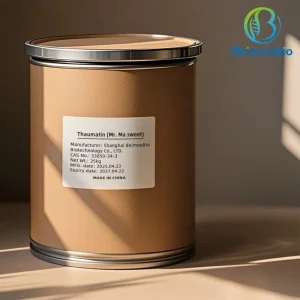
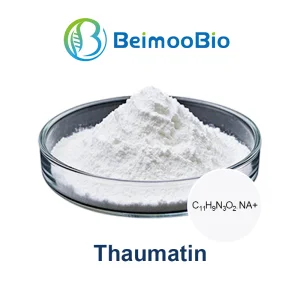
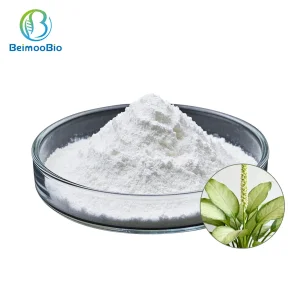
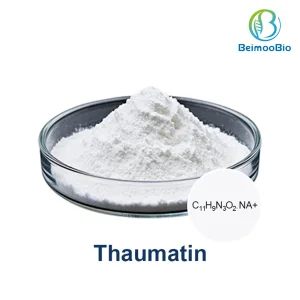
Extracting high-purity Thaumatin from the West African fruit Thaumatococcus daniellii. Unlike synthetic alternatives, Thaumatin functions as a protein, which, when paired with minor amounts of steviol glycosides, masks bitter metallic finishes while boosting fruitiness and creamy dairy highlights.
Our technological blueprint involves mapping sweet-receptor binding speeds. While stevia has a delayed onset and long tail, allulose has an immediate peak. Combining them creates an identical sweetness curve to sugar, eliminating taste deficits.
New Zealand's export market is built on dairy products, nutritional drinks, and premium foods. The challenge of sweetening these lies in the complexity of food chemistry. For example, high-protein powders like Whey Protein Isolate (WPI) have a natural bitterness and astringency. Standard high-intensity sweeteners can actually make these unpleasant notes more noticeable.
By using Thaumatin, developers can mask the metallic tastes of plant proteins and amino acids. At the same time, it rounds out the flavor of dairy fats, allowing manufacturers to cut down on both sugar and fat while keeping a rich mouthfeel. In baking, using D-Allulose enables the Maillard reaction (browning) and retains moisture, meaning clean-label gluten-free treats can match the color, texture, and rise of traditional recipes.
How Shaanxi Mirae Biology Co., Ltd. integrates raw sourcing, high-tech extraction, and complete GMP compliance to deliver bulk industrial ingredients globally.
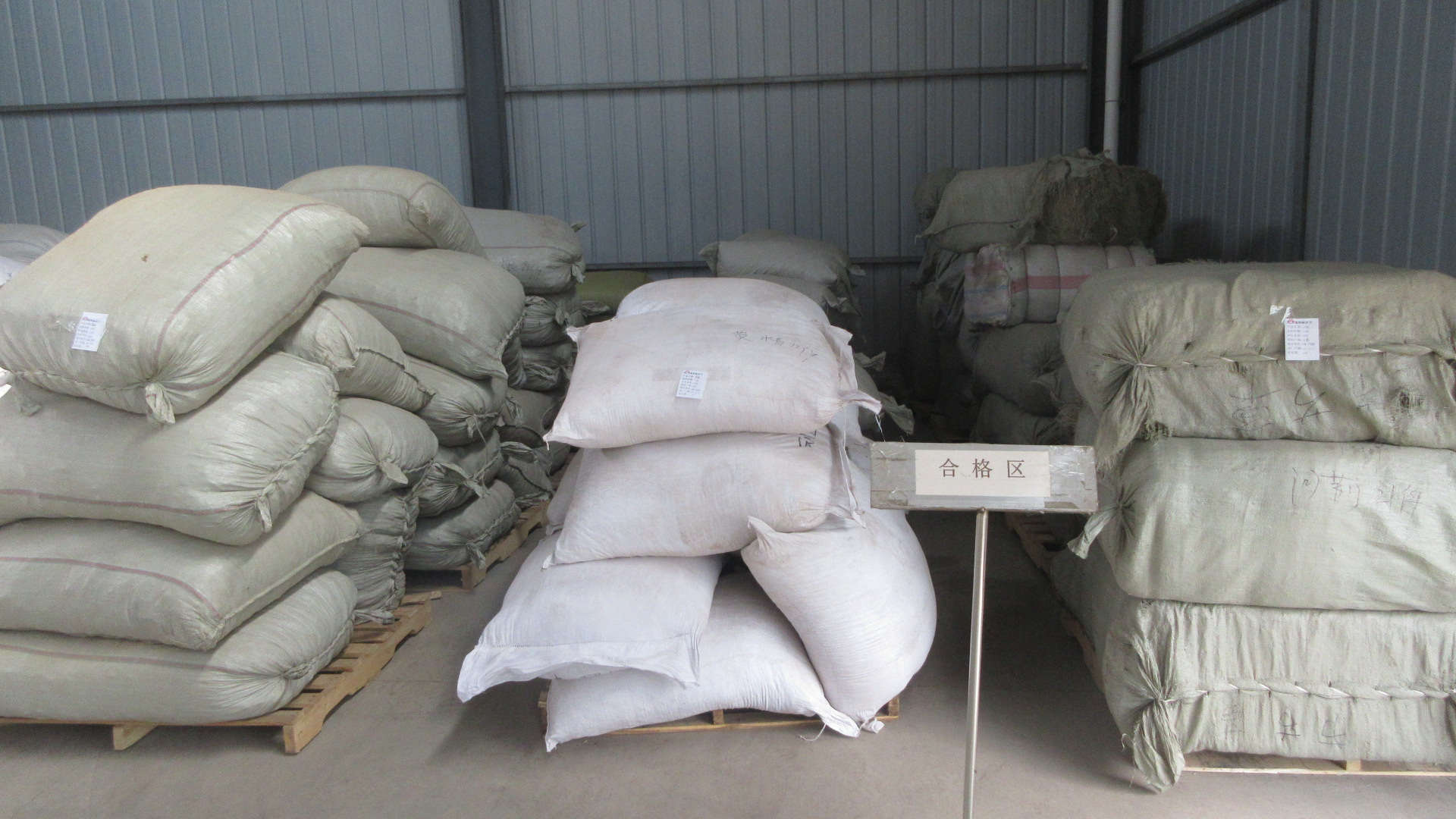
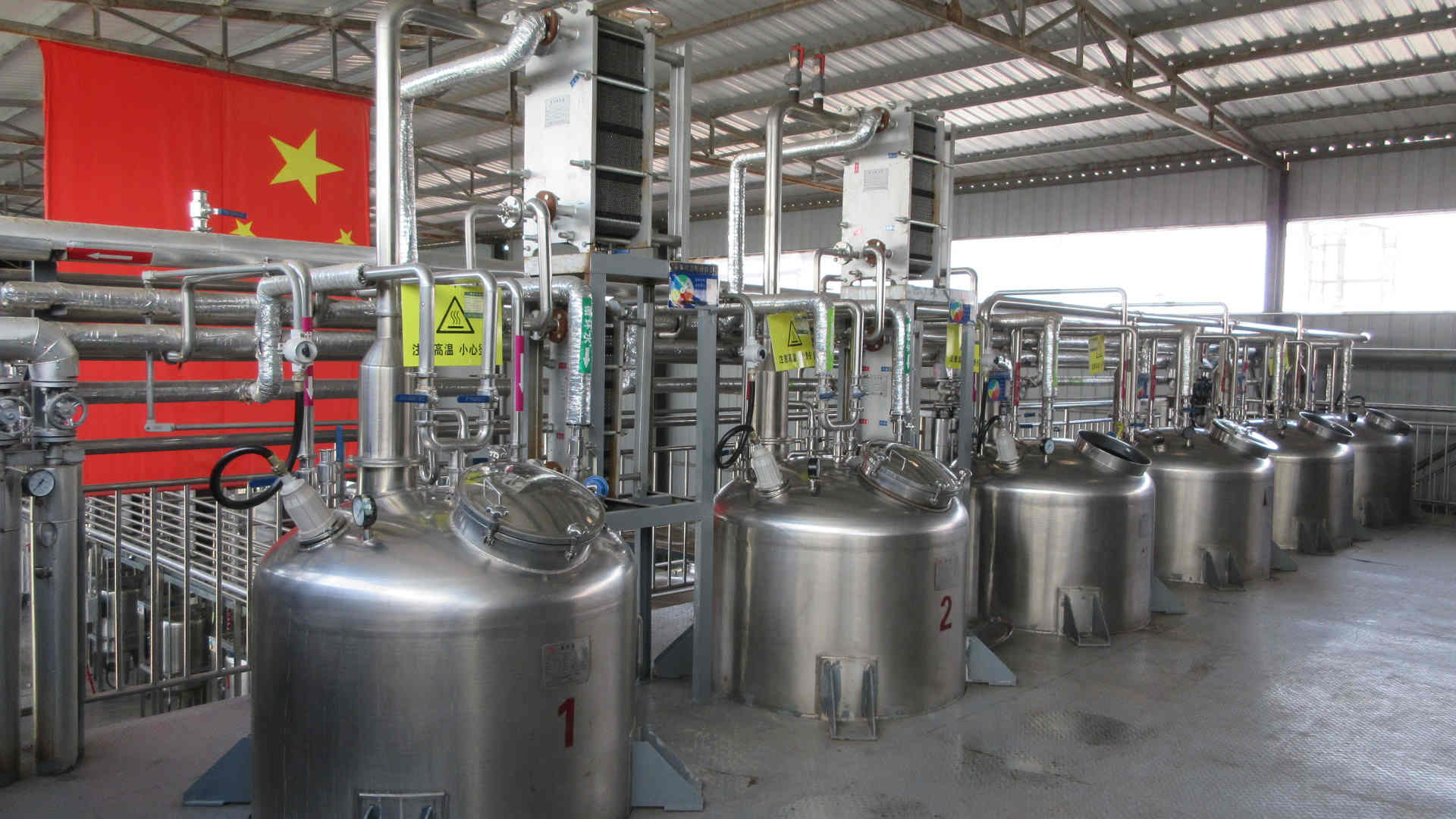
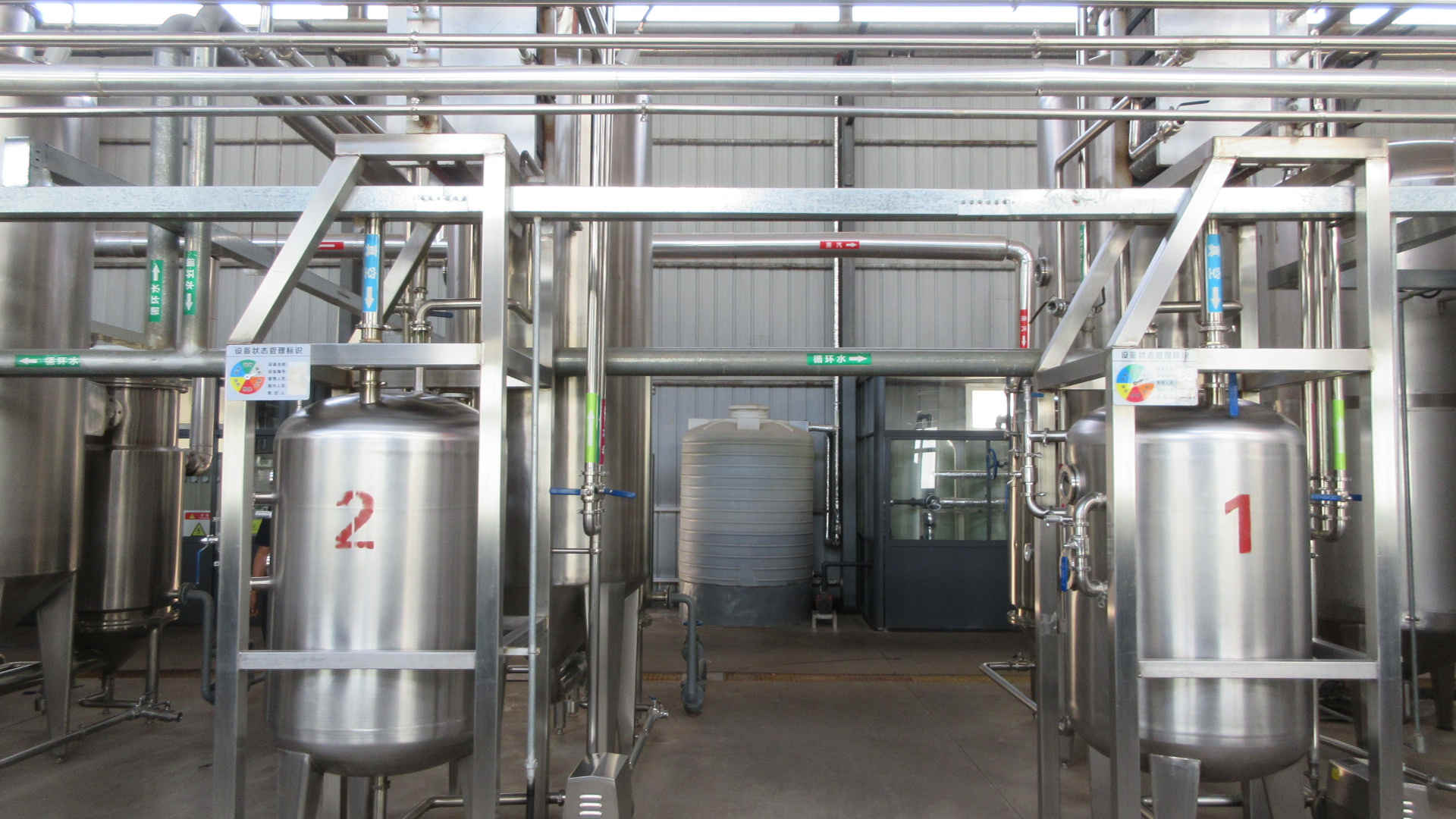
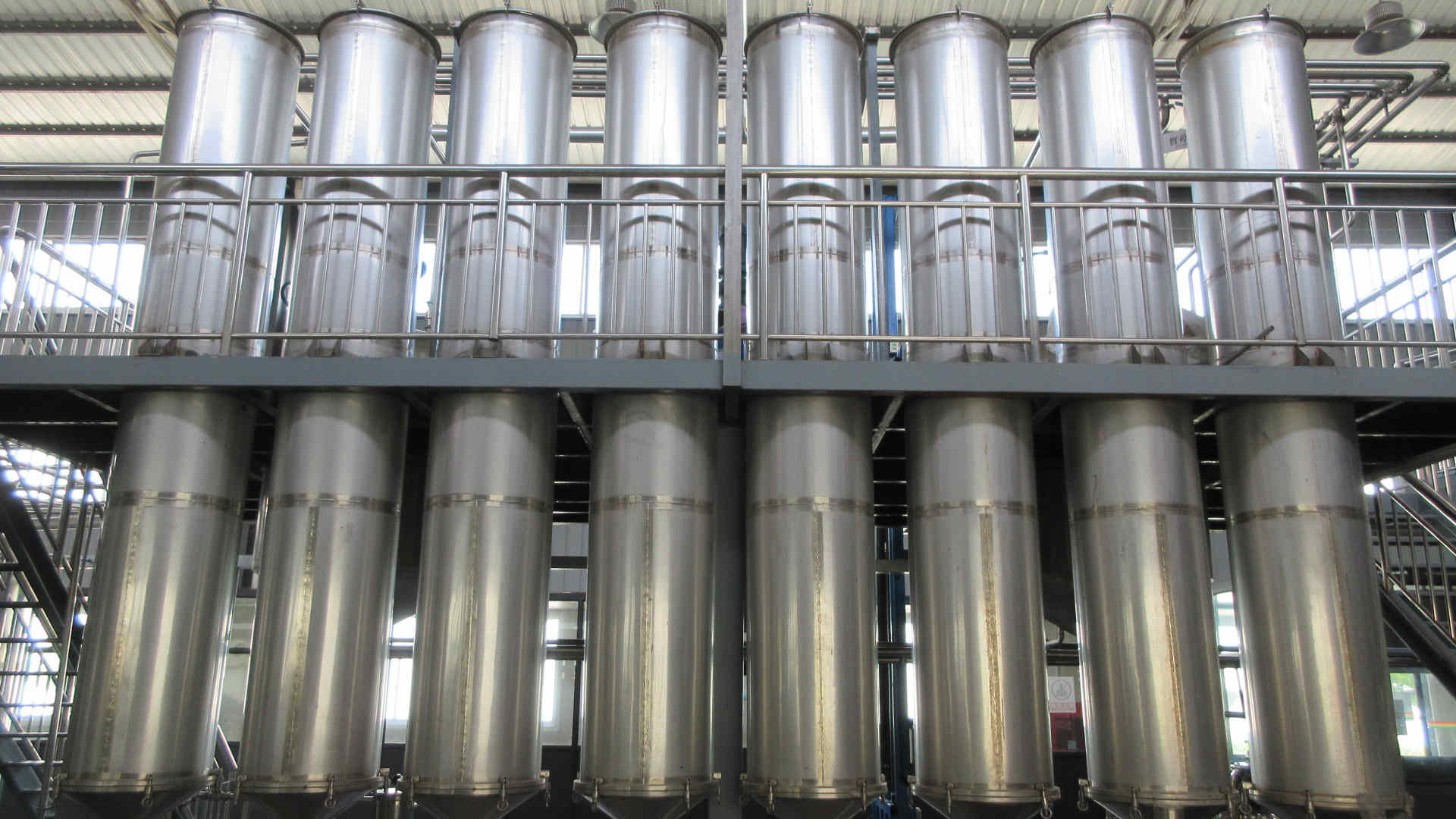
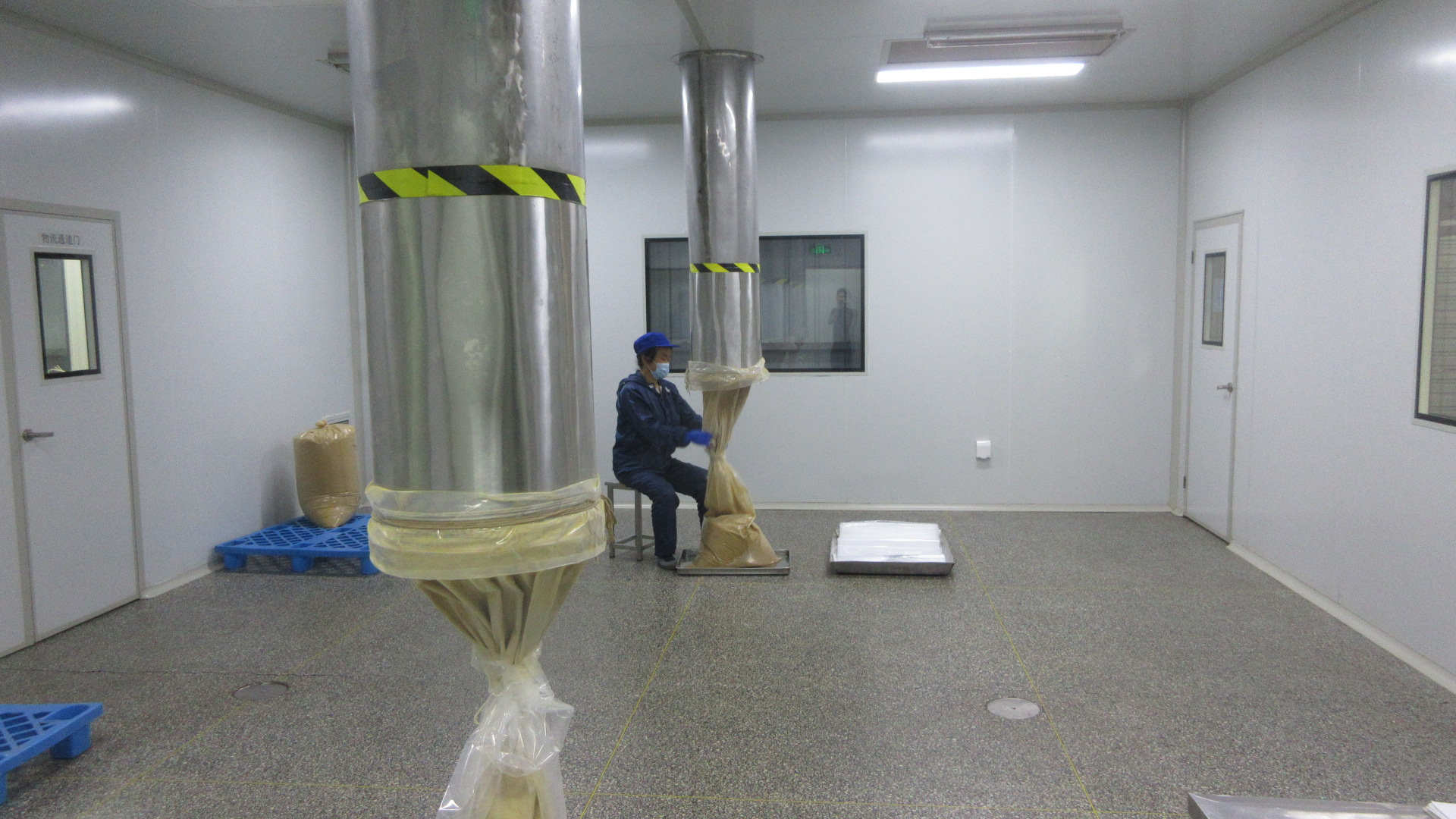
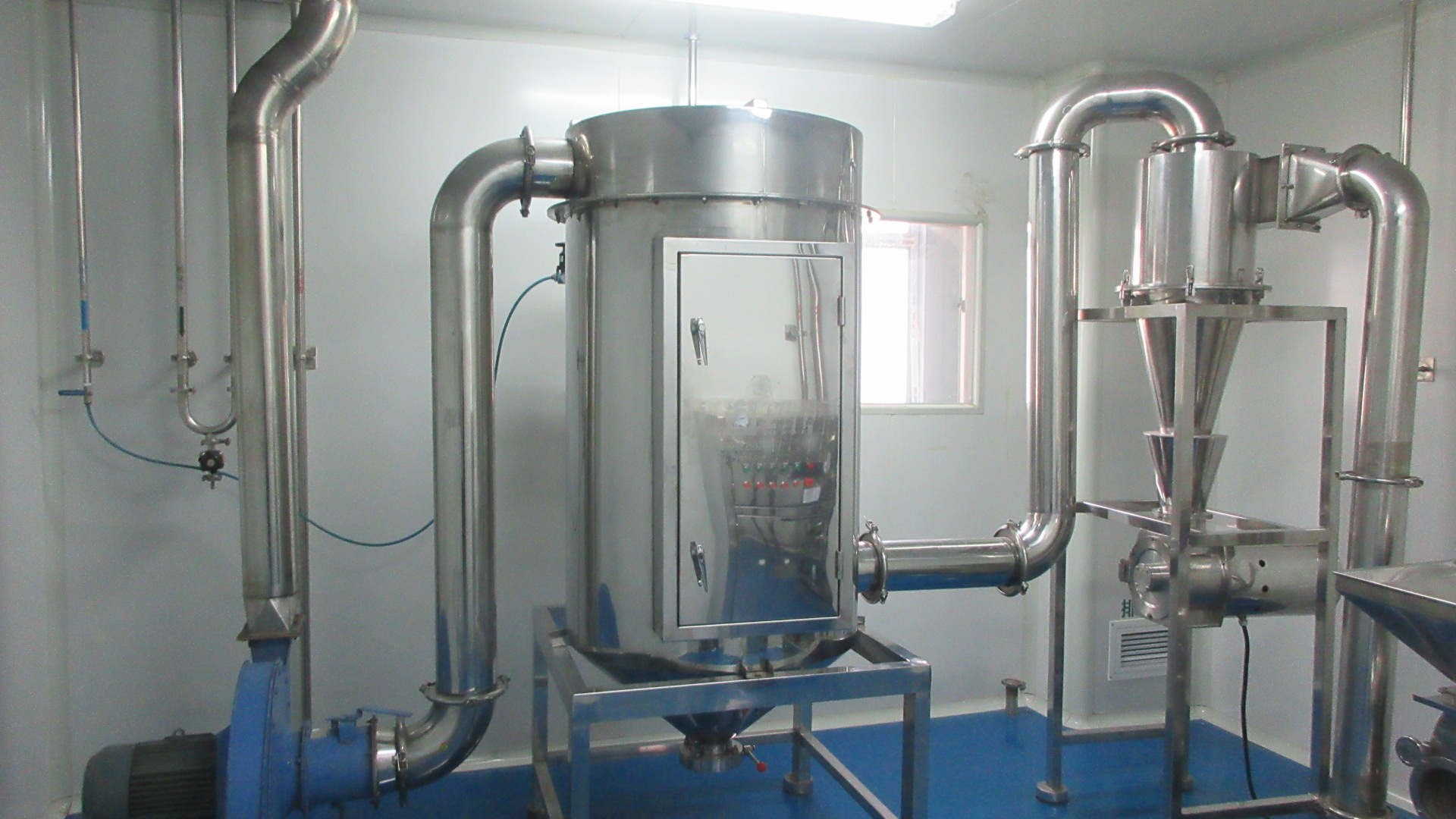
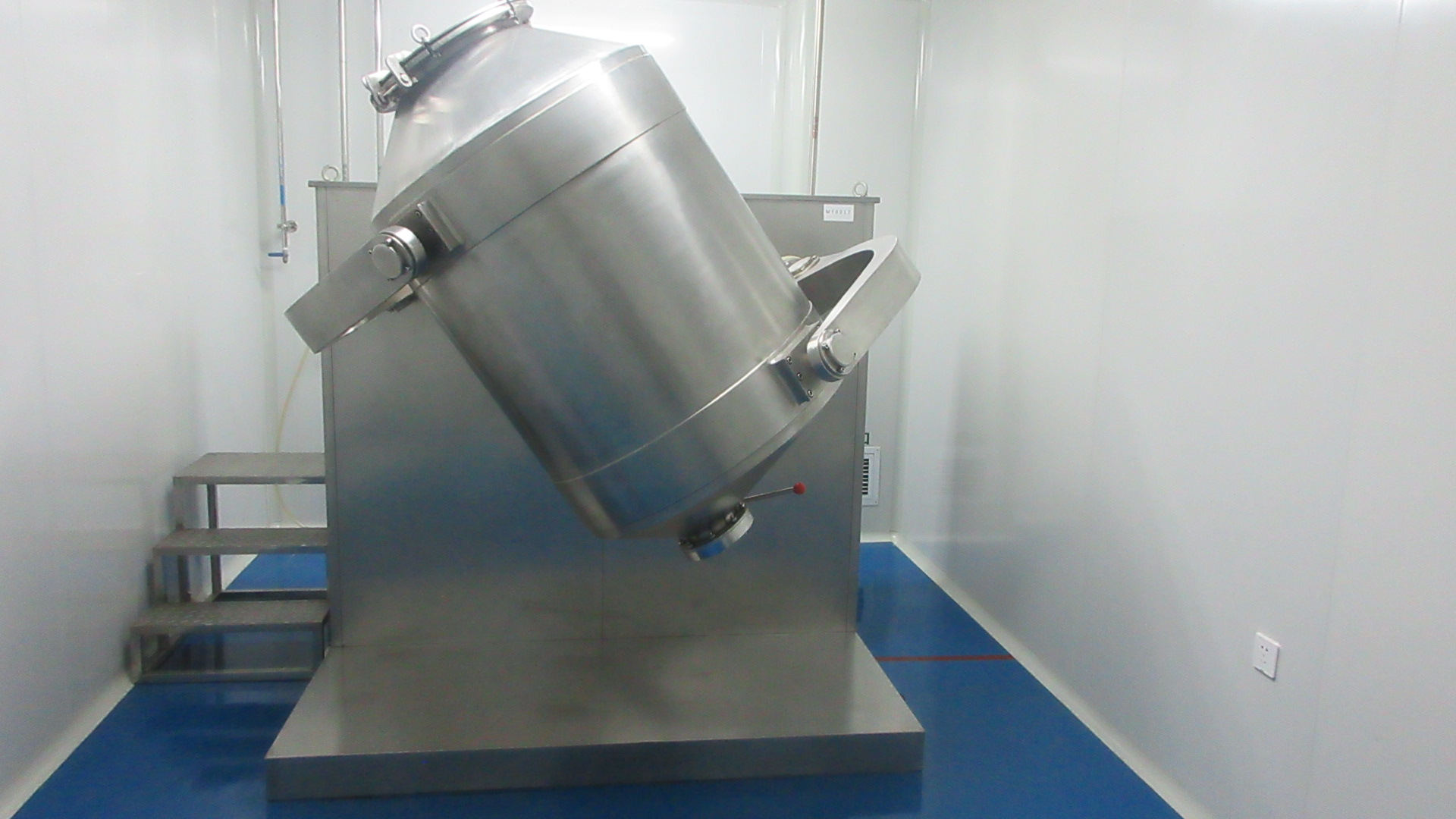

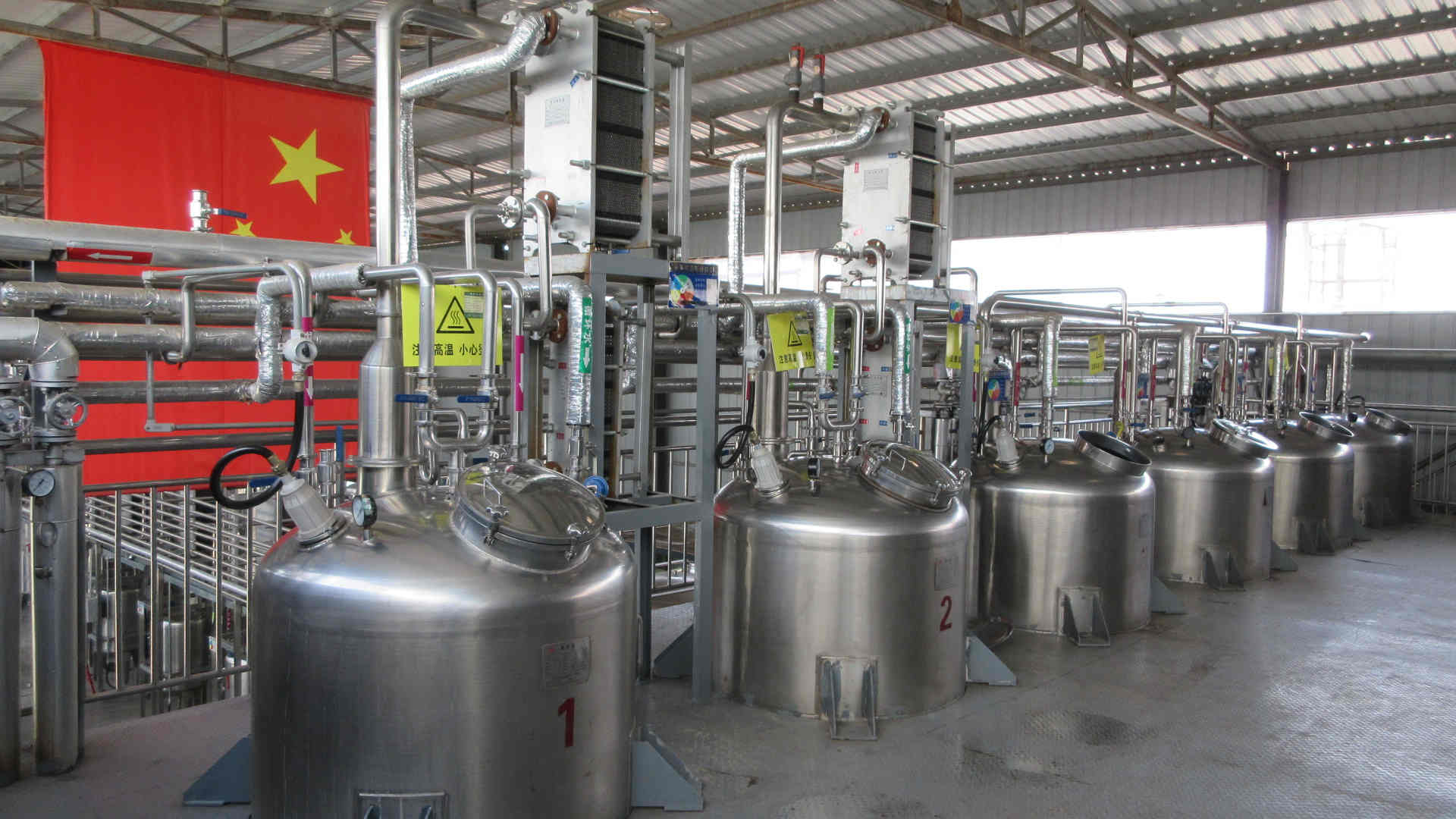
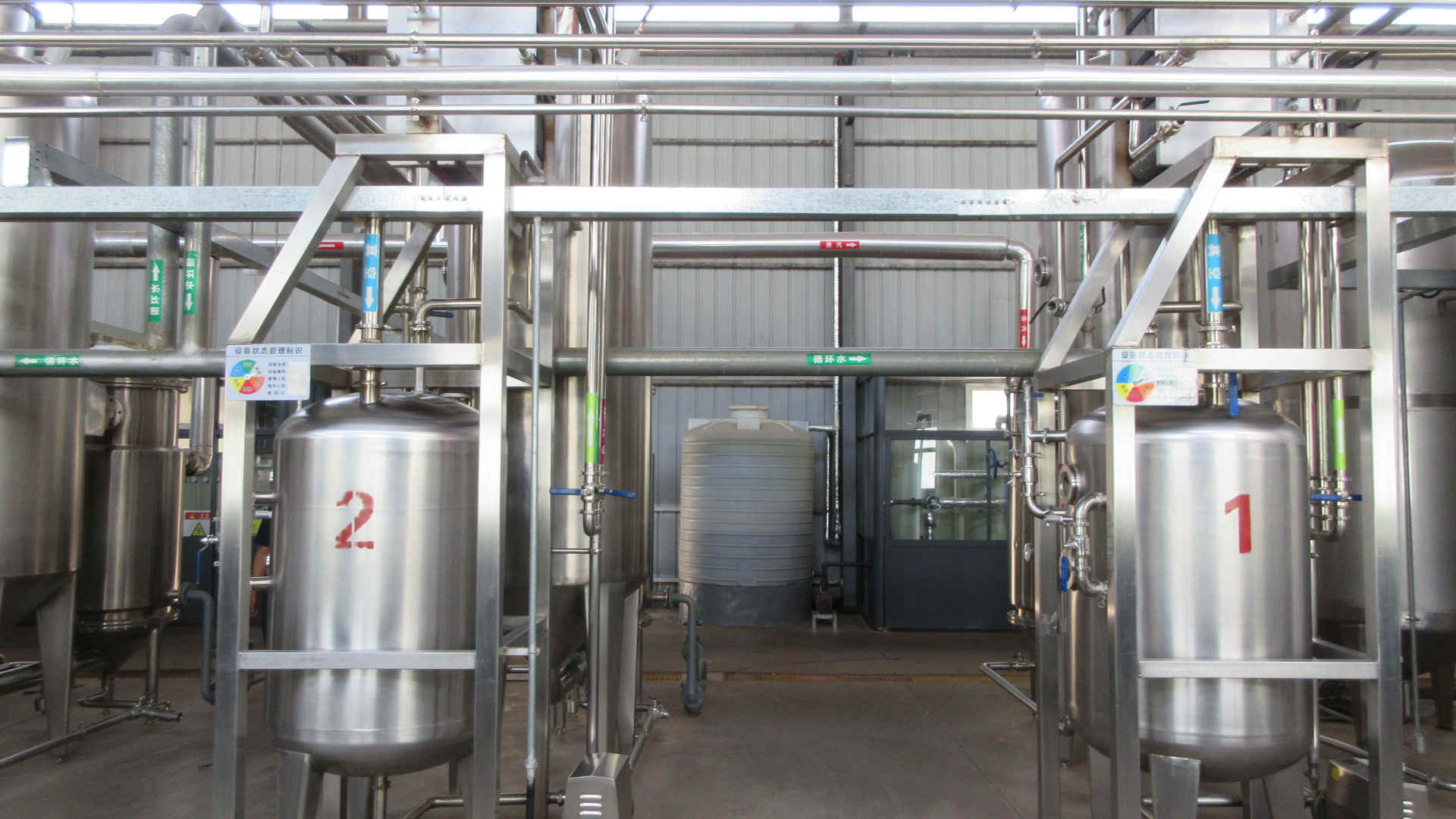
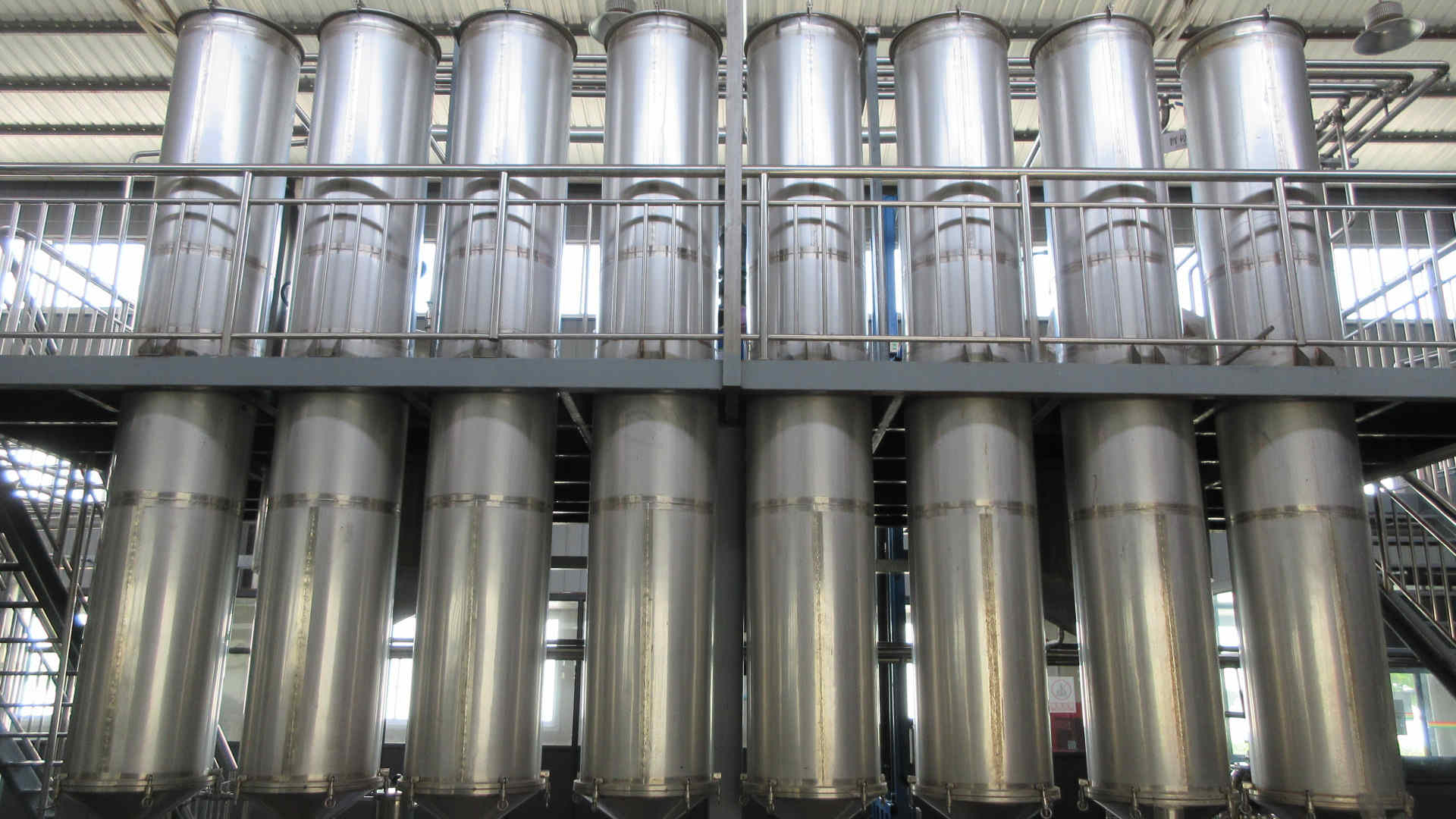
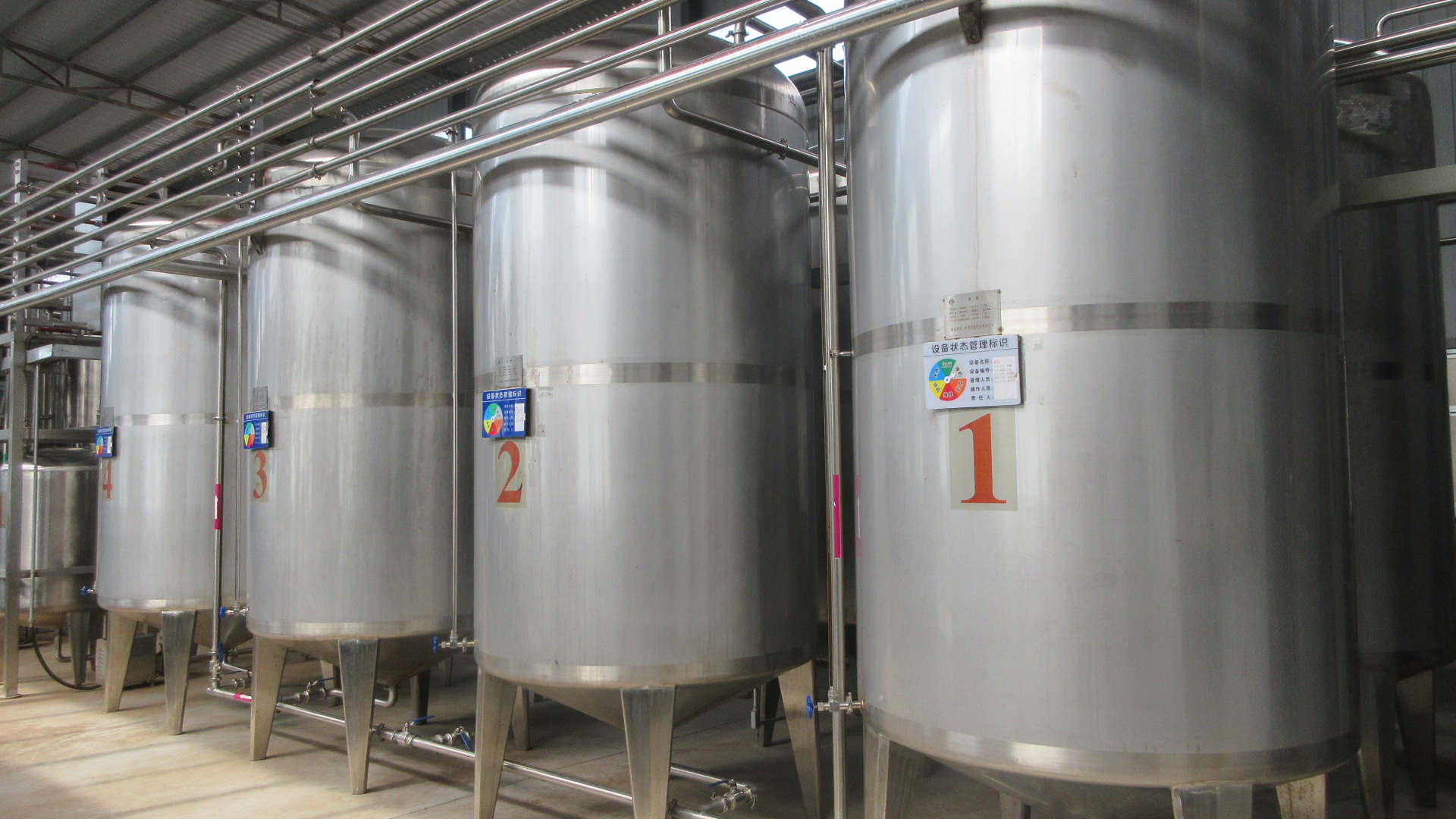
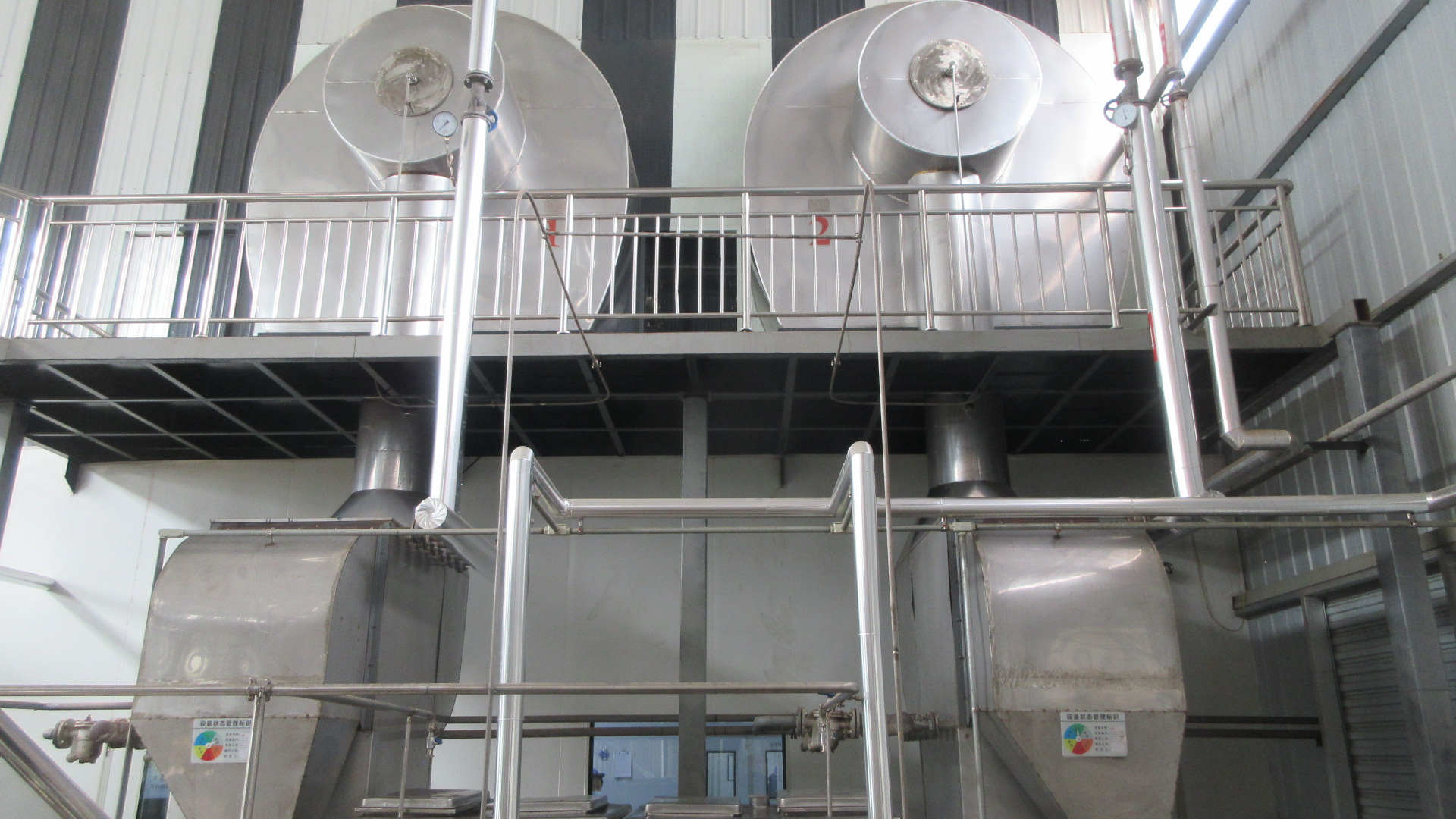
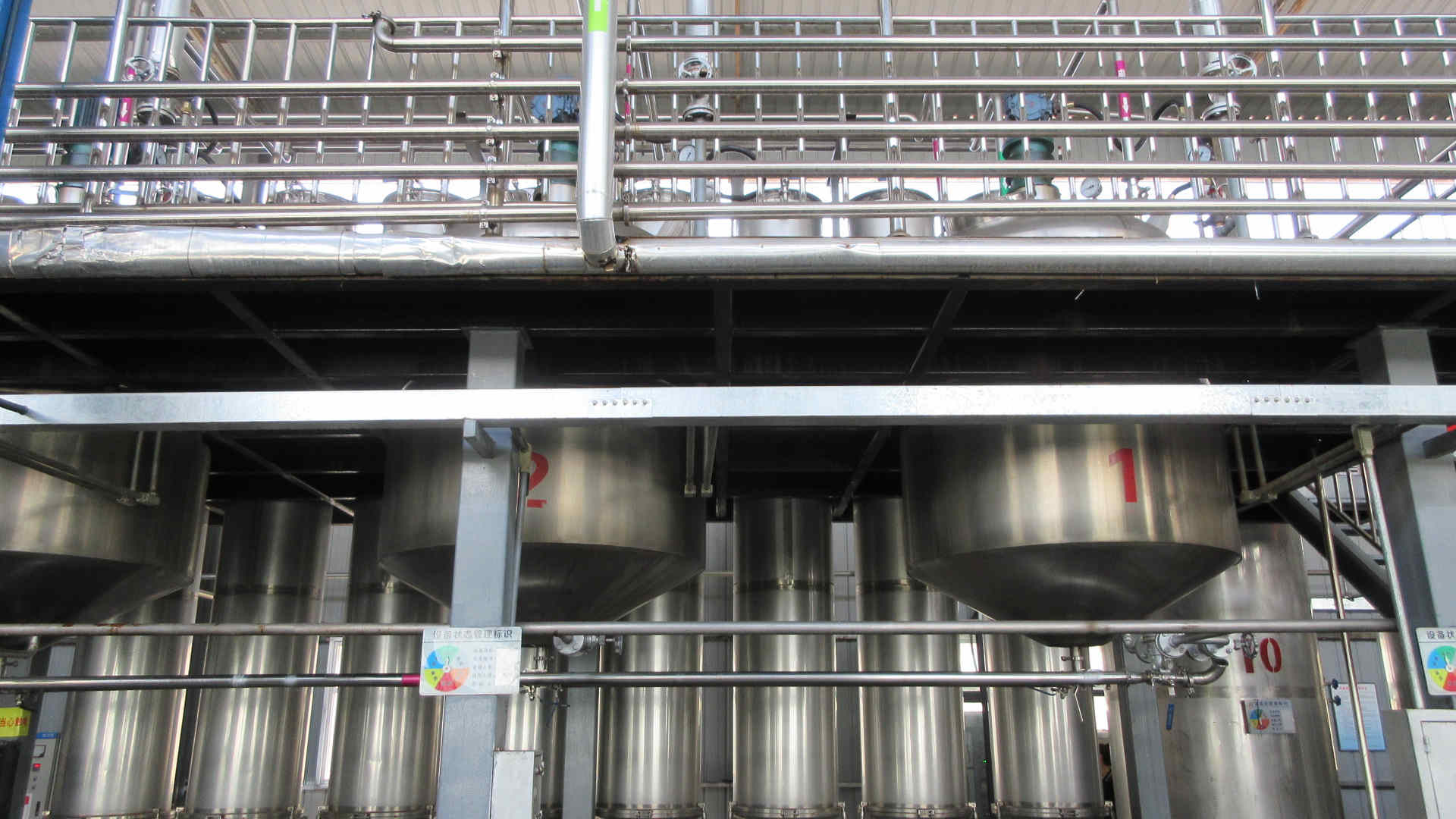
Located in Shaanxi Province, China—a region globally recognized for its abundant plant resources and bio-engineering expertise—we specialize in botanical extraction, isolation, and purification. Our state-of-the-art facilities process natural raw ingredients into refined sweeteners and flavor enhancers using eco-friendly methods.
Our commitment to quality control guarantees that every shipment is backed by COA, HPLC profiles, and heavy metal testing, matching the standard requirements of major New Zealand distributors. With advanced spray towers and large-capacity reaction tanks, we maintain stable production volume throughout the year, keeping lead times minimal and pricing highly competitive for ocean freight to major New Zealand ports like Auckland, Tauranga, and Lyttelton.
Navigating food additives in New Zealand requires absolute compliance with the joint Food Standards Australia New Zealand (FSANZ) regulations. Standard 1.3.1 (Food Additives) and Schedule 15 lay out precise usage limits for sweeteners and flavor modulators across different food categories.
For instance, Thaumatin is approved as both a food additive and a flavor enhancer, designated under food code INS 957. Steviol glycosides (E960) must comply with purity specifications and are allowed under specific limits based on steviol equivalents. In addition, importing food chemicals into New Zealand requires clearance from the Ministry for Primary Industries (MPI), which demands detailed ingredient declarations and biosafety assurances.
Shaanxi Mirae Biology provides a full suite of regulatory documentation. From allergen status reports and GMO-free declarations to Kosher and Halal certifications, we ensure your imports pass through customs without delay or compliance issues.
Preserving all original product variants, optimized for premium formulation requirements across New Zealand.






Scientific answers to common industrial and regulatory questions about sweeteners and flavor enhancers in the Oceania market.
Contact our technical support team for custom ingredient blending, compliance advice, or to request product samples for trial production.
Send Inquiry Now Mirae Biology