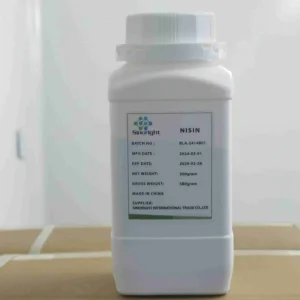
Advanced bio-preservative compounds optimized for Australia’s premium food, beverage, and cosmetics sectors.
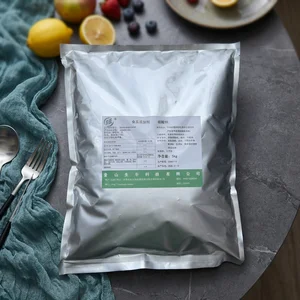
The Australian food processing, cosmetic, and personal care sectors are undergoing an unprecedented shift toward clean-label and biological ingredients. Modern Australian consumers, highly conscious of wellness and ingredient provenance, actively avoid synthetic food additives like chemical parabens, chemical sulfites, and synthetic benzoates. Driven by major supermarket chains like Coles and Woolworths implementing restrictive ingredient "blacklists," manufacturers are compelled to pivot toward bio-preservation systems.
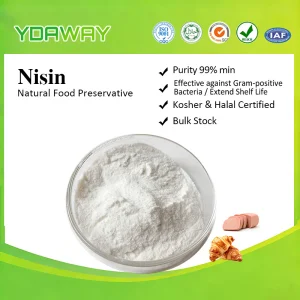
However, replacing synthetic preservatives in Australia presents significant physical challenges. The Australian continent exhibits extreme climatic disparities, ranging from the humid, tropical environment of Queensland to the dry, hot regions of Western Australia and South Australia. These thermal variations demand preservatives that exhibit exceptional heat stability, broad-spectrum anti-microbial protection, and compatibility with variable pH ranges. Under these rigorous circumstances, single-agent systems often fail, requiring advanced multi-functional solutions such as Nisin, Natamycin, and plant extract complexes.
For procurement directors in Sydney, Melbourne, and Brisbane, finding reliable international manufacturing partners is critical. Suppliers must provide complete regulatory dossiers complying with the Food Standards Australia New Zealand (FSANZ) Code and the Australian Industrial Chemicals Introduction Scheme (AICIS). Shaanxi Mirae Biology Co., Ltd. addresses this gap by offering high-purity, batch-consistent natural preservatives backed by rigorous laboratory testing and global logistics.
Understanding the biochemistry and targeted pathways of modern biological preservatives ensures optimal dosage and cost-efficiency.
| Compound Name | Origin / Class | Target Pathogens | Recommended pH Range | Optimal Dosage in Food/Cosmetics |
|---|---|---|---|---|
| Nisin (E234) | Lactococcus lactis fermentation (Lantibiotic) | Gram-positive bacteria (Listeria, Clostridium botulinum, Spore-formers) | 3.0 - 8.0 (Maximum stability at pH < 5.0) | 0.05 - 0.5 g/kg |
| Natamycin (E235) | Streptomyces natalensis (Macrolide Polyene) | Yeasts, Molds, Filamentous fungi (Zero bacterial inhibition) | 3.0 - 9.0 (Extremely versatile in dairy/meats) | 0.01 - 0.04 g/kg |
| Epsilon-Polylysine | Streptomyces albulus fermentation (Polypeptide) | Broad-spectrum (Gram+, Gram-, Yeasts, Molds) | 4.0 - 8.5 (Thermally stable up to 120°C) | 0.1 - 0.25 g/kg |
| Magnolia Bark Extract | Magnolia officinalis (Supercritical CO2 extract) | Cariogenic bacteria, Acne bacteria, Skin-surface pathogens | 4.0 - 7.5 (Perfect for clean skincare) | 0.1% - 0.5% w/w |
| Sodium Phytate | Phytic acid salt derived from plant seeds | Chelating agent (synergist that breaks down outer cell walls) | 3.0 - 9.0 (Boosts antioxidant protection) | 0.05% - 0.2% w/w |
The Biological Synergism Principle: In practical formulations, microbial pathogens do not occur in isolation. Gram-negative bacteria (like E. coli or Salmonella) possess an outer lipopolysaccharide membrane that naturally blocks macromolecular compounds such as Nisin. By combining Nisin with a natural chelating agent like Sodium Phytate, the metal ions stabilizing the outer membrane are bound. This leaves the bacterial cell wall exposed, allowing Nisin to insert pore-forming complexes, destroying the pathogen cell. This approach significantly reduces the total required dosage of active ingredients, lowering cost-in-use for manufacturers.
High-yield bio-actives designed for processing stability and extended shelf life under Australian distribution conditions.
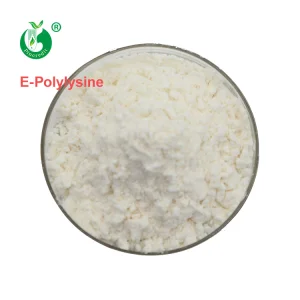
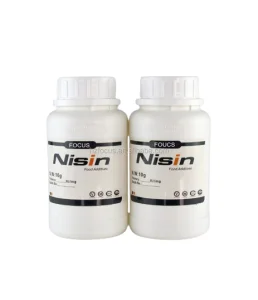
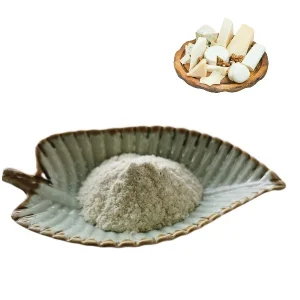
Global Biotechnology Leader & Primary Natural Preservatives Manufacturer
Shaanxi Mirae Biology Co., Ltd. is a professional manufacturer and global supplier specializing in the research, development, production, and distribution of high-quality plant extracts, nutritional ingredients, cosmetic raw materials, peptides, and specialty chemicals.
Located in Shaanxi Province, China, a region renowned for its rich botanical resources and advanced biotechnology industry, we combine premium natural ingredients with modern extraction technology to provide innovative and reliable solutions for customers worldwide.
With a strong commitment to quality, innovation, and customer satisfaction, we serve clients across the pharmaceutical, nutraceutical, cosmetic, food, and research industries. Our experienced technical team and strict quality control system ensure that every product meets international standards for purity, safety, and consistency.
Today, our products are exported to customers in North America, Europe, Southeast Asia, the Middle East, and many other international markets, earning a reputation for dependable quality and professional service.
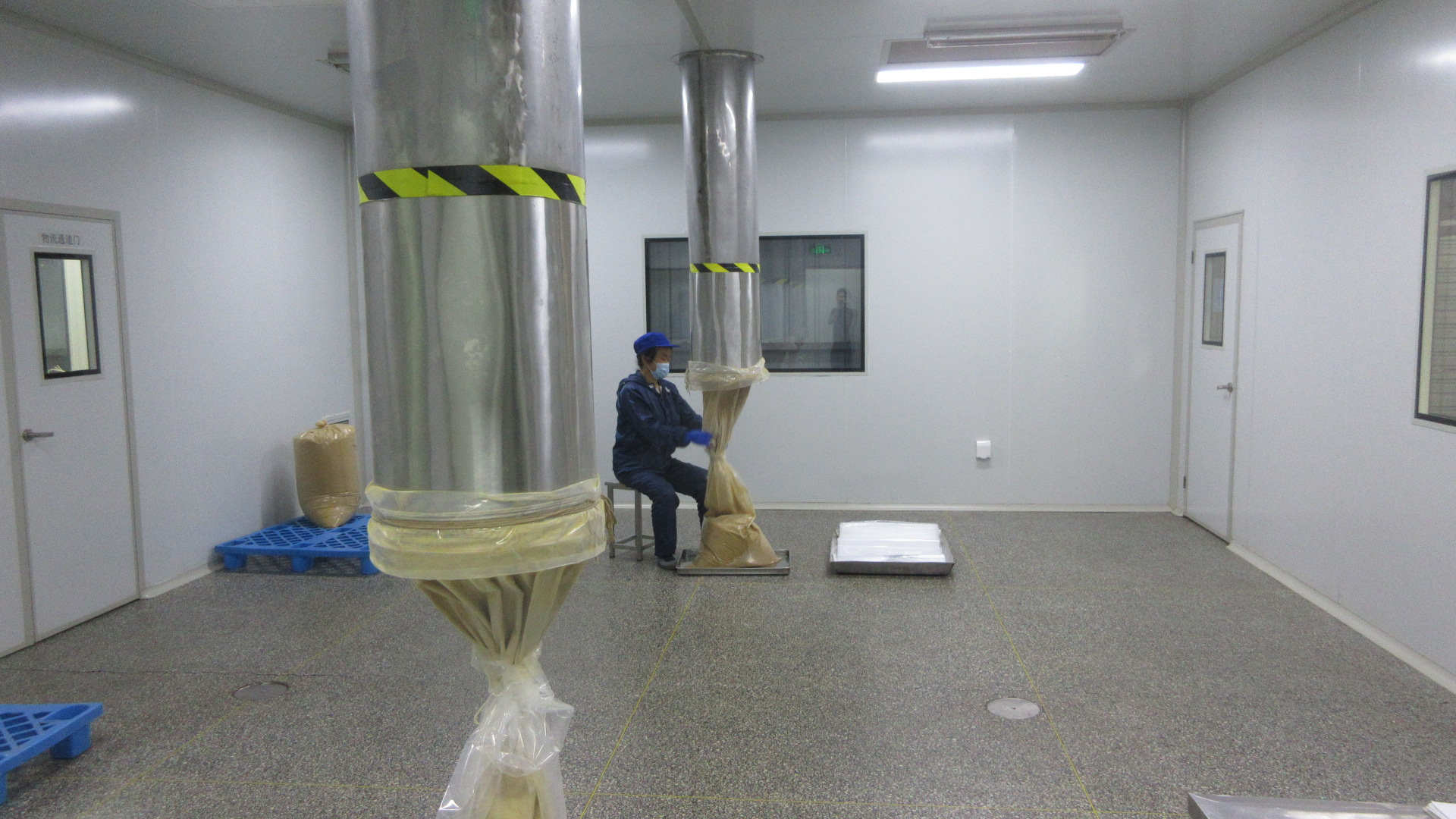
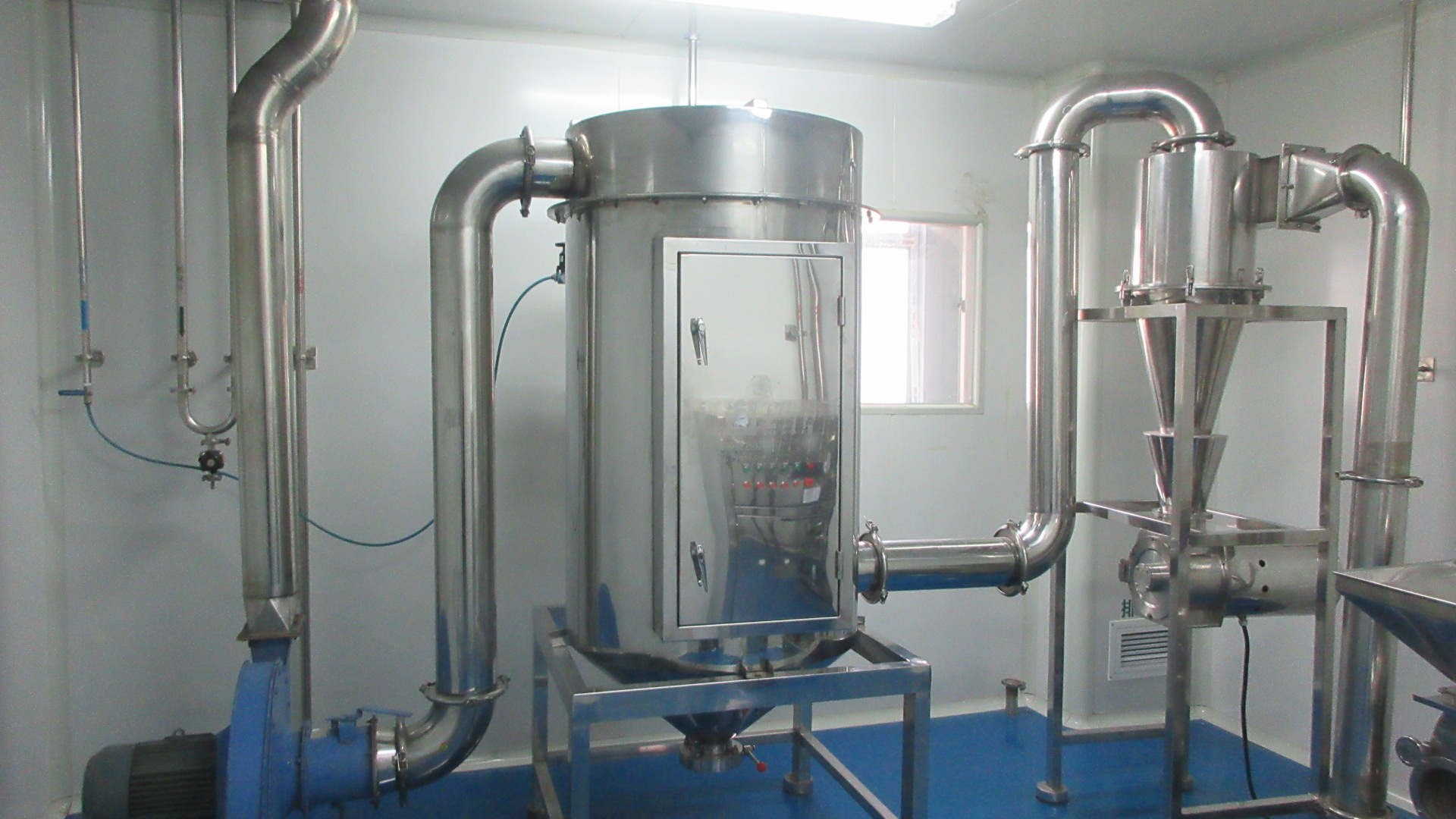
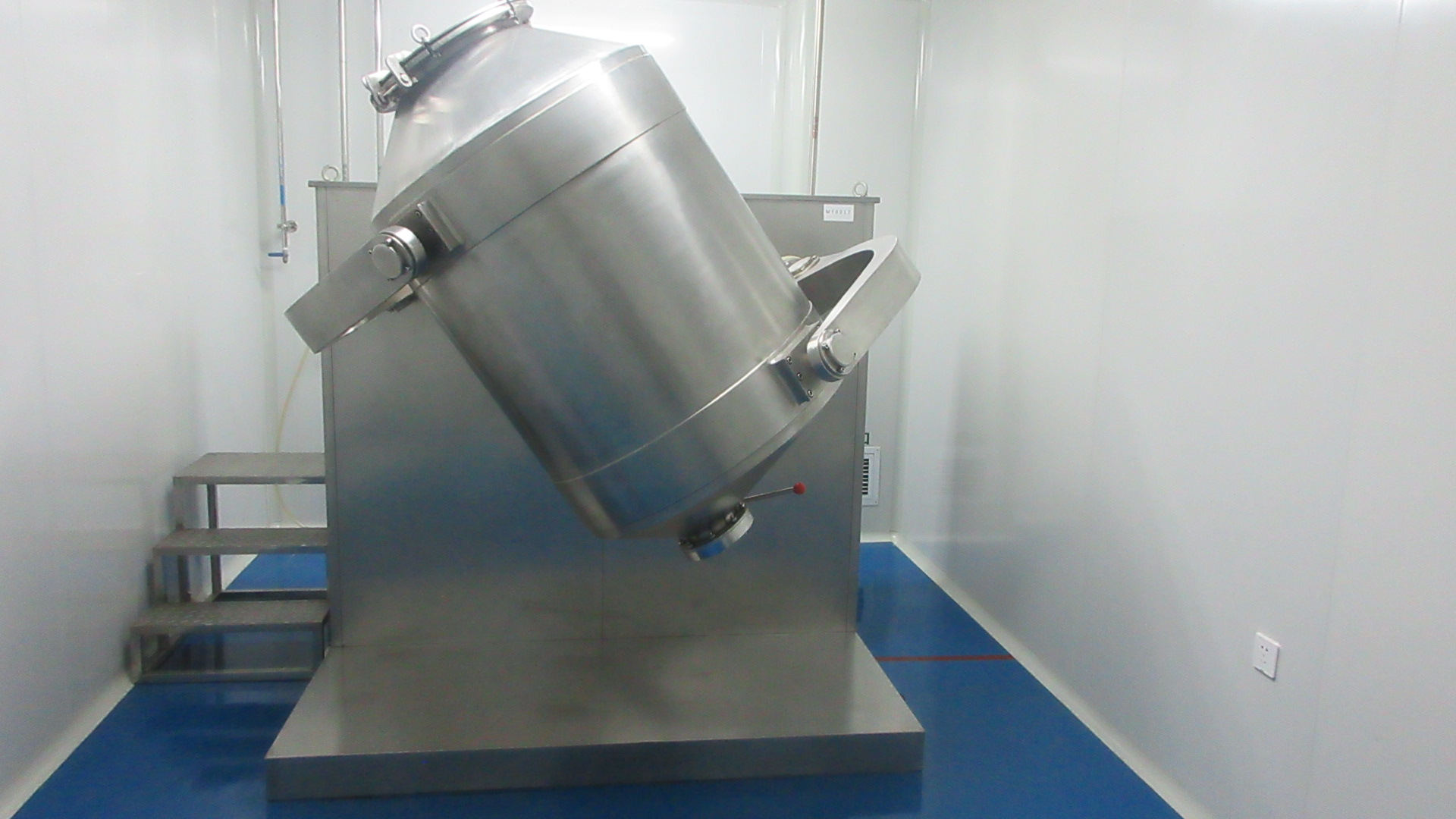
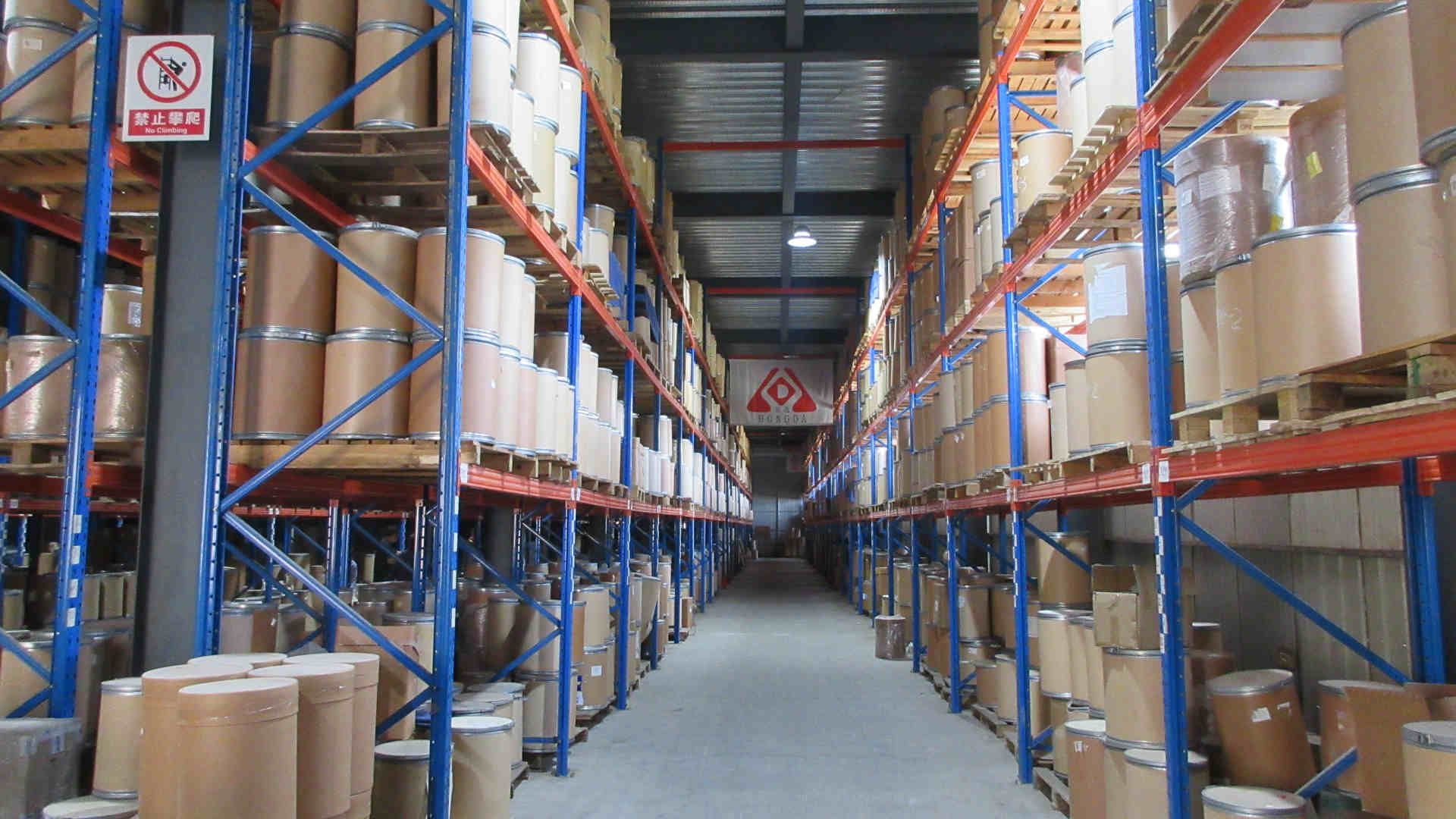
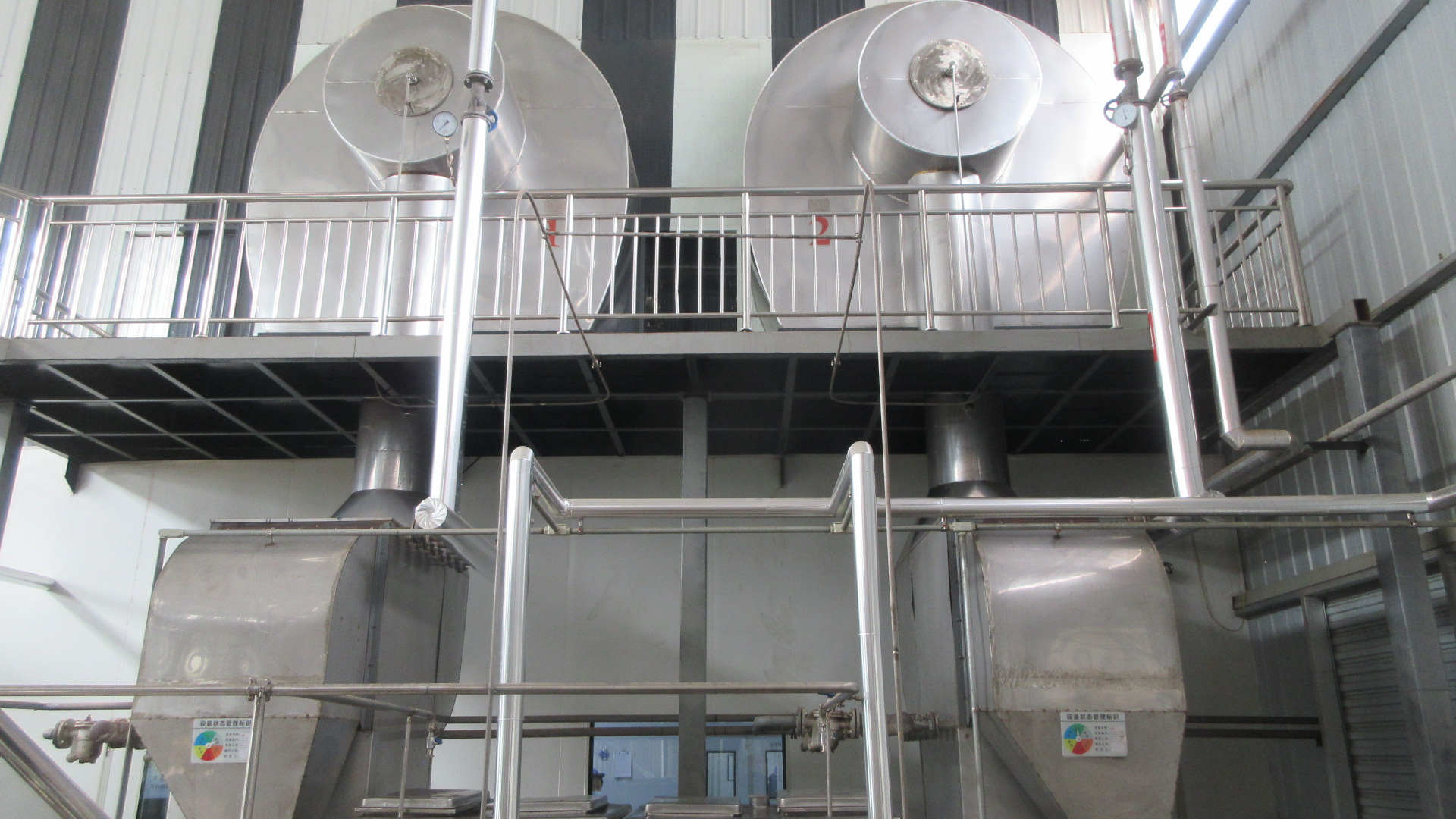
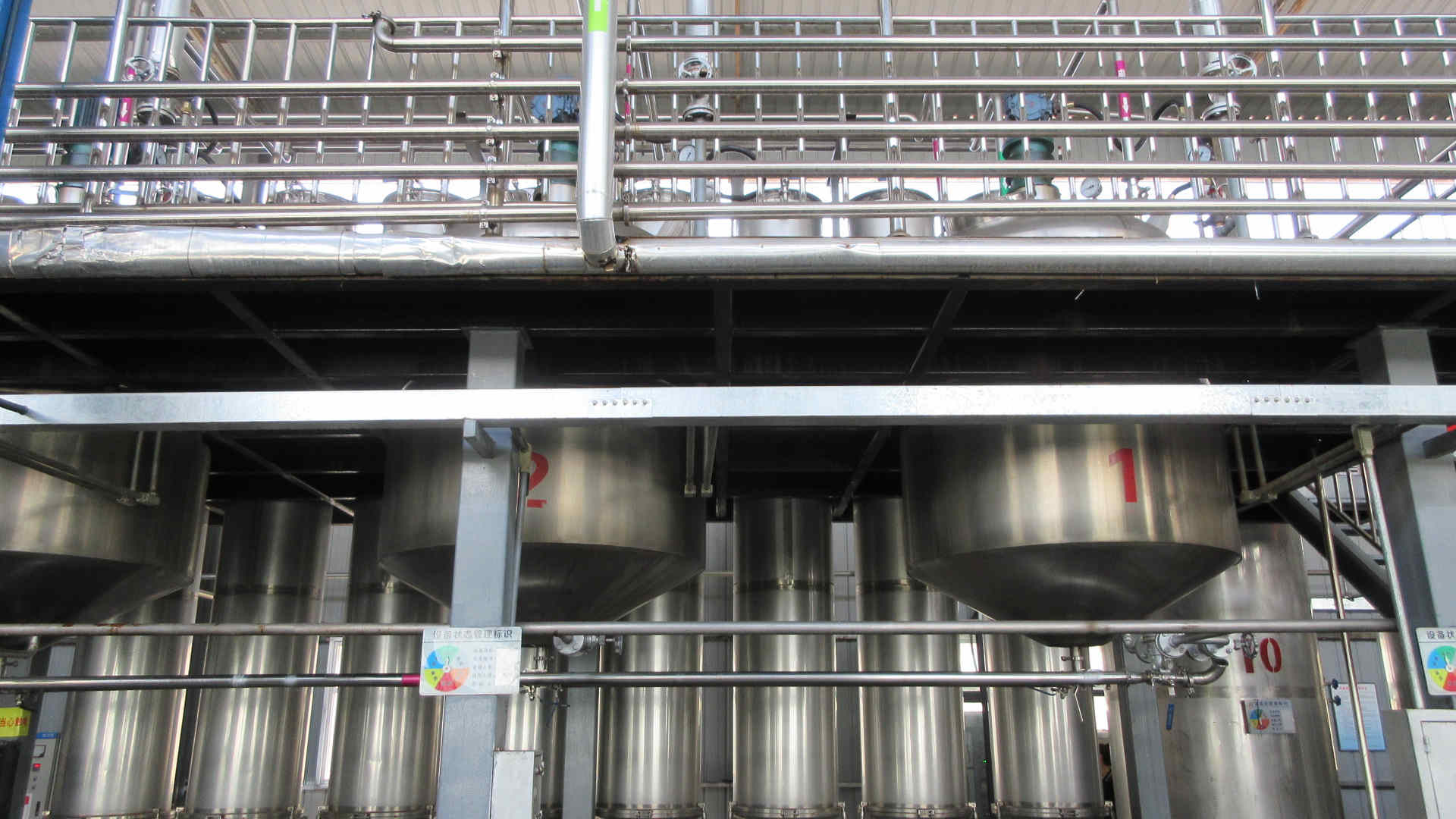
A comprehensive visual walk-through of our manufacturing processes, showcasing pharmaceutical-grade extraction, purification, and drying technologies.
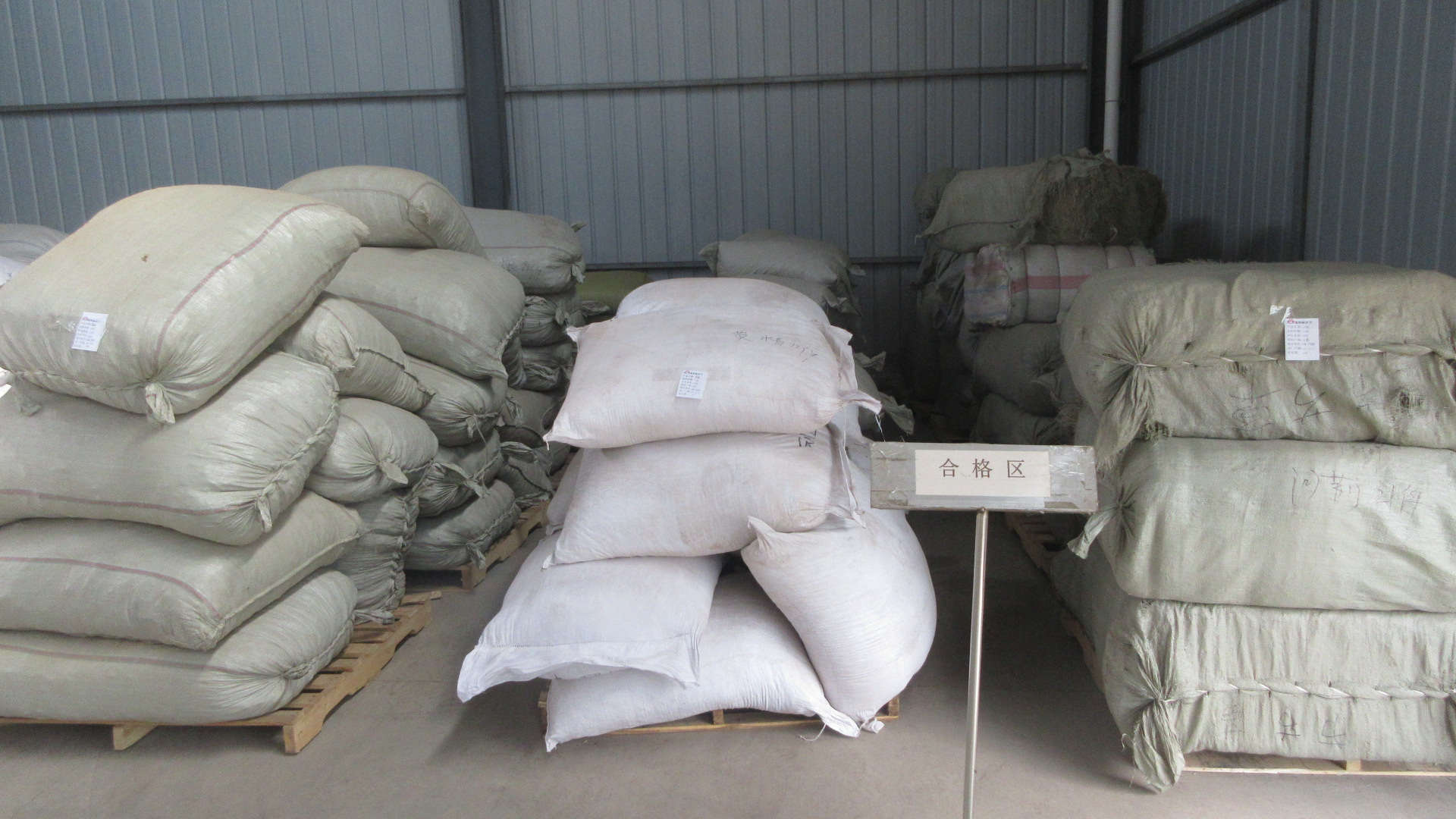
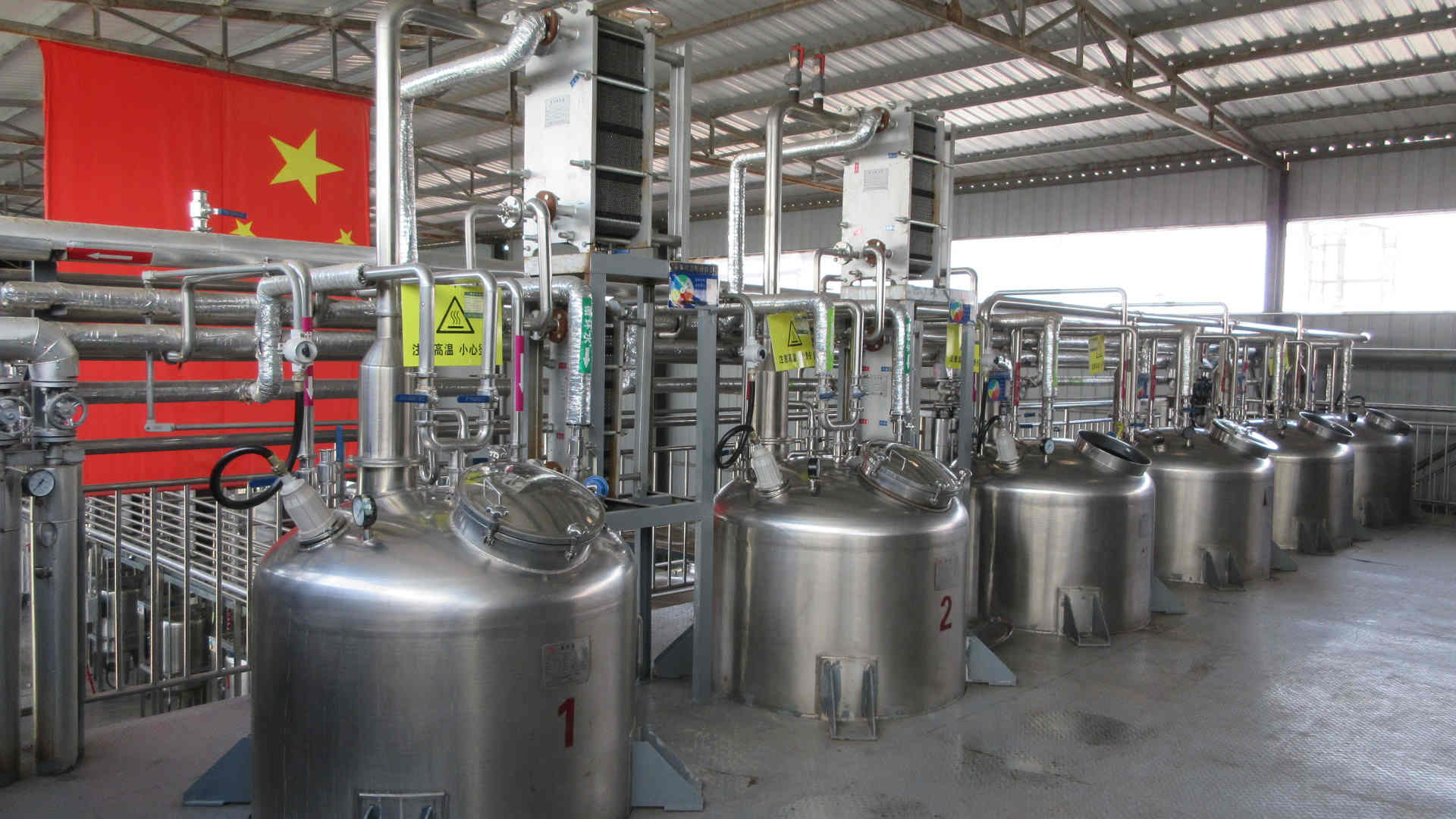
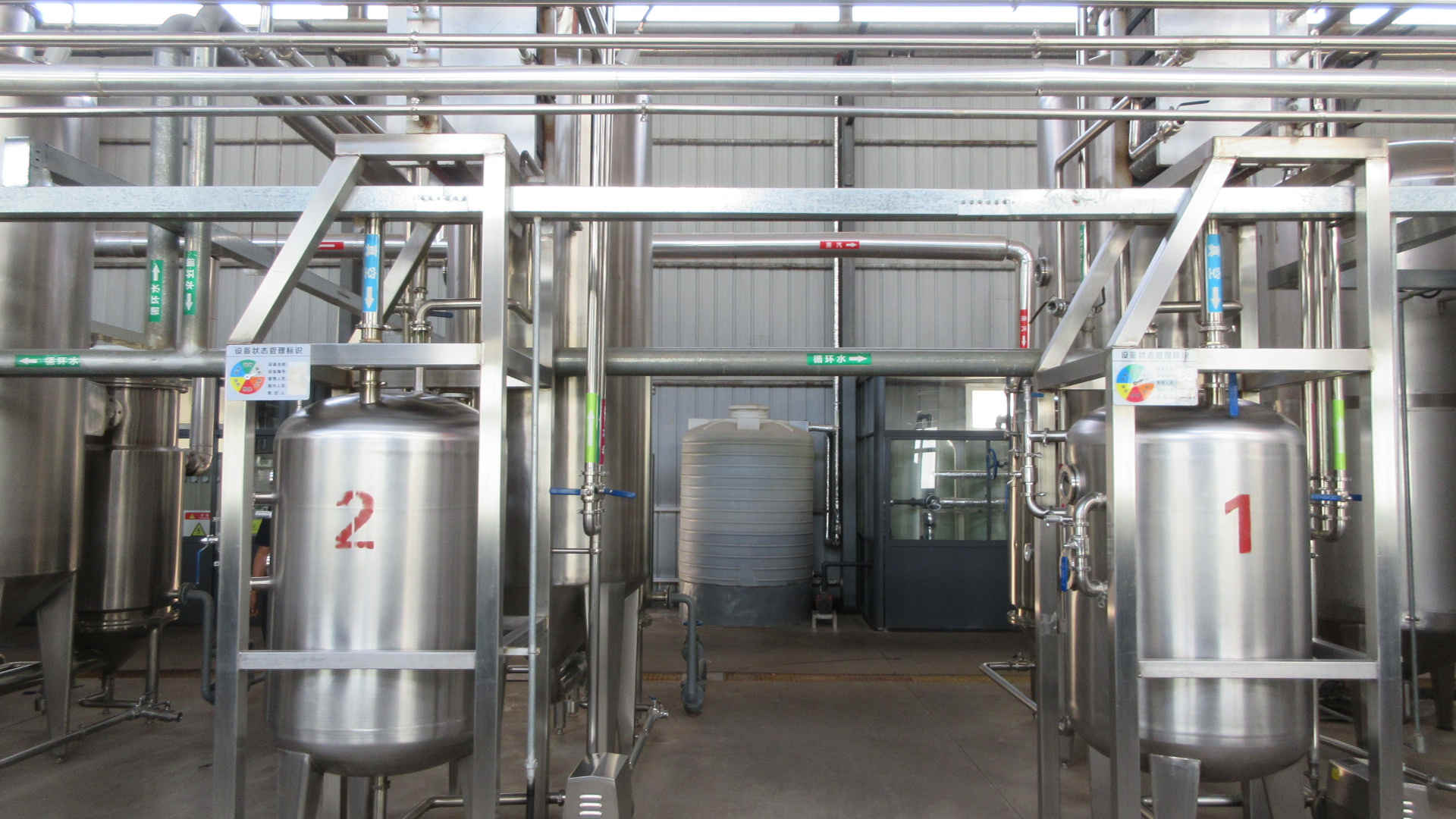
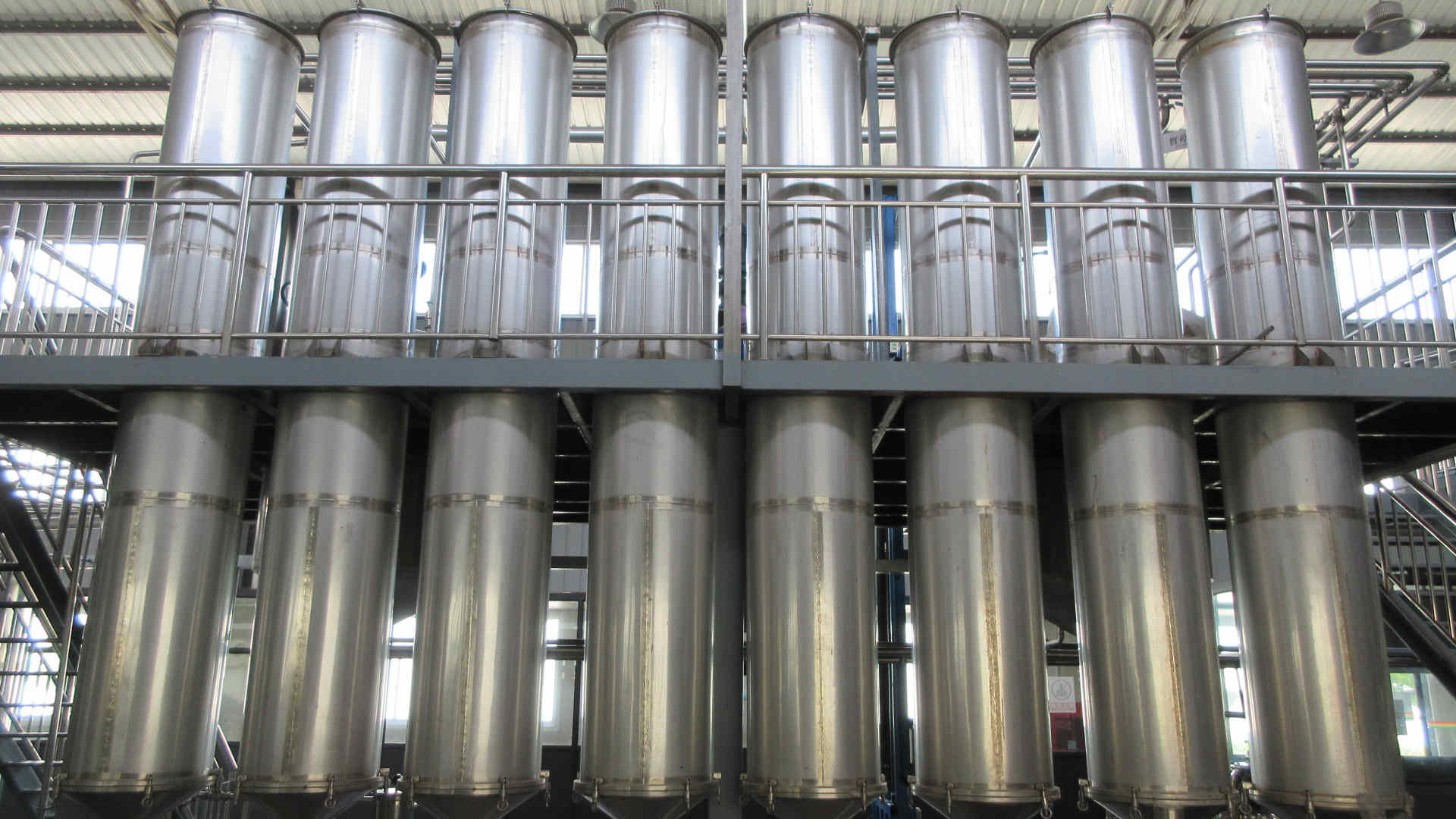
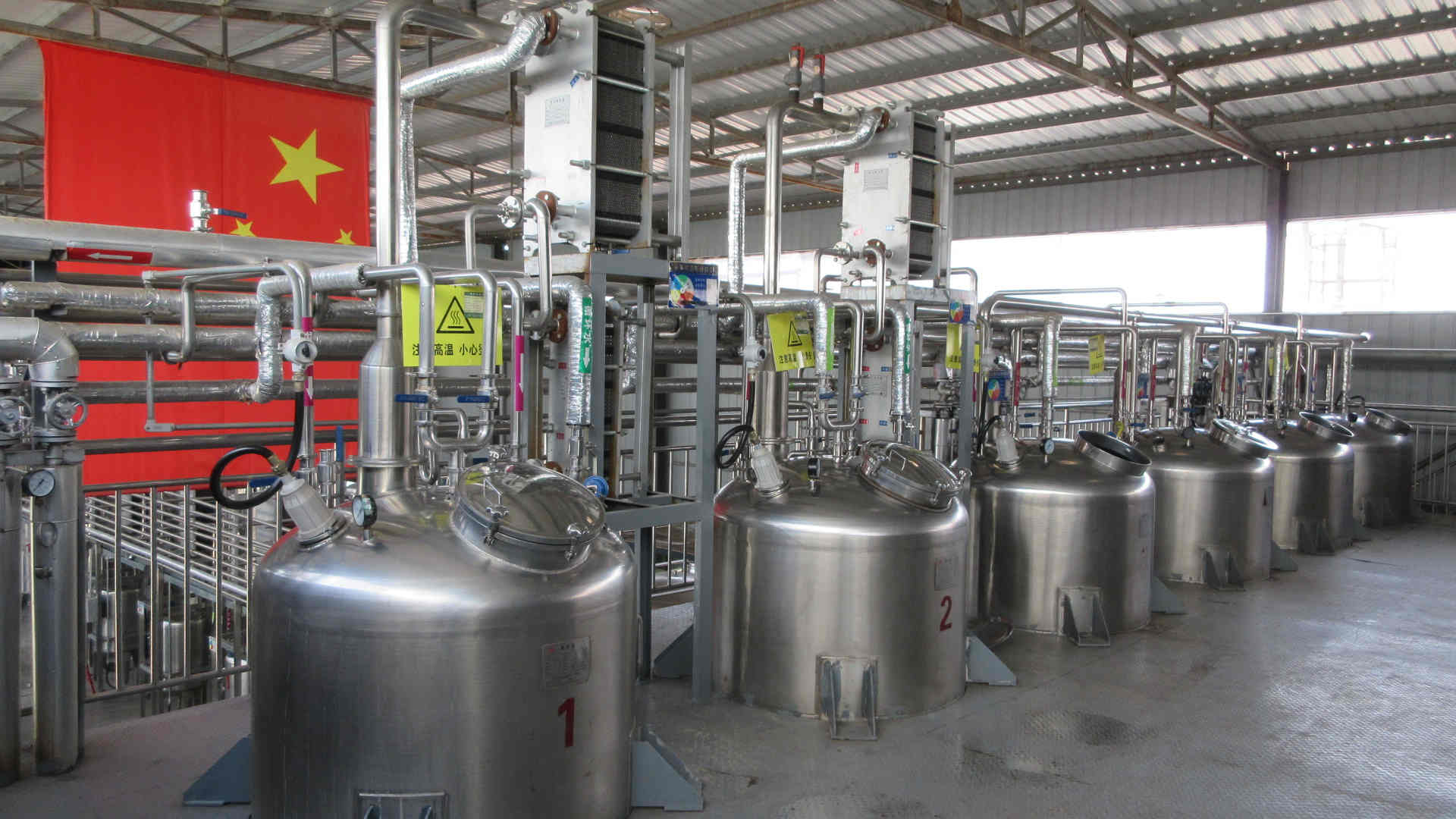
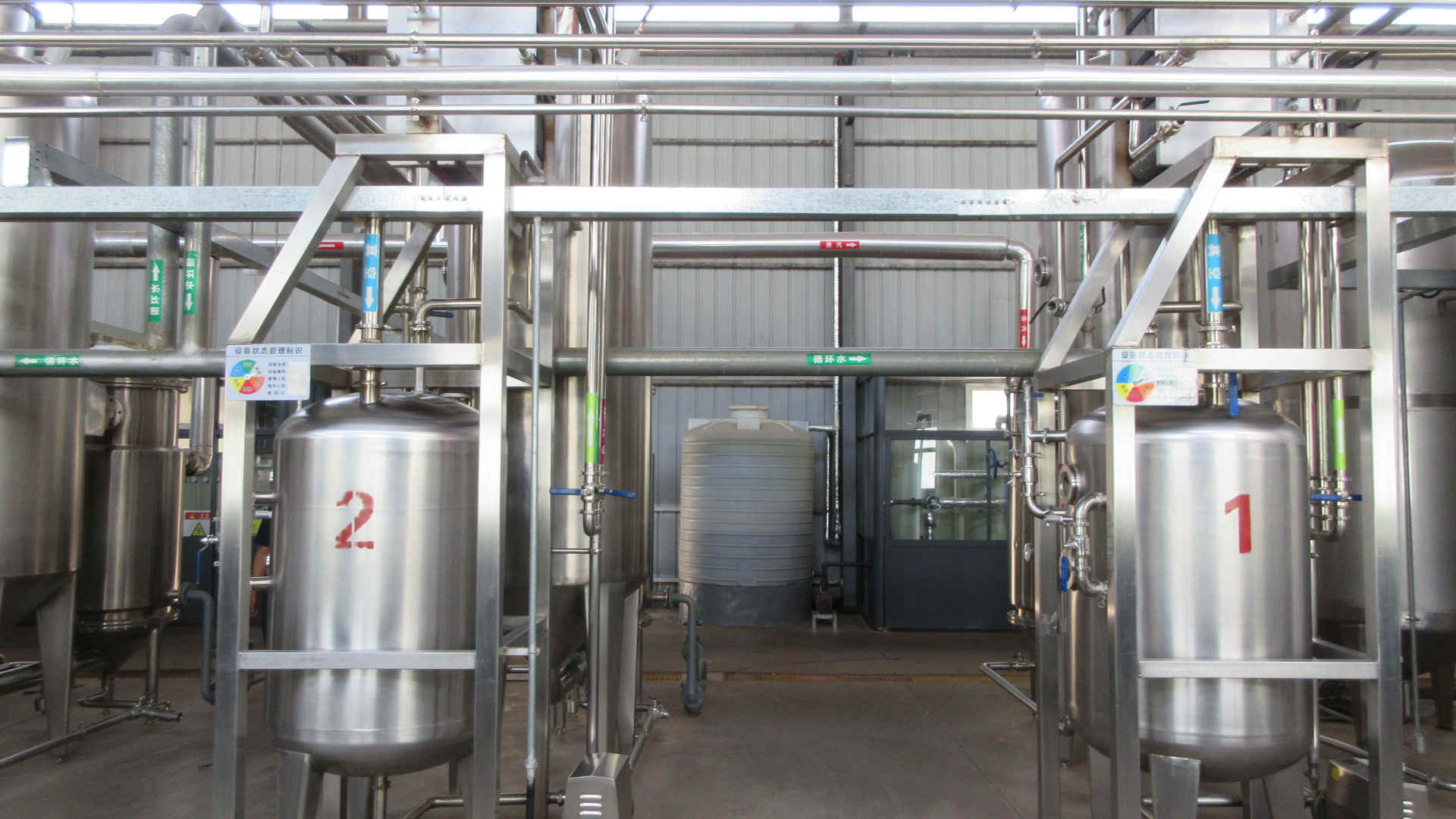
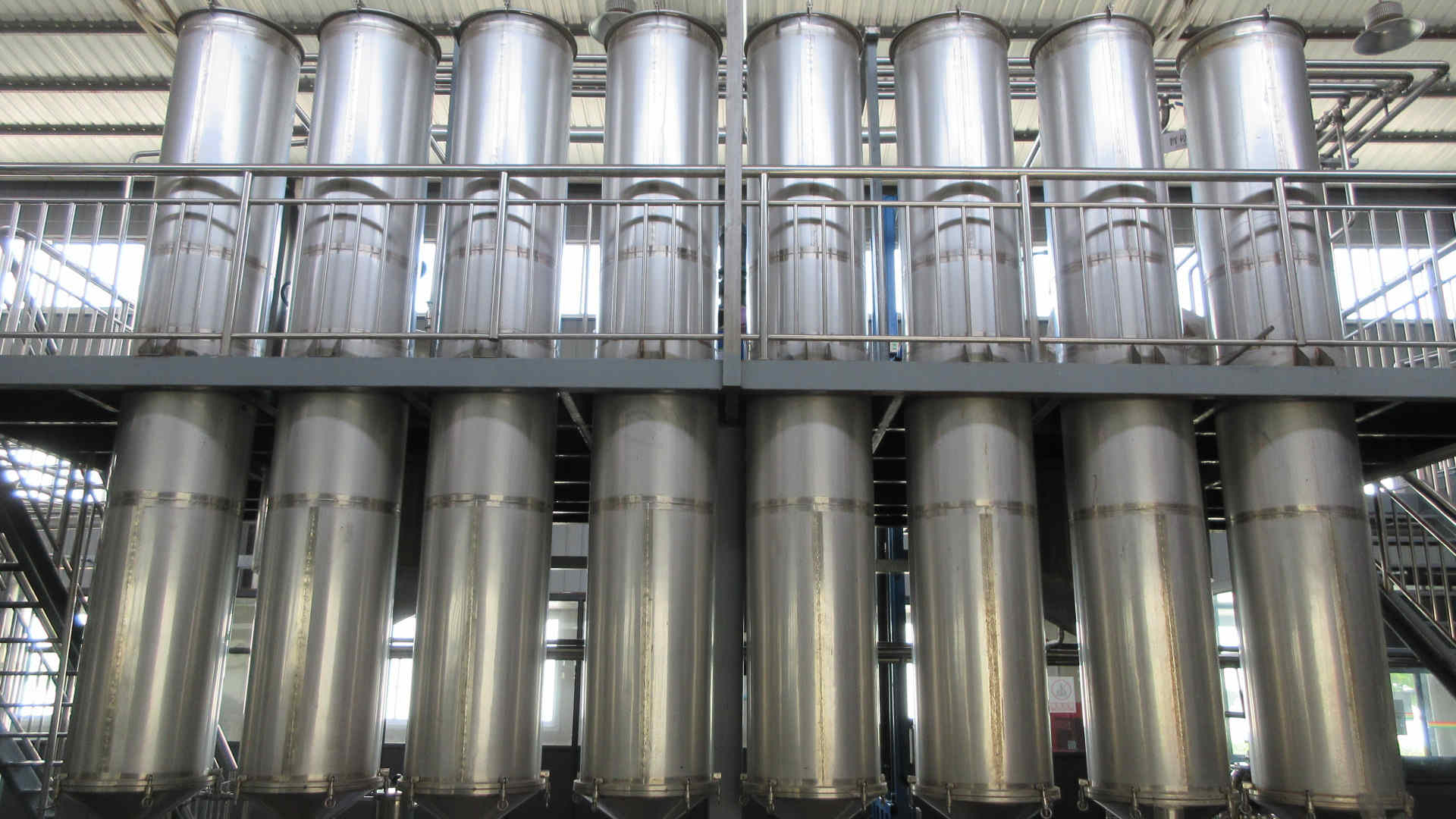
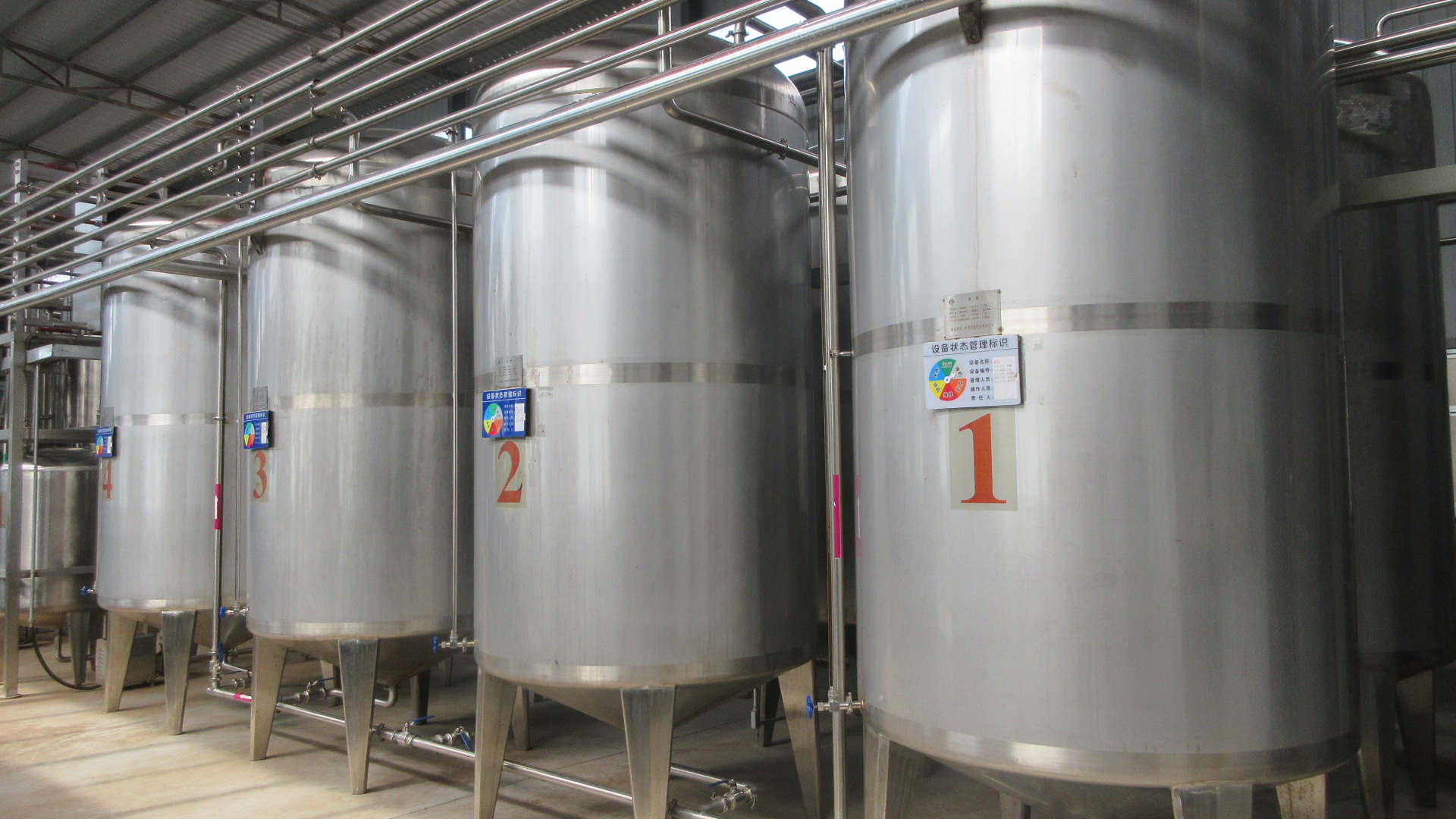
Navigating Australia's customs, biosecurity controls (Department of Agriculture, Fisheries and Forestry - DAFF), and chemical regulatory frameworks can be complex. Choosing Shaanxi Mirae Biology Co., Ltd. ensures your imports meet all compliance requirements. We provide complete documentation packages required for smooth customs clearance through major shipping hubs like Sydney, Melbourne, Brisbane, and Adelaide.
Our regulatory support team manages compliance documents for both food and cosmetics manufacturing:
For urgent formulation requirements, we coordinate with reliable air freight partners to deliver commercial samples and initial supply batches. This minimizes development timelines and keeps production lines running smoothly.
Expert answers addressing the technical, regulatory, and application concerns of food technologists and product formulators in the Australian market.
Direct factory prices on bulk raw materials with global shipping and regulatory support for Australian ports.
 Mirae Biology