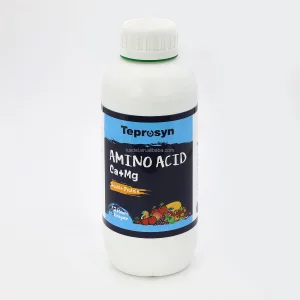
Key Strategic Insight for Georgian Import/Export Buyers: Enzymatic hydrolysis guarantees 100% left-handed (L-form) stereoisomers. Unlike acid-hydrolyzed proteins which destroy delicate amino acids like Tryptophan and Cystine while creating racemic D-amino acids unusable by biological cells, enzymatic plant amino acids integrate directly into metabolic pathways without energy expenditure.
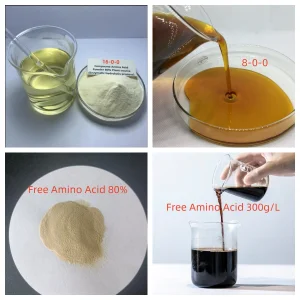
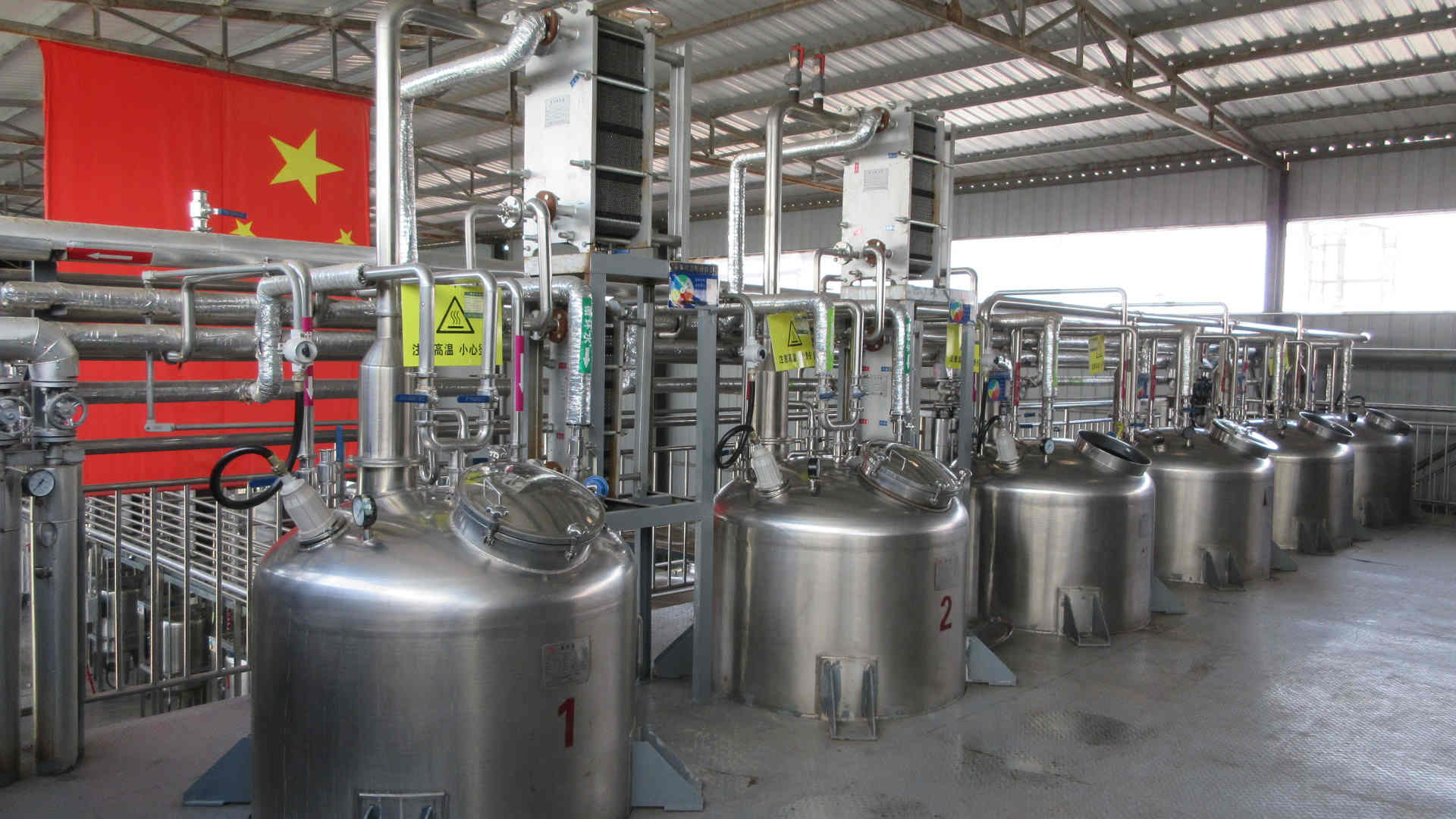
Utilizes targeted temperature-controlled peptide enzymes to break down plant protein chains without destroying heat-sensitive amino acids such as L-Tryptophan and L-Methionine. Yields biologically active L-stereoisomers exclusively.
Free amino acids act as natural organic complexing agents for metal cations (Calcium, Magnesium, Iron, Zinc). Small molecular weight allows rapid trans-cuticular foliar absorption without damaging leaf cell structures.
Provides direct precursors for Proline, Glycine Betaine, and Glutamic Acid. Enables agricultural crops in Kartli and Kakheti to resist extreme temperature fluctuations, drought, salinity, and frost events.
Georgia’s famous wine industry in Kakheti relies on balanced amino acid profiles (especially Proline and Arginine) in grape must for optimal yeast fermentation dynamics and aromatic precursor synthesis. Foliar spray treatments improve berry skin thickness and Brix accumulation.
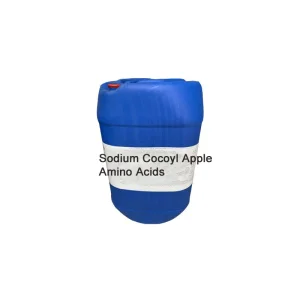
Georgian cosmetic formulators utilize plant-derived surfactants such as Sodium Cocoyl Apple Amino Acids for mild, sulfate-free facial cleansers. These biodegradable ingredients offer luxurious foaming while protecting the skin’s natural lipid barrier.
Plant-based hydrolyzed proteins supply highly digestible amino acids for livestock feed additives across Georgian poultry and swine operations. Replaces costly fishmeal while enhancing feed conversion ratios (FCR) without antibiotic dependency.
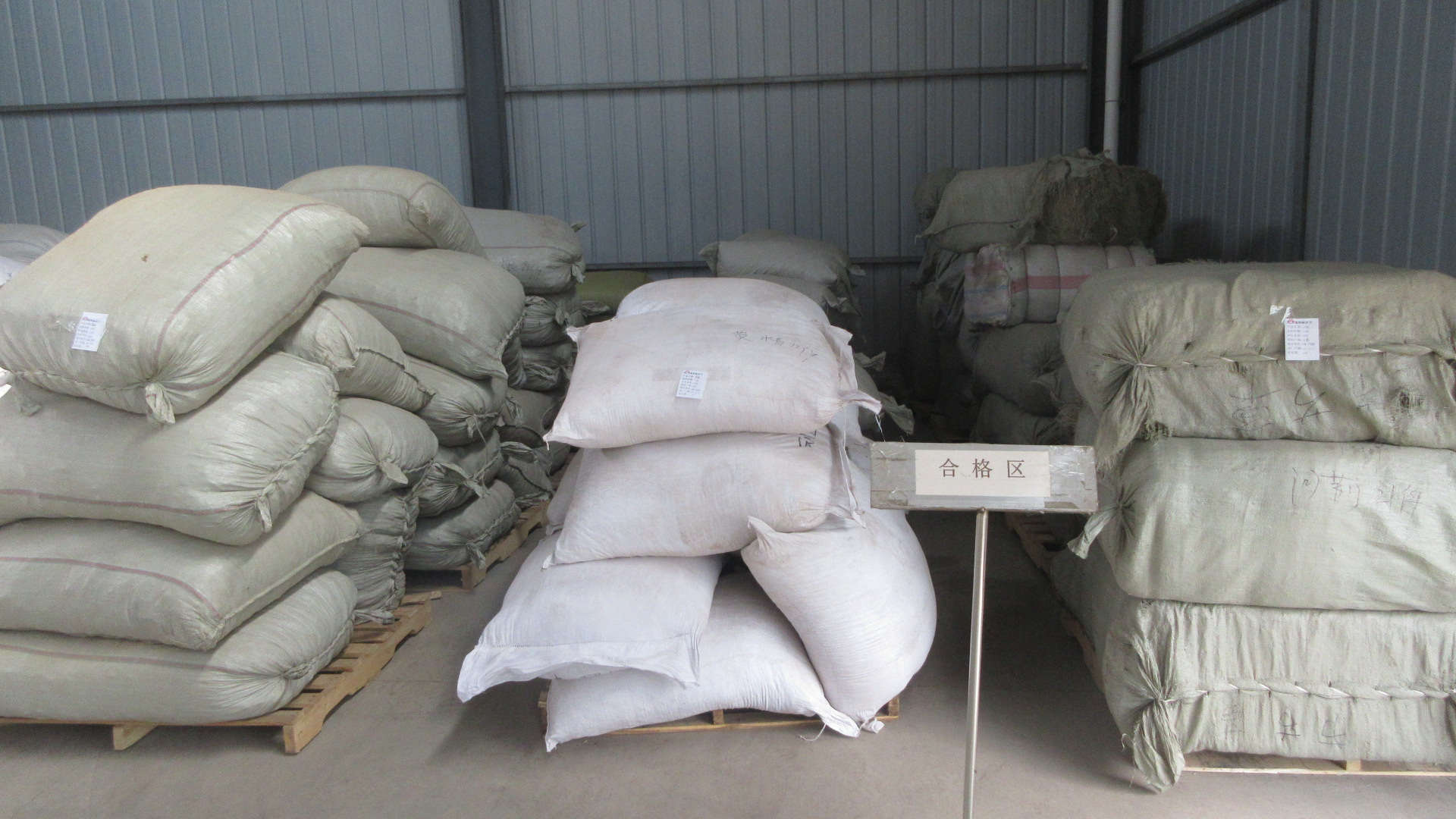
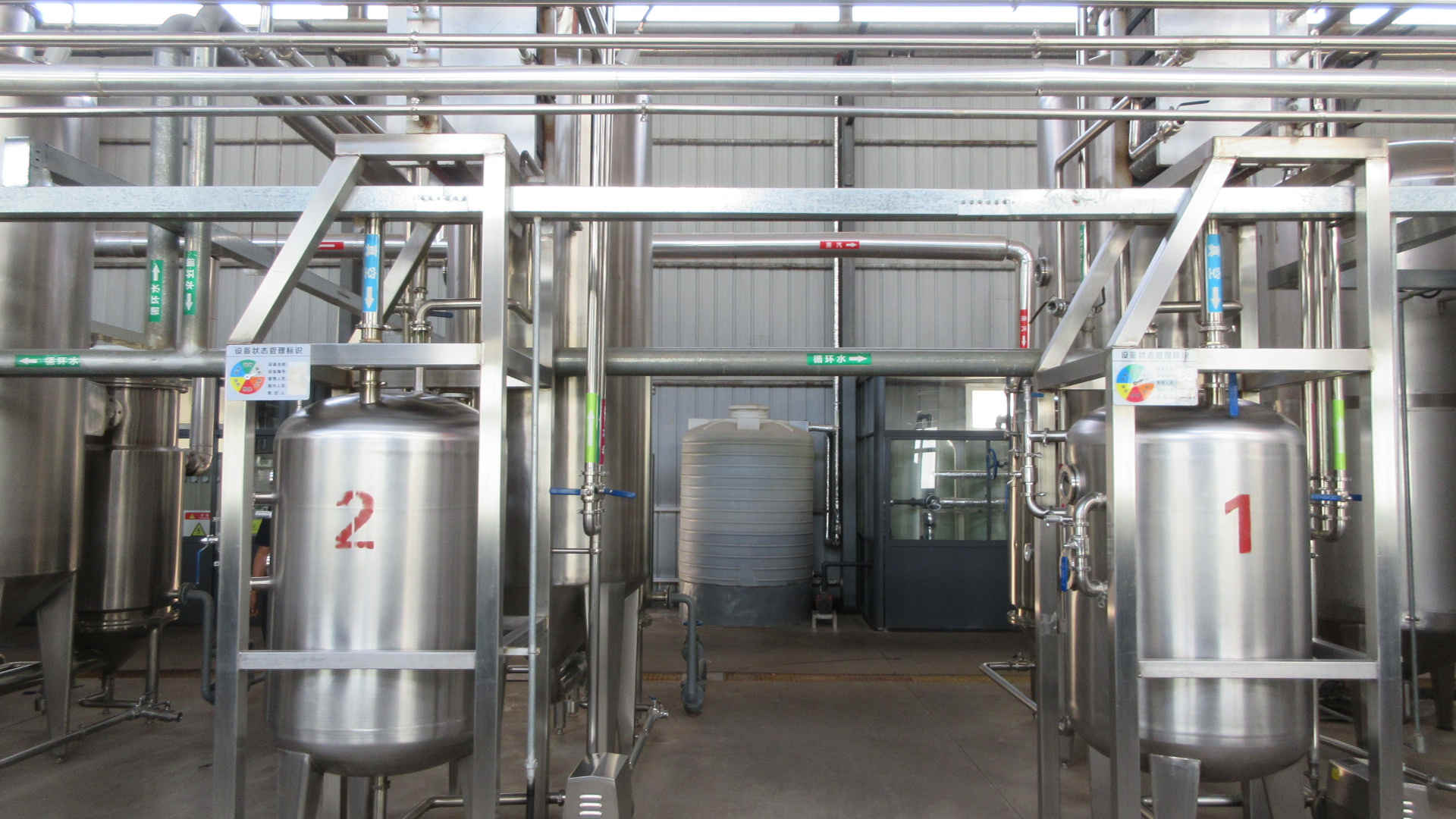
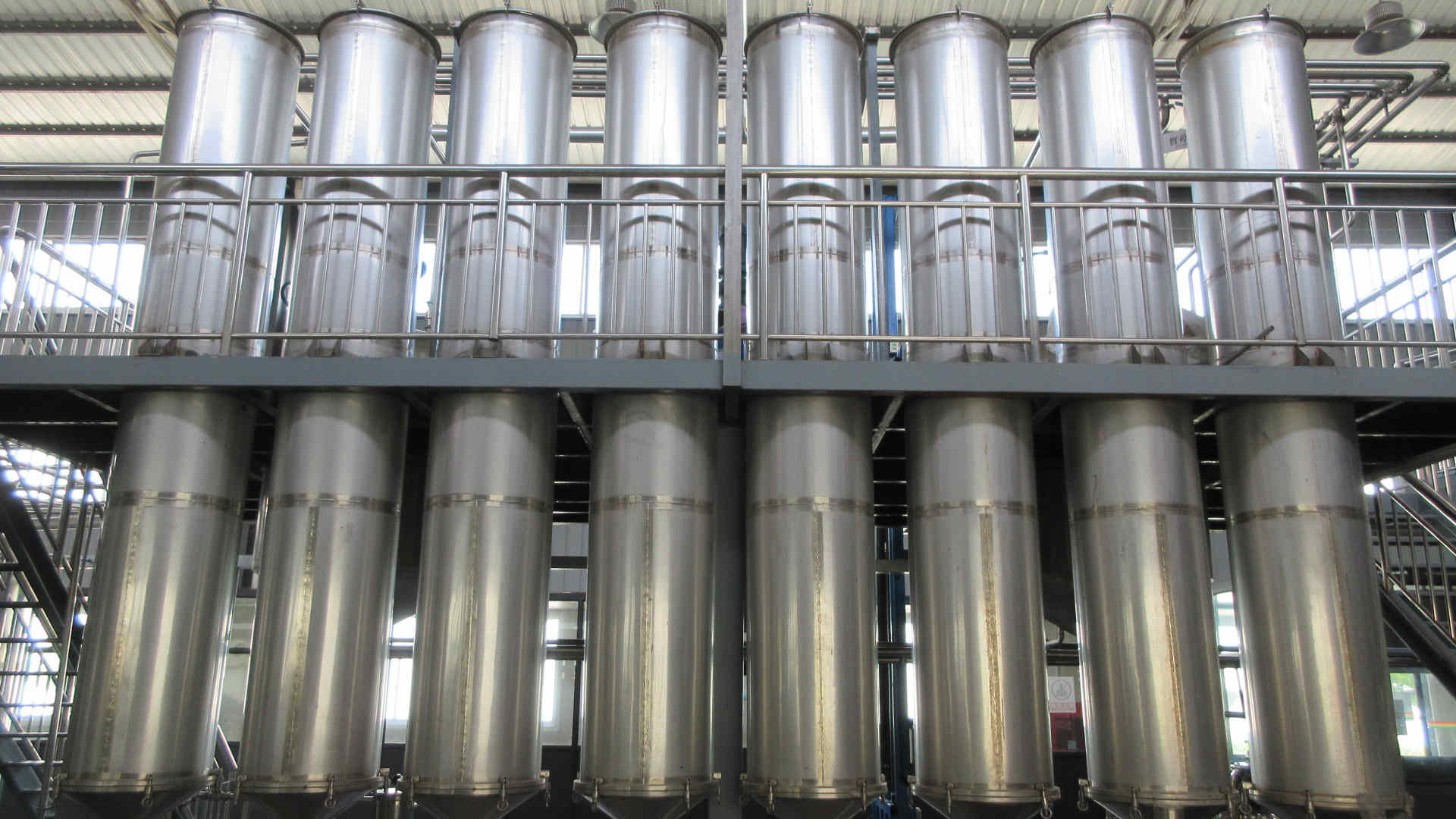
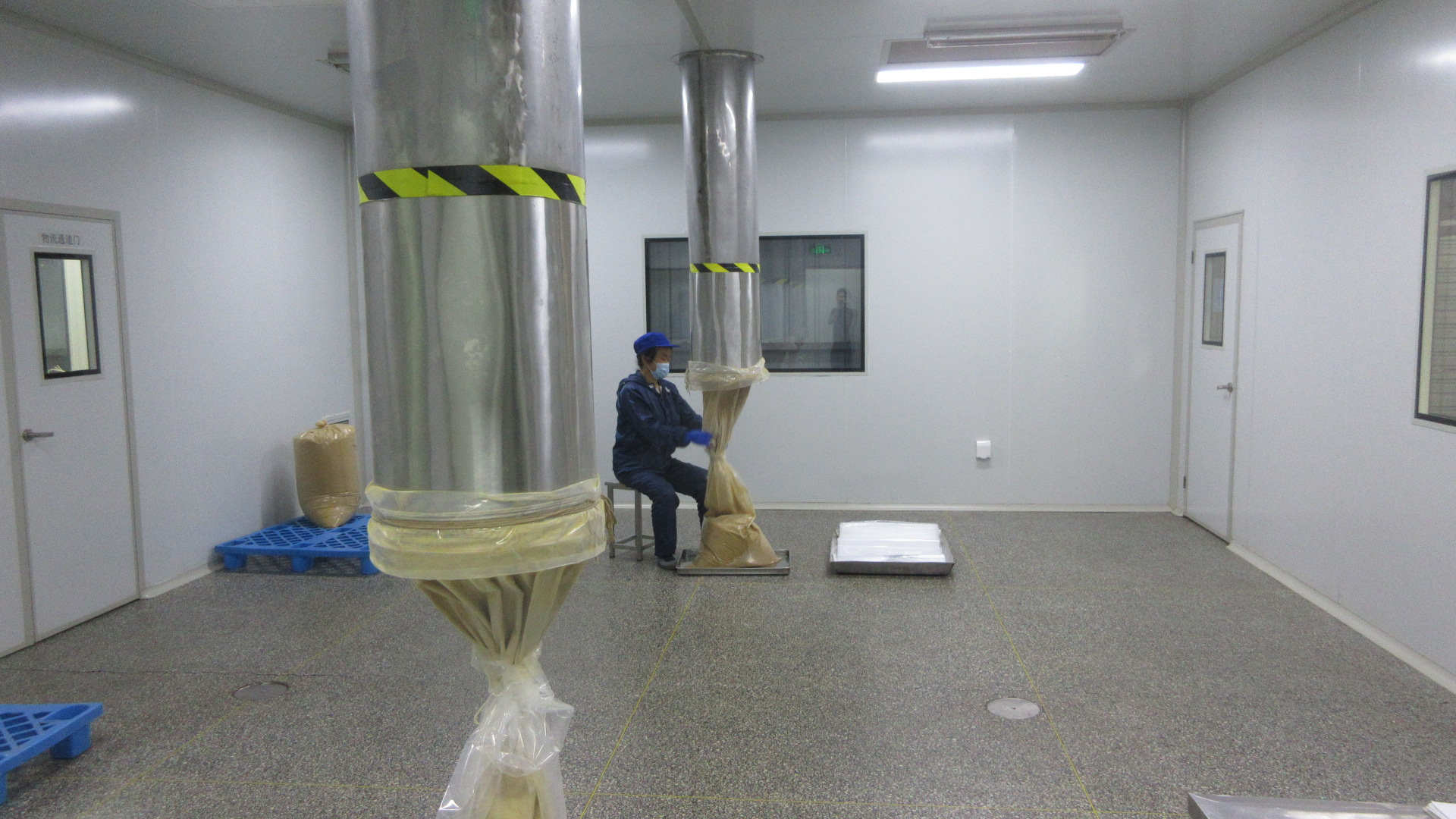
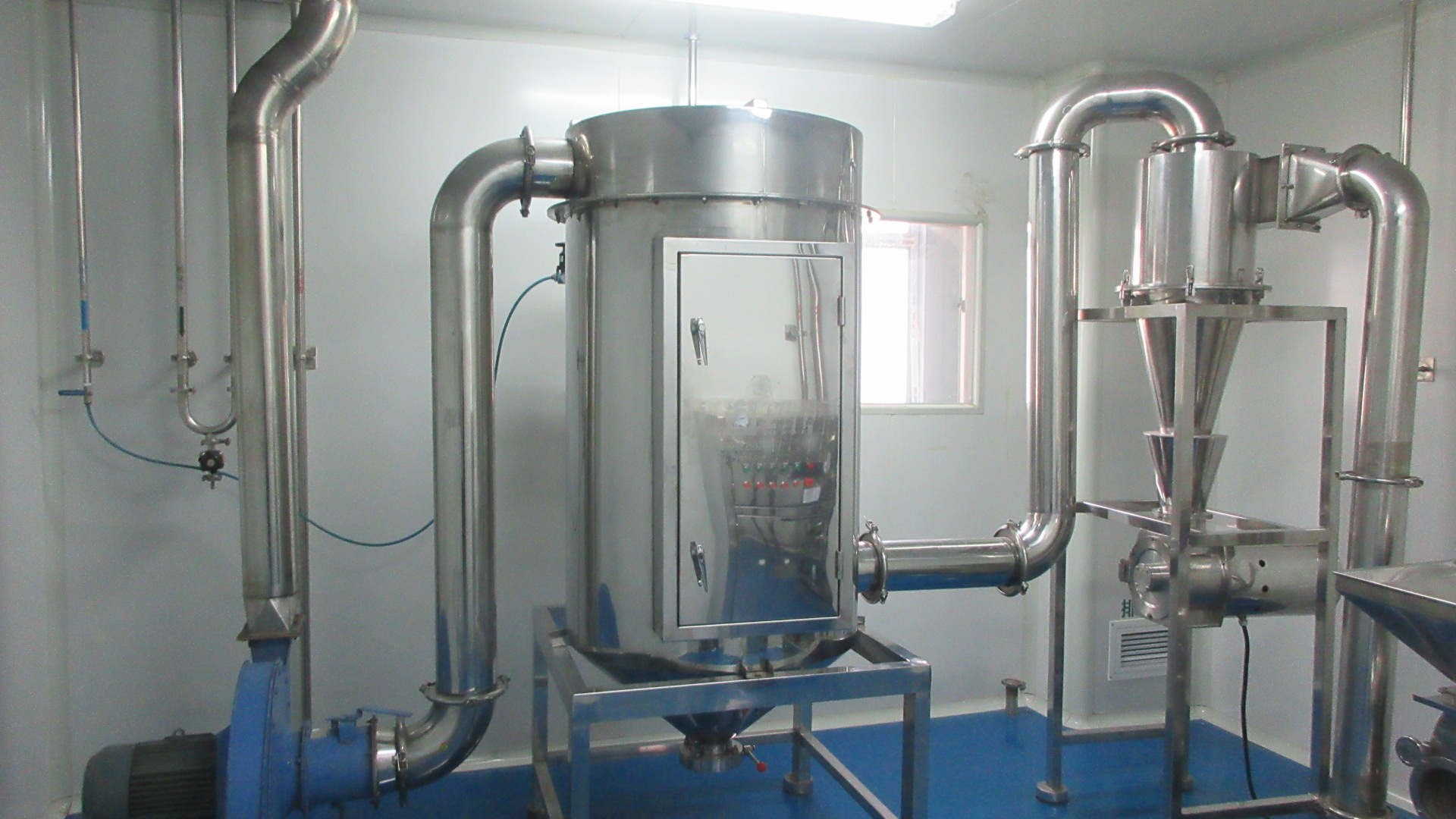
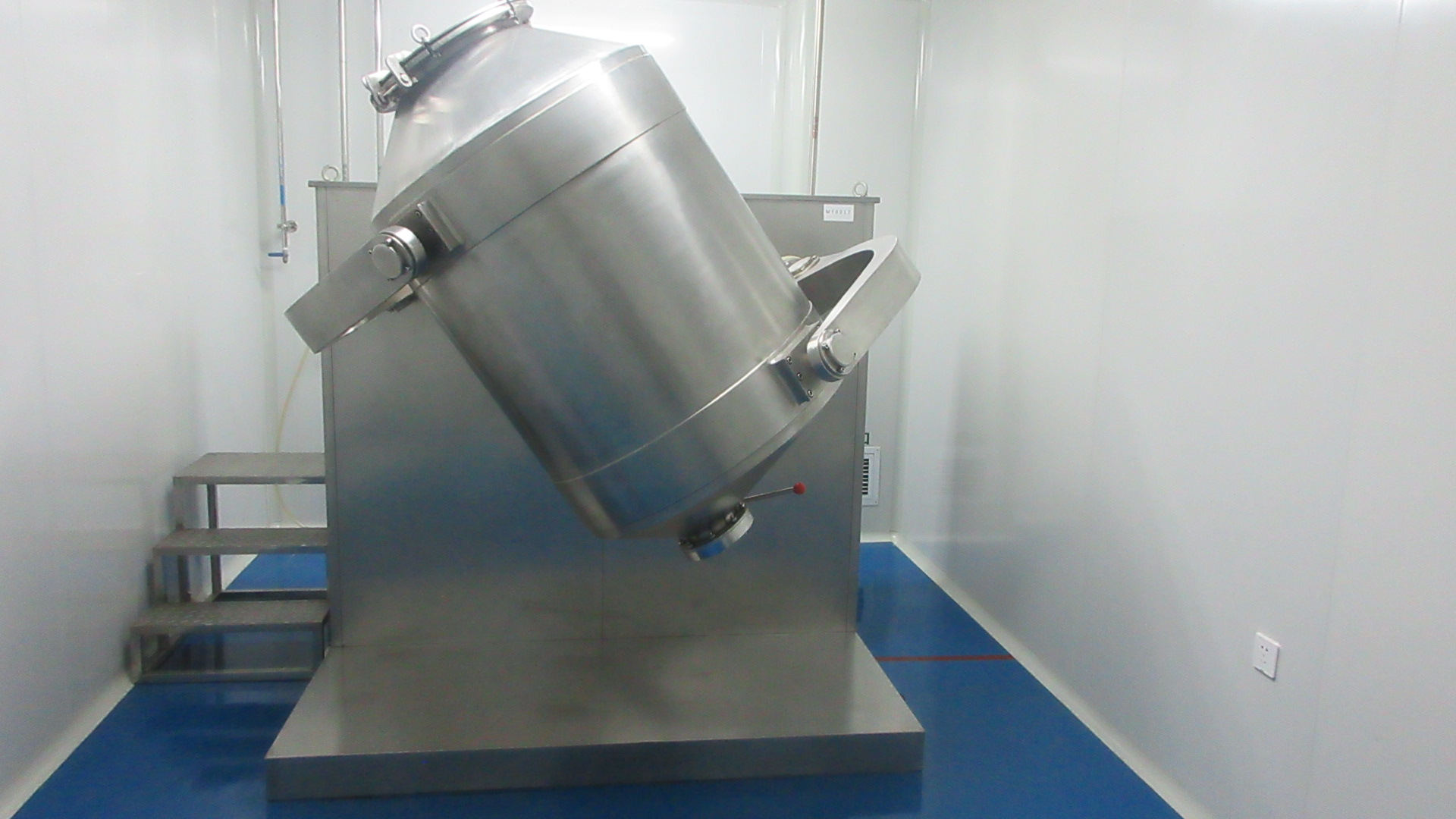
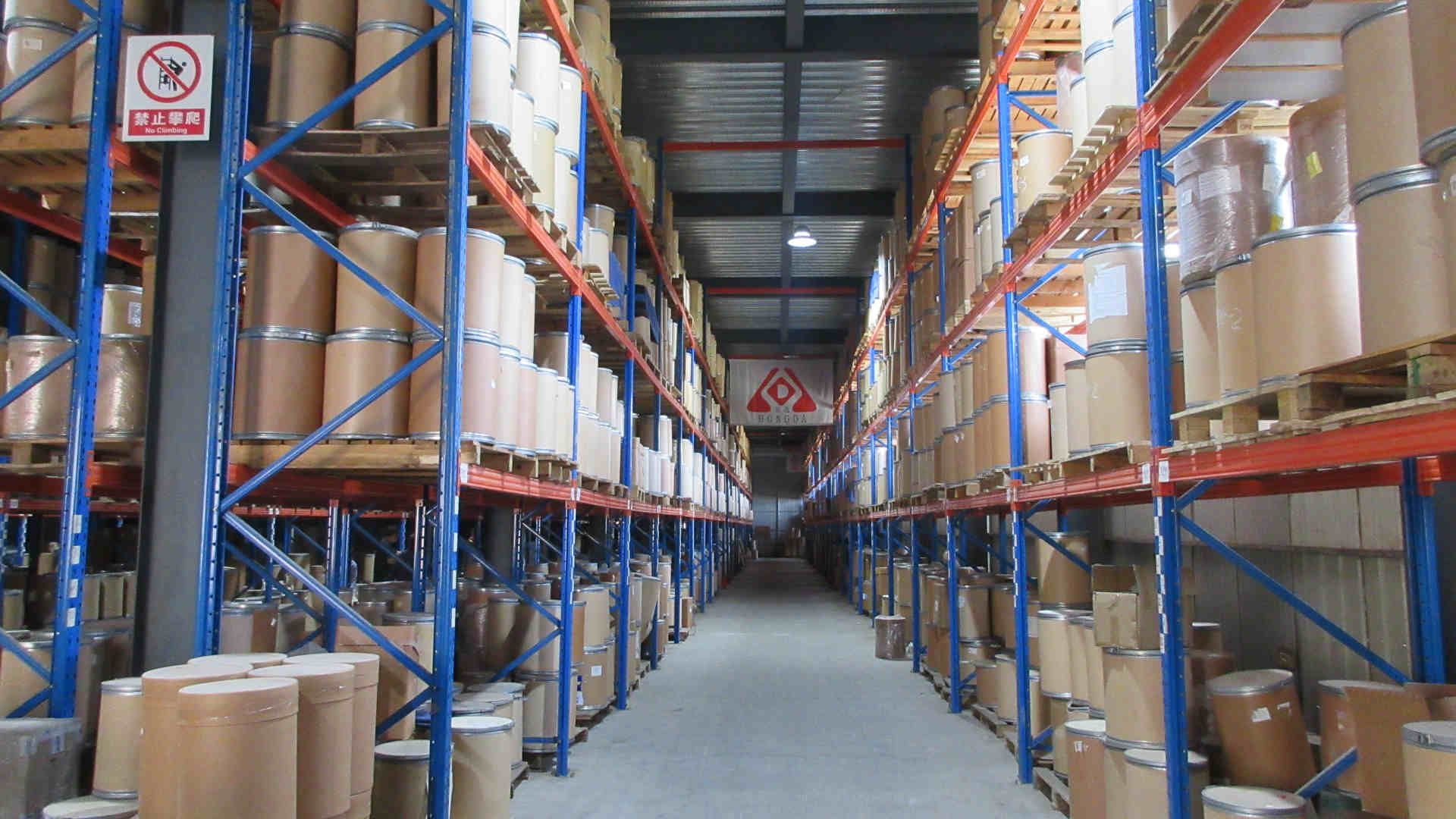
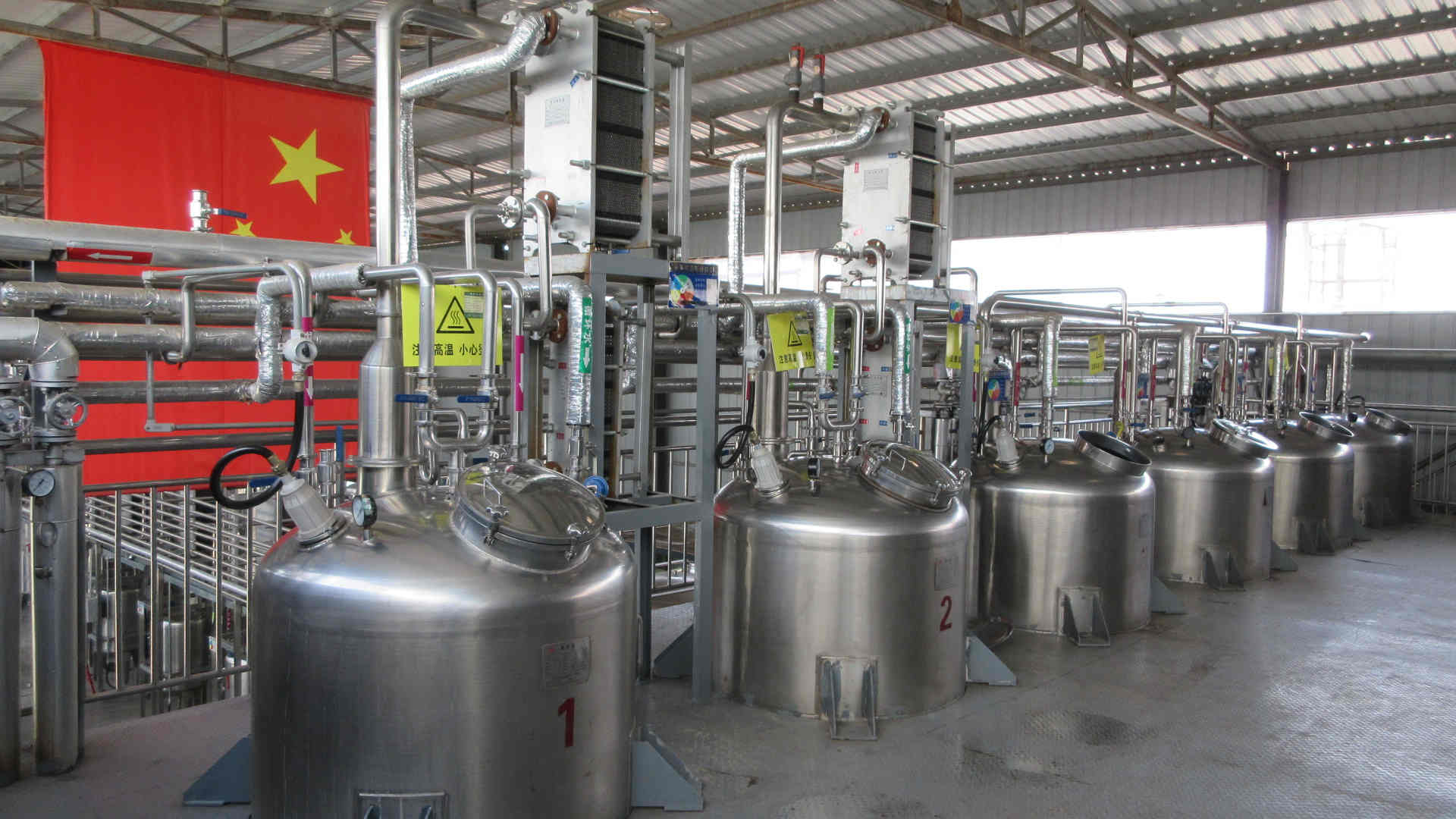
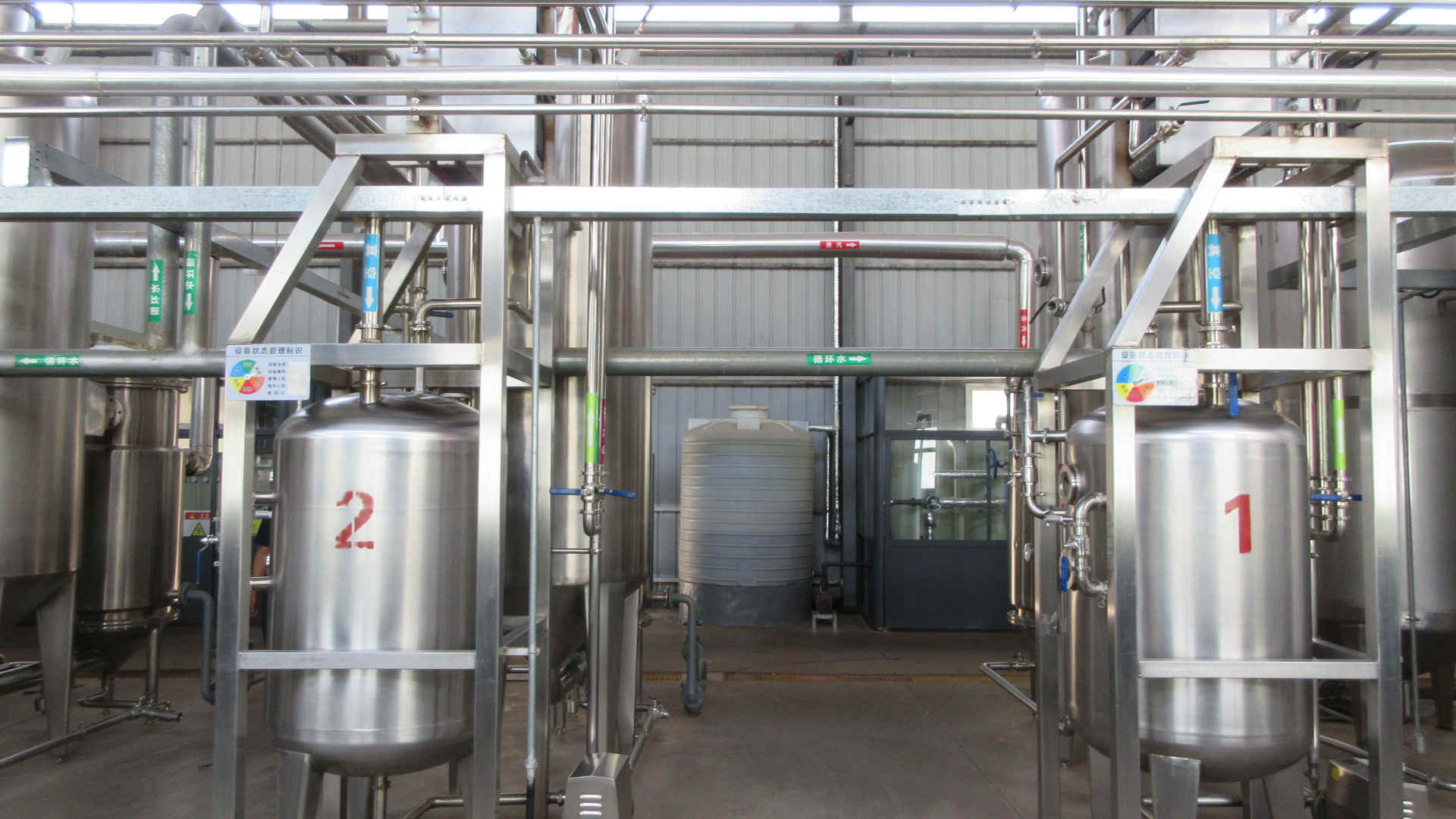
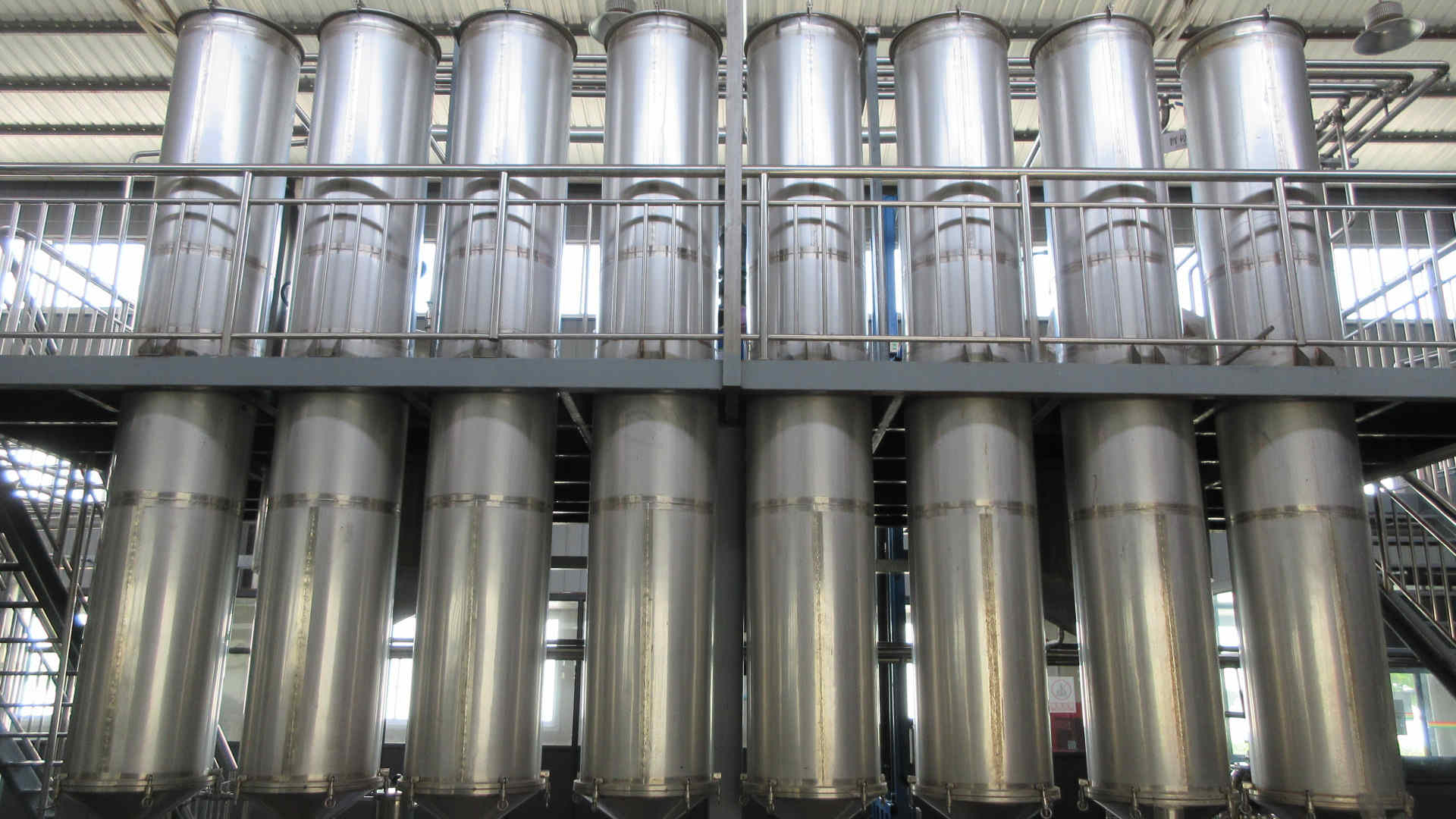
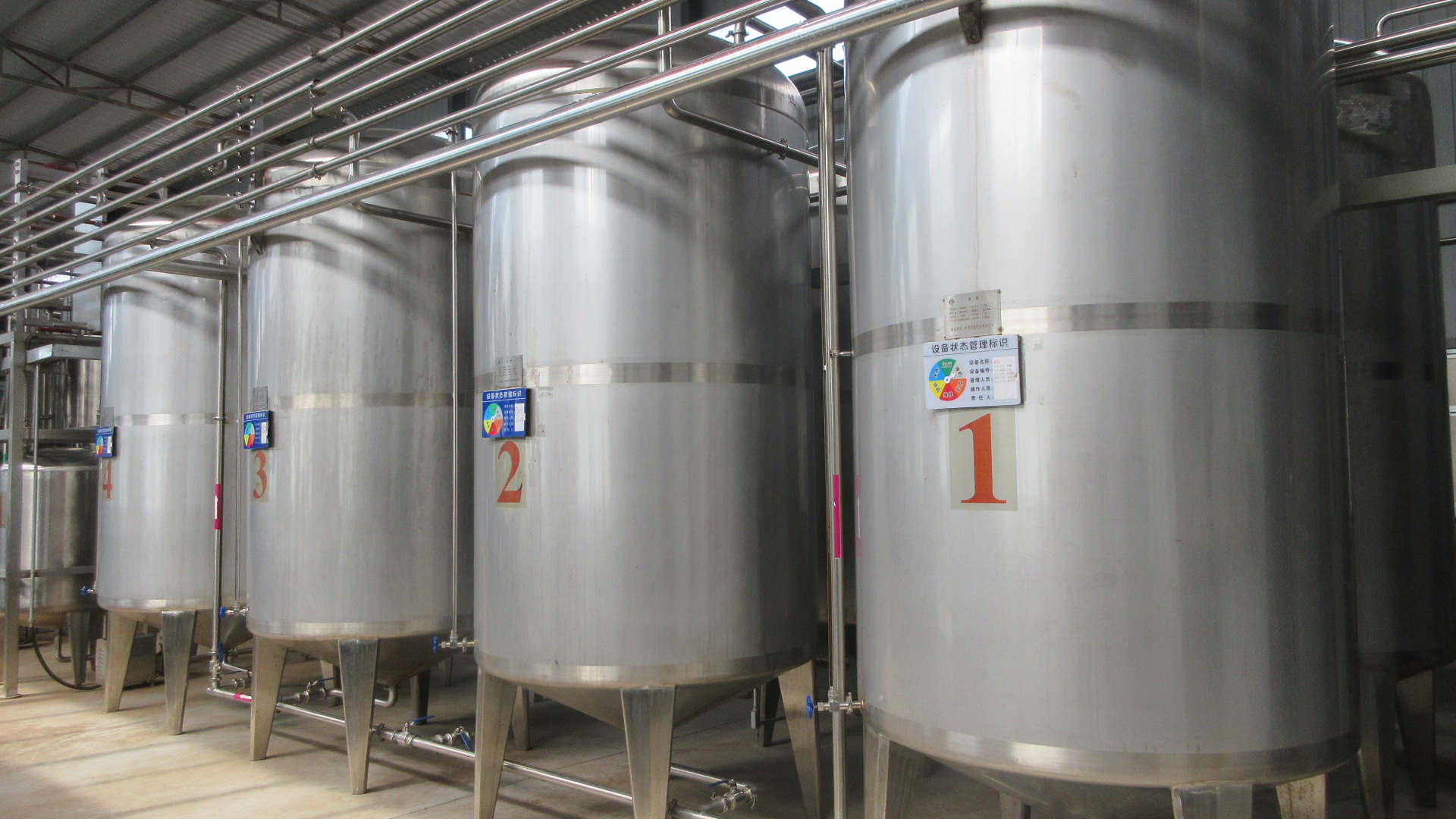
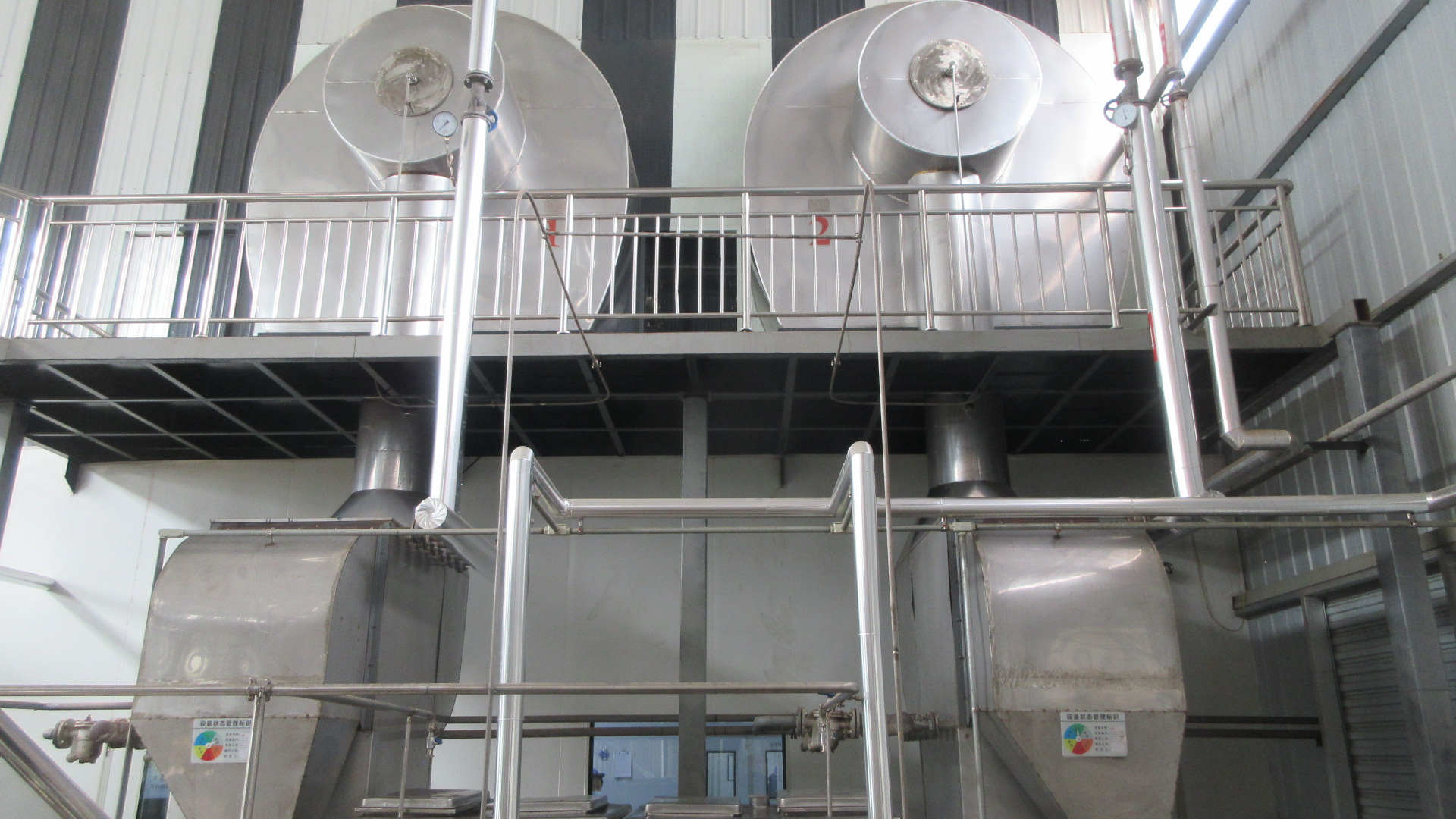
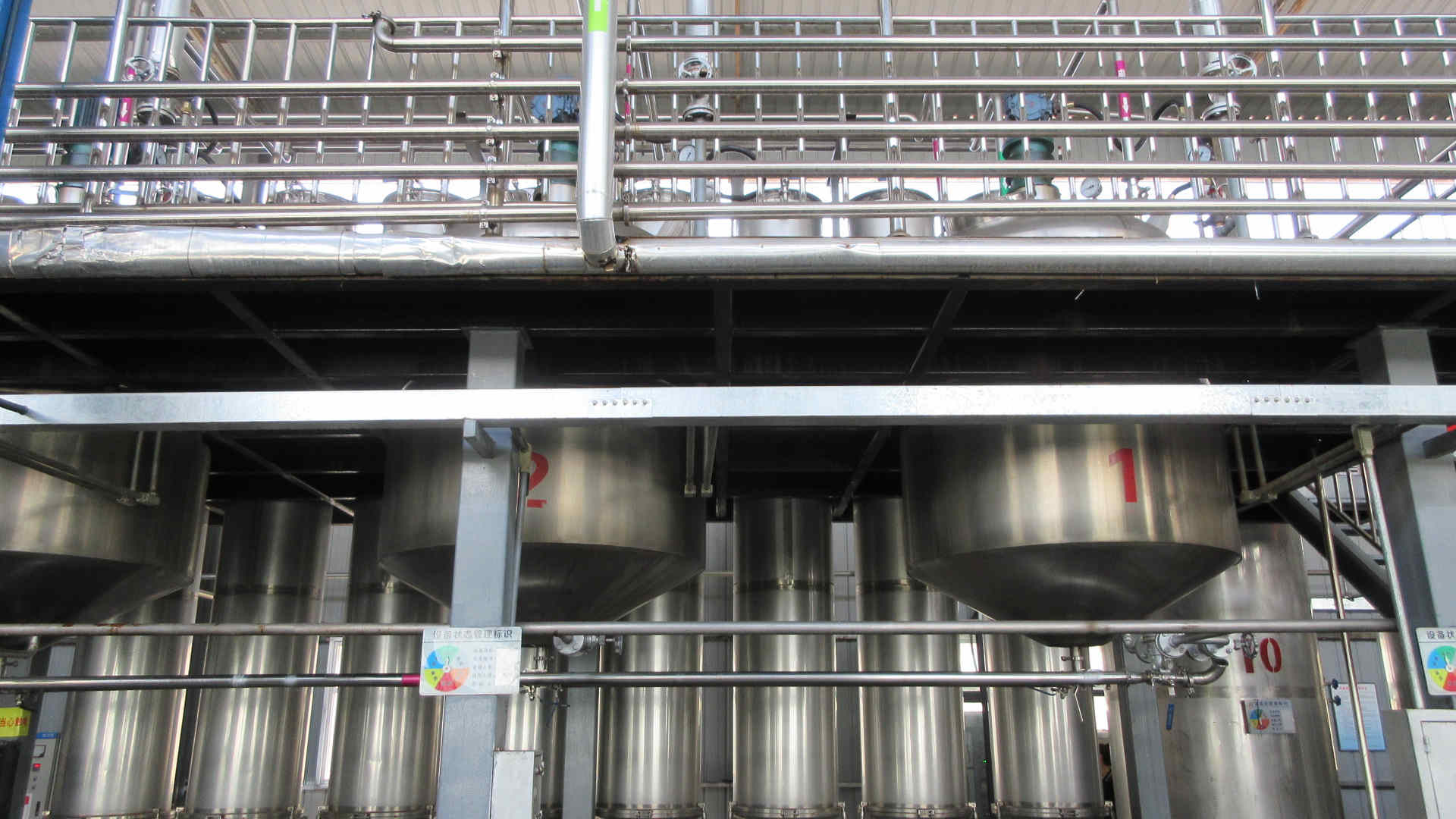
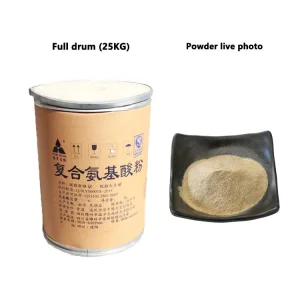
Full Container Load (FCL) and Less than Container Load (LCL) shipments dispatched directly with moisture-proof 25kg fiber drums or 500kg jumbo bags tailored for humid port transit conditions.
Leveraging the Trans-Caspian International Transport Route (TITR) for rapid overland containerized transit connecting Shaanxi hub terminals directly to Baku-Tbilisi-Kars rail networks.
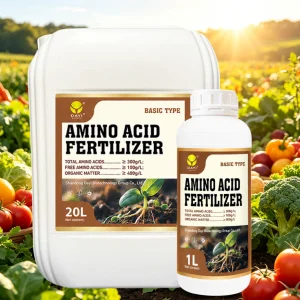
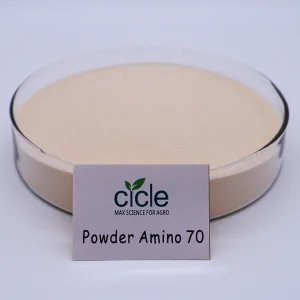
Tailored liquid blends, micro-granules, and pH-adjusted amino powders engineered specifically for Georgian agricultural distributors and regional B2B brands (OEM/ODM options available).
Next-Gen R&D Focus: Integrating AI-driven soil microbe-amino acid interaction modeling to design biostimulants that selectively feed beneficial rhizosphere bacteria (e.g., Bacillus subtilis and Trichoderma) while suppressing soil-borne fungal pathogens in intensive orchard farming.
Plant-derived amino acids are extracted via gentle enzymatic hydrolysis of non-GMO crops (soy, wheat, corn), preserving all 18 naturally occurring L-amino acids without high heat or harsh chemicals. Animal-derived amino acids are produced from feathers, hair, or slaughterhouse waste via aggressive acid hydrolysis, which destroys essential nutrients (like Tryptophan), creates high D-amino acid ratios that plants cannot utilize, and presents potential heavy metal contamination risks.
Biological cell enzymes only recognize and metabolize L-form (left-handed) amino acids. Synthetic or chemical hydrolysates produce a mixture of L and D forms. Plant-derived L-amino acids are instantly absorbed through the plant stomata and cuticular pores, directly building proteins and enzymes without metabolic delay.
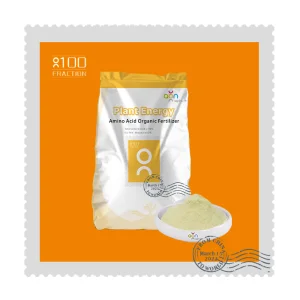
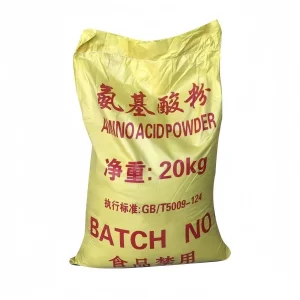
We package dry powder formulations in heavy-duty 25kg multi-layer kraft paper bags with inner PE liners, or 500kg jumbo totes on fumigated wooden pallets. Liquid formulations are supplied in 200L drums or 1000L IBC tanks. Shipping documentation includes complete COA, Bill of Lading, Phytosanitary Certificate, and Certificate of Origin for fast Georgian NFA clearance.
Yes. Our enzymatic amino acid powders feature total 100% water solubility with zero sediment residue, making them ideal for high-precision drip irrigation lines, micro-sprinklers, and hydroponic systems without clogging emitters.
Amino acids act as strong natural chelating agents and can be mixed with most micro-nutrients (Fe, Zn, Mn, Mg, Ca). However, high-concentration amino acids should not be combined with strong alkaline compounds or copper-based fungicides during bloom stages due to increased leaf penetration speed. We recommend conducting a jar test prior to tank mixing.

 Mirae Biology