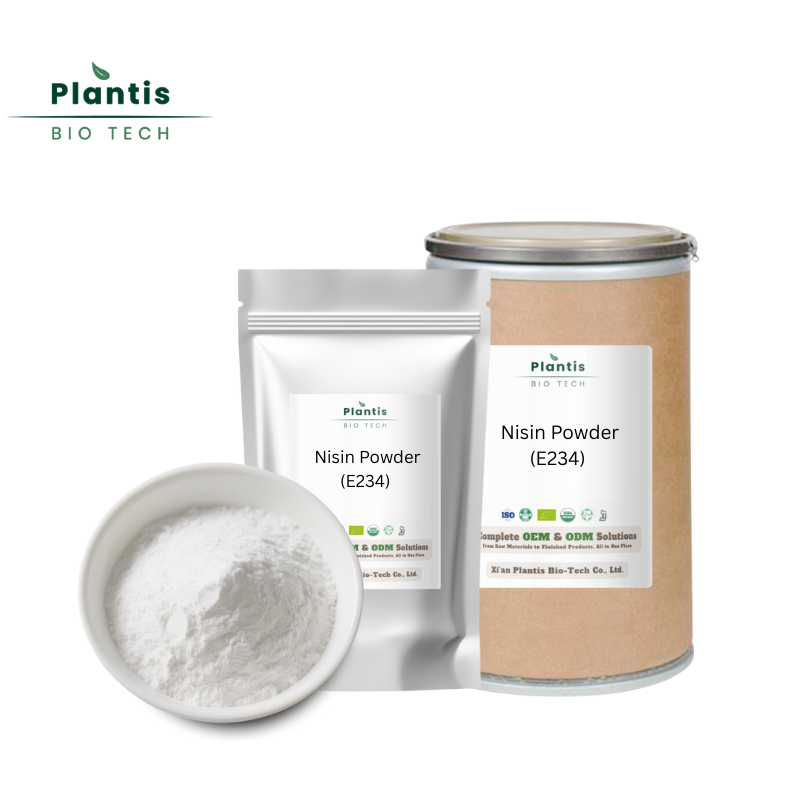
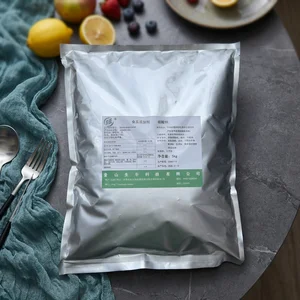
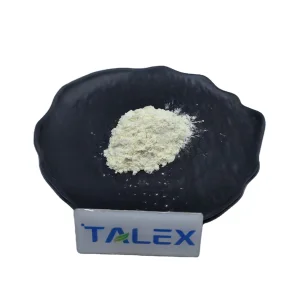
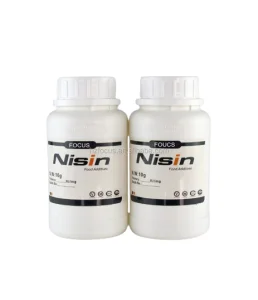
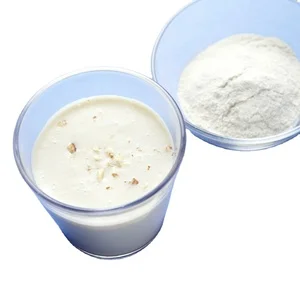
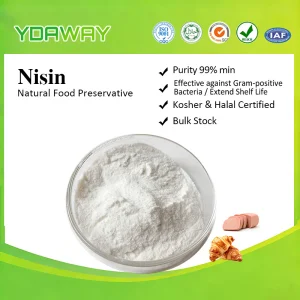
Plantis Food Grade E234 Nisin CAS 1414-45-5 Natural Preservative Powder Creamy White Drum Packaging

Product Description

Nisin Overview Banner

What is Nisin?

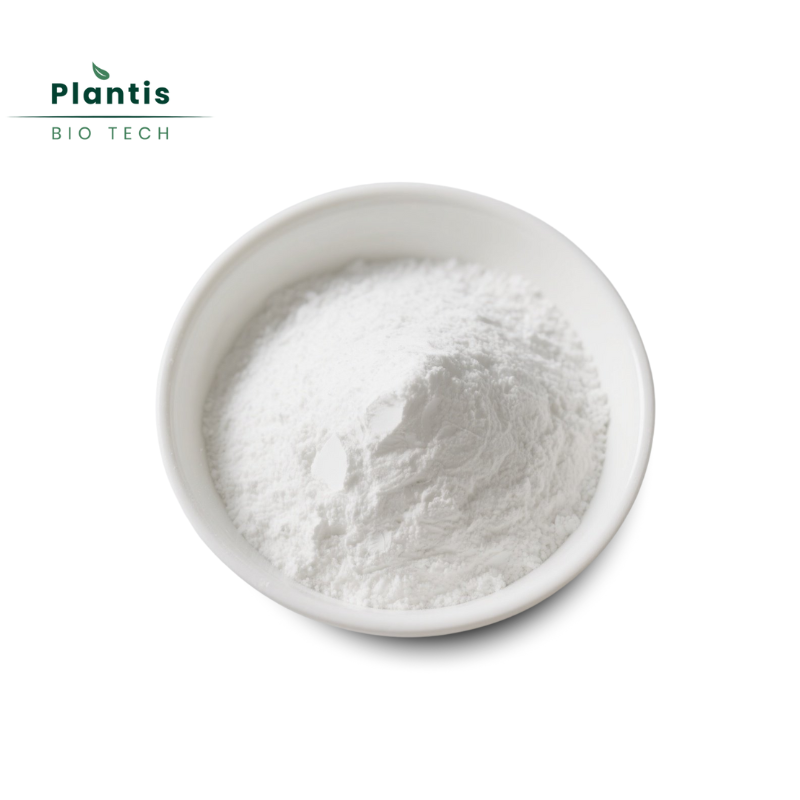
Food Grade Nisin Powder (E234) is a natural antibacterial peptide produced by Lactococcus lactis through fermentation. It is a highly effective, broad-spectrum preservative that inhibits the growth of Gram-positive bacteria and spoilage microorganisms, extending the shelf life of various food products. With excellent safety and stability, this natural preservative is widely used in dairy, meat, beverages, and canned foods.
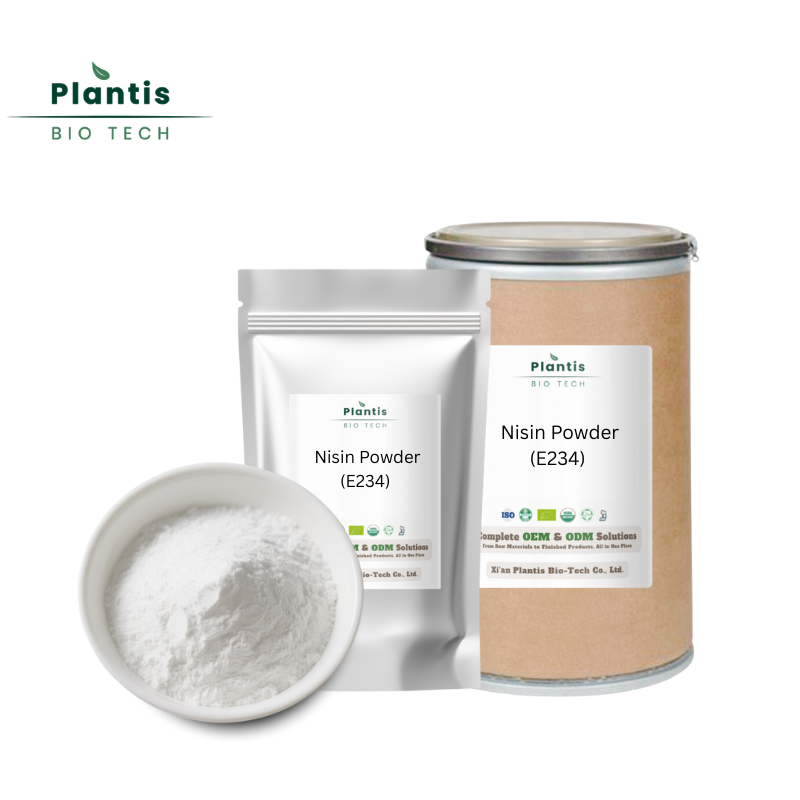

Applications:

  • Dairy Products: Cheese, milk, yogurt preservation
  • Meat & Poultry: Processed meat, sausages, and seafood products
  • Beverages & Canned Foods: Juice, sauces, and ready-to-eat meals
  • Baking & Snacks: Anti-spoilage additive for long-lasting freshness
Food Grade E234 Nisin CAS 1414-45-5 Natural Preservative Powder Creamy White Drum Packaging Divider Product Specifications Sheet Divider Product Characteristics Divider Detailed Application Guidelines Divider Usage and Dosage Standards Divider Quality Control Standards
Divider

What is Semi-Automatic PET Bottle Blowing Machine?

Semi-Automatic PET Bottle Blowing Machine Bottle Making Machine Bottle Moulding Machine PET Bottle Making Machine is suitable for producing PET plastic containers and bottles in all shapes.



Semi-Automatic PET Bottle Blowing Process

Product Gallery & Specifications

Frequently Asked Questions (FAQ)

1. What is Nisin (E234) and what is its primary source?
Nisin is a natural, broad-spectrum antibacterial peptide (bacteriocin) produced by the fermentation of the food-grade bacterium Lactococcus lactis. It is widely used as a highly effective preservative to prevent microbial spoilage in food products.
2. Is Nisin powder safe for health and regulatory approved?
Yes, Food Grade Nisin Powder is entirely safe for human consumption. It is recognized as a GRAS (Generally Recognized as Safe) substance by the US FDA and is approved as a food additive (E234) in the European Union, WHO, and many other global regulatory systems. Upon digestion, it is broken down into standard amino acids.
3. How does Nisin extend the shelf life of food?
Nisin targets Gram-positive spoilage bacteria and pathogens (such as Listeria, Bacillus, and Clostridium species). It binds to the bacterial cell membranes, forming pores that disrupt cell metabolism, leading to cell death and preventing food spoilage.
4. Can Nisin be used in vegan and allergen-free formulations?
Yes, Nisin is a natural peptide derived from fermentation. Depending on the fermentation medium utilized, it can be formulated to meet allergen-free requirements, making it an excellent label-friendly choice for clean-label food preservation.
5. What are the ideal storage conditions for Nisin powder?
To maintain maximum potency, Nisin powder should be stored in a cool, dry place, ideally at temperatures below 20°C, and away from direct sunlight. Ensure the packaging is tightly sealed to protect it from humidity.
6. Does Nisin alter the taste, color, or texture of preserved food?
No. One of the main advantages of using Nisin over traditional chemical preservatives is that it works effectively at low concentrations without changing the organoleptic properties—taste, smell, color, or texture—of the food product.

Related Products