Explore our premium active cultures, organic ingredients, and plant-derived compounds formulated to support food, cosmetic, and agricultural applications.
Analyzing market shifts, microbiological demands, and how biological innovation is reshaping industrial cheese processing.
The global cheese industry is undergoing a significant transition. Historically dominated by traditional, localized fermentation techniques, modern cheesemaking now demands highly standardized, active microbial cultures to ensure batch-to-batch consistency, food safety, and optimized yield. Cheese cultures—primarily consisting of lactic acid bacteria (LAB) such as Lactococcus lactis, Streptococcus thermophilus, and various Lactobacillus species—serve as the foundational engines for acid production, flavor development, and texture crystallization.
Regionally, Europe and North America maintain high demand for classic cheese profiles, while emerging markets in Asia-Pacific, particularly China, are experiencing an exponential increase in cheese consumption. This global growth has triggered an urgent demand for highly active, concentrated starter cultures capable of withstanding industrial scale-up, fluctuating milk quality, and long-distance cold-chain logistics. The modern dairy industry is no longer just looking for generic acidification agents; they require specific, genome-sequenced strains that contribute target organoleptic signatures and satisfy clean-label, bio-preservation requirements.
A professional manufacturer and global supplier specializing in the research, development, and distribution of advanced botanical and biotechnological ingredients.
Located in Shaanxi Province, China—a region renowned for its rich botanical resources and advanced biotechnology industry—Shaanxi Mirae Biology Co., Ltd. combines premium natural ingredients with modern extraction and fermentation technology to provide innovative and reliable solutions for customers worldwide.
With a strong commitment to quality, innovation, and customer satisfaction, we serve clients across the pharmaceutical, nutraceutical, cosmetic, food, and research industries. Our experienced technical team and strict quality control system ensure that every product meets international standards for purity, safety, and consistency. Today, our products are exported to customers in North America, Europe, Southeast Asia, the Middle East, and many other international markets, earning a reputation for dependable quality and professional service.
Professional manufacturer with years of industry experience, specializing in advanced extraction and high-activity microbial strain production.
Complete testing procedures and multi-stage microbial safety validation ensure absolute purity, activity, and international compliance.
Stable manufacturing capacity with competitive pricing, fast global delivery routes, and custom packaging support (OEM & ODM).
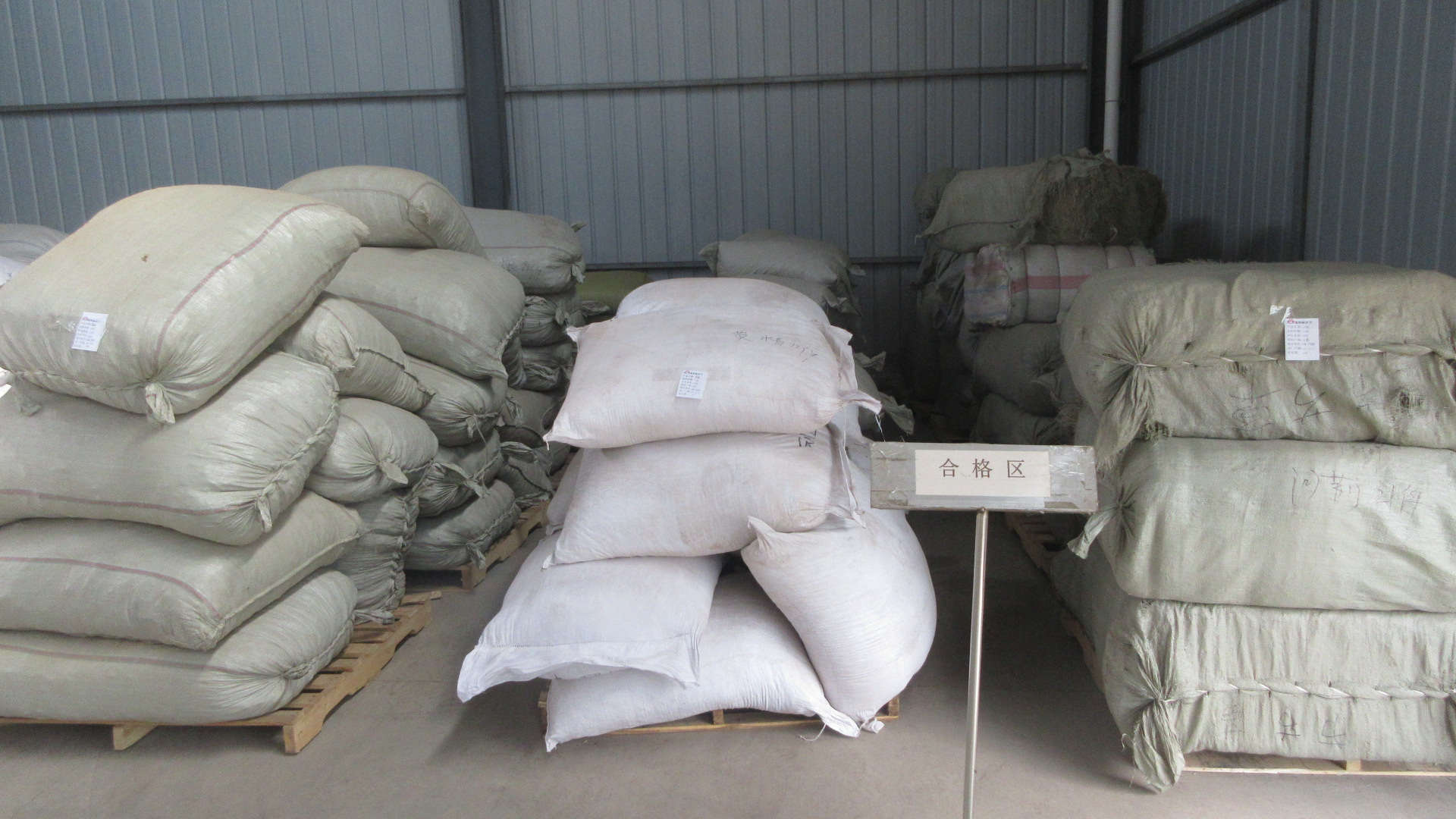
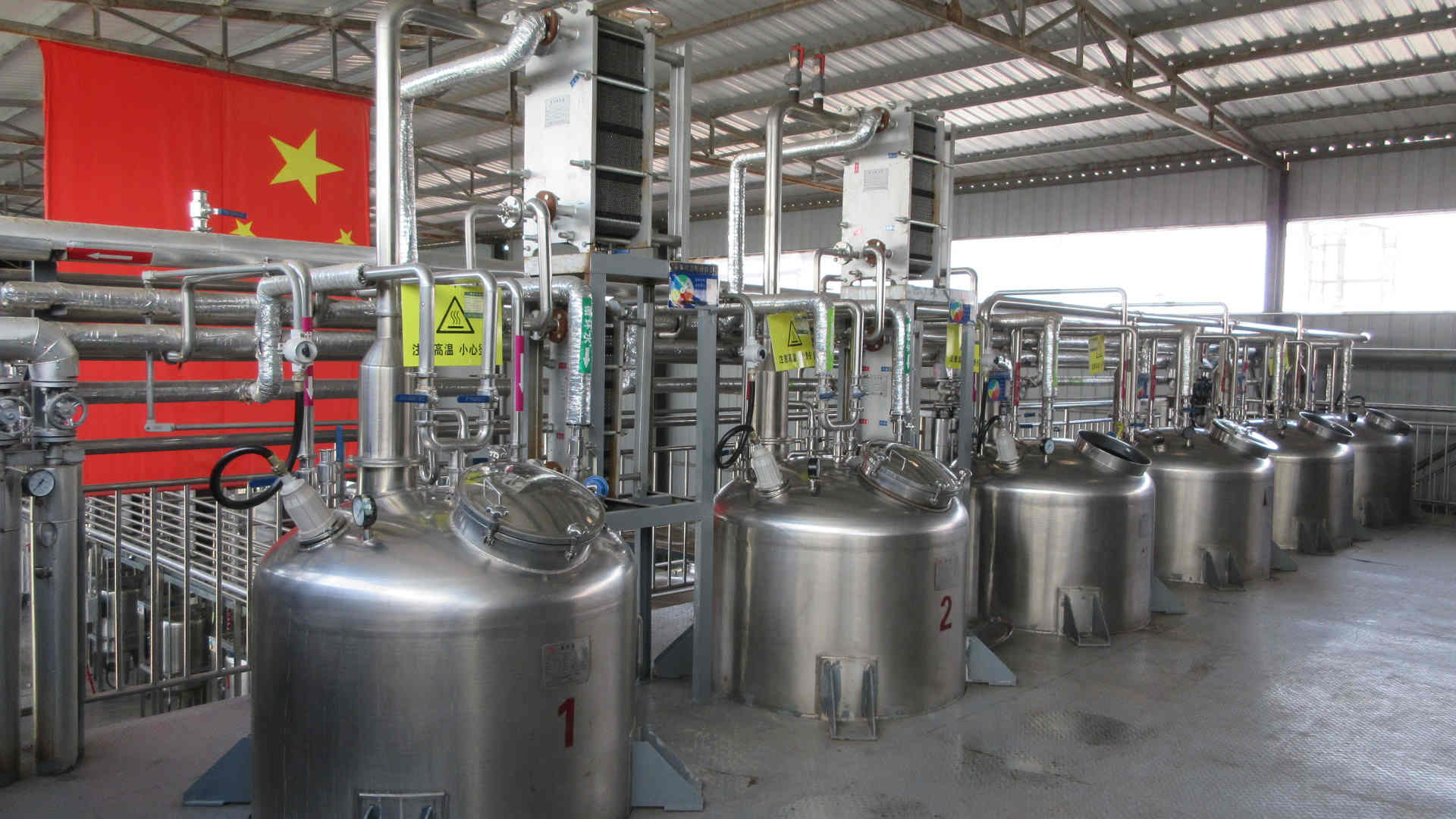
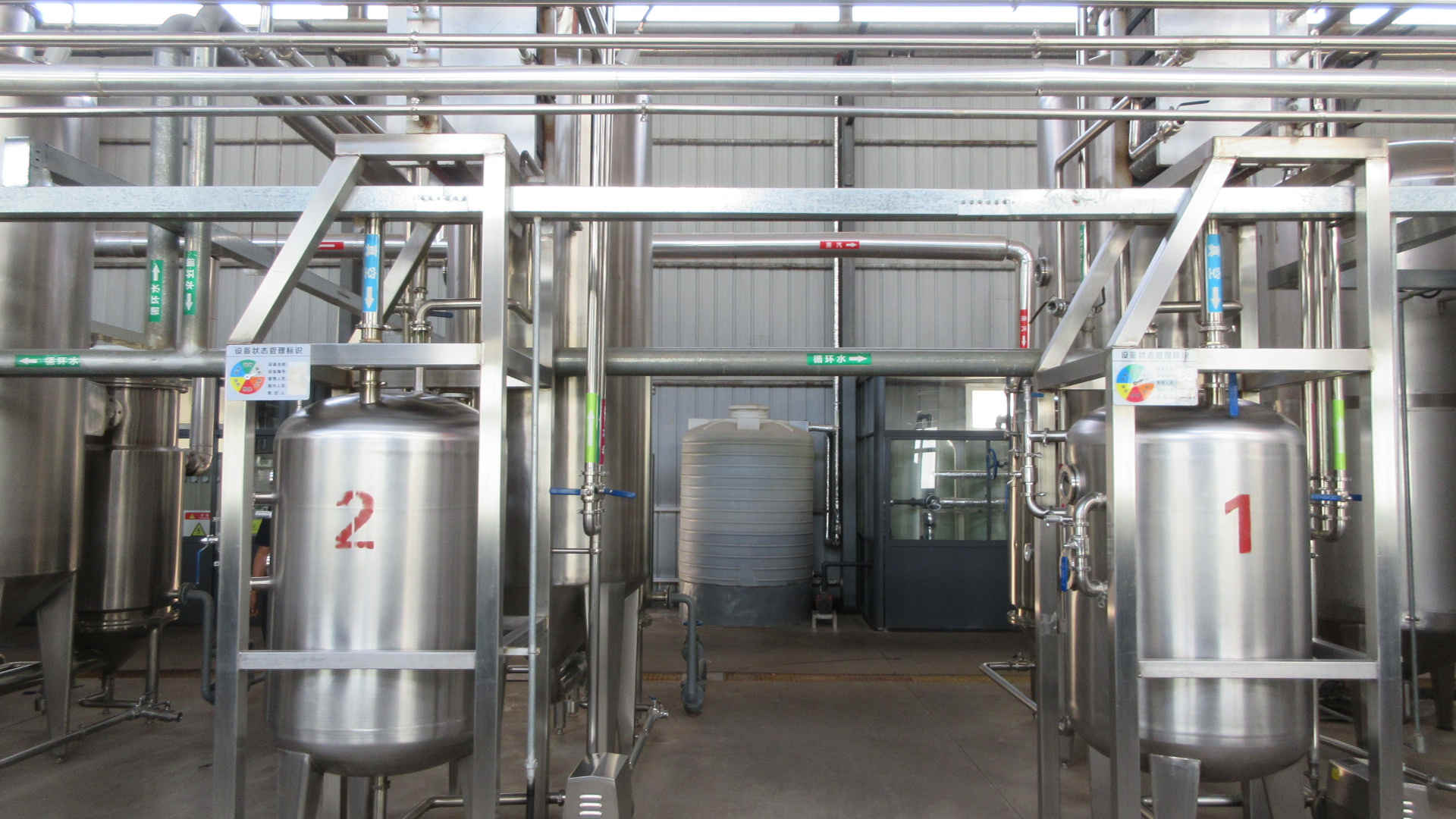
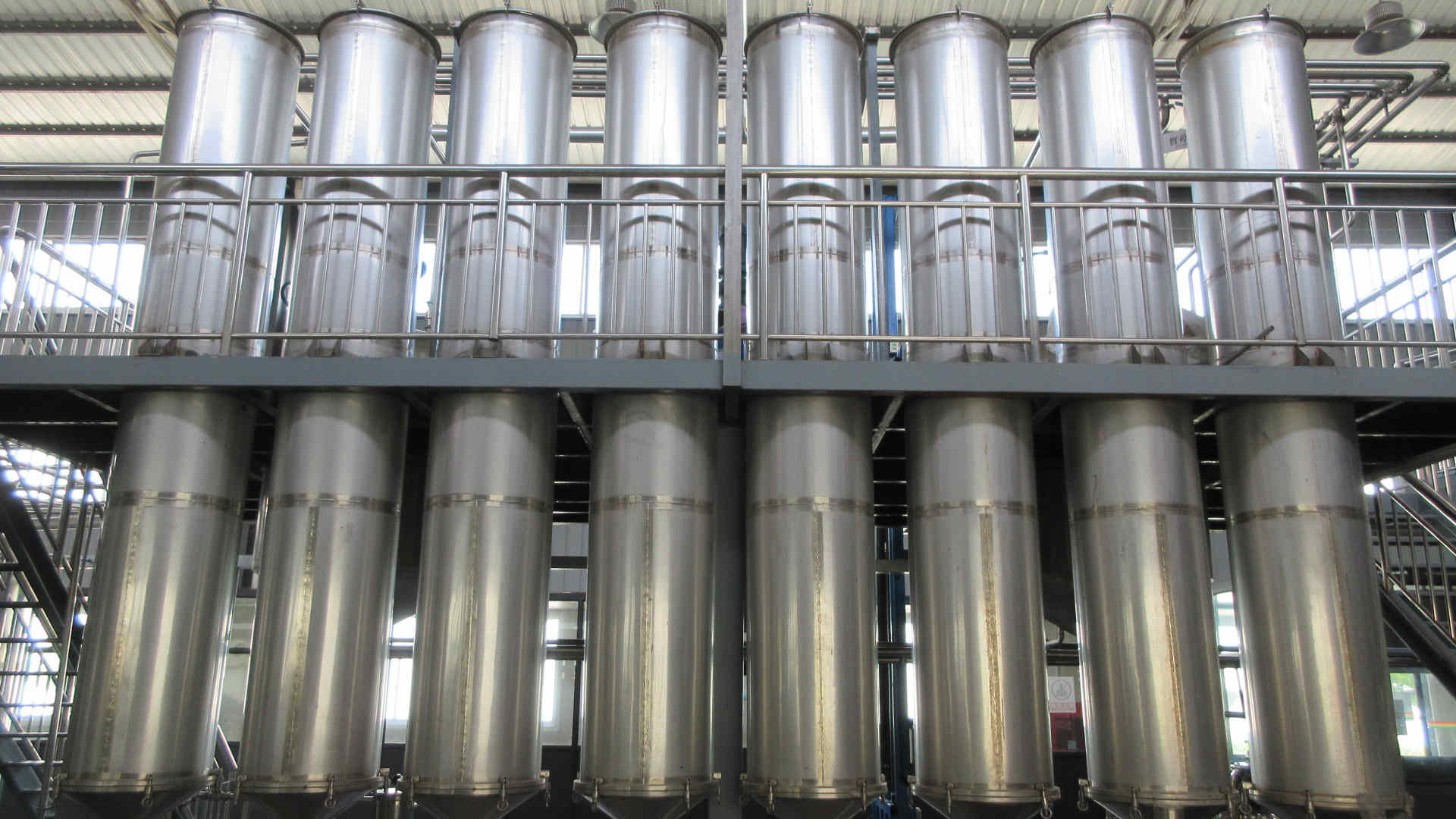
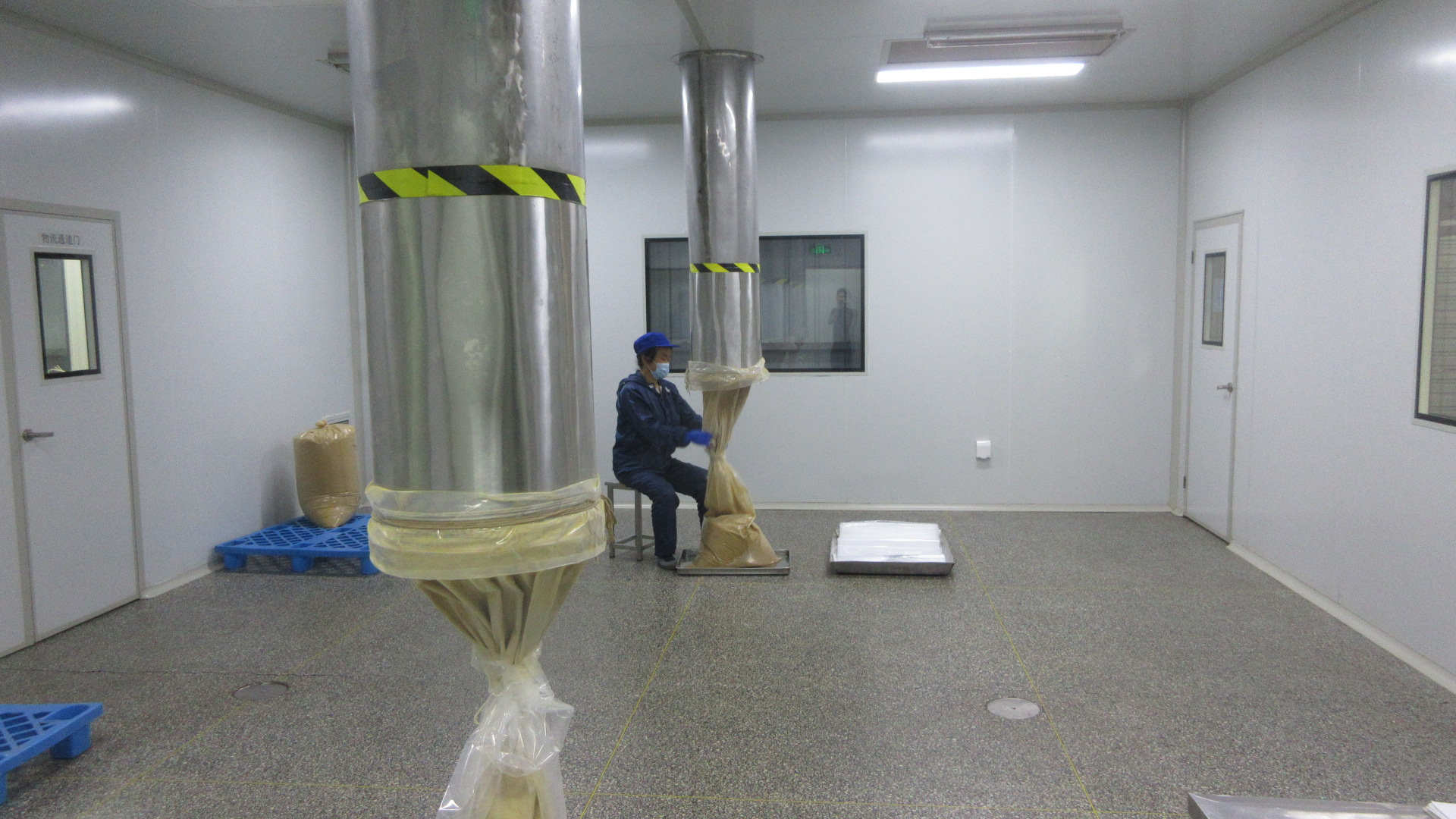
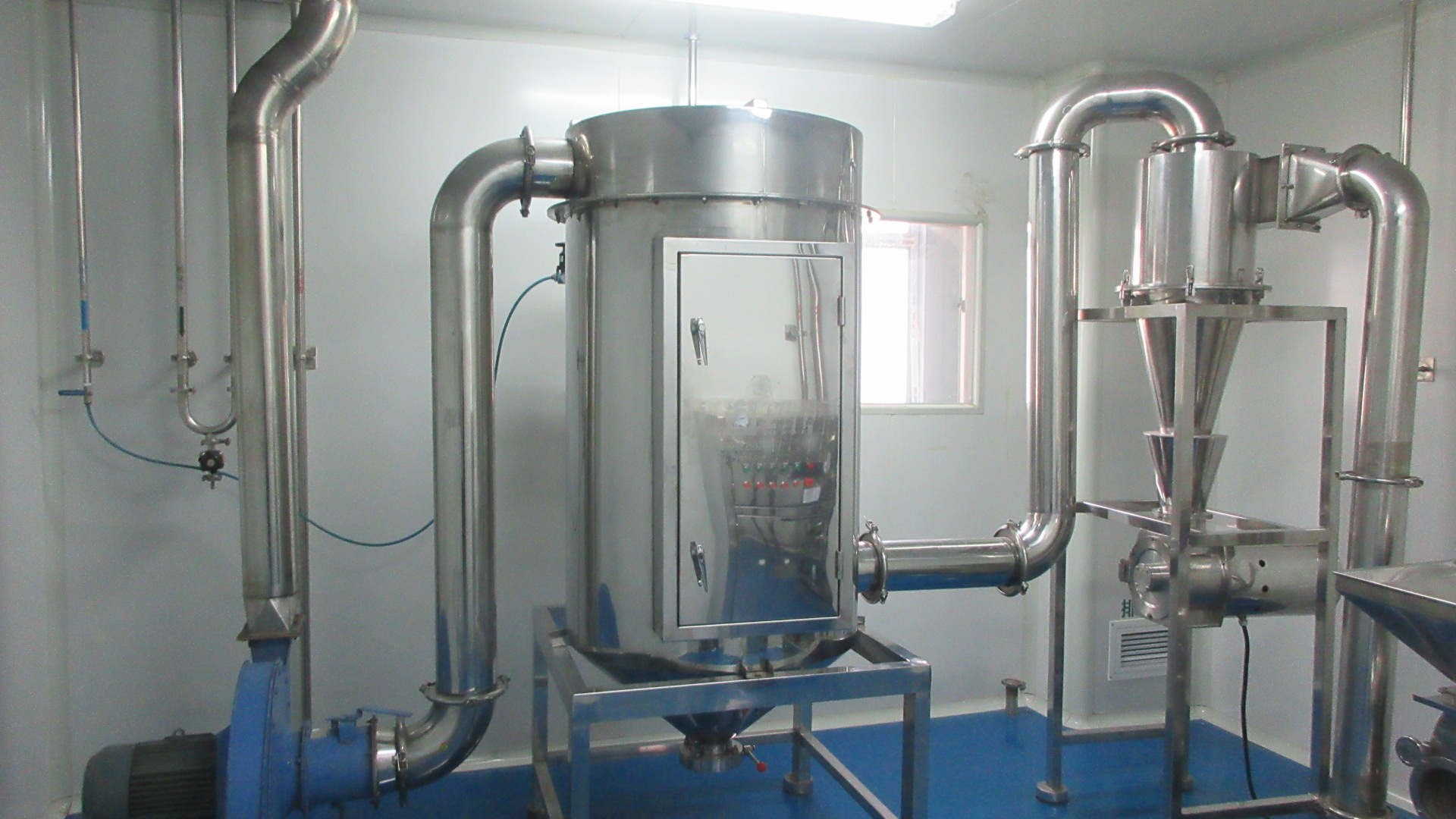
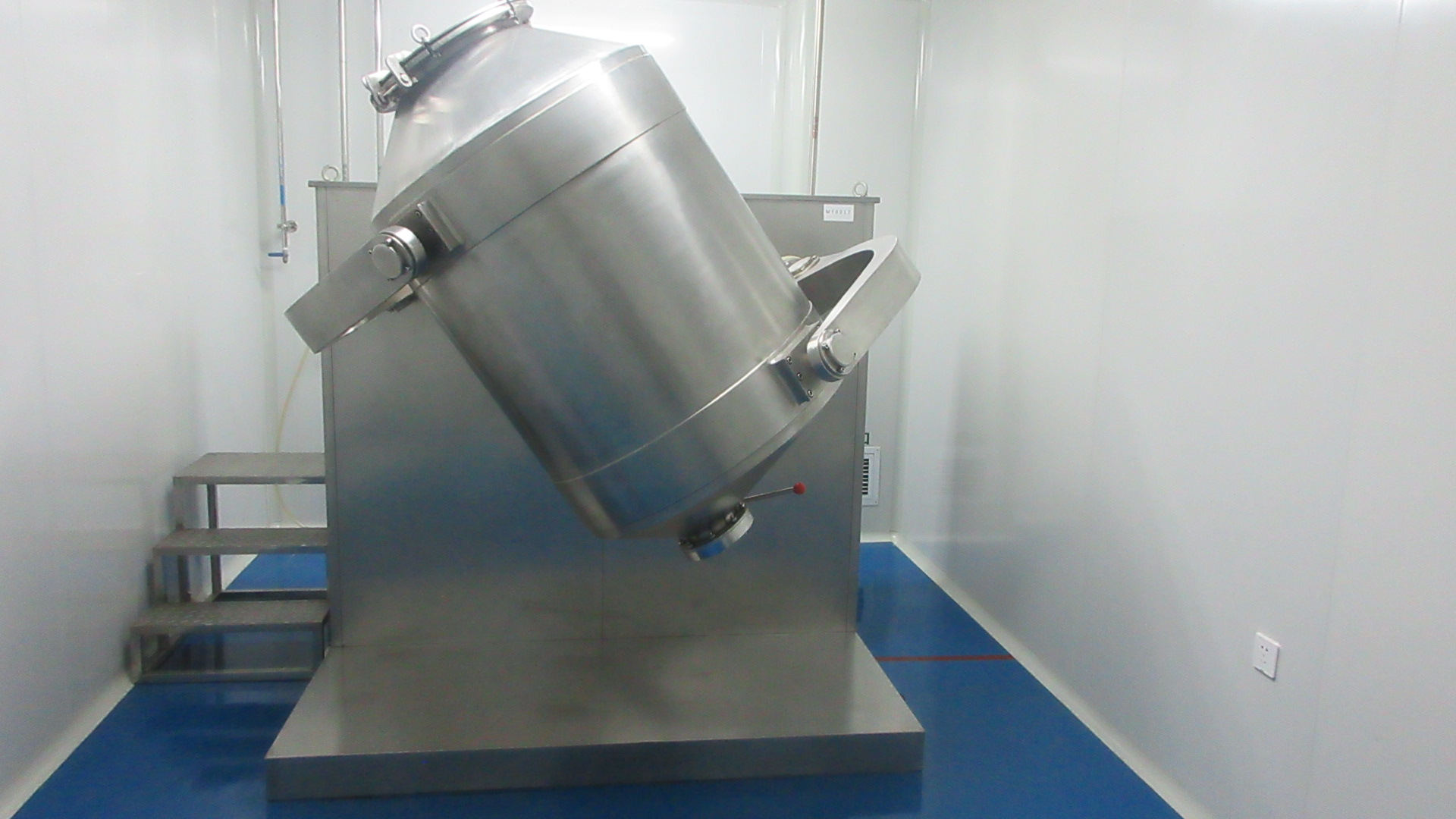
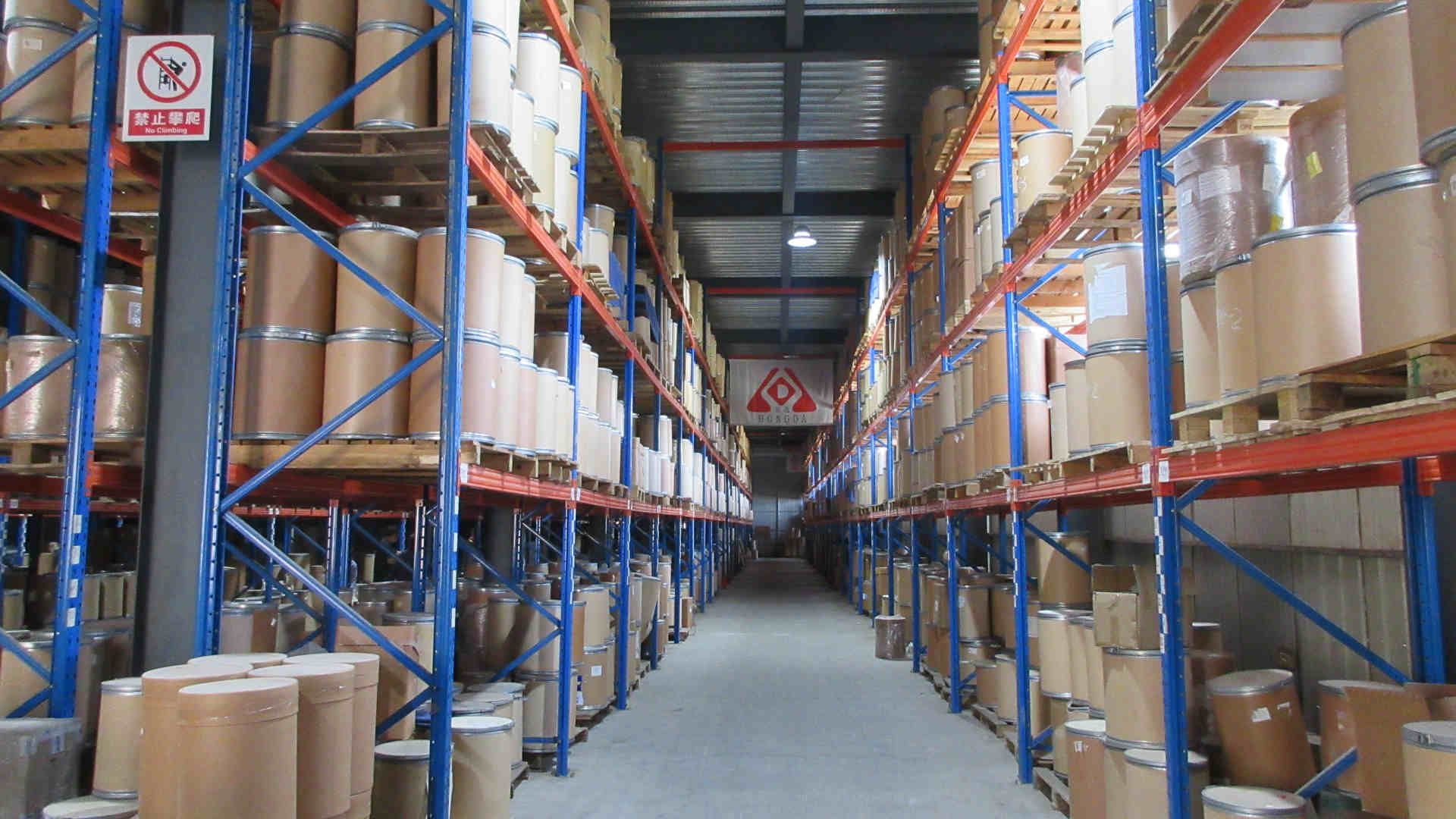
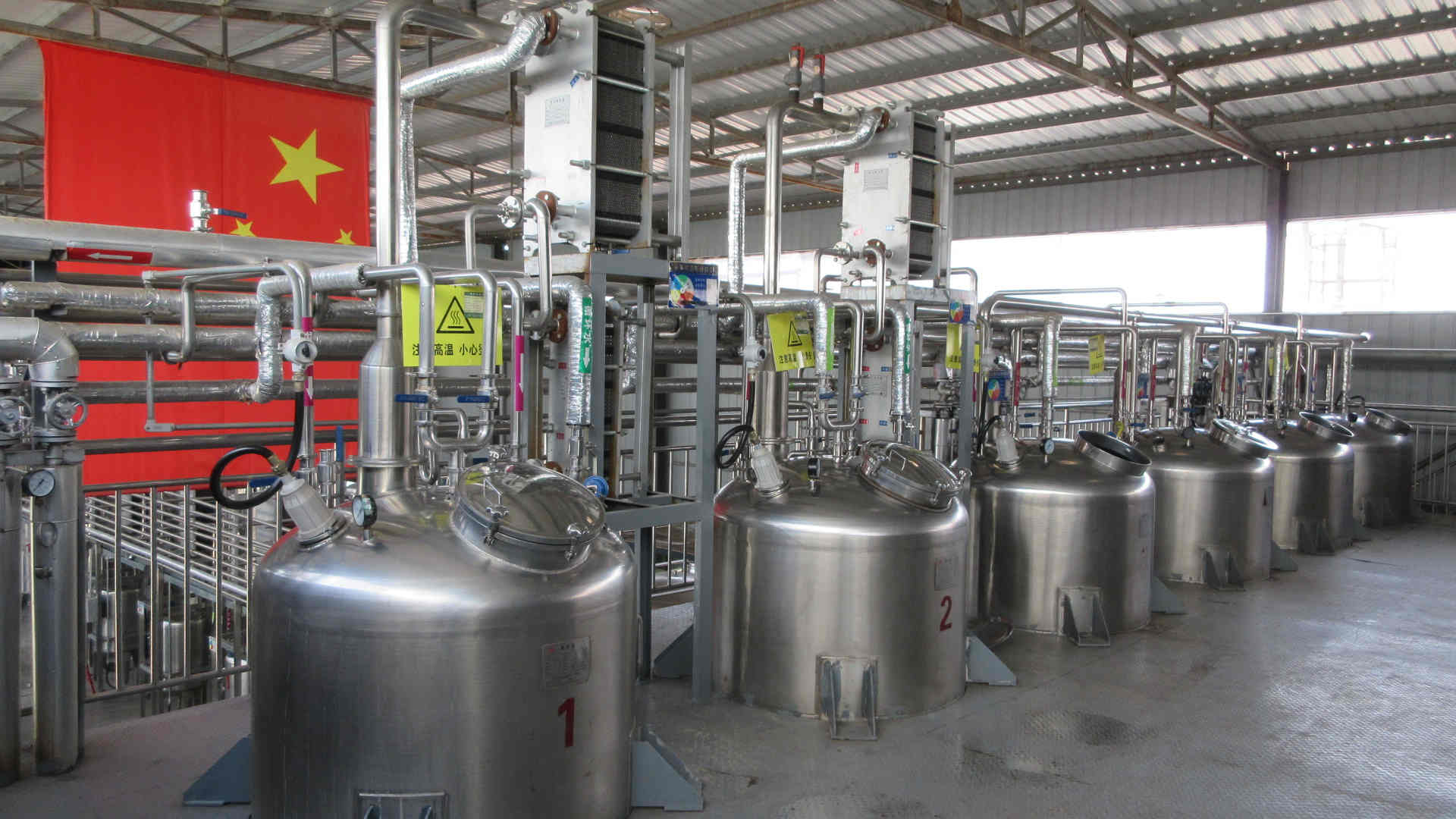
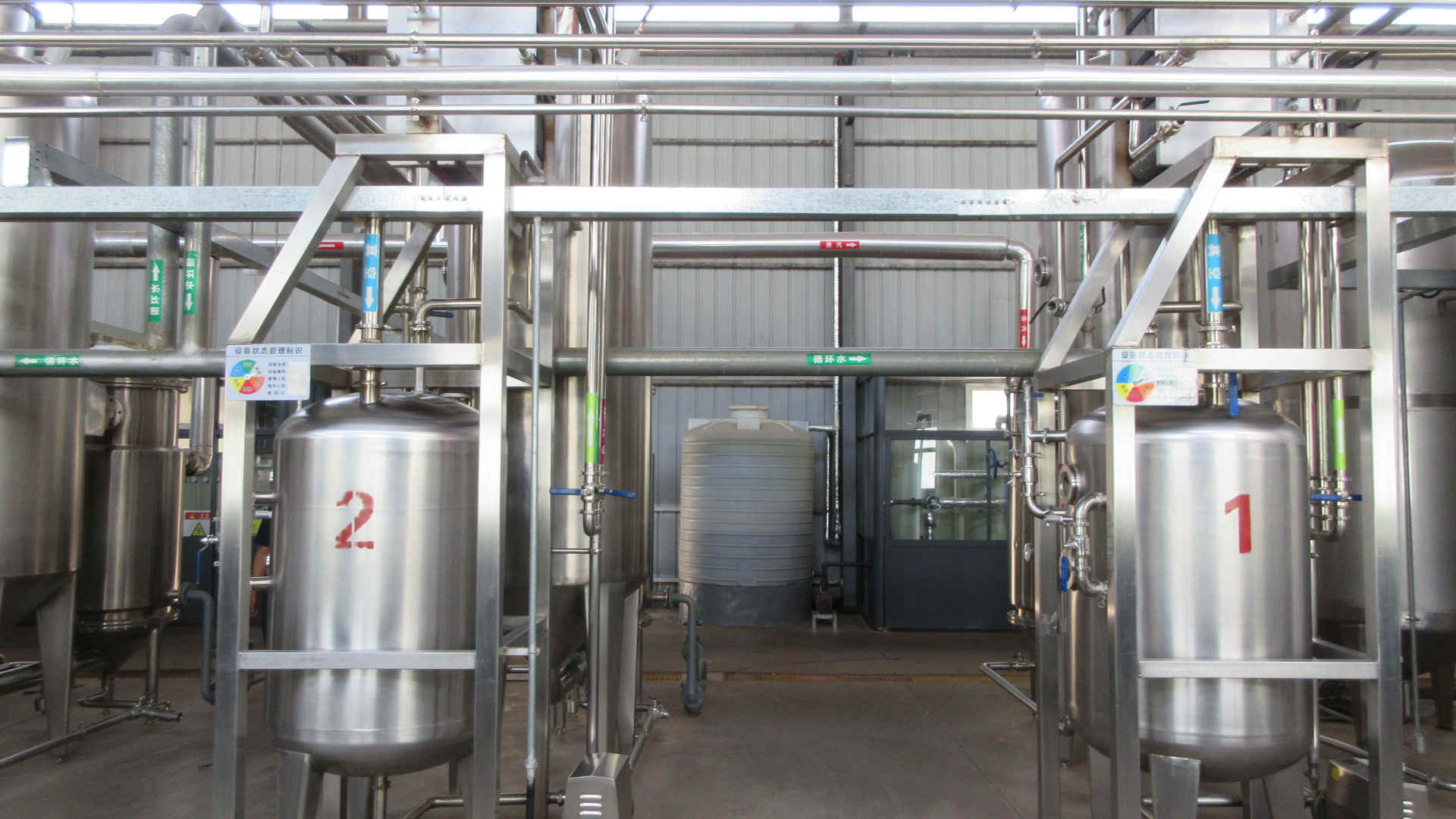
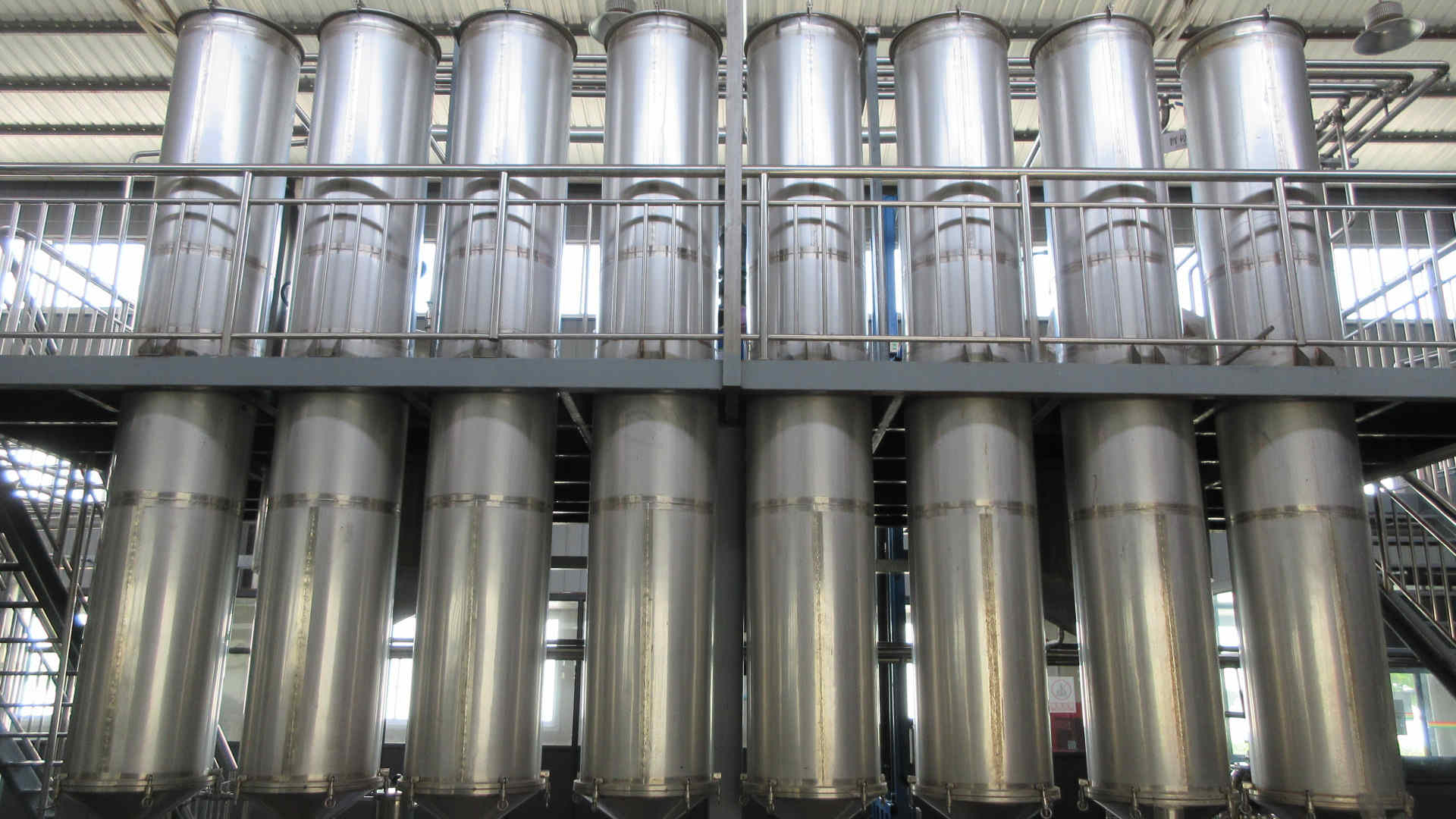
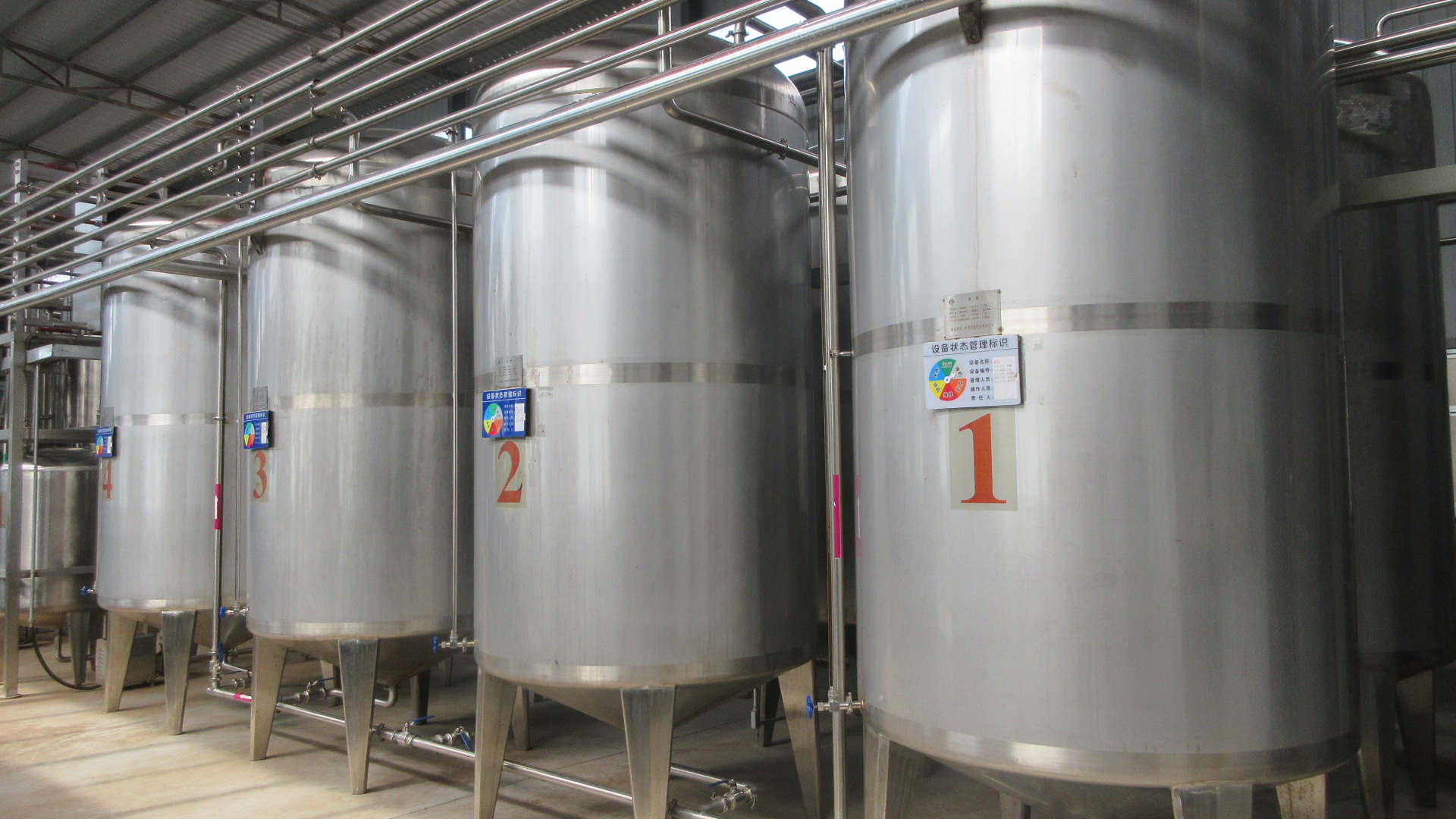
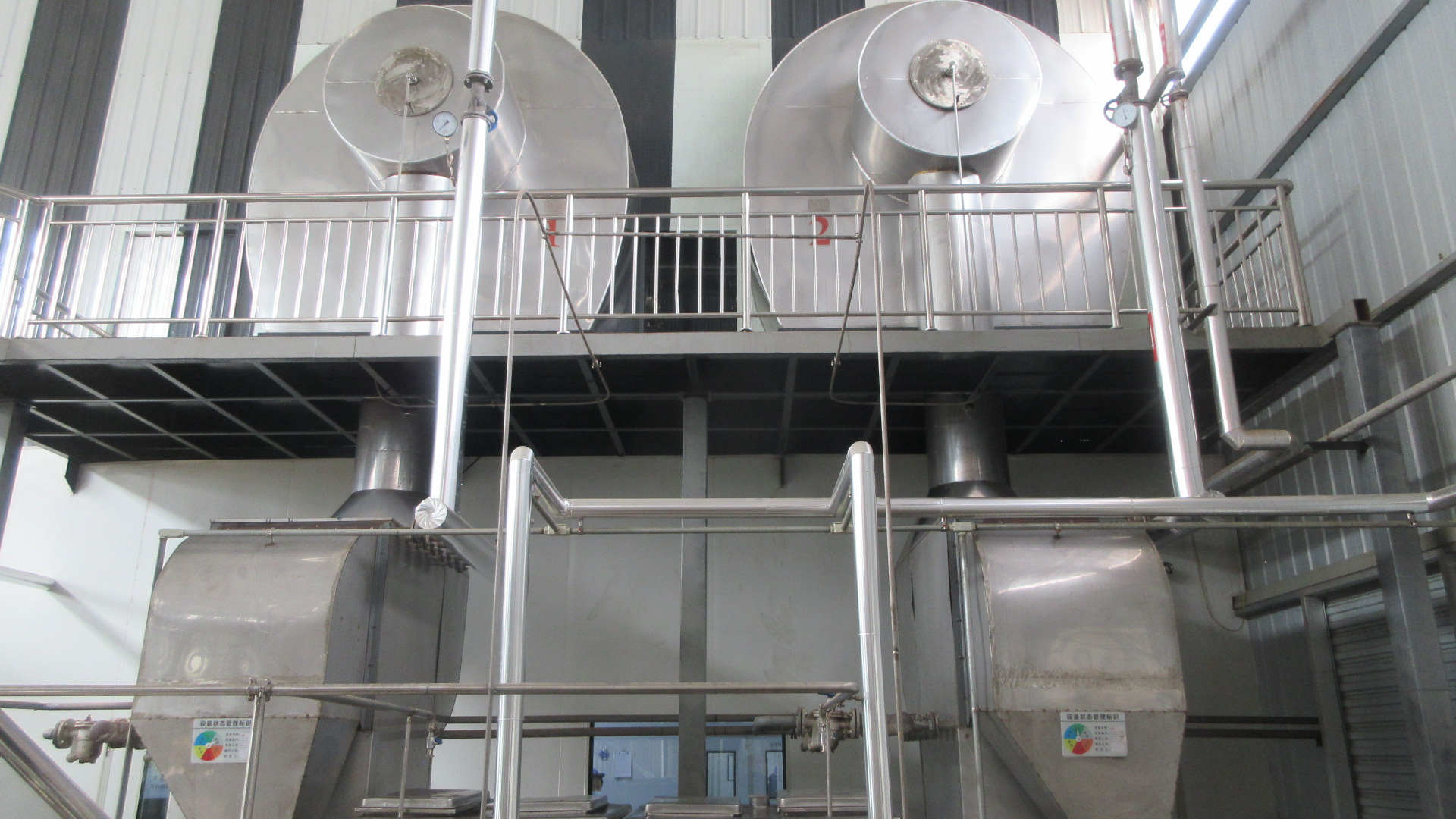
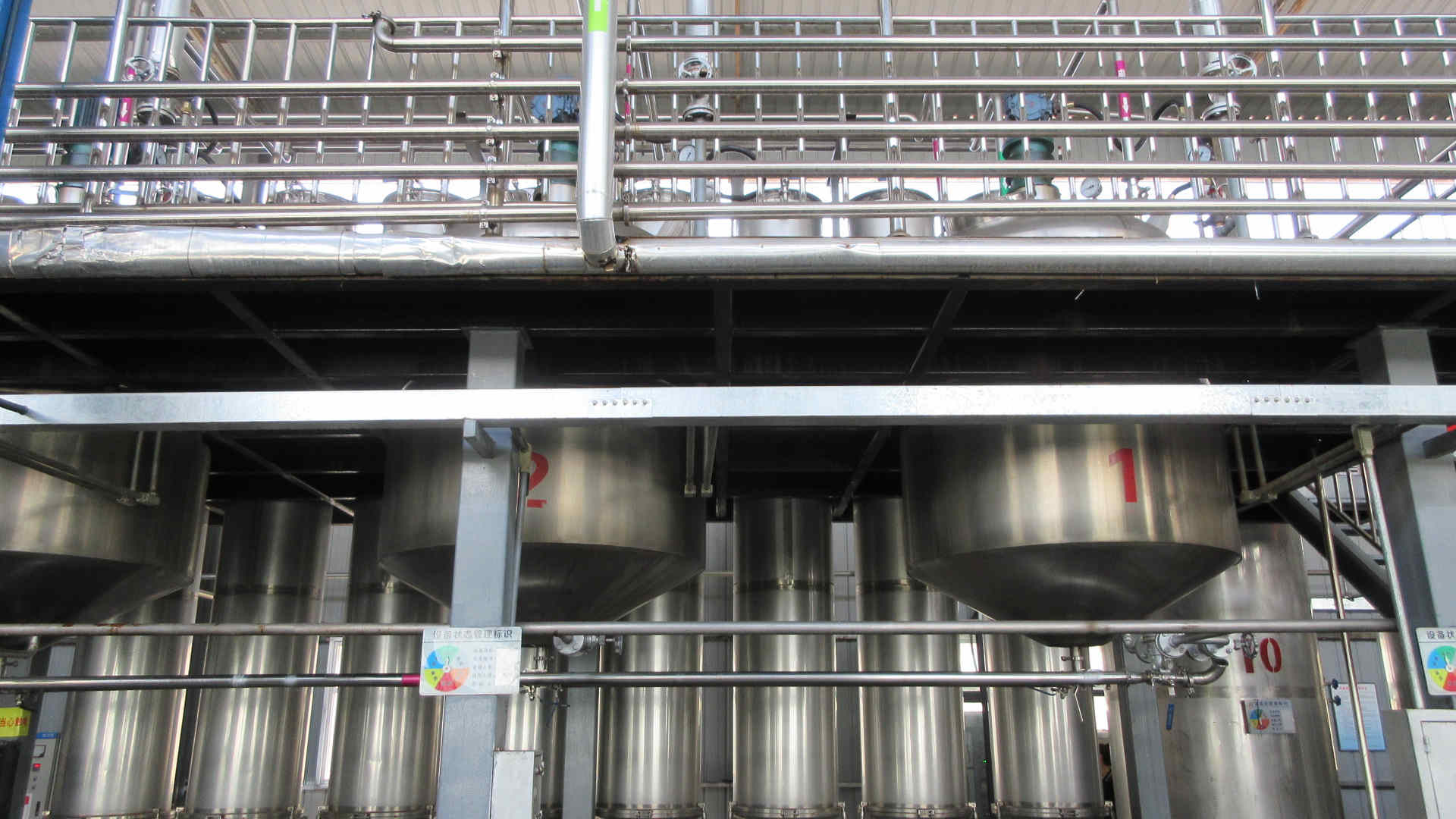
A closer look at how Shaanxi Mirae Biology integrates raw materials, state-of-the-art concentration, drying, and mixing equipment to deliver high-performance compounds.
Producing highly active starter cultures and premium biological ingredients requires absolute control over environmental variables. Our facilities leverage closed-loop fermentation systems, advanced low-temperature vacuum concentration, and aseptic spray-drying towers. This technical setup prevents cellular wall damage in live bacteria (such as Streptococcus thermophilus) and ensures the bio-activity of plant extracts and organic additives is fully preserved.
How tailor-made acidification profiles and biological cultures resolve regional milk-profile limitations and consumer preferences.
In Mediterranean and Western industrial processing, cheesemakers require rapid acidification profiles to achieve optimal stretching properties during the curd-stretching phase. Our high-performance thermophilic cultures, containing selected Streptococcus thermophilus strains, perform reliably under high-temperature cooking conditions. This ensures consistent calcium depletion from the casein micelle, resulting in perfect melt, stretch, and minimal browning when baked on industrial pizzas.
For Cheddar production in North America and Oceania, moisture control and precise lactic acid production curves are vital. Mesophilic culture blends (such as Lactococcus lactis subsp. lactis and subsp. cremoris) are formulated to drive phage-resistant fermentation. These strains rapidly lower the pH during pressing and cheddaring, preventing the proliferation of undesirable gas-producing microflora and ensuring a smooth, firm curd structure.
As sustainability trends scale worldwide, plant-based proteins (such as soy, almond, and cashew milks) require dedicated fermentation pathways. Because plant proteins lack lactose, our custom starter culture lines are adapted to ferment simple sugars added to plant bases. This mimics the classic lactic acid taste profile, improves proteins' gelling capacities, and masks the raw, "beany" off-notes of plant proteins using natural enzymatic transformations.
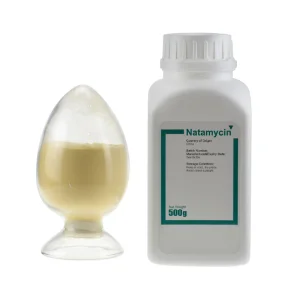
In warm, humid climates across Latin America and Southeast Asia, shelf-life extension is critical. Utilizing protective cultures that produce bacteriocins, combined with natural antifungal agents like Natamycin, helps manufacturers protect cheese surfaces from mold and yeast spoilage. This bio-preservative strategy maintains cheese freshness during storage and distribution without relying on chemical additives.
Our long-term R&D vision for strain modification, cryoprotection, and clean-label bio-preservation.
The future of cheese starter cultures lies in genetic robustness and functional customization. Shaanxi Mirae Biology is focusing its research on three primary technological pillars designed to future-proof dairy fermentation:
Bacteriophage infection is the leading cause of fermentation failures in dairy plants, costing millions in lost milk and down-time. Our scientific roadmap prioritizes the mapping of CRISPR-Cas systems in wild-type Streptococcus thermophilus and Lactococcus lactis strains. By selecting strains with natural, robust spacer sequences that target local phage populations, we supply cultures with built-in defenses against viral disruption.
To deliver DVS cultures globally without compromising cell viability, we are optimizing cryoprotectant formulations. Integrating natural disaccharides and plant-derived peptide matrices protects cell membranes during freeze-drying. This achieves an outstanding recovery rate, ensuring live cell concentrations exceed 2.0 × 10¹¹ CFU/g upon reconstitution.
Leveraging scale, advanced logistics, and rigorous international quality standards for dependable global delivery.
China's industrial manufacturing ecosystem offers unmatched advantages in raw material sourcing, upstream chemical synthesis, and downstream processing scalability. Located at the geographic heart of China's biotech corridor, Shaanxi Mirae Biology exploits these structural efficiencies to deliver cost-effective, premium-grade ingredients to the global market.
Supply Chain Security: By securing long-term contracts with regional raw material producers and maintaining an extensive, state-of-the-art strain library, we insulate global buyers from price shocks and volume shortages. Our facility operates continuous production schedules, allowing us to ramp up output rapidly to meet seasonal dairy surges in both hemispheres.
Logistical Infrastructure: Through partnerships with leading cold-chain carriers and strategic shipping depots near major ports, we ensure sensitive culture shipments are maintained under strict temperature controls (-20°C to -40°C) from the factory floor to the customer's warehouse.
Regulatory Compliance and Certification: Every batch of food-grade cultures, preservatives (e.g., Natamycin), and amino acids manufactured in our facility undergoes rigorous verification. We comply with international standards, securing critical certifications including ISO 9001, FSSC 22000, Kosher, and Halal, ensuring seamless customs clearance and formulation approval in regulatory zones worldwide.
Addressing the core technical, biochemical, and logistical questions of commercial dairy processors and product developers.
Complete your production processes with our industrial-grade antioxidants, natural pigments, amino acids, and high-purity biological preservatives.
 Mirae Biology