Discover our highly sought-after biological intermediates, anti-aging compounds, and preservation solutions manufactured under strict GMP compliance.
![2-(Hydroxymethyl)-2-[[(1-Oxooctadecyl)oxy]Methyl]Propane-1,3-Diyl Distearate](https://site.cdnfile.io/59fd9ba165bfe2a1e7ea215c17bd6179300_300.webp)


The contemporary personal care industry is undergoing an unprecedented transition driven by green chemistry, clinical efficacy, and clean label transparency. As cosmetic regulatory landscapes such as the FDA's MoCRA in the United States and CSAR in China become increasingly stringent, global formulators are restructuring their supply chains. The demand has shifted fundamentally from basic chemical intermediates to scientifically validated bio-actives and high-purity biological extracts.
Shaanxi Mirae Biology Co., Ltd. stands at the forefront of this industrial transformation. Operating from Shaanxi Province, China—a geographical epicenter recognized globally for rich botanical reserves and pioneering biotechnology research—we bridge the gap between pure nature and clinical science. By integrating supercritical CO₂ extraction, enzymatic synthesis, and recombinant protein engineering, we supply Tier-1 cosmetic brands and chemical distributors with raw materials that exhibit exceptional bio-availability, skin compatibility, and long-term stability.
Modern consumers demand active ingredients that yield visible, scientifically proven results. For instance, the skin's cellular matrix requires structural components like Recombinant Human Collagen Type III to counteract chronological aging. Concurrently, natural antimicrobials such as Nisin and organic complexes like Geogard 221 have replaced traditional parabens to satisfy the "clean beauty" standard. Navigating this regulatory and formulation matrix requires an ingredient supplier that offers not just products, but verified scientific dossiers, continuous supply capacity, and complete regulatory compliance.
Why leading global cosmetic companies partner with Shaanxi Mirae Biology for their formulation pipelines.
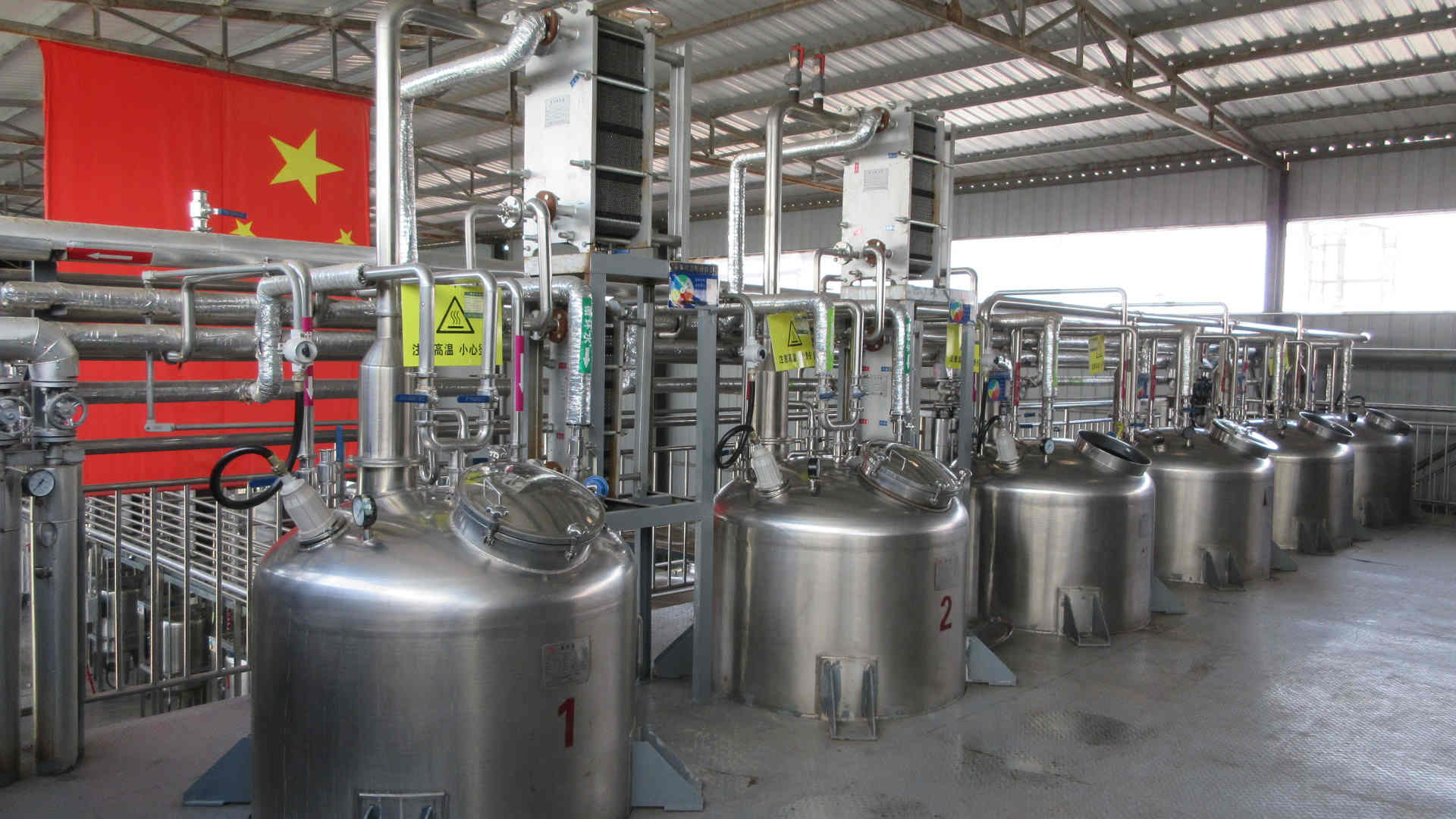
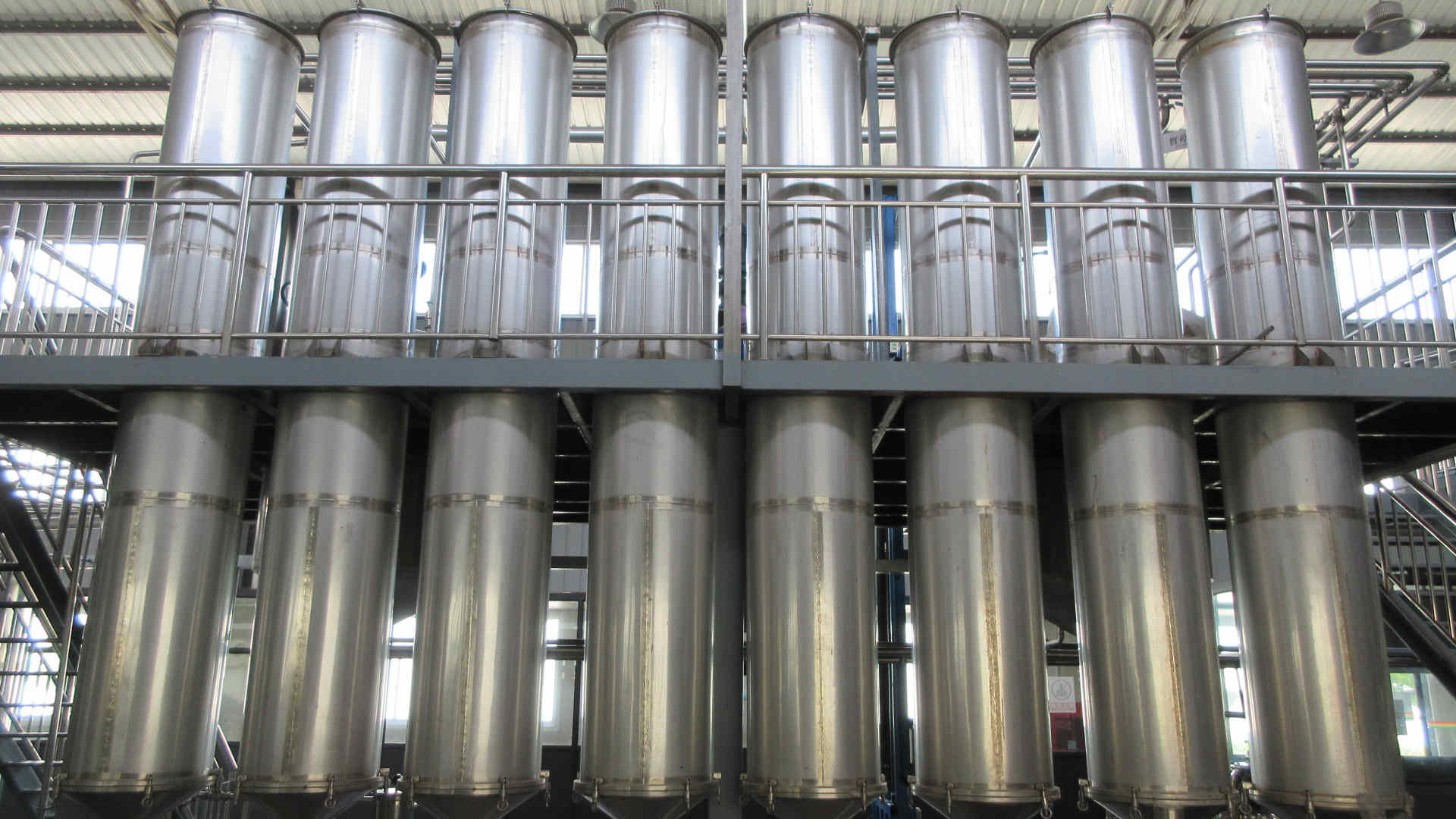
Utilizing state-of-the-art low-temperature concentration and spray drying facilities to preserve the native structure and biological efficacy of fragile botanical molecules and plant proteins.
Every single batch undergoes high-performance liquid chromatography (HPLC), heavy metal assays, and microbiological analysis, accompanied by comprehensive COA and MSDS documentation.
Providing extensive localized regulatory assistance, including compliance verification for EU REACH, FDA MoCRA, and specialized organic/vegan certification guidelines.
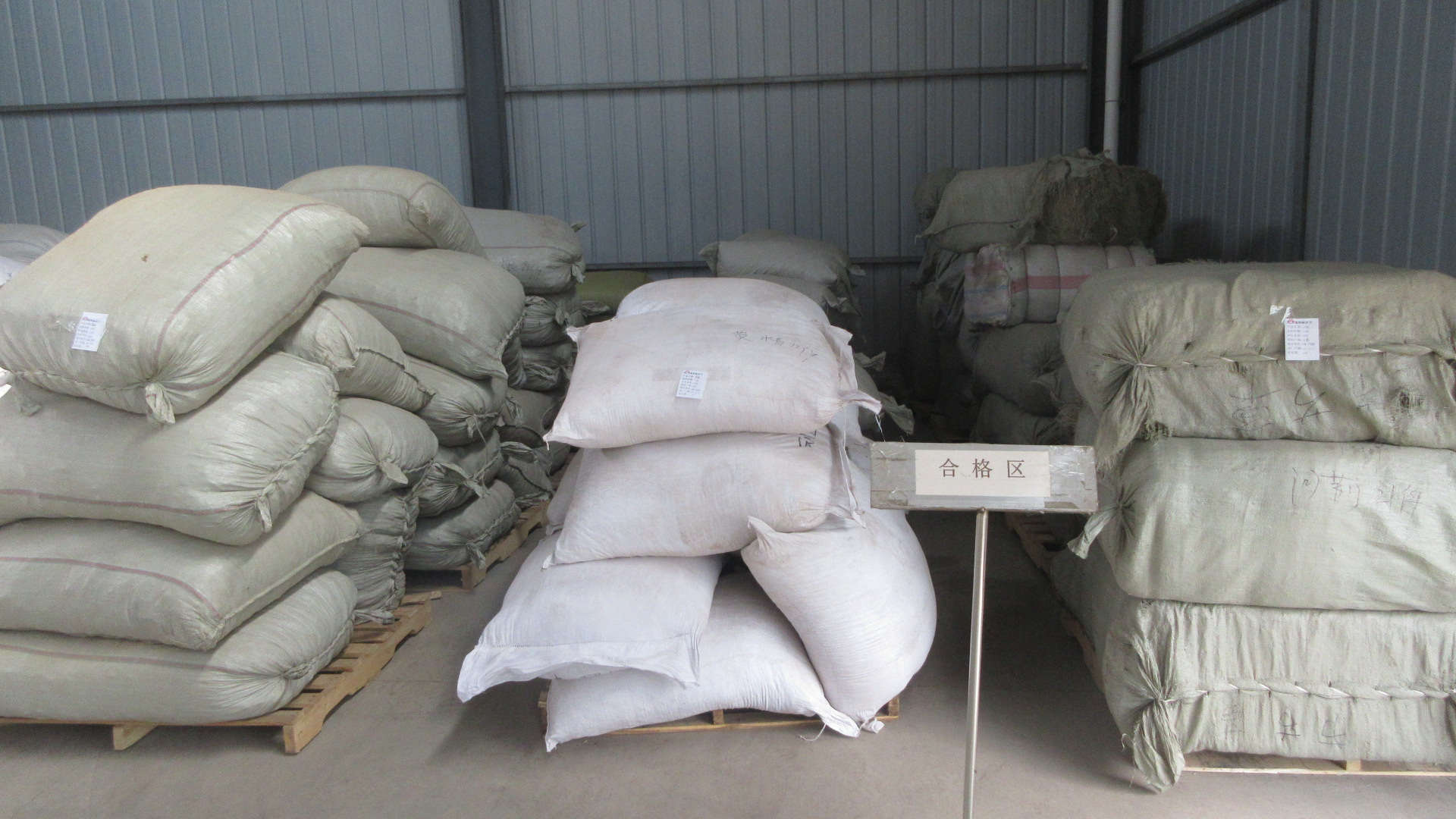
Explore our state-of-the-art biological manufacturing facility and extraction processing lines.

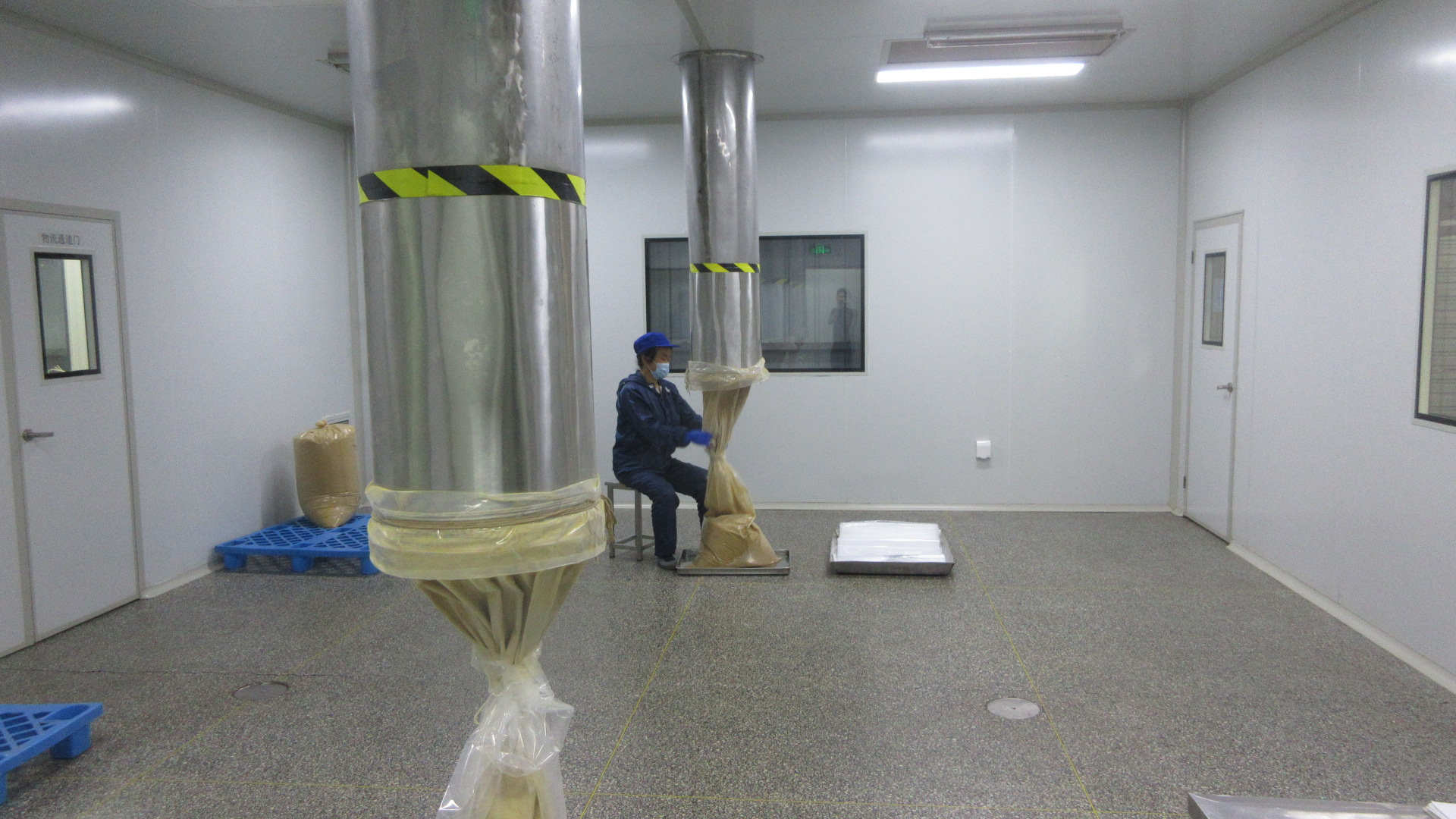
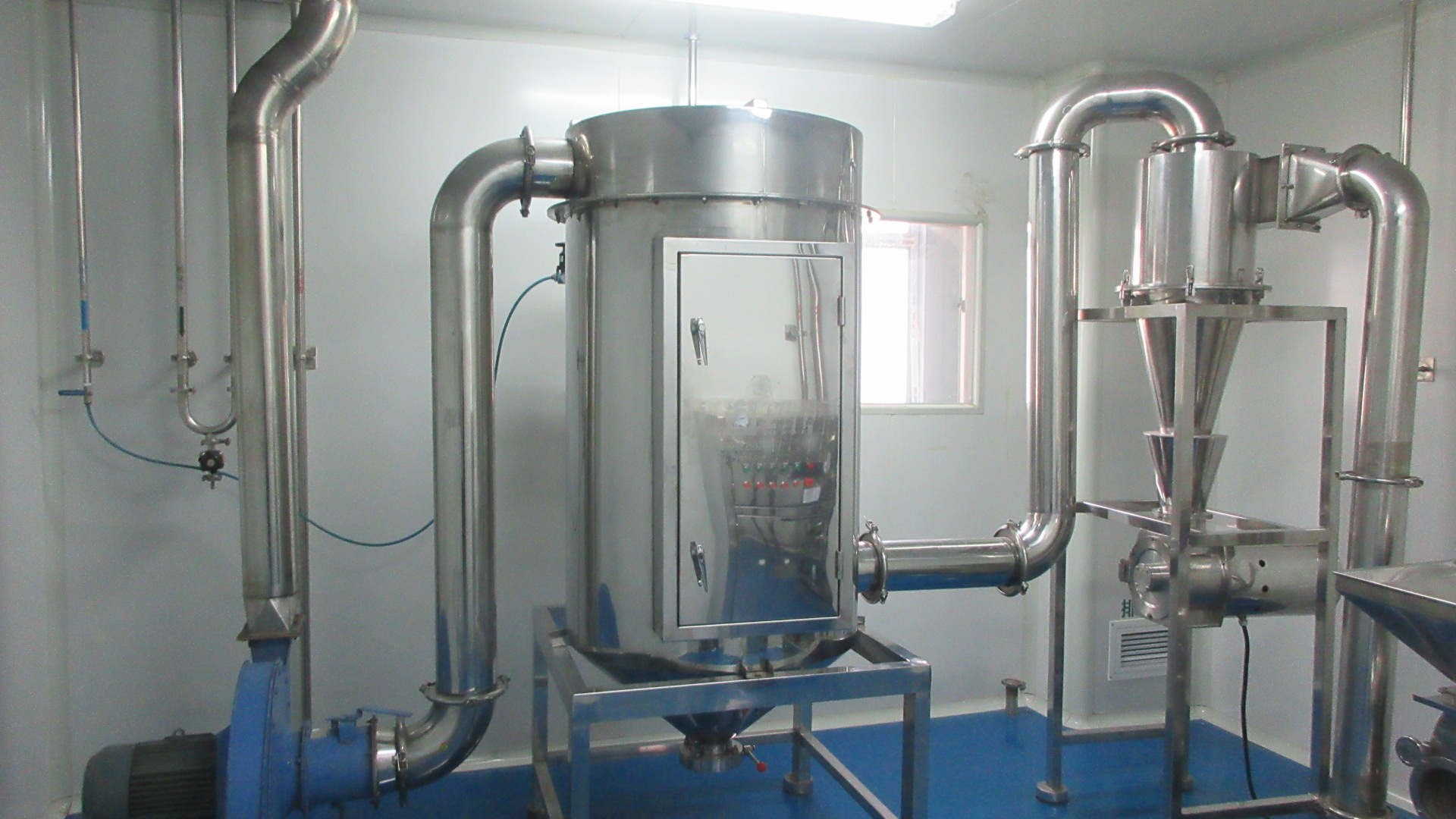
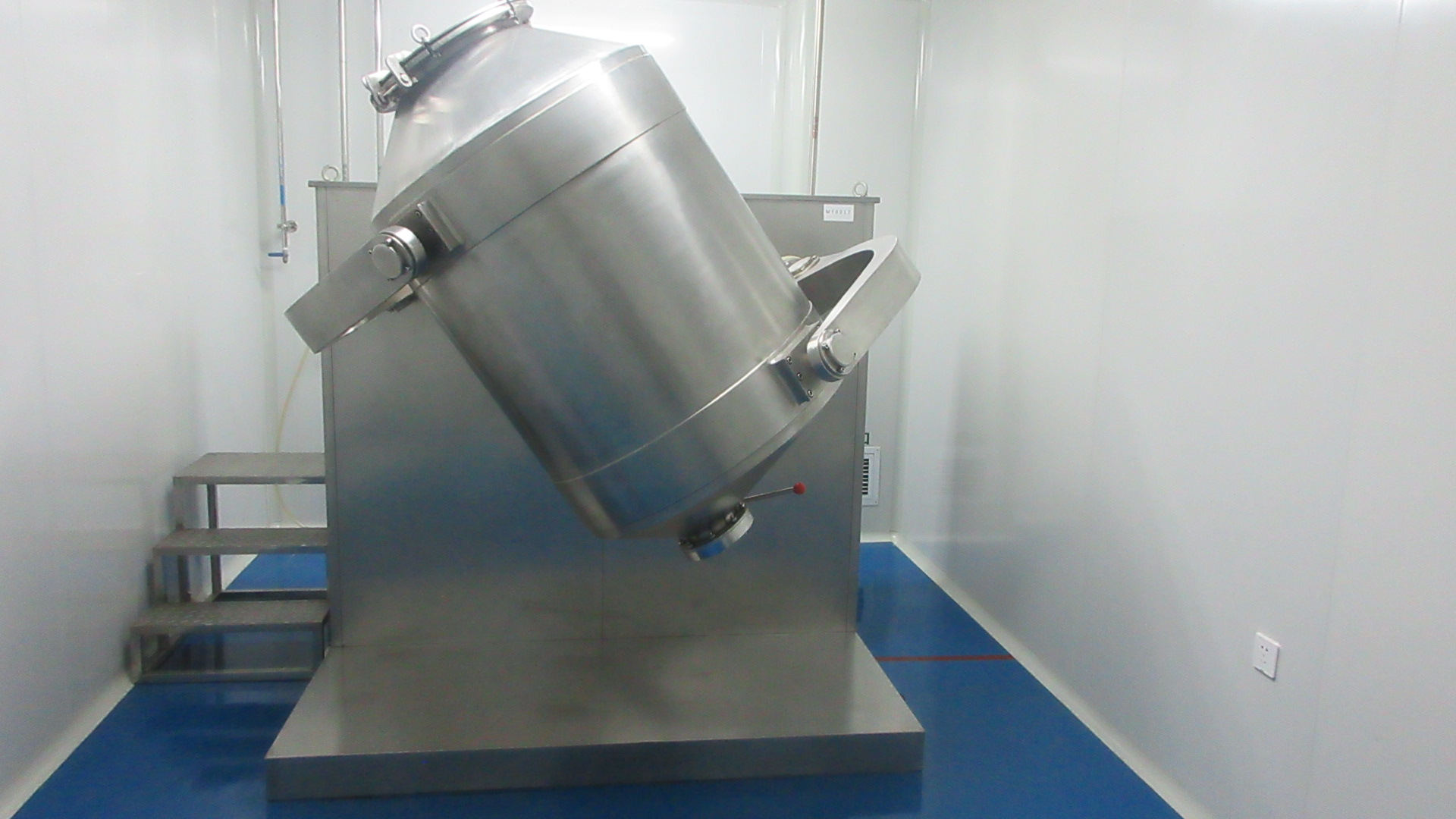

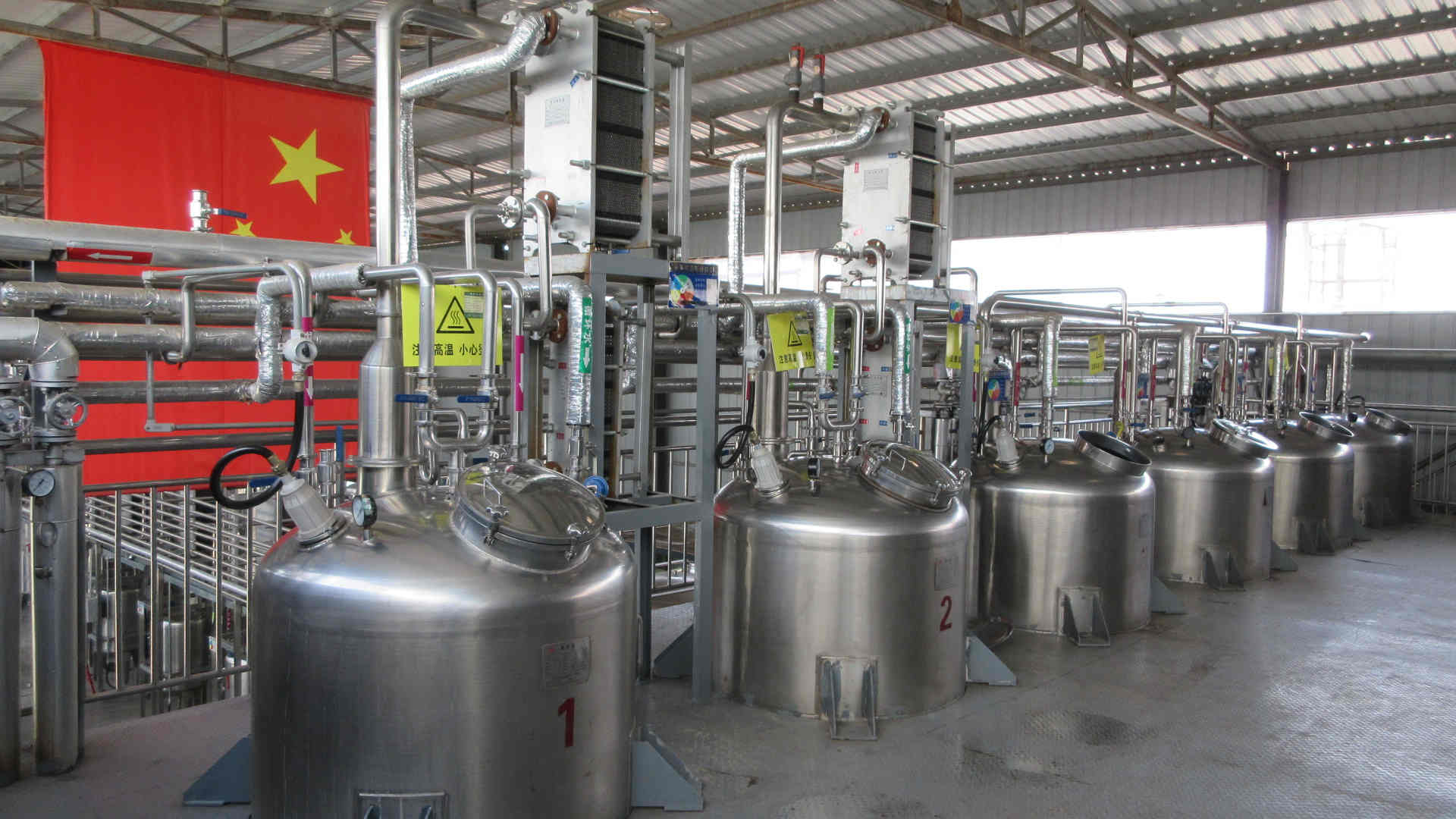

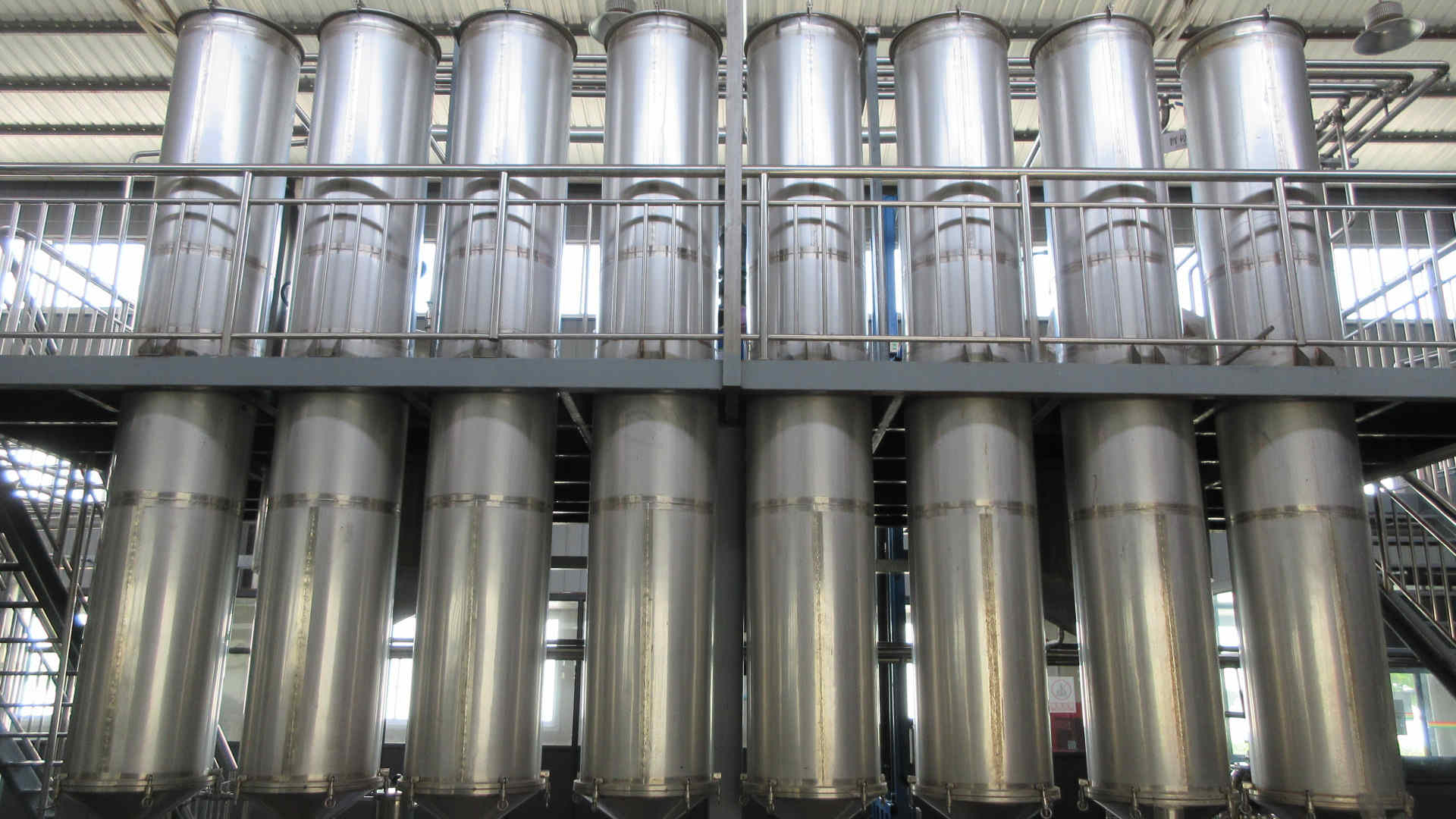
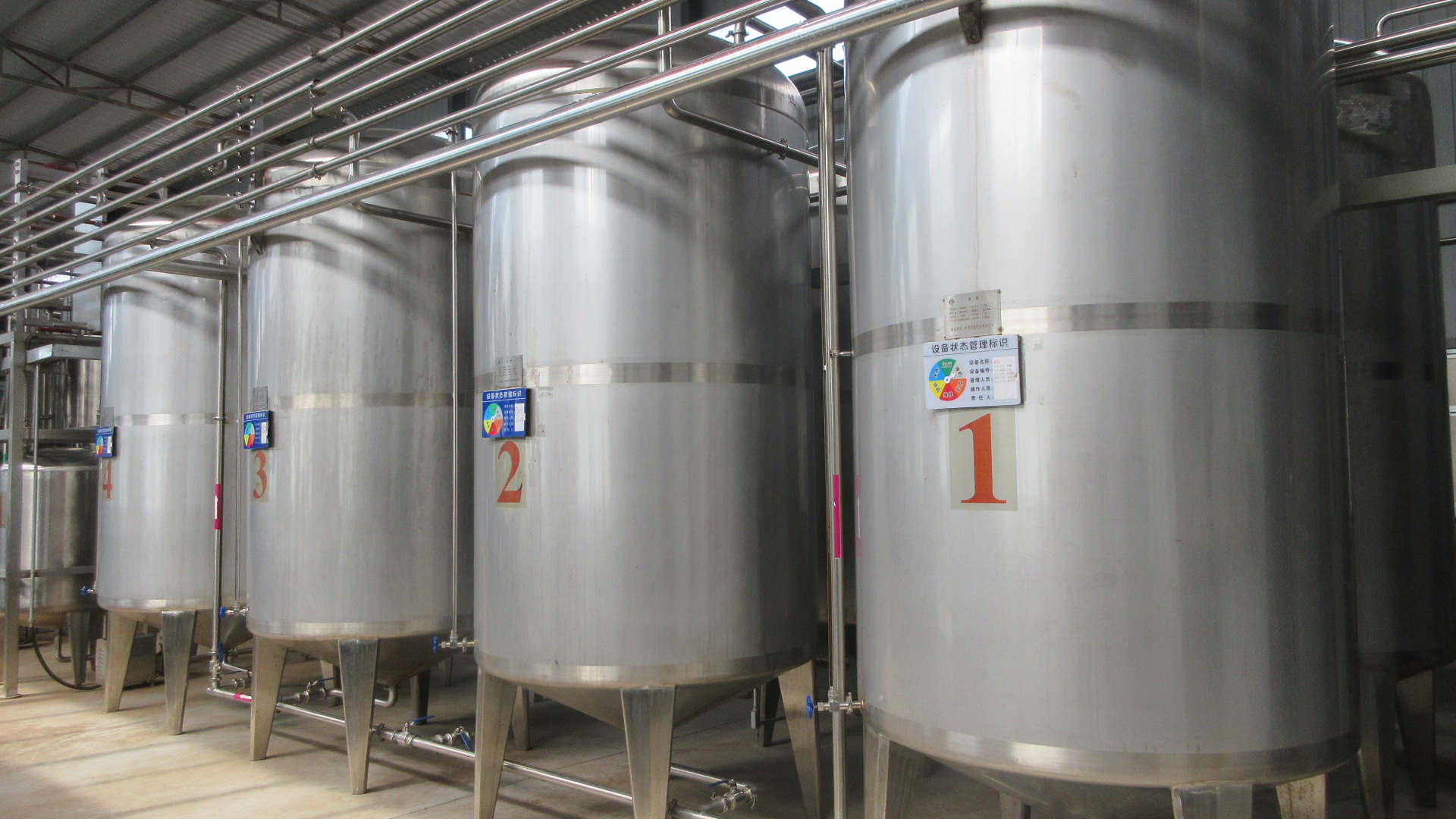


Achieving stable cosmetic formulation design requires the right synergy of active compounds and protective systems. One of the greatest challenges for clean-label skincare is maintaining product safety without irritating the skin barrier. For this reason, broad-spectrum, eco-certified preservation systems are highly valued by formulators globally.
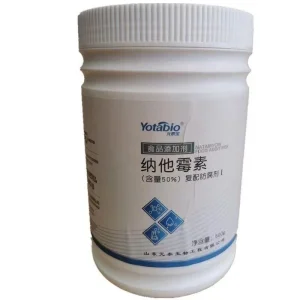
The combination of Dehydroacetic Acid and Benzyl Alcohol (Geogard 221) is widely recognized for its compatibility in natural formulations. Benzyl alcohol acts as a potent bactericidal agent, destabilizing microbial cell membranes. Concurrently, dehydroacetic acid penetrates the cell walls of fungi, molds, and yeasts, interrupting the metabolic pathways responsible for replication. This non-paraben preservative performs optimally in a pH range of 2.0 to 6.0, making it ideal for organic facial creams, low-irritant serums, and delicate eye care products.
Historically, collagen utilized in skincare was sourced from bovine or marine tissues, posing challenges related to allergenicity, purity consistency, and ethical concerns. Modern biotechnology has resolved these issues through the synthesis of Recombinant Human Collagen Type III. This biomimetic polypeptide is synthesized via yeast fermentation to match the exact genetic sequence of native human collagen. It exhibits virtually zero immunogenicity and possesses exceptional transdermal absorption properties. The molecule actively binds to integrin cell receptors, stimulating fibroblasts to synthesize endogenous extracellular matrix proteins. The result is a significant improvement in skin density, elasticity, and fine-line reduction.
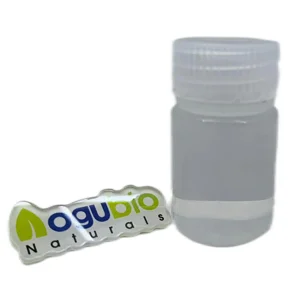
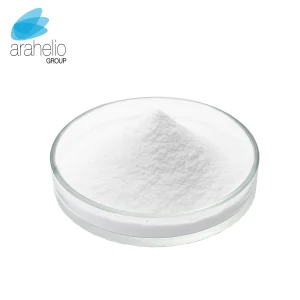
To deliver these actives into the deep epidermal layers, cosmetic chemists rely on precise organic intermediates. Esters like 2-(Hydroxymethyl)-2-[[(1-Oxooctadecyl)oxy]Methyl]Propane-1,3-Diyl Distearate function as vital emulsifiers and rheology modifiers. They structure the lipid phase of emulsions, ensuring a velvety skin feel while preventing phase separation over broad temperature ranges. Furthermore, high-purity solvents like Tetrahydrofuran (THF) are utilized under strict control during pharmaceutical-grade chemical synthesis to yield pure intermediates without leaving detectable volatile organic compounds (VOCs) in the finished raw materials.
B2B ingredient procurement involves managing complex supply chain risks, regulatory requirements, and technical hurdles. For international brand purchasers, raw material consistency, supply reliability, and documentation support are critical considerations. We address these needs through dedicated support systems designed for smooth integration into global production pipelines:
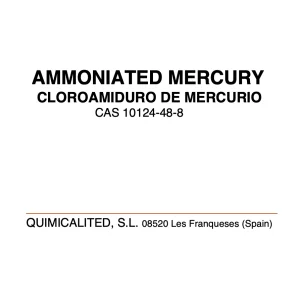
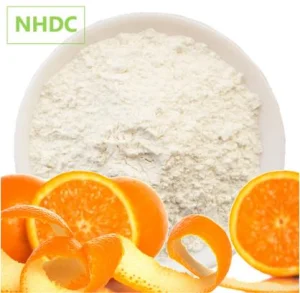
Explore our diverse chemical portfolio supporting pharmaceutical, food science, and advanced skincare development.
Answers to critical questions regarding compliance, product applications, and supply chain logistics.
Recombinant Human Collagen Type III is produced through precision fermentation, eliminating the risk of animal-derived pathogens (such as BSE) and heavy metal contamination. It features 100% homology with human collagen, ensuring excellent biocompatibility, negligible immunogenicity, and enhanced absorption into the dermal layer to promote tissue regeneration.
Yes. The active components—Dehydroacetic Acid and Benzyl Alcohol—are approved by major natural cosmetics certification bodies worldwide, including ECOCERT, COSMOS, and the Soil Association. This makes it an ideal broad-spectrum preservative for eco-friendly and vegan cosmetic formulations.
We implement a strict quality control system across the entire supply chain. Our raw plant sources are standardized for crop age and harvesting season. In-house testing utilizes High-Performance Liquid Chromatography (HPLC) and Gas Chromatography-Mass Spectrometry (GC-MS) to standardize the active constituent profiles (e.g., Carnosic Acid content in Rosemary oil) across every production run.
Most active cosmetic raw materials and peptides have a shelf life of 24 months from the date of manufacture when stored in their original, unopened packaging. They should be kept in a cool, dry place, protected from direct light and moisture. Some bio-active peptides may require refrigeration (2–8°C) to maintain maximum potency; specific storage guidelines are detailed in the product datasheets.
Yes. We provide complete regulatory documentation support, including Certificates of Analysis (COA), Material Safety Data Sheets (MSDS), Technical Data Sheets (TDS), Allergen Statements, Non-GMO Declarations, and BSE/TSE-Free Certificates to facilitate smooth compliance checks with global authorities.
 Mirae Biology